How to Pack Children's Toys for Moving
March 12, 2026
Key Highlights for Toy Packing for a Move
- Gather suitable packing supplies like boxes, bubble wrap, and markers
- Sort toys into categories – keep, donate, discard, or preserve
- Clean and sanitize toys before packing or donating them
- Use smaller boxes for fragile toys and wrap them individually
- Label boxes clearly with the contents and the designated room
- Consider creating a travel kit with essential toys for the move
Moving to a new home is an exciting journey. However, packing can feel overwhelming, especially when it comes to your child’s toys. It may seem like a big job, but with some organization and these useful toy-packing tips, you can keep them safe and make unpacking easy. Let’s make this process enjoyable for the whole family.
Essentials for Packing Toys Efficiently
Before packing, take a moment to gather the necessary packing materials to pack your children’s toys effectively. This will help make your packing smoother and more organized. Having everything ready will stop you from rushing at the last minute for supplies.
Ensure you have enough packing paper, bubble wrap, packing tape, and sturdy boxes in different sizes. Also, remember to get permanent markers for labeling. Use zip-lock bags or plastic bags to keep small parts or accessories from sets together so nothing gets lost.
Choosing the Right Packing Supplies
Choosing the right moving and packing supplies is very important for keeping your children's toys safe during the move. Use strong boxes in different sizes for the different types of toys. Smaller boxes work best for heavier or fragile toys. Larger boxes are good for light, bulky items.
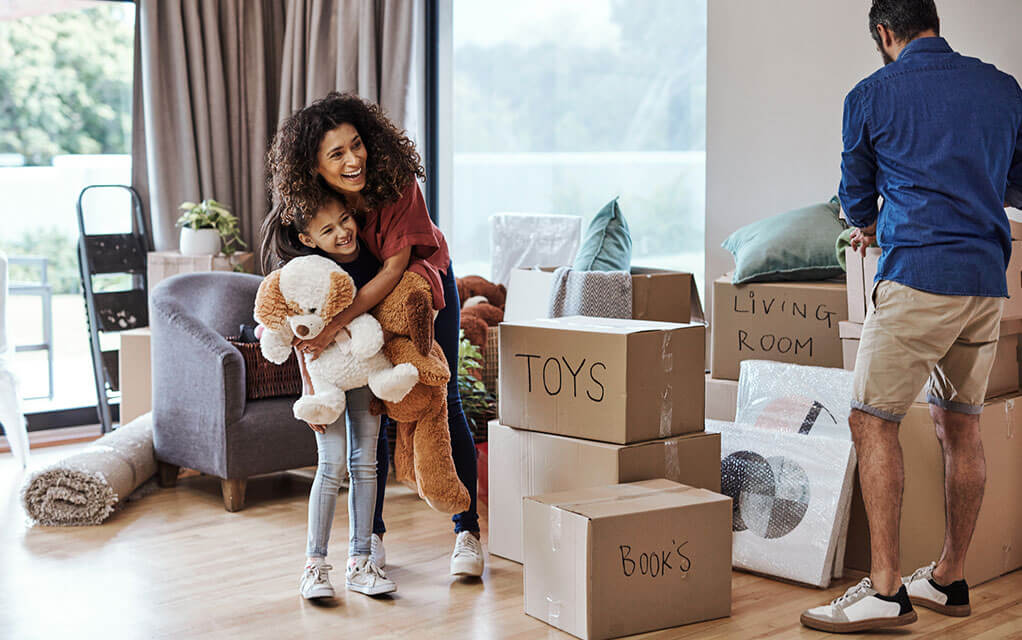
Get good-quality packing paper and bubble wrap. Packing paper creates a protective layer that stops scratches. Bubble wrap gives extra cushioning for packing fragile items.
Lastly, make sure to use enough packing tape! Seal all boxes well to stop them from opening during the move.
Importance of Cleaning Toys Before Packing
Cleaning your children’s toys before packing is essential. This helps keep the toys fresh for their new home. It also stops germs and bacteria from spreading.
First, wipe hard toys with a damp cloth and some mild detergent. Look at the care labels for washing instructions for soft and plush toys. Some might be safe for the washing machine, but many stuffed toys (especially oversized ones) require handwashing. If the toy needs handwashing, follow the instructions on the care label and use a mild detergent to clean it as best you can.
Make sure all toys are completely dry before packing. One way to speed up this process is to place the toy in front of a standing fan or under a ceiling fan. This will help stop mold or mildew from growing.
Step-by-Step Guide to Sorting Toys
Sorting toys and toy collections before packing can make things easier and less stressful. Start by asking your children if they are old enough to help choose which toys they want to keep, give away, or throw away. This is a good chance to clean up and pack only the toys your kids use.
Categorizing Toys by Size and Fragility
Once you have cleared out the toys you don’t need, start sorting the favorites by size and how easily they can break. This will help you decide how to pack each one.
Put all the small toys together. You can use zip-lock bags to keep them safe. This way, they won’t get lost. You need to be careful for fragile items, like porcelain dolls or any delicate toys with small parts.
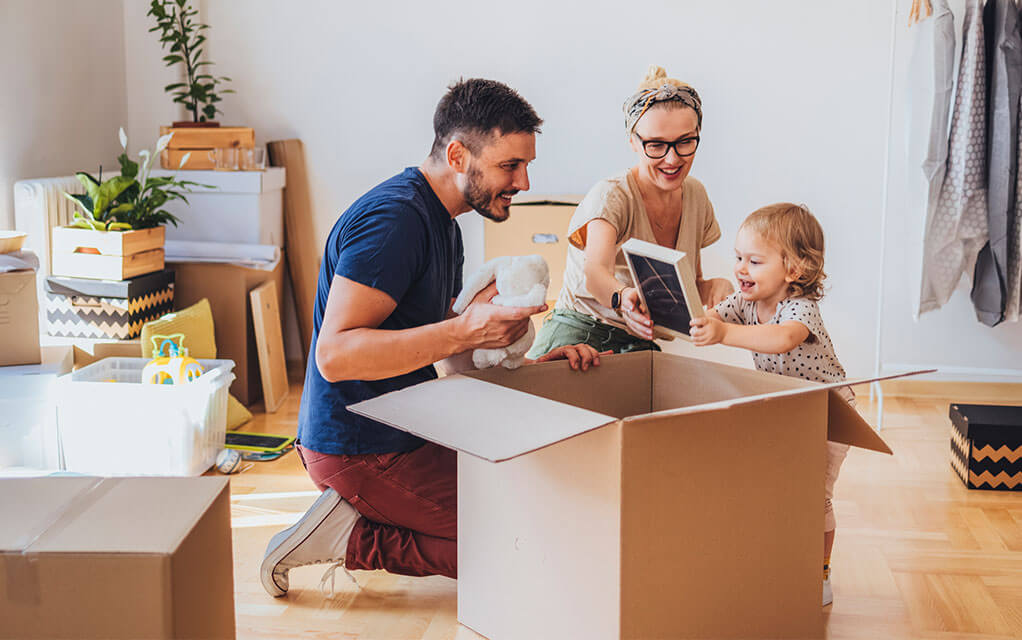
Wrap each one in bubble wrap, tissue paper, or towels to protect it from breakage. Then, place them in smaller boxes - do not pack heavy items alongside these types of toys. Make sure to fill any empty spaces with packing peanuts or crumpled paper. This will give them extra care and protection.
Deciding What to Keep, Donate, or Dispose of
What to do with the toys your kids no longer use can feel tough. Still, it’s a good chance to teach them about giving to others. Here are some ideas for gently used or thoroughly cleaned toys:
- Donate: You can give gently used toys to places like the Salvation Army.
- Sell: Have a yard sale or post the items online on Facebook Marketplace.
- Store: If you think you might have a second child, put some toys away for later.
- Discard: Throw away broken or very worn toys.
This might be a tough exercise for you and your child, but this can reduce the amount of stuff you have to pack and take with you.
Techniques for Packing Different Types of Toys
Now that you have organized your children's toys, it's time to pack them up. Different types of toys, especially similar ones, require different packaging methods. This will help keep those favorite toys safe during the move.
Do you remember the packing supplies you collected earlier? You'll need them as we pack each type of toy.
Wrapping and Boxing Small Toys
Small toys, like action figures or parts from building sets, can easily get lost in big boxes. To stop this from happening, think about packing them in:
- Zip-lock bags: This idea is great for toys with many pieces or accessories.
- Small boxes: If you use larger boxes, use cardboard dividers or old shoeboxes to keep similar toys together.
- Extra cushioning: Add a layer of protection for tiny, delicate toys by wrapping them in packing paper before putting them in bags or boxes.
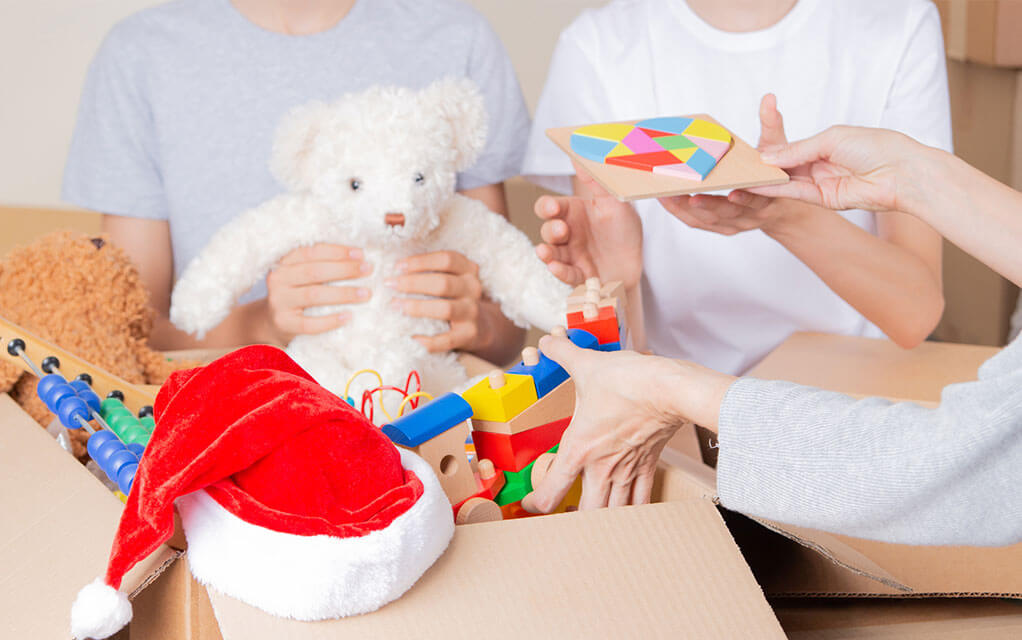
Be sure to label any bags or boxes with what is inside so you know what they belong to or are when unpacking later on for your kids.
Safely Packing Large and Bulky Toys
When packing larger toys such as ride-on vehicles, dollhouses, or play kitchens, it’s important to use durable, large boxes that can handle their size and weight. Start by disassembling any removable parts—such as wheels, doors, or accessories—and either wrap them separately or secure them safely inside the main toy to prevent loss or damage during transit.
To protect the toys from scratches, dents, or other damage, wrap each piece thoroughly in packing paper or bubble wrap. Pay special attention to fragile areas, such as mirrors in dollhouses or plastic components in play kitchens. If you’re stacking multiple parts in one box, place a layer of bubble wrap or soft material between them for added cushioning.
After placing the toys and their components in the box, fill any empty spaces with packing materials such as packing peanuts, crumpled paper, towels, or even soft clothing. This step is crucial because it prevents the toys from shifting around during the move—a common cause of breakage.
Before sealing your boxes, reinforce the bottom with extra strips of strong packing tape. Heavy toys can put a lot of pressure on box seams, so double-taping both the bottom and top flaps provides extra security and peace of mind.
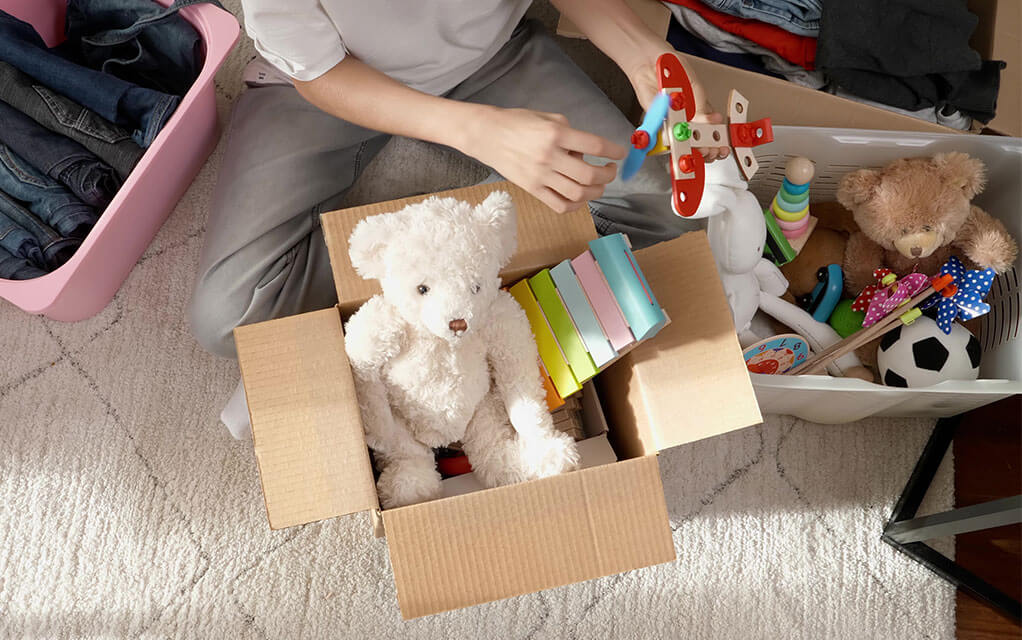
For further organization and protection:
- Label each box clearly with its contents and mark it “Fragile” if necessary.
- Keep hardware (screws or bolts) needed for reassembly in sealed bags taped to the toy itself or placed in a clearly labeled envelope inside the same box.
- Whenever possible, keep the original assembly instructions handy for easier setup at your new home.
Following these steps when packing larger toys will help ensure they arrive safe and sound—and ready for playtime once you unpack!
Special Considerations for Collectible and Electronic Toys
When preparing collectible and electronic toys for packing, it’s important to prioritize their safety due to their value and delicate nature. Collectible toys are often best protected in their original packaging, as these boxes are designed specifically to fit the item and provide optimal support during transport. If the original packaging isn’t available, individually wrap each toy in acid-free tissue paper to prevent scratches or other damage, especially since some collectibles can be sensitive to ordinary wrapping materials.
Next, place the wrapped toys in sturdy, appropriately sized cardboard boxes—avoid boxes that are too large, which could cause unnecessary movement and breakage. Fill any extra space with bubble wrap or packing peanuts to minimize shifting during transit.
For electronic toys, start by removing batteries from all compartments; this prevents leakage or corrosion, which can irreparably damage internal components. Bundle any cords, remote controls, manuals, or accessories separately, but keep them together in clearly labeled plastic bags so nothing gets misplaced. Again, use the original boxes if you have them; otherwise, choose sturdy containers and provide ample padding around each item.
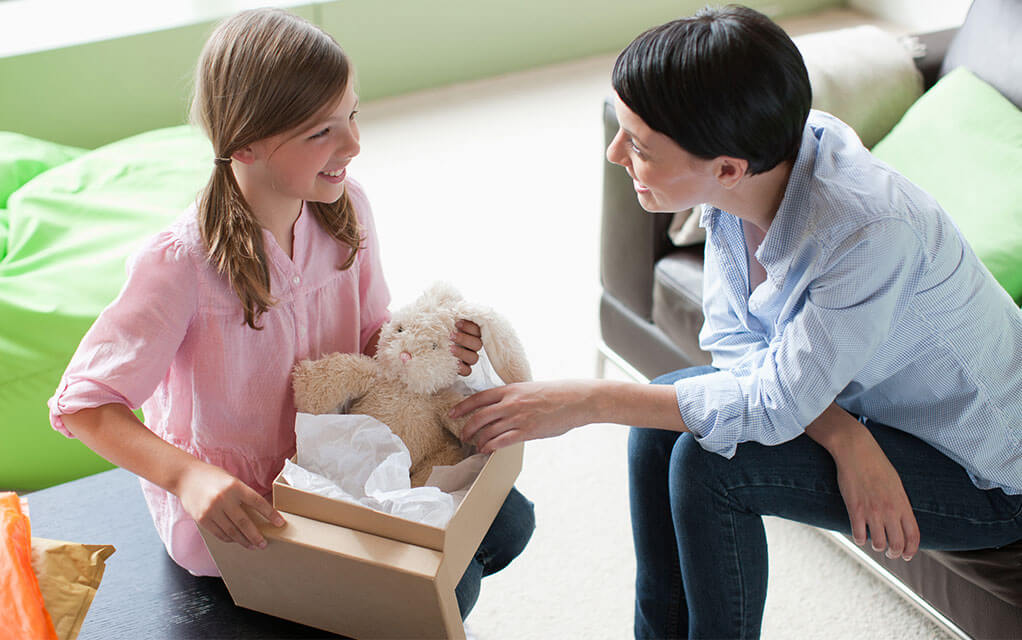
As always, clearly label these boxes as “Fragile” on multiple sides. This not only alerts movers to handle them with care but also makes it easier for you to identify priority items when unpacking. Consider making a quick inventory list of what’s inside each box for added peace of mind and easy unpacking at your new home.
Labeling and Organizing Boxes for a Smooth Move
Proper labeling is essential for a smooth and organized move. It helps you know where everything is and makes unpacking easy. Make sure to clearly label each box with what is inside and the room it belongs to in your new home.
You can also use a color-coding system to make unloading even simpler. For instance, use blue for the playroom, green for the living room, and pink for the bedrooms.
Creative Labeling Strategies
Labeling each box is very important. You can also make it fun and creative, especially for the different-sized boxes, with your children's unique items. Instead of just writing "toys," be clear about what is inside each box. This will help you when you unpack later.
For example, you could label the boxes "board games," "stuffed animals," "arts & crafts supplies," or "building blocks." You can ask your children to help with the labels. Let them use colorful markers or stickers, or draw on the boxes.
This can turn a tedious task into a fun one for your children and help them feel more involved and excited about the move.
Keeping an Inventory List
Keeping a detailed list of all packed boxes and their contents is a smart idea when you move. It's especially helpful when it’s time to unpack. This list will help guide you through unpacking so that nothing gets lost.
As you close each box, give it a number. Write that number on your list along with a short description of what’s inside. This way, you will know exactly where to find things without opening every box. Keeping an inventory list will help reduce confusion during unpacking about where everything is and where it goes.
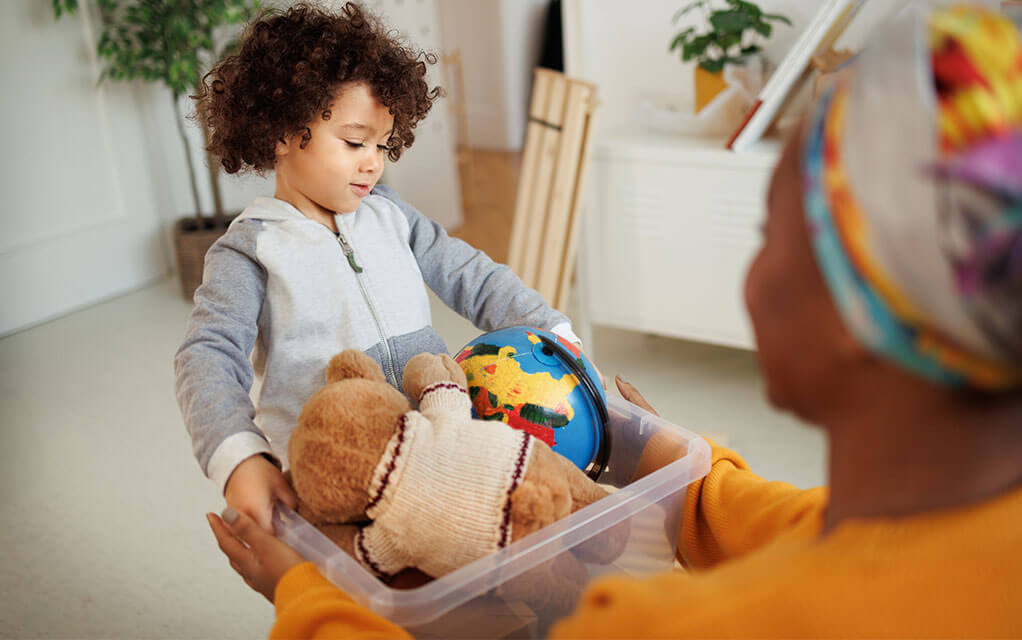
For example, you can say, "Box #1: Board Games, Puzzles," "Box #2: Stuffed Animals, Blankets," or "Box #3: Action Figures, Building Blocks." This simple step can save you a lot of time and trouble when settling into your new home.
Let Zippy Shell Help with Your Upcoming Moves
In conclusion, packing toys for a move can be easy if you plan and stay organized. Start by picking the right packing supplies and clean your toys first. Then, sort them into groups and use the right packing tips and methods for each type of toy. This will help your move go smoothly and ensure your children’s favorite toys make it to your new home to start new memories.
If you are looking for a moving company that helps make everything easier from start to finish, look no further than Zippy Shell. We make moving and storage simple by bringing the solution directly to you. No more driving large moving trucks around everywhere or packing everything up all in one day.
Here is how it works: Zippy Shell will bring a portable moving and storage solution to your location, where you then have three days to pack it at your own pace. When done, we will pick up your container and either deliver it to your new home or store it at one of our 90+ secure local warehouses. We can also provide the full-service moving experience as well if you need it. No matter how much help you want or how DIY you want to make your moving needs, Zippy Shell can make it happen.
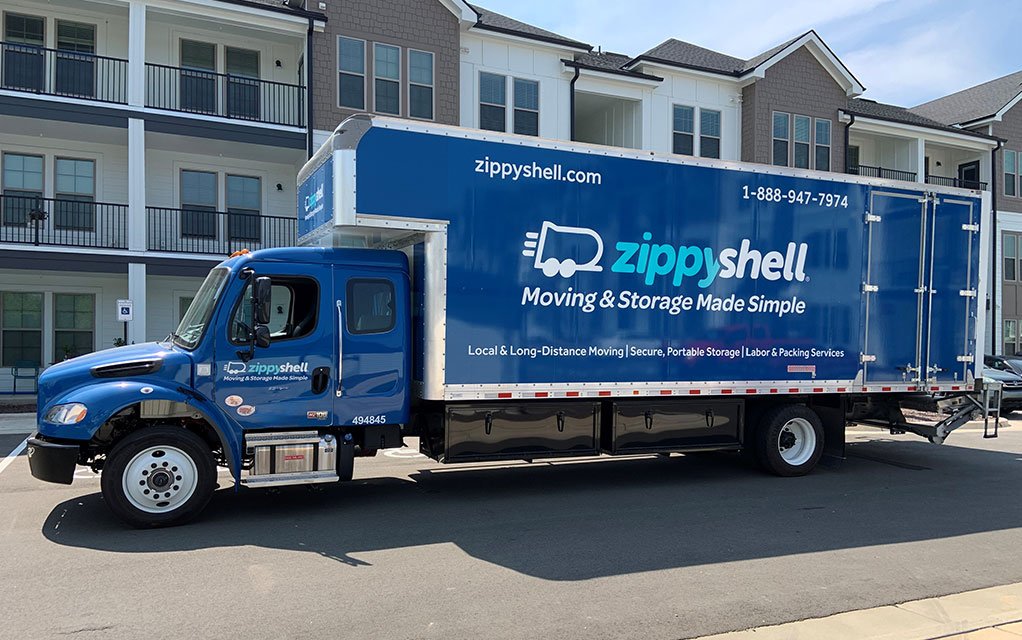
Give us a call or go online for a free quote today and see how Zippy Shell makes moving and storage simple for everyone!
Frequently Asked Questions About Packing Toys
How do I pack plush toys without damaging them?
To ensure plush toys are packed safely and remain in good condition, start by wrapping each toy individually in soft packing materials. Packing paper or bubble wrap works well as a protective layer, cushioning the toys against bumps during transport or storage. Wrapping helps prevent dust, moisture, and potential scratches.
Once wrapped, place the plush toys inside an airtight tote box or sealable plastic bag. An airtight container will protect them from humidity, pests, and odors. Make sure the toys are arranged so they aren’t compressed too tightly—overpacking can cause plush toys to lose their shape or become flattened.
If you’re stacking multiple layers of toys in a box, add a layer of padding (like more packing paper or bubble wrap) between each layer for extra protection. Check that there’s no empty space where the toys could shift around; if needed, fill gaps with additional soft material.
Label your container clearly and store it in a cool, dry place away from direct sunlight to prevent fading or damage. By following these steps, you’ll keep your plush toys clean, safe, and well-preserved for future use.
Are there any specific packing materials or techniques that work best for packing toys?
It should be a priority to get quality packing materials to ensure your children’s toys arrive at your new home safe and sound. Avoid packing materials such as newspaper that can leave behind stains or cause discoloration.
- Use packing paper to wrap each toy.
- For fragile items, use bubble wrap to add extra cushioning.
- Choose sturdy boxes in different sizes.
- Close the boxes tightly with packing tape.
Be certain to label the boxes on the outside as well, so you know what is in each one before packing them away. You wouldn’t want to pack something valuable or fragile underneath heavy items and risk breakage occurring.
How can I ensure the safety of delicate or valuable toys during the moving process?
There are a number of ways you can safeguard your children’s toys - especially fragile ones - from harm:
- For fragile toys and valuable toys, make sure to use extra protection. Wrapping them in bubble wrap or using packing peanuts can help.
- Label boxes with fragile items in them very clearly - don’t let an avoidable mistake happen!
- If you have collectibles or trading cards, or something specific and unique, try looking for specific protection for that item, for instance, moving trading cards in a card sleeve or a framed poster in a portrait box. You can protect your stuff in multiple ways, even if it is unique!
You might also think about hiring professional movers or adding the service to your order. They have experience in handling delicate items, giving you peace of mind that everything will be moved with the right tools.
How should I pack toddler toys when moving?
First, declutter by sorting through your toddler’s toys and donating or discarding any broken or outgrown ones. Next, group similar items—like blocks, stuffed animals, and puzzles—together. Use sturdy, clearly labeled boxes, and pack heavier toys at the bottom with lighter ones on top. Wrap delicate or battery-operated items in bubble wrap. Consider using see-through bins for favorite toys so they’re easy to find upon arrival.
Lastly, keep a small “favorites” box separate for quick access during the transition, and consider packing these toys last so they can be unpacked immediately at your new home.
- Moving Tips (132)
- Home Organization (60)
- Fun Stuff (54)
- Home Maintenance Tips (48)
- Packing Tips (36)
- Storage Tips (35)
- Home Buying and Selling Tips (24)
- News Releases (24)
- Home Renovation Tips (16)
- Moving on a Budget (11)
- Portable Storage (11)
- Moving and Storage Tips (2)
- Household Moving (1)
- In the Community (1)
- Moving Company Comparisons (1)