The Ultimate Guide on How to Pack for a Move
October 08, 2026
Key Highlights for How to Pack Up Your Home for a Move
- Moving can be stressful, but with a bit of planning and these insider tips, you can pack more easily.
- Learn how to declutter effectively, pack fragile items securely, and even repurpose household items for packing.
- Discover how to create a room-by-room strategy, label boxes clearly, and even pack your clothes efficiently.
- Minimize moving day stress with our ‘essentials’ suitcase tip – you'll thank us later!
- Don't get overwhelmed; we even have advice on tackling tricky-to-pack items like artwork and electronics.
Moving into a new home for the first time is very exciting. However, packing can feel like a monumental task, especially if you have a lot of stuff to move. Don’t worry! With these beginner tips, you can learn the best way to pack. We here at Zippy Shell will help you through the whole moving process. You will get helpful advice and smart packing tips to make your move easy. Let's start packing!
Essentials of Moving: What You Need to Know First
Let's focus on the basics before we get into the packing details. Start by making a moving checklist tailored to your needs. This is your guide to a successful move. It will keep you organized and ready. Next, collect all your essential documents. This includes things like lease agreements, ID, and moving contracts. Keep them in a safe and easy-to-reach place.
Don’t wait until the last minute to confirm your moving day or handle tasks such as scheduling utility connections for your new place. Taking care of these critical steps early will help you avoid stress as moving day gets closer.
Understanding the Basics of Packing and Moving
Packing well is a skill, but it’s easier than you think. Start by gathering strong cardboard boxes in different sizes for your items. Use packing paper and bubble wrap to protect your items. Wrap fragile items one by one. Fill any empty spaces in boxes so nothing shifts during the move.
Remember to label your boxes! Use permanent markers to write what is inside and where it goes on each box. It might feel dull, but it will help you unpack quickly. At the very least, color-code your boxes so each color shows where it should go in your new home. Not labeling your boxes can really hinder your unpacking and cause unnecessary stress.
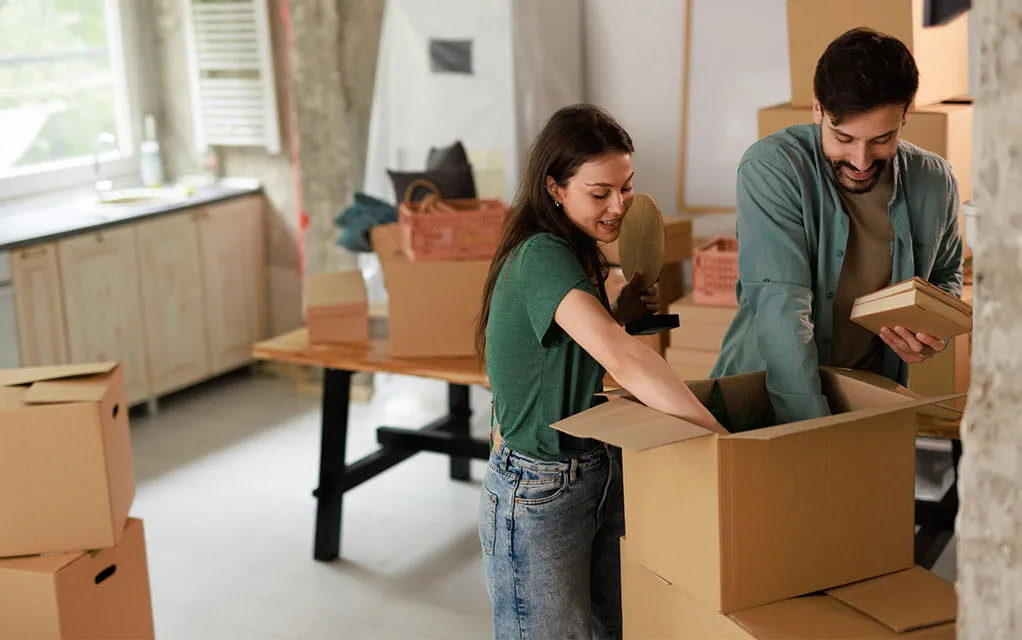
Lastly, think about the weight of your boxes. Put heavier items in smaller boxes and lighter items in larger ones. This makes the boxes easier to move and stack and may help prevent injuries and damage to your belongings. If you are using one of Zippy Shell’s portable moving containers, evenly distribute the weight across the container to prevent one side from being overly weighed down, which can cause dangerous swaying when you move it.
Identifying Your Moving Timeline and Checklist
Creating a moving timeline is one of the most effective ways to manage the process and reduce relocation stress. Planning ahead helps you stay organized and ensures you don't overlook anything or leave it until the last minute. Start by making a comprehensive inventory of your belongings to assess what you need to pack and what packing materials, like boxes, tape, bubble wrap, and labels, you’ll need.
Once you have your inventory, set realistic deadlines for each stage of your upcoming move. Start packing nonessential items weeks in advance, such as seasonal clothing, books, decor, or rarely used kitchen gadgets. Gradually work toward packing essentials as moving day approaches. Pack everyday items, toiletries, important documents, basic cookware, and clothing last to minimize disruption to your daily routine.
Divide the packing process into manageable sections by room or category. For example, set aside specific days to pack bedrooms, living spaces, or storage areas. This approach prevents overwhelm and lets you focus on one area at a time. As you pack each section, clearly label your boxes with their contents and destination room to make unpacking easier.
Also, consider creating a checklist for tasks outside packing: arranging utility transfers or cancellations, updating your address with relevant institutions (banks, post office), scheduling professional movers if needed, and setting aside items you'll carry with you personally rather than packing them into your container.

Give yourself ample time at each stage to avoid last-minute scrambling and declutter thoughtfully, donating or discarding items you no longer need, so you don't transport unnecessary belongings. Ultimately, a well-planned moving timeline helps streamline the transition into your new home and makes settling in much more manageable.
Preparing for Your Move: Initial Steps
Now that you are ready to move, it's time to get busy! First, start gathering your packing supplies. You can often get free moving boxes from local shops or online. However, buying new boxes for delicate or valuable items is a good idea to keep them safe and ensure nothing dirty or harmful was stored in them previously.
If you plan to hire professional movers, research and book them early, especially if you are moving during the busy season of late April to mid-July, to secure your desired moving date. Book your preferred moving company as early as possible to secure your moving date. Unlike traditional moving truck rental companies, Zippy Shell moves on your schedule; just be sure to book in advance to secure your date!
Sorting Your Belongings: Keep, Donate, or Discard
Moving is a great chance to clean up and make your life easier. Before you pack, take a good look at your things. Decide what you really need and use. You can make three groups: keep, donate, and discard.
- Keep: Items you use often, love, or need every day.
- Donate: Gently used clothes, household items, and furniture. These are things you don't need now, but others might find useful. Contact local charities like Goodwill, Habitat ReStore, or The Salvation Army about pickup or drop-off options.
- Discard: This is for broken, ruined, or unusable items. Your garage might be a good place to start for this particular set of items.
Packing less means you have less to move and unpack later. If you're moving heavy furniture like armoires or big entertainment centers, take them apart if you can. This will save time and make moving day much easier. Use a wardrobe box to transport your clothes safely; you can buy these at big-box home improvement stores or online.
Acquiring the Right Packing Supplies
We share more below, but having the right packing supplies is vital for a smooth move. Here’s a quick overview of what you need:
- Boxes: Get a mix of sizes and strengths. Use small boxes for miscellaneous items; use large boxes for light or oversized items. If you have many heavy items, like books, invest in heavy-duty boxes to carry them. You may also want special boxes like wardrobe boxes and dish packs.
- Protective materials: Have lots of bubble wrap, packing paper, and packing peanuts. These will help protect fragile items and keep them safe during the move. You can also use towels, newspapers, shredded paper, and more to save money on packing supplies while keeping your stuff safe.
- Labeling essentials: Make sure you have permanent markers, masking tape, and a tape gun. Whatever you can get to speed up the process, ensure everything is accounted for, and send it to the right room in your new home is a must-have.
How to Efficiently Pack For a Move
Ready to pack smart? Use these packing tips to save space, keep your things safe, and stay organized for your big move. A bit of planning and these easy tips can make your move much more manageable.
Whether you are using a portable moving container, a more DIY moving solution, or getting help from friends, packing boxes wisely will make loading and unloading easier. Let's look at the steps for successful packing!
What You'll Need to Get Started
Before you start packing boxes, gather all the necessary supplies and keep them organized in one place. This streamlines your packing process and saves time when you need items like tape or markers most. Here’s a straightforward checklist to get you started:
- Boxes: Have a variety of sizes—small, medium, and large—to suit different items. Special boxes, such as wardrobe boxes for hanging clothes and dish packs for fragile kitchenware, are ideal.
- Protective Materials: Stock up on bubble wrap, packing paper, foam pouches, and packing peanuts. These materials cushion your belongings and help prevent damage during transit.
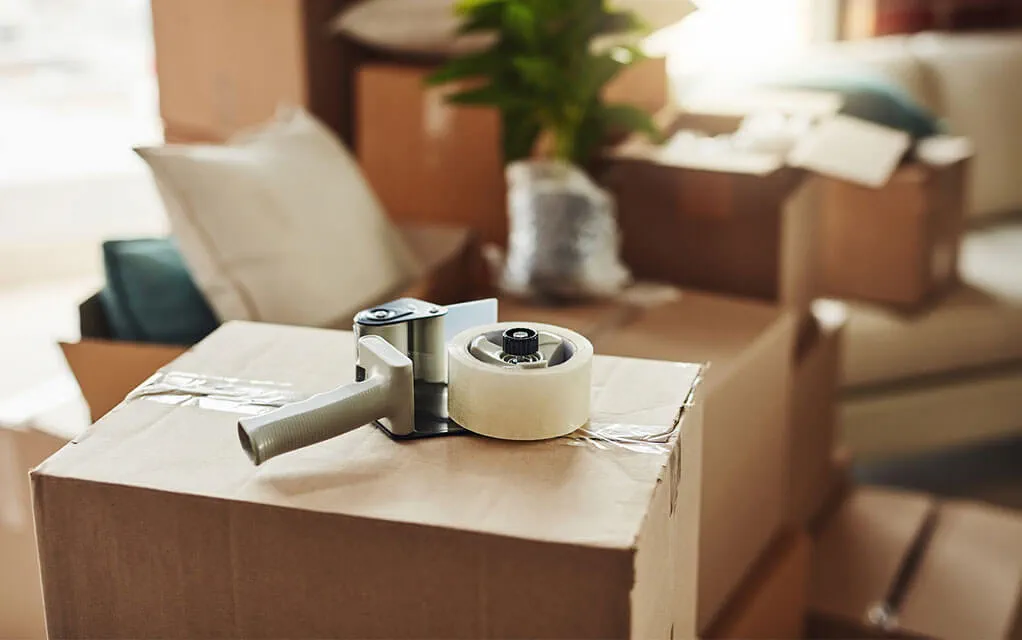
- Tape and Tools: Use strong packing tape paired with a tape dispenser for efficiency. Permanent markers are essential for labeling each box with its contents and destination room. Scissors or a box cutter will make opening sealed boxes much easier.
Additional Items:
- Plastic wrap: Handy for securing drawers so they don’t slide open during the move, wrapping furniture to protect surfaces from scratches, or bundling awkward-shaped items.
- Labels: While writing directly on the boxes works, using removable labels allows for easy reuse of boxes—just peel off old labels after unpacking.
- Moving Blankets or Furniture Pads: Provide extra cushioning for delicate or heavy furniture pieces to reduce the risk of dents and scratches.
Other useful extras might include zip-top bags (to keep small hardware like screws together), stretch wrap (to hold stacked items in place), and gloves (to protect your hands when lifting heavy objects). Don’t forget to pack an essentials box with things you’ll need right away at your new home—like toiletries, chargers, snacks, and a change of clothes.
By preparing these supplies ahead of time and keeping them organized, you’ll make your move more efficient and ensure your belongings arrive safely.
Organizing Your Packing Supplies and Resources
You've collected your packing supplies. So, what should you do next? Creating a special packing area helps. This area will be your command center for everything you need for packing.
Set up a large table or clear floor space. This will allow you to spread out your packing supplies, including paper towels. Keep boxes, tape, markers, and protective materials close by. Color-code boxes by room to make things easier. For example, use blue for the kitchen and green for the living room. This will help you see where each box goes when it's time to unpack.
Use rubber bands or zip ties to keep cords and cables neat. As a little packing hack, you can also use empty toilet paper rolls to store cords inside boxes. These simple organizing tips can make a big difference in your packing process!
Step 1: Creating a Comprehensive Inventory List
Creating a detailed inventory list is a crucial step in the packing process, especially when preparing for a move. This list not only serves as a checklist to ensure you don't forget anything important, but it also helps you determine exactly which packing supplies you'll need—such as boxes, bubble wrap, and tape. Knowing what you have and how much you have helps you avoid unnecessary purchases and streamline your packing routine.
An inventory list also serves as valuable documentation for insurance purposes. If an item is lost or damaged in transit, an itemized record with descriptions and condition notes can make filing a claim much easier. For each item, note its current condition (e.g., "scratched," "like new," "needs repair") so you have proof if any disputes arise.
When creating your inventory, go room by room and write down every item you plan to move. Be specific: instead of simply listing "kitchenware," detail the number and type of items, such as "3 pots, 10 plates, 12 glasses." If you're packing books, specify how many boxes or estimate the total count. For high-value belongings like electronics or collectibles, include model numbers or serial numbers where possible. Photos or short videos add another layer of evidence that can help with both insurance and resale.

If you're considering selling some items before your move to lighten your load or make extra cash, platforms like Facebook Marketplace are great options. Listing items online requires accurate information—your inventory list makes this process faster and more reliable.
Store your inventory list alongside key documents such as moving contracts, receipts for hired movers, utility company contact details, and lease agreements. To avoid losing these records in the shuffle of moving preparations, keep paper copies in a dedicated folder and digital versions on your phone or in cloud storage (Google Drive or Dropbox). That way, you'll always have easy access to your lists whenever questions arise.
Ultimately, having a thorough inventory list makes unpacking at your new home easier too. You’ll know exactly what’s in each box and can check off items as they arrive safely. This organization saves time and reduces stress during what can be a hectic transition period.
Step 2: Starting with Non-Essentials and Seasonal Items
When you start packing, it’s smart to begin with things you don’t use often. Focus on non-essentials and seasonal items. This way, you can make progress without affecting your daily life.
Pack decorative pieces, books you don’t read often, off-season clothes, and holiday decorations first. You won't need these for a while, so pack them early and get them out of the way.
As you pack, remember to label each box. Write down what’s inside and which room it goes to. This will make unpacking easier, and you’ll know what to open first when you get to your new home.
Step 3: Packing Room by Room, Labeling as You Go
Packing room by room will help you stay organized. It will also stop you from feeling overwhelmed. Instead of just packing random items from different rooms, focus on one room at a time. Pack and label your boxes as you go.
Start by clearing a space in the room. Gather your packing supplies. As you pack each box, label it on at least two sides: the top and one side. Include the name of the room and a brief description of what’s inside to streamline your unpacking process. For example, you can write “Kitchen – Dishes” or “Bedroom – Linens.”
Keep your labeling consistent. Use the same system for every box. This way, identifying and unpacking will be easy. This organized plan will save you time and frustration later.
Step 4: Packing Fragile Items with Extra Care
Packaging fragile items requires careful planning and attention to detail to prevent damage during transit. Start by wrapping each item individually in bubble wrap or packing paper, then secure it with tape so it stays in place. For items with sharp edges or delicate parts, consider adding an extra layer of protection.
When preparing your box, add a generous cushioning layer at the bottom, such as crumpled packing paper, foam peanuts, or soft towels. This helps absorb shocks if the box is dropped or jostled. Place your wrapped items inside, arranging them so they fit snugly and don't touch each other directly. If necessary, use cardboard dividers to separate particularly fragile pieces.
Fill any gaps in the box with additional packing material to prevent movement and reduce the risk of breakage. Common options include foam peanuts, air pillows, or even household items like dish towels or socks for added padding around glassware and ceramics. Another effective option is bubble wrap for extra protection.
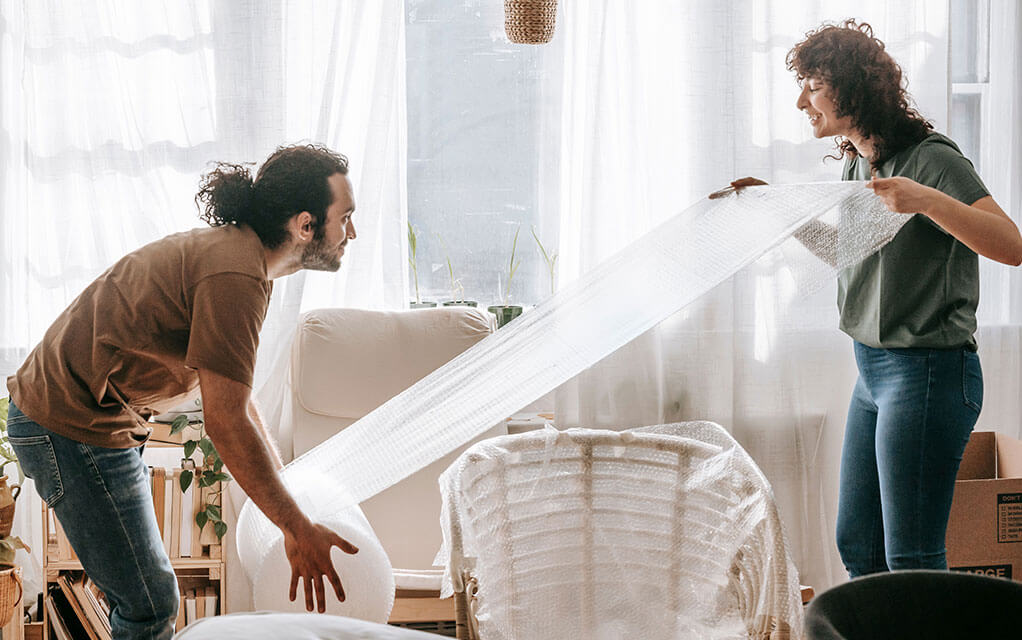
Before sealing the box, gently shake it to check if anything shifts. If you hear movement, add more filler until everything is secure. Seal the box tightly with strong packing tape along all seams for extra reinforcement.
Clearly label the package as ‘Fragile’ on multiple sides using bold markers or pre-printed stickers. You may also want to indicate ‘This Side Up’ if orientation matters for your items. Proper labeling ensures everyone handling your package knows what's inside and takes extra precautions.
If you’re shipping valuable or irreplaceable items, consider double-boxing: place your packed box inside a second, larger box with extra padding for maximum protection. If you are able, consider insuring your shipment and choose a reliable carrier experienced in handling fragile goods.
Step 5: Preparing an Essentials Box for the First Day
Moving day can be hectic. Unpacking everything in your house can take time. To make things easier, pack an “essentials box.” This box should have everything you need in your new home for the first 24 hours after you move in.
Think about the daily items you use. Fill it with toothbrushes, toothpaste, soap, shampoo, a change of clothes, phone chargers, medications, and other essential toiletries. For the kitchen, add paper plates, plastic utensils, a few mugs, a coffee maker if you drink coffee, and some snacks. Don’t forget toilet paper and hand soap for the bathroom.
Label this box clearly as “Essentials” or “Open First” and pack this box last so it is the first item you unpack at your new home. This way, you won't have to search all the boxes for your toothbrush or a clean shirt after a long day of moving.
Room-by-Room Packing Strategies
Every room in your house brings different packing challenges. Packing large furniture or fragile kitchen items takes a different approach. Using these tips for each area can make packing easier.
Let’s look at each room one by one. We will share tips to pack your things quickly and safely. This includes packing clothes and bedding in the bedroom. We’ll also tackle the hard-to-pack kitchen items. Plus, we will show you how to keep your valuable electronics and furniture safe in the living room.
Mastering the Bedroom: Clothes, Bedding, and Personal Items
When you pack your bedroom, start with the things you use the least. This includes out-of-season clothes, extra bedding, and decorations on your shelves or walls. For hanging clothes, try a wardrobe box. These tall boxes let you hang clothes inside, which helps prevent wrinkles and saves time ironing later.
Fold your clothes neatly or use packing cubes. This will help you save space and reduce wrinkles. Pack your shoes separately. You can also use socks to fill the inside of your shoes and keep their shape. Put heavier items like books and shoes at the bottom of the boxes. Then, stack lighter items like pillows and blankets on top.
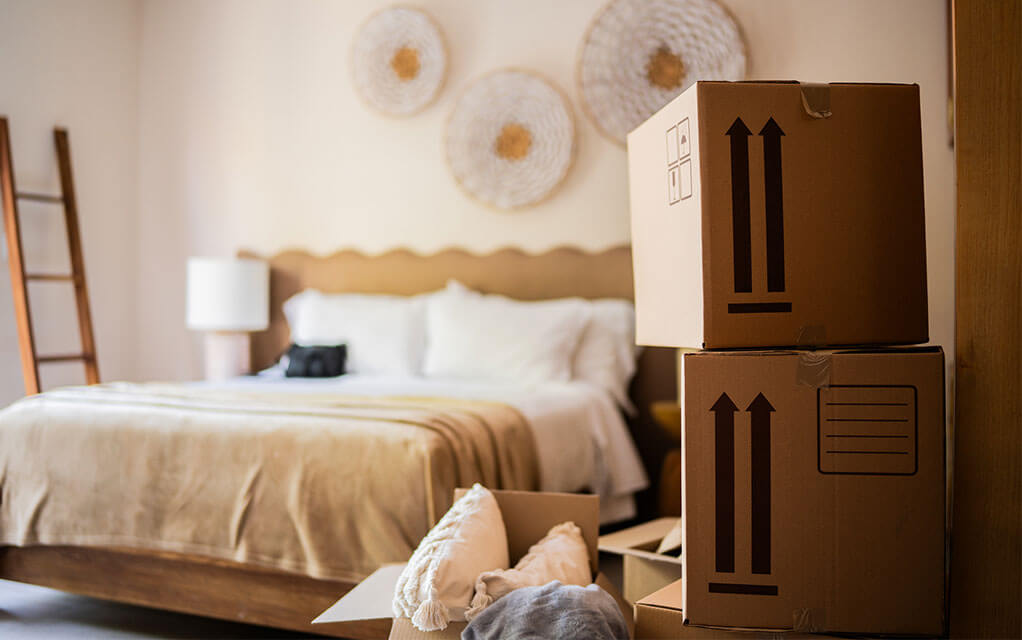
Don’t forget to label each box. Write down what is inside and the room it is for, creating a detailed list of contents. This will make it easier to unpack and find what you need when you set up your new bedroom.
For a more comprehensive guide to packing your bedroom, check out our blog for plenty of in-depth advice!
The Kitchen Conundrum: Appliances, Dishes, and Pantry
The kitchen can be the most challenging room to pack. It has many fragile items, large appliances, and pantry goods. Start by organizing the pantry first. Use up any food that will go bad. Then, pack non-perishable items in strong boxes.
Next, pack dishes and glassware in the dining room. Wrap each piece separately in bubble wrap or packing paper. Put them in dish packs, boxes with cardboard dividers, for extra protection. Use their original boxes for small appliances like blenders and toasters, if you have them. If not, wrap them in bubble wrap and keep them in sturdy boxes, or use a garbage bag for added protection.
Also, defrost your refrigerator at least 24 hours before moving day, drain water from appliances like washing machines, and let them dry out before moving. Pack any leftover food in a cooler with ice packs or try to eat it before your moving day.
For more in-depth tips on packing your kitchen items, we have an entire blog dedicated to the task!
Living Room Logistics: Furniture, Electronics, and Decorations
When packing up your living room, approach each category, furniture, electronics, and decorations, with care to prevent damage during transit. Start with furniture pieces such as tables, bookshelves, or couches that you can disassemble. If possible, remove legs or shelves and wrap these parts securely in bubble wrap or moving blankets. This prevents scratches and makes the furniture easier and safer to transport.
For electronics like televisions, computers, sound systems, and gaming consoles, use the original packaging when possible because it offers the best fit and protection. If you no longer have these boxes, wrap each item thoroughly in bubble wrap or foam sheets. Place them in sturdy boxes just big enough to fit the device without too much empty space - this helps minimize movement inside the box. Clearly label these boxes as ‘Fragile’ and indicate which side should face up.
Decorative items such as picture frames, artwork, vases, candles, and small sculptures require special attention. Wrap each piece, especially glass items, individually in packing paper or bubble wrap before placing it in a sturdy cardboard box. Fill any gaps with crumpled paper or packing peanuts so that items don’t shift around during transport. For particularly delicate items like glassware or ceramics, consider double-boxing for extra protection.
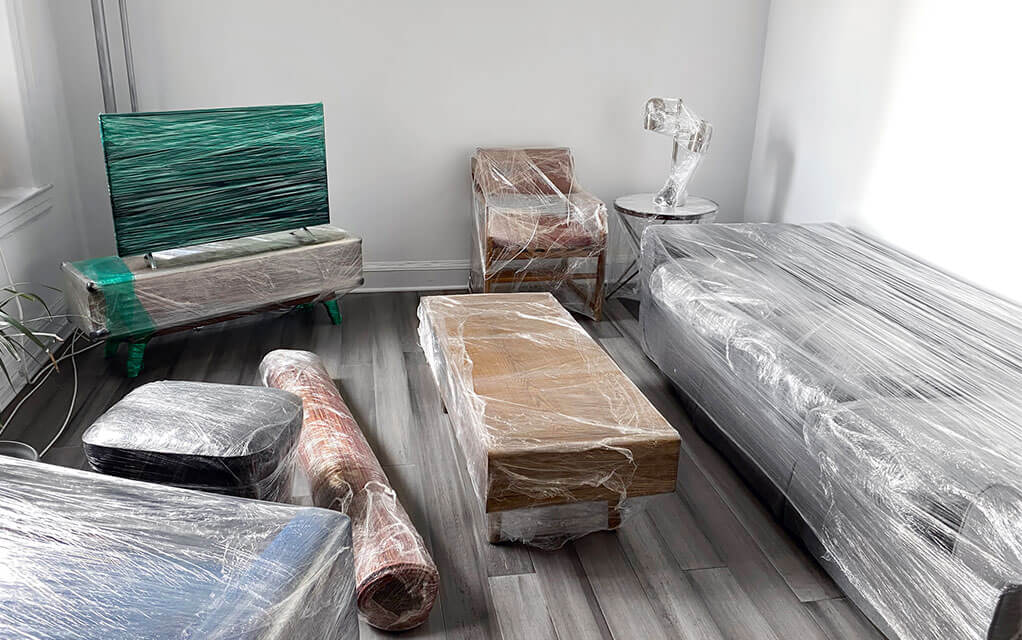
Organize all packed items by category and label each box accordingly - for example: ‘Living Room Furniture,’ ‘Electronics,’ ‘Decorations.’ Pack similar items together and label each box accordingly. This not only helps movers handle your belongings more carefully but also speeds up unpacking at your new home.
Lastly, keep essential tools like screwdrivers and tape handy throughout the process to make disassembly and sealing boxes easy. These precautions help ensure your living room items arrive safely and intact at your new destination.
Bathroom Basics: Toiletries, Linens, and Cleaning Supplies
Packing your bathroom for a move is straightforward if you stay organized. Begin by sorting through all your toiletries, such as shampoo, conditioner, soap, razors, and makeup. Check expiration dates and dispose of any products that are old or nearly empty. Keeping only what you truly need will reduce clutter and make packing easier.
Once you've selected the items you want to keep, place them in sealable plastic bags or sturdy containers. This helps prevent leaks during transport and keeps everything contained. For extra protection, wrap breakable items like glass bottles or fragile items with bubble wrap or towels before placing them in bags or boxes.
Next, neatly fold your towels, washcloths, and linens. You can pack these soft items in a suitcase, duffel bag, or dedicated moving box. Towels can also cushion breakable bathroom items inside boxes.
When packing cleaning supplies like sprays or liquids, ensure each bottle is tightly sealed. Place these items upright in a separate container to avoid accidental spills that could ruin other belongings. Consider using egg cartons for smaller bottles or jars to keep them stable.
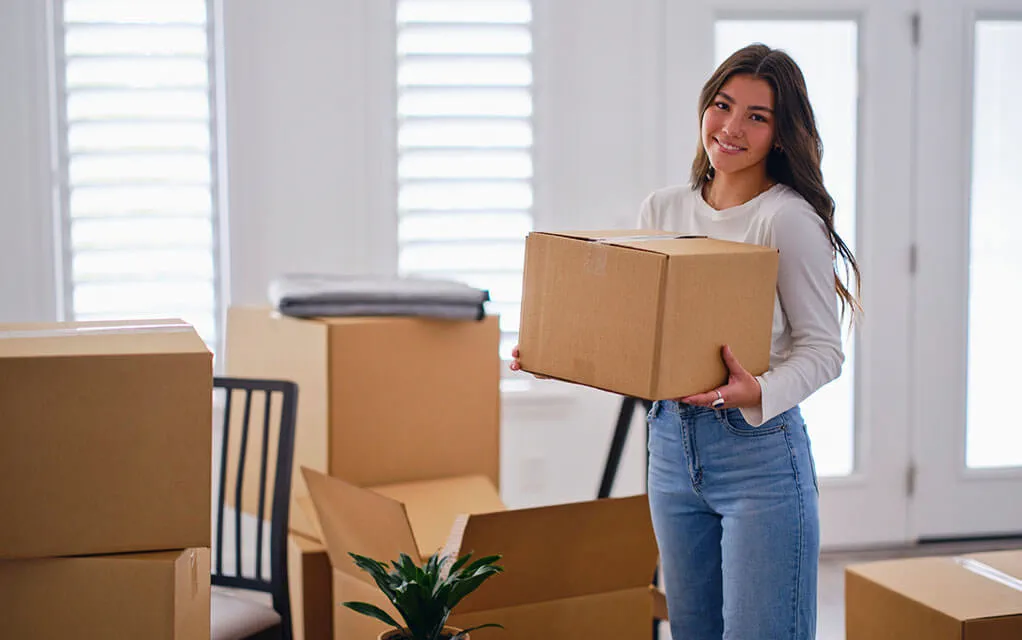
Set aside a small "essentials" bag with the toiletries and towels you'll need for the last few days before your move and immediately upon arrival at your new home—like toothbrushes, toothpaste, soap, and toilet paper.
Label all boxes clearly with their contents and mark anything containing liquids as “fragile” or “this side up.” This makes unpacking easier and prevents confusion about where items belong.
Finally, don’t forget to clean out cabinets and drawers thoroughly after packing to ensure nothing is left behind. By staying organized and packing strategically, you’ll make settling into your new bathroom smoother and less stressful.
Items Requiring Special Packing Considerations
Most household items can be packed the usual way. But some things need special care. These things are valuable belongings, essential documents, and sentimental items. They need extra attention during the move.
For example, keep expensive jewelry or electronics close to you during the move. If something is of extremely high value, we recommend keeping that item and others like it with you at all times. Also, carefully organize important paperwork and irreplaceable photos, and pack them separately.
Handling Valuable and Sentimental Items
When preparing for a move, protecting valuable and sentimental items requires special attention beyond standard packing procedures. If you can, keep items such as jewelry, important documents (like passports, birth certificates, and legal paperwork), and small family heirlooms with you rather than packing them in your portable storage container. Using a secure bag or small suitcase lets you pack jewelry easily and keeps these valuables within reach at all times during your move.
For sentimental items with little financial value, such as photo albums, children’s artwork, cards, or keepsake letters, pack them thoughtfully to prevent damage. Wrapping these items in acid-free tissue paper helps preserve delicate materials and prevents yellowing or deterioration over time. Bubble wrap adds an extra layer of protection against bumps or drops.
Clear plastic bins are especially useful for sentimental belongings because they allow you to quickly identify contents without opening multiple boxes when unpacking. This makes it easier to locate cherished items right away, reducing stress during the transition.
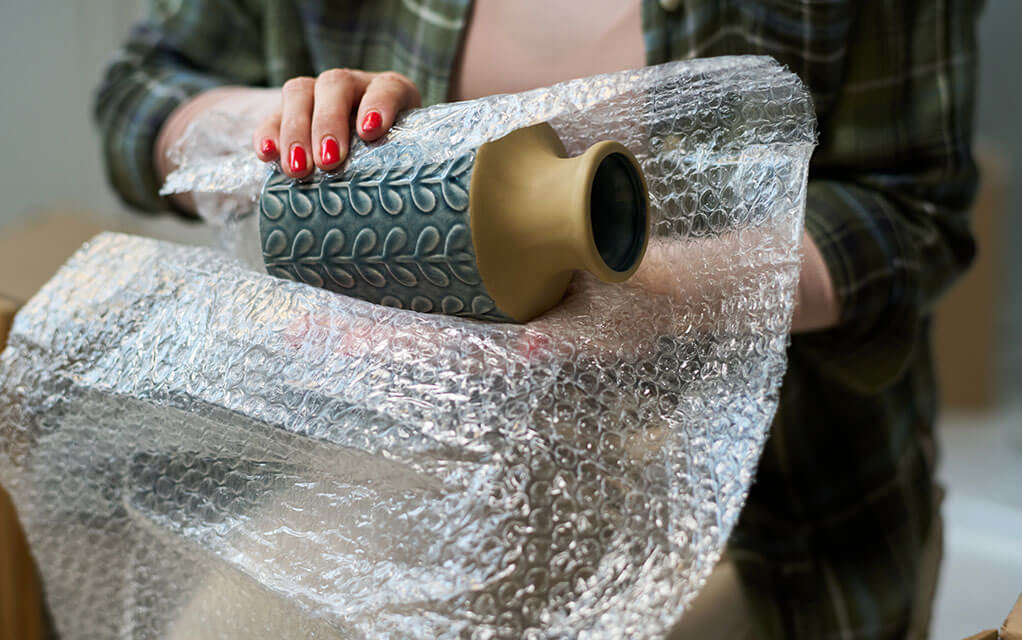
Label each box clearly with “Fragile” or “Sentimental – Handle with Care.” This ensures that anyone helping with your move knows which boxes require gentle handling. Whenever possible, transport these boxes yourself rather than in your container; this minimizes the risk of loss or accidental damage and gives you greater control over their safety.
Lastly, consider creating a digital backup of irreplaceable documents and photos before your move. Scanning papers and photographing artwork provides peace of mind if anything goes missing.
These items' true value lies in the memories they hold. Taking extra steps to safeguard them will help ensure those memories are preserved for years to come.
Moving and Packing Electronics and Appliances
When moving electronics and appliances, from small items like light bulbs to large ones like refrigerators, careful packing is essential to prevent damage. If you still have the original packaging for your devices, use it. Original boxes are specifically designed to fit and protect each item during transport with custom inserts and padding.
However, if the original packaging is no longer available, you can still keep your electronics safe by wrapping each item in bubble wrap. Secure the bubble wrap with tape so that it doesn’t unravel during the move. For added protection, place wrapped items in sturdy, appropriately-sized boxes. Fill any empty spaces in the box with packing peanuts or crumpled paper to prevent shifting.
For larger appliances like refrigerators, washing machines, ovens, or dishwashers, proper preparation is crucial. Always consult the user manual for specific instructions on how to disconnect and prepare these items for a move. Common steps include defrosting freezers or refrigerators at least 24 hours before moving, securing loose parts or shelves inside appliances with tape or ties, and disconnecting water lines if needed.
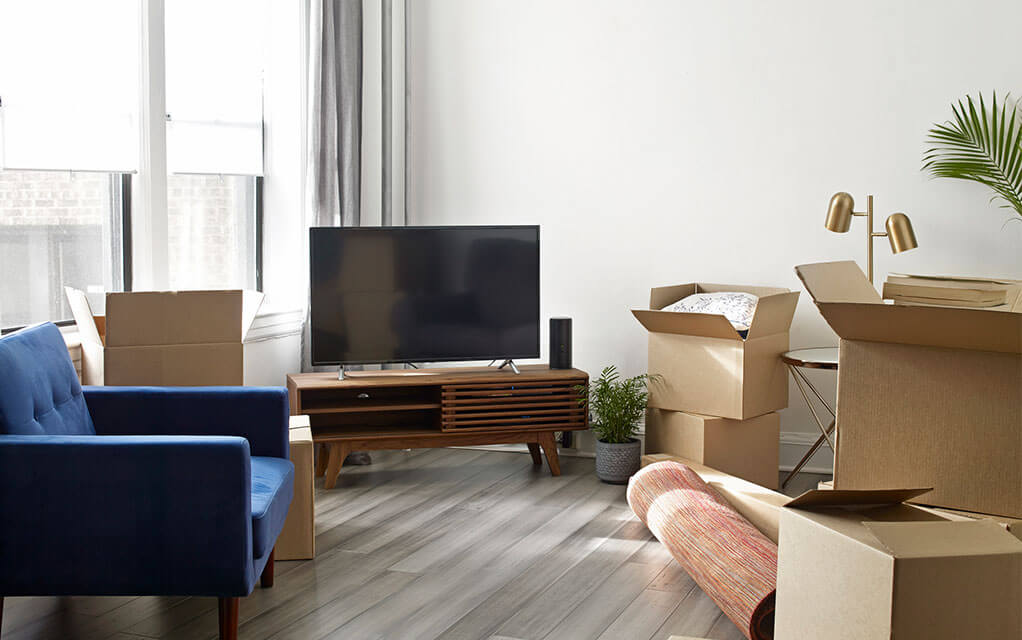
If you’re unsure about handling large appliances yourself, consider hiring professional movers with experience and the tools to transport heavy or delicate equipment safely. They can disconnect power or water supplies and maneuver bulky items without damaging your home or belongings.
Don’t forget to clearly label all boxes containing electronics and appliances. Write detailed descriptions of what’s inside each box (for example: “Kitchen – Blender & Toaster” or “Living Room – Game Console & Controllers”). Also note any special care instructions like “Fragile – Keep Upright” so handlers know how to treat each package.
Also remove batteries from battery-operated gadgets before packing to prevent corrosion or leakage during transit. For computers and TVs, take photos of cable connections before unplugging them - this makes setup at your new location much easier.
Taking these precautions when packing electronics and appliances for a move will greatly reduce the risk of damage and make unpacking in your new home much smoother.
Loading Tips and Tricks for Portable Moving Containers
Loading a Zippy Shell portable moving container correctly is crucial to maximize space and keep your belongings safe. Start by placing mattresses against the back wall, then evenly distribute heavier items across the floor, such as appliances and furniture. This creates a stable foundation, keeps weight evenly distributed, and minimizes swaying.
Secure your items with furniture pads, moving blankets, and tie-down straps when possible. These will prevent your belongings from shifting during transit. Additionally, fill empty spaces with small boxes, bags, or cushions to keep everything tightly packed and stable.
If you have to pack on a rainy day, pack when the rain stops, or dry your items completely before packing. While our containers are weatherproof and promote airflow inside, wet items can develop mold and mildew, which can damage your belongings. Pack only dry items in your container.
Unpacking with Efficiency
Congratulations! You are now in your new place. After all the heavy lifting, it may feel great to just relax on the couch. But if you unpack the right way, you can feel at home faster.
Start by unpacking the items you need most. Think about what rooms matter the most to you. Set up your bedroom and bathroom first. This way, you can relax and enjoy your new place sooner.
Prioritizing Rooms and Items for Unpacking
Unpacking a whole house can feel overwhelming. But by focusing on certain rooms and items, you can feel more organized. Here’s a simple plan to follow:
- Essentials: First, unpack your ‘essentials’ box. This box should include what you really need, like toiletries, phone chargers, and basic kitchen supplies.
- Bedroom: Next, set up your bedroom. This will give you a cozy spot to rest after a hard day of unpacking. Assemble your bed frame, unpack your bedding, and lay out your essential clothes.
- Bathroom: Next, move to the bathroom. Make sure it works well for you. Unpack your towels, toiletries, and shower items.
- Kitchen: Then, focus on the kitchen. Unpack just enough to cook simple meals. Setting up your coffee maker first can really lift your spirits!
Unpacking in this order will quickly create a comfy, practical living space. This method will help the whole process feel less overwhelming.
Setting Up Essential Services and Utilities
Before you start unpacking, check that important services are set up in your new place - give these companies a call a day or two ahead of time (especially if you are moving in on a weekend) so your services will be ready when you move in. This includes electricity, gas, water, and internet.

Next, find the circuit breaker box, water shut-off valve, and gas shut-off valve. For safety and in an emergency, it's vital to know where these shut-off points are. Also, change the locks on your new home for security; you don’t know if the previous owners made extra keys or lent them to friends. Don’t forget to update your address with the post office, set up mail forwarding, and contact any services that send mail or purchases to your home to update your address.
Taking care of these tasks will make moving into your new home easier and more comfortable.
Make Zippy Shell Your Moving Company Partner
Packing for a move can feel hard, but a good plan can make it easier. Start early and use sturdy supplies to make packing easier. Don’t forget to get rid of things you don’t need. Label your boxes clearly and pack fragile items safely.
If you are looking for a moving company that offers flexible local and long-distance moving solutions and gives you the time to pack at your own pace, look no further than Zippy Shell and our 90+ nationwide facilities. Here’s how moving works with Zippy Shell:
- We deliver your container(s) to your home.
- You then pack the container at your own pace.
- When done, we will pick up your container and deliver it to your new home.
- Or we can store your container at one of our secure, nationwide warehouse facilities, temporarily or long-term.
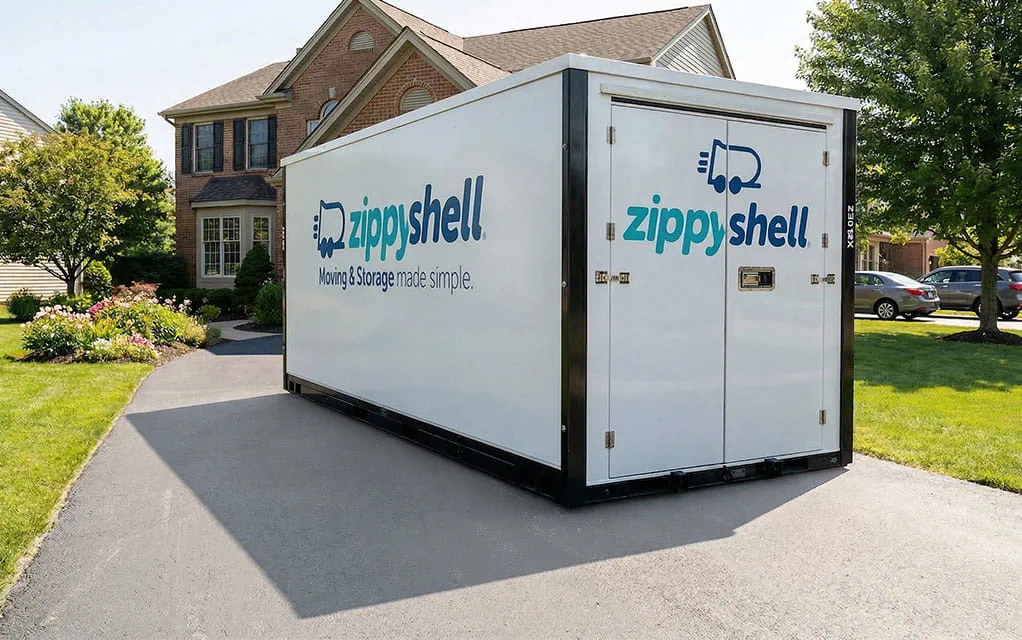
We handle all the driving and provide the services you need, so you can move at your pace and on your schedule. We also offer DIY moves, where we bring you the container and you pack it yourself, or we can assist with a full-service move. Whatever you need to simplify your moving and storage, Zippy Shell is here to help.
Call us or visit our website to get a free quote and see how we can make things easy for you today!
Frequently Asked Questions About How to Pack for a Move
How far in advance should I start packing for a move?
Once you’ve confirmed your move, start packing as soon as possible to avoid last-minute stress. Begin by creating a detailed inventory list of all your belongings. This checklist will help you keep track of what you own and ensure nothing gets lost during the move. Next, gather the packing supplies you'll need: sturdy cardboard boxes in various sizes, packing tape, bubble wrap or newspaper for delicate items, markers for labeling, and zip-top bags for small pieces like screws or hardware.
Start by packing non-essential items first - things you won’t need in your daily life leading up to moving day. Examples include out-of-season clothes, books, decorative items, and rarely used kitchen gadgets. Packing these early gives you time to carefully sort through your possessions and decide what to keep, donate, or discard.
As you pack each box, label it clearly on multiple sides with its contents and the room it belongs in. This step makes loading and unpacking much easier, since movers (or friends helping) can put each box directly in its new location at your next home.
Don’t forget to set aside essentials you’ll need right up until moving day - like toiletries, a few changes of clothes, important documents, chargers, medications, and basic kitchen supplies. Pack these in a separate “essentials” box or bag that travels with you so they’re easily accessible when you arrive at your new place.
Stay organized by sticking to your inventory list and checking off boxes as you pack and load them into your portable storage container. A well-planned packing process saves you time on moving day and makes settling into your new house much smoother.
What are the most essential packing supplies?
When preparing for a move or storing your belongings, the right packing supplies are crucial to keep everything safe and organized. Start with sturdy cardboard boxes in a variety of sizes—small boxes are ideal for heavy items like books, while larger boxes work well for lighter, bulkier things such as linens and pillows. High-quality boxes can make a big difference in protecting your possessions.
In addition to bubble wrap and packing paper, which cushion and prevent breakage, consider foam peanuts or air-filled plastic cushions for extra protection for fragile items. Permanent markers are essential for clearly labeling each box with its contents and the room it belongs to; this will save you time and hassle when unpacking.
A quality packing tape dispenser streamlines sealing and keeps boxes securely closed during transit. Avoid cheap tape, as it often doesn’t adhere well and can peel off easily, putting your items at risk. Heavy-duty packing tape is especially important for sealing heavier boxes.
Plastic stretch wrap is another useful supply, use it to keep furniture drawers closed or to bundle irregularly shaped items. It also helps protect upholstered furniture from dust, dirt, or moisture during the move.
Don’t forget specialty supplies like mattress bags to keep beds clean, wardrobe boxes for hanging clothes, zip-top bags for small hardware or screws from disassembled furniture, and moving blankets or furniture pads to shield large pieces from scratches.
How do I pack fragile items to prevent damage?
When packing fragile items for a move or shipment, take extra precautions to ensure they arrive safely. Start by wrapping each item individually in bubble wrap or packing paper, covering all surfaces and protecting the corners. Secure the wrapping with tape so that it doesn’t come undone during transit.
Next, choose sturdy, high-quality boxes that can withstand movement and stacking. Place the wrapped items in the box, leaving enough space for extra padding. Fill any gaps with packing peanuts, foam inserts, crumpled paper, or even soft towels to cushion the items and prevent them from shifting.
Avoid placing heavy objects on top of boxes containing fragile items; excess weight and pressure can cause breakage. Stack lighter boxes above heavier ones whenever possible.
Don’t forget to clearly label your boxes as “Fragile” on multiple sides. This alerts movers or handlers to exercise caution when carrying and loading these packages. If you’re shipping the items, you might also want to mark “This Side Up” if orientation matters for added safety.
Is it better to roll or fold clothes when packing?
Rolling your clothes can save space and reduce wrinkles. But if you have a wardrobe box, it’s better to move hanging clothes straight from your closet. Pick the method that works best for your packing process and wardrobe!
- Moving Tips (133)
- Home Organization (60)
- Fun Stuff (54)
- Home Maintenance Tips (49)
- Packing Tips (38)
- Storage Tips (35)
- Home Buying and Selling Tips (24)
- News Releases (24)
- Home Renovation Tips (16)
- Moving on a Budget (11)
- Portable Storage (11)
- Moving and Storage Tips (2)
- Household Moving (1)
- In the Community (1)
- Moving Company Comparisons (1)