Tips for Moving to College: A Freshman's Guide to Success
August 05, 2026
Key Highlights of College Freshman Moving
- Start your packing list early, so your freshman move feels calmer and more organized.
- Focus on dorm-room essentials, not everything from your old bedroom.
- Use portable storage containers to keep belongings sorted and easy to unload.
- Talk with your roommate before move-in, so your new home has what you both need.
- Arrive early, follow the campus timeline, and set up first things first.
- Expect nerves during your first year, but simple planning makes move-in day easier.
Your first college move-in day will feel exciting, busy, and emotional. You are stepping into a new home and environment, meeting new people, and trying to turn a small dorm room or apartment into a comfortable space before the school year begins. That can feel like a lot for any first-year college student, especially when you are moving away from home for the first time. The good news is that smart packing, a clear plan, and realistic expectations can make the day go more smoothly and help reduce some of the stress and anxiety any freshman will feel. A few practical steps now can help you settle in with less stress and more confidence.
Essential Tips for Moving to College: A Freshman’s Guide
Moving to college for the first time gets easier when you focus on what you will truly use. Think about dorm room essentials, bedding, school supplies, and the personal items that help your space feel comfortable from day one.
At the same time, give yourself permission to move at your own pace. Residence halls can feel crowded and fast on move-in day, but staying organized helps. The next tips will help you build a practical packing list, avoid extra stress, and make your setup more efficient.
1. Start Planning Early for a Smooth Transition
The best move-in days usually begin with weeks of preparation, long before you set foot on campus. Building a simple timeline that includes shopping for essentials, organizing your packing list, and marking your official move-in date can help ensure the entire process unfolds smoothly rather than devolving into a stressful, last-minute scramble. By jotting down what you need to pack now versus items you plan to purchase once you arrive, you can save both time and valuable storage space.
Another key factor in a successful move-in is staying attentive to communication from your college or university. Most schools send out detailed instructions regarding assigned move-in windows, parking permits or locations, and check-in procedures. Reading these messages thoroughly and planning accordingly will give you a better idea of how early you need to arrive on the big day. Arriving during the earliest available window often means you'll beat the crowds at elevators and unloading zones, making it much easier to settle in.
Organization is also essential when it comes to important paperwork. Keep all necessary documents—such as your student ID, admission confirmation, health records (including immunization forms), and any financial information—in one easily accessible bag or folder. Having these documents on hand streamlines the check-in process and prevents delays if they're needed for verification or emergencies.

Additionally, consider what items will help make your new space feel like home right away—bedding, toiletries, basic cleaning supplies, and a few comfort items can go a long way during those first few nights. Labeling your boxes by category (e.g., “bedding,” “bathroom,” “clothes”) will speed up unpacking and help you find essentials quickly.
Remember that many campuses offer volunteers or staff to help move large items; take advantage of their help if available. If you're bringing appliances or electronics, check in advance whether they meet campus guidelines for safety and energy usage.
2. Make a Checklist of Dorm Room Essentials
A strong packing list keeps you from forgetting the things you will need right away. When you are a freshman moving away from home for the first time, it helps to separate dorm room essentials from nice-to-have extras. That way, your setup feels manageable instead of chaotic.
Start with the items that support daily life and class prep. Keep your important documents easy to grab, and group similar supplies together so unpacking goes faster. A checklist also helps your parents support you without guessing what still needs to be packed.
- Bedding, including twin XL sheets, a comforter, pillow, and mattress topper
- School supplies such as notebooks, pens, highlighters, planners, and your laptop with chargers
- Basic toiletries like soap, shampoo, toothbrush, towels, and a shower caddy
- Important documents, including ID, admission paperwork, insurance card, and banking details
Once those basics are covered, you can add smaller, more personal items that make your dorm feel more like your living space.
3. Use Portable Storage Containers for Moving and Storage
Moving to college will likely require multiple vehicles to transport your stuff. While we would normally recommend one of our portable storage containers to help you move into your new dorm, we know that some colleges and universities have rules against using such solutions to make your move-in happen. That is why we suggest using our containers to keep your stuff between semesters or if you are going to college out of state.
Portable storage containers from Zippy Shell can be used to store your stuff during summer break, meaning you only need to load and unload your container once. We will keep it safe for you during the summer or a semester break and redeliver it wherever you need it, whenever you need it. It is even easier if you live in an off-campus apartment, as we can deliver the container directly to your location for loading and unloading.
If you are attending out-of-state college, that essentially equates to a long-distance move, and we can help with that! We can deliver a container to your home for you to pack, then bring it to your college to unpack, or keep it at our local warehouse. No having to drive your vehicles across the country or pack and load a large moving truck that adds up in costs the further you go. We give you the flexibility you need to move to your university on your terms, reducing the stress and anxiety of moving for the first time.
4. Coordinate Move-In Details with Roommates
Before move-in day, reach out to your roommate and start a simple conversation about who is bringing what. This one step can make your college move-in day less stressful because it helps you avoid duplicates and leaves enough room in the dorm room for both of you.
You do not need a long planning session. Just cover the basics, such as shared items, arrival times, and big belongings. A quick message about a mini fridge, microwave, rug, or decorations can save space and money. It also gives you a better idea of what your new space will look like before you arrive.

This also has an added benefit: talking with your roommate early helps break the ice with new people before move-in, allowing you to get to know each other before meeting in person. It is only natural to be nervous about having a roommate, but reaching out early and starting a dialogue with them can make the move-in and relationship easier. This can make the room feel more welcoming from the start and help the whole day run more smoothly.
5. Arrive Early on Move-In Day to Avoid Unnecessary Stress
Arriving early on college move-in day is generally the smartest approach for a smooth transition. Most campuses quickly become crowded as families unload cars and students check in, so being among the first to arrive can save you time and stress. Early arrival means shorter lines at check-in tables, easier access to elevators or carts, and less competition for parking spots near your residence hall. This allows you to move your belongings with minimal hassle and avoid the chaos that builds later in the day.
To make move-in even smoother, it’s important to carefully review all information sent by your school before you leave home. Universities usually provide specific arrival windows based on your residence hall or floor, which helps stagger arrivals and prevent bottlenecks. Following these instructions, such as designated unloading zones or recommended routes, will help you avoid confusion and delays.
Getting there ahead of schedule also offers additional benefits. You’ll have more time to set up your room without feeling rushed, organize your belongings, and start getting comfortable with your new surroundings. If orientation events or welcome sessions are scheduled soon after move-in, arriving early ensures you’re not scrambling to finish unpacking or say goodbye to family. Instead, you can relax, meet roommates or neighbors, explore campus amenities, and mentally prepare for the exciting days ahead.
Lastly, an early start gives you flexibility if something unexpected happens - whether it’s misplaced paperwork or an item left at home - and extra time to resolve issues before main activities begin. Overall, planning for an early arrival helps transform move-in from a stressful event into a positive kickoff for your college journey.
6. Organize Your Dorm Setup for Maximum Efficiency
When you first enter your dorm room, resist the urge to unpack everything at once. Start by checking the space, plugging in a fan if you brought one, and giving surfaces a quick wipe-down. Beginning with a clean space makes the rest of your setup feel easier and more comfortable.
Then unpack in order of need. Make the bed first, so you have one finished spot right away and a place to rest or even go to bed at if it is too late before you begin unpacking everything. After that, place toiletries in the bathroom staging area if you have a place for it, hang clothes on hangers, and organize your dresser before opening decoration bins. This keeps the room from getting cluttered while you work.

It also helps to think about function before style. Put everyday items where you can reach them easily, and use under-bed storage if you need enough room for extra belongings. A simple setup plan saves time, cuts headaches, and makes your dorm feel livable on day one.
7. Understand What Not to Pack for College
Many first-year students assume they need to bring most of what they owned in high school. In reality, overpacking is one of the fastest ways to create stress. Dorm room space is limited, and too many unnecessary items can make the room feel cramped before classes even start.
A better approach is to focus on what supports daily life, schoolwork, and comfort. If something will not fit your routine or your room, leave it home for now. You can always add a few extra things later once you understand your schedule and the space.
Avoid packing too many of these items:
- Duplicate decor or bulky decorations that take up floor space
- Extra furniture when the room already includes a dresser or desk
- Too many clothes you rarely wear
- Large entertainment items like a TV if your room has very limited space
Packing less gives you more flexibility and makes the room easier to organize.
8. Prepare for Homesickness and Staying Connected
Homesickness is a natural part of transitioning to a new environment, especially when you’re moving away from home for the first time—whether for college, a new job, or another life change. The roller coaster of emotions you experience is completely normal; you might find yourself brimming with excitement about your new opportunities one moment and feeling unexpectedly sad or nostalgic the next. Missing family, friends, pets, and even the routines and comforts of home does not mean you made a mistake by leaving. Instead, it’s simply a sign that you’re navigating a significant period of adjustment.
To help ease homesickness, maintaining connections with loved ones back home is key. Regular phone calls or video chats can offer reassurance and support during those initial weeks when everything feels unfamiliar. Scheduling visits home during breaks can also give you something positive to look forward to and make the distance feel less overwhelming.
Making your new space feel more like home can also provide comfort. Consider bringing along cherished items such as photos of family and friends, your favorite pillow or blanket, or small decorations that remind you of home. These personal touches can create a comforting atmosphere in your dorm room or apartment and help ground you when you’re feeling unsettled.
Building new routines is equally important in overcoming homesickness. Get involved on campus or in your community by joining clubs, attending events, or exploring local attractions. The busier your schedule becomes—and the more invested you are in your surroundings—the easier it typically gets to manage feelings of homesickness. Meeting new people and forming friendships will also help establish a sense of belonging over time.

Remember that adjustment takes patience; everyone adapts at their own pace. Allow yourself to feel homesick without judgment—it’s a universal human experience that fades as you become more comfortable in your new setting. If feelings of loneliness persist or start interfering with daily life, don’t hesitate to reach out to a counselor or student support services for additional guidance.
Ultimately, while homesickness is challenging at first, it often leads to greater independence and resilience as you learn how to thrive away from home. With time, what initially feels unfamiliar will begin to feel like your own place—a second home filled with new memories and opportunities for growth.
9. Set Up a Study and Relaxation Space
To make your dorm room truly support both productivity and relaxation, it’s important to think intentionally about how you arrange and use the space—even if it’s small. Start by dedicating a corner or part of your desk exclusively for study. Keep this area organized with essentials like your laptop, phone chargers, notebooks, pens, and other school supplies that you reach for often. Using organizers or desk caddies can help keep everything tidy, so you don’t get distracted by clutter while working.
For rest, prioritize making your bed as comfortable as possible. Clean sheets, a plush comforter, and a mattress topper can go a long way in improving sleep quality—something that’s key during busy semesters. Layering extra pillows or adding a soft throw blanket can also make your bed more inviting and help separate it visually from your workspace.
If the floor space allows, laying down an area rug will not only add warmth but also absorb sound, making the room feel cozier and less sterile. Even in tight quarters, choosing multi-purpose items like storage ottomans or beds with built-in drawers helps maximize function without overcrowding.
Personalizing your dorm is essential for making it feel like home. Select just a few meaningful photos or decorations to display—think string lights for ambiance, a small potted plant for freshness, or wall art that inspires you—without overfilling surfaces. A task lamp with adjustable brightness can provide great lighting for both studying and winding down at night.
Also consider creating simple rituals to reinforce the different purposes of each zone: clear away textbooks at night to signal downtime in your sleeping area or play calming music when you switch from study mode to relaxation mode. Keeping work and rest spaces distinct—even within one room—can help improve focus when studying and promote better sleep habits throughout your college experience. This balanced approach not only supports academic success but also contributes to overall well-being during your first year away from home.
Remember to always consult with your roommate(s) before making any big changes. This is also their living space as well, and they should have a say in what happens.
Common Mistakes to Avoid as a First-Time Mover to College
Most common mistakes happen before you ever reach campus. A first-year college student may wait too long to start packing, bring far too much from high school, or forget basics that are hard to replace right away on move-in day.
Just as often, students focus so much on belongings that they forget routines, self-care, and realistic expectations. The next sections cover three mistakes that can create headaches early in your first year and how you can avoid them with simple planning.
Avoid Forgetting About Important Documents, Supplies, and Other Belongings
Forgetting key paperwork or everyday supplies can slow down your entire arrival. You may have bedding and snacks packed, but if your ID or health records are missing, check-in gets harder fast. This is why your packing list should separate must-have items from things that can wait.
Keep the most important items in a backpack or small personal bag. That way, they stay with you through every step of the day. Even if you use full-service moving or get help from professional movers for storage and transport, your core documents and first-day supplies should stay in your hands.
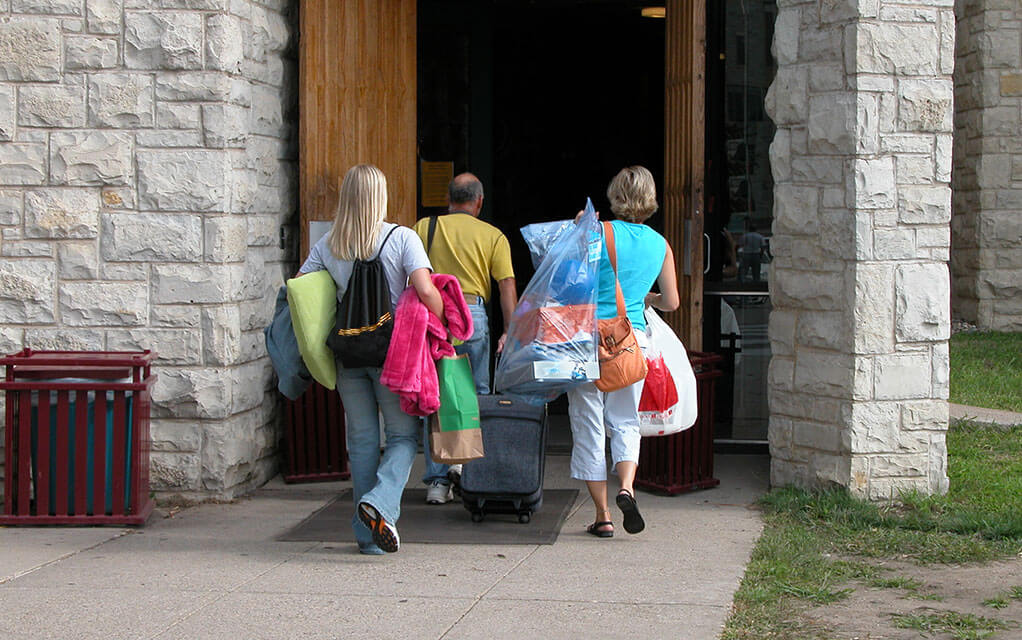
Use a simple checklist like this before leaving:
- Important documents : Student ID, driver’s license, admission papers, insurance card, medical records, banking details
- Class supplies : Laptop, chargers, notebooks, pens, planner, headphones
- First-day basics : Toiletries, towel, shower caddy, water, snacks, clean bedding
- Room setup : Hangers, cleaning supplies, power strip, laundry items
- Personal items for fun : TV, gaming setup, board games, tablets, books, sports equipment
Be realistic about what you can bring with you, but also bring however much you need to feel comfortable in your new living space to make your first year at college as successful as it can be!
Overpacking Unnecessary Items
Overpacking can make a small dorm room feel crowded before you even finish unloading. It also turns packing into a longer, more stressful job than it needs to be. Many students discover they need much less than they expected once they see the size of the room.
Instead of filling every bin, focus on what you will use each week. Group smaller items by purpose, keep clothes organized with hangers and trash bags, and leave space for things you may buy after arrival. This keeps your room more functional and your unpacking much faster.
Watch for these overpacking habits:
- Bringing too many seasonal clothes at once
- Packing duplicate toiletries and cleaning products
- Carrying large decor pieces that do not fit the room
- Loading too many “just in case” items you rarely use
A lighter load gives you more room to settle in comfortably and use your limited space wisely. You can always bring more things if you have room for them after your initial unpacking.
Forgetting to Plan for Daily Routines and Self-Care
Move-in day marks a significant transition, especially for college freshmen stepping into a new chapter of independence. While it might seem like the primary focus should be on unpacking and organizing your belongings, it's equally important to plan for the daily routines that will help you settle in smoothly.
Beyond bringing essentials like toiletries, laundry supplies, water, and snacks, think about what everyday items and habits will make your new space feel comfortable and functional. For example, setting up your bedding right away ensures you have a cozy place to rest after a long day. Preparing a small kit with chargers, medications, and an extra set of clothes can also save you the hassle of digging through boxes when you’re tired or overwhelmed.

Establishing simple routines early on can help reduce anxiety and create a sense of normalcy. Try to maintain basic self-care habits: get enough sleep by sticking to a bedtime routine, eat regular meals—even if it’s just easy-to-prepare snacks at first—and carve out time to decompress each day. Unpacking gradually rather than tackling everything at once makes the process less stressful; prioritize items you use daily before arranging decorations or storage bins.
It’s also helpful to familiarize yourself with your new environment. Take some time between tasks to walk around the building, locate communal spaces like laundry rooms or lounges, and introduce yourself to neighbors or roommates. Building these connections early can ease feelings of homesickness and help you find support during this period of adjustment.
Remember that move-in day is just the beginning—there’s no need to have everything perfectly organized right away. Give yourself grace as you adapt to your new surroundings. Focus on small steps that make your space livable and comforting while allowing time for rest and emotional adjustment. By balancing practical preparation with self-care, your transition into college life can be much smoother—and even enjoyable.
Let Zippy Shell Make Your Moving and Storage Needs Simple
Moving to college is an exciting yet daunting experience, especially for freshmen leaving home for the first time. By following the tips outlined in this guide, you can ensure a smoother transition into this new chapter of your life. And if you are requiring help moving your stuff to your new college home, whether it is local or long-distance, or you just want a convenient way to store your stuff over the summer break, Zippy Shell can help!
Our containers are tailor-made for those seeking an easier way to move and store their stuff. We start by bringing the container to your location and giving you however much time you need to pack. When done, we will pick up the container and transport it to your home or apartment, or keep it stored safely in one of our 90+ nationwide storage facilities for as long as you need. It is that simple.
Make the college moving experience easier today! Give Zippy Shell a call or get a free quote to find out more about how we can assist with your moving and storage needs!
Frequently Asked Questions About College Freshman First-Time Moving
What supplies are needed for moving into a college dorm?
When preparing for dorm life, having the right supplies can make your transition much smoother and help you feel more at home from day one. In addition to the basics like bedding, toiletries, a shower caddy, towels, hangers, laundry items, chargers, and school supplies such as notebooks and your laptop, there are several other useful items to consider bringing.
Storage solutions are essential in maximizing limited space—think under-bed bins, closet organizers, or stackable drawers. A small desk lamp with adjustable brightness is great for late-night study sessions without disturbing roommates. Power strips and surge protectors will ensure you have enough outlets for all your electronics.
Don’t forget comfort items like a favorite pillow or throw blanket; these can help your dorm feel cozier. Basic cleaning supplies—disinfectant wipes, paper towels, and a small vacuum or broom—will keep your room tidy and healthy. Command hooks or removable wall strips allow you to personalize your space with decorations without damaging walls.
For convenience, bring a reusable water bottle, coffee mug, and a set of basic dishware (like plates and utensils) for snacks or quick meals. A mini first-aid kit stocked with bandages, pain relievers, and any necessary medications will likely come in handy at some point.
Lastly, pack earplugs or noise-canceling headphones for studying or sleeping in noisy environments. Having these essentials on hand will help ensure that your dorm room is both functional and comfortable throughout the semester.
How can parents help with the college move-in process?
Parents play a crucial role in making move-in day as stress-free as possible for their college-bound students. Supporting the timeline means helping your child stay aware of important dates, such as when to start packing or when the dorms officially open, to avoid last-minute rushes. Reviewing and following the college’s packing list ensures that nothing essential is forgotten and helps prevent overpacking, which can add unnecessary stress.
Keeping important documents, like housing assignments, student IDs, and health forms, readily accessible is especially helpful during check-in. On move-in day itself, parents can assist by carrying boxes and organizing belongings but should let their student take the lead in setting up their space. Flexibility is key; sometimes things don’t go exactly as planned due to limited space or unexpected room layouts.
It’s best to focus first on getting the basics in place: setting up the bed, organizing toiletries, and ensuring any necessary electronics are working. Avoid micromanaging or rearranging items beyond what your student prefers; this helps them feel a sense of ownership over their new home. Most importantly, maintaining a calm and positive attitude sets a reassuring tone for everyone involved. Move-in day is an emotional milestone for both parents and their children. By providing support without taking over, parents can help foster independence and make the transition smoother for all.
What are the best ways to avoid stress on move-in day?
To lower move-in day stress, make a plan early, pack by category, and arrive as early as your timeline allows. Keep bedding, toiletries, and documents accessible. Once you reach the dorm room, clean first, make the bed, and unpack only what you need right away.
What are the essential items I should pack for my college move?
Your essential items should cover sleep, hygiene, school, and comfort. Pack bedding, towels, toiletries, chargers, school supplies, important documents, and a few personal items that help your dorm room feel familiar. A practical packing list matters more than bringing everything you own.
How can I make new friends when I arrive on campus?
Another effective way to build connections during your first year is to take advantage of resources provided by your college, such as peer mentorship programs and student support services. Attending workshops or seminars related to your interests can help you meet like-minded individuals and ease the transition into campus life. Don’t hesitate to introduce yourself to classmates, especially before or after lectures—sometimes, simply asking about an assignment or sharing notes can spark a new friendship.
If you live on campus, consider participating in floor meetings or group outings organized by residence staff. These activities are designed to help students interact and form bonds outside the classroom environment. It’s also beneficial to get involved with academic organizations connected to your major; they often host social events, study groups, and networking opportunities that can connect you with upperclassmen and faculty.
Remember, everyone is adjusting and looking for their place just like you are. Being proactive, approachable, and willing to try new things will make it easier to find people who share your interests and values. And most important of all: give yourself time. Building a sense of community doesn’t happen overnight, but consistent effort will lead to rewarding relationships throughout your college experience.
- Moving Tips (132)
- Home Organization (60)
- Fun Stuff (54)
- Home Maintenance Tips (48)
- Packing Tips (36)
- Storage Tips (35)
- Home Buying and Selling Tips (24)
- News Releases (24)
- Home Renovation Tips (16)
- Moving on a Budget (11)
- Portable Storage (11)
- Moving and Storage Tips (2)
- Household Moving (1)
- In the Community (1)
- Moving Company Comparisons (1)