How to Pack a Bedroom Like a Pro
March 07, 2025
Updated on April 9, 2026
Key Highlights for Packing Up a Bedroom
- Declutter before you pack: Get rid of anything you no longer need or use. This will save you time and money in the long run.
- Gather the right packing materials: This includes boxes, tape, markers, bubble wrap, and packing paper.
- Pack strategically and start early: Start with the items you use the least and work your way up to the essentials.
- Label everything clearly: Boxes that are clearly labeled with where they need to go and what they have are much easier to unpack later on.
- Protect your valuables: Wrap fragile items carefully and consider packing them separately.
Packing your home up for an upcoming move can feel overwhelming, especially when it comes to packing your bedroom. With big furniture and small, fragile items, figuring out how to start can be challenging. This guide will give you all the tips you need to pack your bedroom like a pro and take some of that moving stress off your shoulders.
Preparing to Pack Your Bedroom
First things first, before you take clothes off their hangers and take apart your bed frame, you need to prepare yourself and your bedroom. A bit of planning can really help the process go smoothly. Start by taking inventory of what you have.
Packing well begins with getting rid of things you no longer need and gathering all the packing supplies you need. These steps are very important for a neat and organized packing experience, so here are some top packing tips to consider. Let's look at them in more detail.
Decluttering Before Packing
Decluttering is an essential first step when packing any room, and your bedroom is no exception. Start by sorting through all your belongings, your clothes, shoes, books, decor, and personal items, and decide what you truly need to bring with you to your new home. This process is the perfect opportunity to pare down your possessions by donating gently used items to charity, selling things you no longer want online or at a garage sale, or simply discarding anything that’s broken or worn out.
To make the process more manageable, create three distinct piles: one for items you’ll keep, one for donations or sales, and one for trash. Be honest with yourself as you sort: ask whether you’ve used each item in the past year, whether it holds real sentimental value, or whether it serves a purpose in your daily life. Sentimental belongings can be tough to part with, so consider keeping only those that mean the most to you or taking photos of items before letting them go. Remember that keeping a few things that are meaningful to you is absolutely okay.

Decluttering before you pack not only makes moving easier but also ensures you start off in your new space without unnecessary clutter. Fewer boxes mean less time spent packing and unpacking, reduced moving costs, and a smoother transition into your new home. Plus, when everything you bring has a place and purpose, it’s much easier to get organized and feel settled quickly.
As an added tip: start decluttering early so you're not rushed right before moving day. Tackle small areas one at a time—like drawers or closets—to avoid feeling overwhelmed. By systematically going through your belongings ahead of time and following a packing schedule, you'll save yourself stress and set yourself up for a fresh start in your new bedroom.
Essential Packing Supplies You Will Need
Having the right packing supplies ready makes everything more organized and manageable. You should have enough boxes in different sizes for different items. For example, you need smaller, heavy-duty boxes for heavy items like books and bigger boxes for lighter things like pillows and blankets.
Here is a quick list of essential packing supplies for your bedroom:
- Boxes (small, medium, large, wardrobe): Use sturdy boxes in different sizes to store your belongings. Also, remember that there are differences in box construction. Single-layer cardboard is good for lighter items or miscellaneous goods. Double-layered, heavy-duty boxes are best for many heavier items, such as books and small appliances.
- Bubble wrap and packing paper: These are key for protecting fragile items like picture frames, mirrors, and lamps during your move. If you want to save some money here, you can use old towels or bedsheets to wrap items. They won't be as sturdy as bubble wrap, but they will be better than nothing.
- Mattress bag: This protects your mattress from dirt, dust, and moisture while transporting. Be sure to purchase one that has strong, dual layers. Cheap mattress bags can tear easily and cause issues when unpacking at your new home.
- Packing tape and markers: Strong tape is vital for sealing boxes well, and markers help you label them. Spring for a tape gun as well if you can. These can make the taping process much easier and quicker.
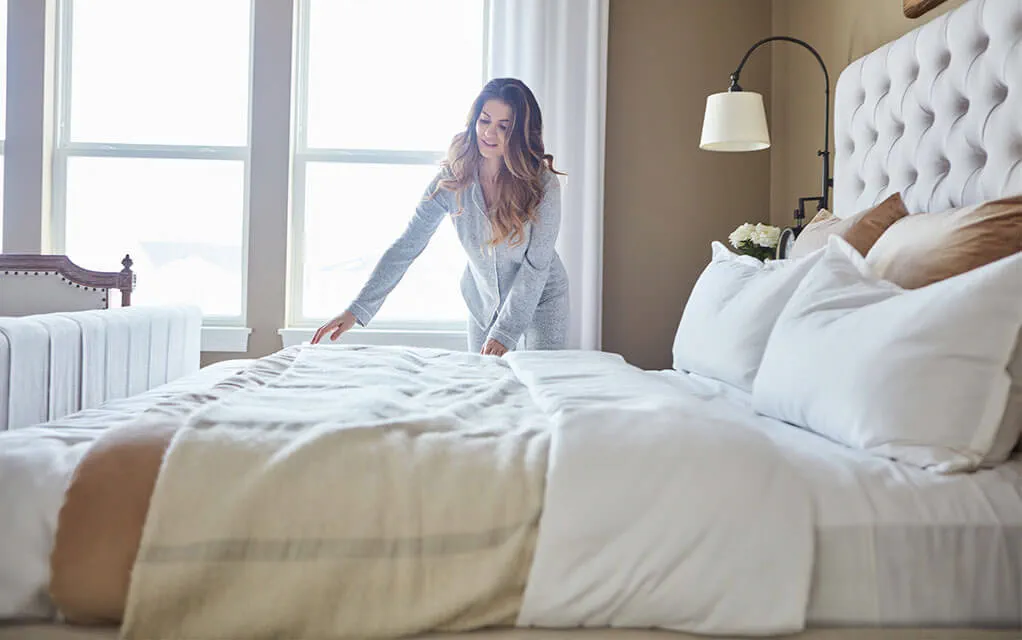
With these supplies, your packing will go much smoother and keep your stuff safer. You also won't have to rush at the last minute to find what you need if you start picking up these items in advance of your move.
Beginner's Guide to Packing a Bedroom
Now that you have cleaned up and gathered your moving and packing supplies, let's start the packing process. Keep in mind that a bit of organization early on can really help reduce stress and ensure everything gets to your new home safely and is easy to unpack.
It's important to break the process into small steps and incorporate a little strategy to pack a bedroom successfully. This will help you stay organized and keep the task from being too much to handle. Let's take a step-by-step look at the packing journey.
Understanding the Packing Process
Before starting with the steps, it's good for homeowners to understand the packing process as a whole. Think of your bedroom as many small packing tasks, beginning with the non-essential items. These are things you don’t use often or are seasonal in nature. Pack these things early, like books, decorations, and clothes for different seasons.
Make a packing guide or checklist for the stuff you pack. You can even consider making an inventory guide, numbering the boxes, or color-coding them so that you know exactly what is in each box. This will help you see your progress, ensure you have packed everything, and simplify unpacking. A moving checklist usually includes tasks like gathering supplies, packing specific areas like the dresser, and disassembling furniture.
Remember, packing is a long game, not a quick one. Breaking it into smaller steps will make it much easier to handle.
Equipment and Resources Required for Packing
Having the right equipment can make packing easier and keep your belongings safe during the move. You should use furniture pads or blankets to protect your furniture from scratches and dents. A wardrobe box is a big help when moving, hanging clothes without wrinkling them.
Pack your books in smaller but sturdier boxes. This makes them a bit easier to carry despite their overall weight. For any valuable or delicate books or objects, wrap them individually in packing paper or bubble wrap to keep them safe. Use a separate bag for essential items you'll need when you get to your new home.
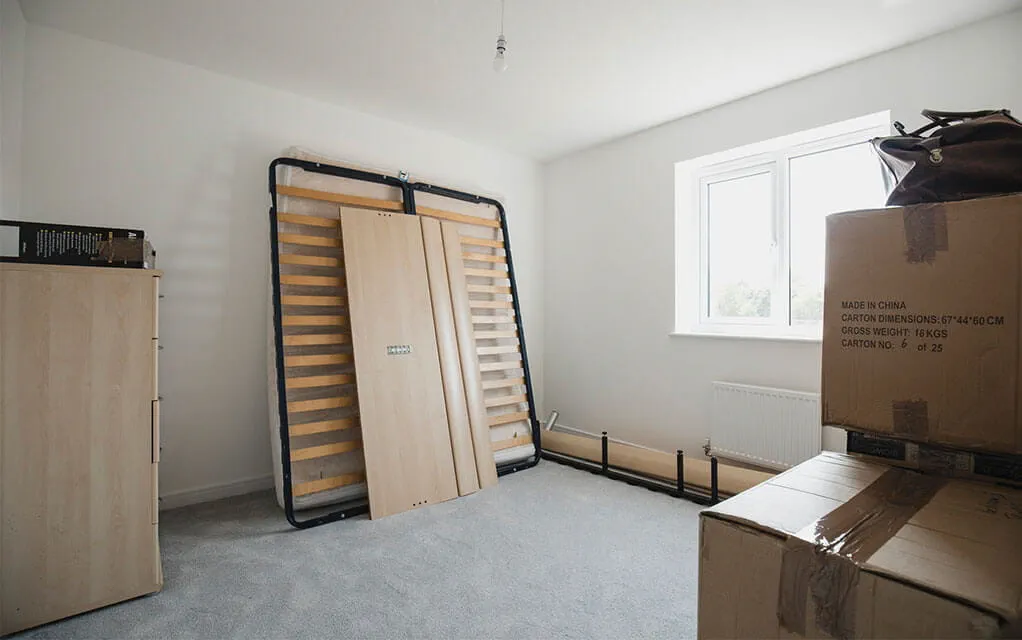
Getting the right tools can really help make packing up your bedroom simpler. So, take some time to gather these supplies ahead of time.
Step-by-Step Packing Guide
You can start packing your bedroom with a good plan and the right supplies. Take your time and focus on one area or task at a time. Doing it step by step makes it easier and keeps your belongings from getting mixed up.
Don't rush to finish everything in one day. Starting the process earlier allows you to take breaks when you need to, which helps immensely with easing the feeling of being overwhelmed.
Step 1: Sorting and Organizing Your Items
One of the first things to do when you pack your bedroom is to sort your personal belongings. Group items that will be packed together. For example, gather all your books, put similar clothes like t-shirts or pants together, and collect all your shoes.
While you pack, use this chance to clean up and organize your things, including essentials like your toothbrush. Fold your clothes neatly, untangle your jewelry, and put smaller items in small boxes or organizers inside larger ones. This way, when you unpack in your new home, everything will be organized and easy to find.
Keep in mind that a good packing process makes unpacking in your new home easier.
Step 2: Packing Your Clothes Efficiently
Packing clothes the right way helps save space and reduce wrinkles. If you have clothes hanging in the wardrobe, use wardrobe boxes. These boxes let you move your clothes straight from the closet without getting wrinkles. If you can't find wardrobe boxes, strong garbage bags work, too. Just make a hole in the bottom of the bag, pull the hangers through, and tie the bottom to keep the clothes together.
Fold your clothes and put them in medium-sized boxes. This keeps boxes from getting too heavy or unwieldy when packing them away. For oversized items like sweaters or jackets, using larger boxes or a wardrobe box is better. If you have delicate clothes, wrap them in tissue paper to keep them safe.
If you have the original boxes, pack your shoes in them. If not, wrap your shoes in packing paper to stop scuffs and keep them together. Place shoes at the bottom of the boxes to save space, and remember not to pack anything heavy on top of them.
Step 3: Safely Packing Fragile Items
Fragile items should be packed individually. Wrap each item in bubble wrap or packing paper. Make sure all sides are well protected, err on the side of caution, and use plenty of cushioning. Fill empty spaces in the boxes with crumpled packing paper or bubble wrap. This will stop the items from moving around and getting damaged during transport. Smaller and more delicate items, like jewelry, should go in small jewelry boxes or pouches before being packed away. You should also consider keeping expensive items, such as jewelry, with you at all times.
When packing glass mirrors or photo frames, add extra protection. Put a piece of cardboard on both sides to prevent scratches, and then wrap them in bubble wrap. Clearly label these boxes with "Fragile," so they are handled carefully during your move.
Always put heavier items at the bottom of the box and lighter items on top. This will stop heavier things from crushing lighter ones. Don’t hesitate to use extra padding. It's better to pack too much than to risk harming your valuable items.
Step 4: Disassembling Furniture for Easier Transport
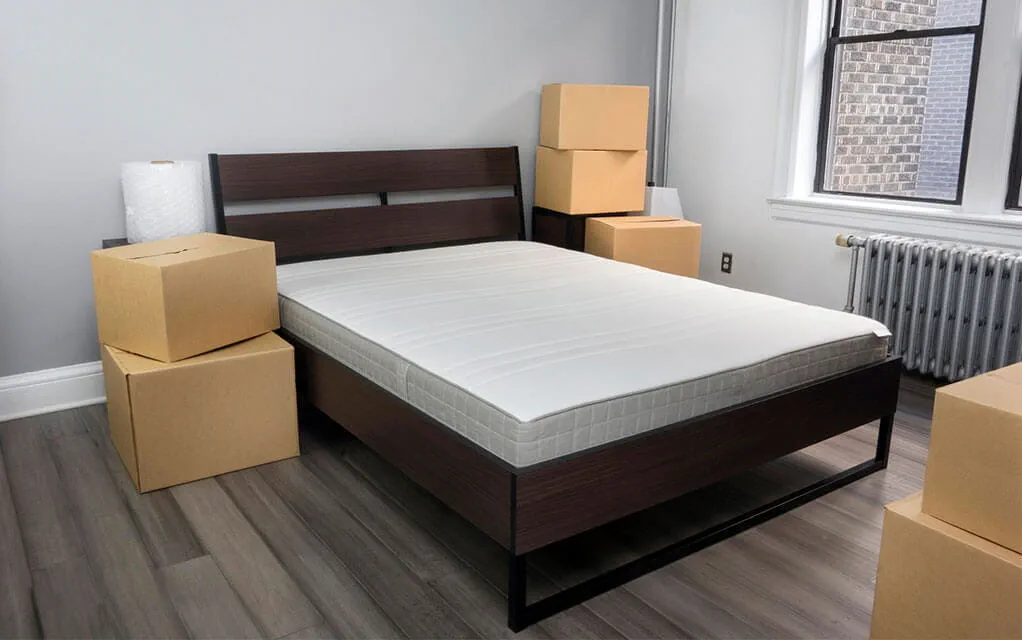
Disassemble larger bedroom furniture, such as the bed frame, and any shelves or parts that come off. This makes it easier to move. Use the right tools to take everything apart. Keep all screws, bolts, and small parts organized in labeled bags. You can tape these bags to the matching furniture pieces. This way, reassembling later will be easy.
Take out the drawers from heavy items, such as dressers, to make them easier to carry. Wrap furniture pieces, especially the corners and delicate surfaces, in furniture pads or blankets. This protects them from scratches and damage. Use packing tape to secure the padding so it stays in place during the move.
If you are using professional movers for your pack out, let them know about any heavy or oddly shaped items. They will be able to bring the tools needed to pack away your stuff safely.
Step 5: Labeling Boxes for Unpacking Ease
Labeling boxes correctly is essential for easy unpacking and settling into your new home. Write clear labels on each box to show what is inside and which room it belongs to. Make sure to write on the sides of the boxes instead of the top so you can see the labels, even when the boxes are stacked.
You can also use different colored markers for each room. For instance, blue should be used for the bedroom and green for the kitchen. This simple color system helps you find boxes faster, especially if you have much to unpack. You can also create a numbered inventory system that tracks what you have in each box.
Good labeling means you won't waste time searching through many boxes to find something in your new closet or bedroom. It also helps the movers know where to place each box, making unpacking easier.
Tips and Tricks for a Smooth Packing Experience
Packing well is very important for a smooth moving process. This is especially true for your bedroom since it is such a personal space. Avoid frustration and annoyance on your first night in your new place by using a few smart tricks to boost your packing efficiency.
Here are some tips to help you pack better and keep your belongings safe during the move.
Using Space Wisely in Boxes
Optimizing space is essential when you pack. Use smaller boxes for heavier items. This helps keep them manageable and easier to carry despite their weight. Fill any extra space in boxes with soft items like clothing, towels, or bedding. This stops items from shifting and protects more delicate belongings during the move.
Use vacuum bags for oversized items such as comforters, pillows, and bulky sweaters, if possible. These bags remove air, make items smaller, saving space, and keep them safe from odors or damage during the move. You can then stack these items more efficiently in boxes, allowing you to pack more and save space.
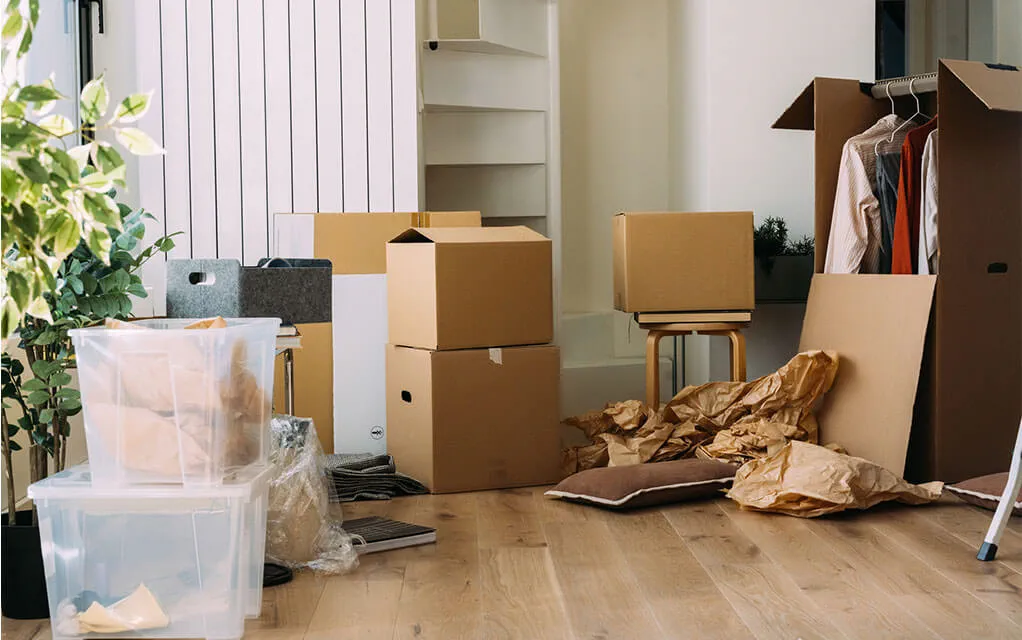
If you opt to use a portable moving container, be sure to distribute the weight evenly across the container floor. If you pack too many heavy items in one spot, it can cause the container to shift or sway in transit, which can damage your belongings or our moving solution.
Using all the space in your cardboard boxes will reduce the number of boxes you need to pack your stuff, so you have to pack less overall. It also keeps your belongings safe during the move.
Protecting Valuables During the Move
Be very careful when packing your jewelry box, especially if it contains expensive jewelry. Use bubble wrap to make separate spaces inside the jewelry box. This will stop necklaces and earrings from getting tangled. Then, put the jewelry box into a strong box. Fill any open spaces with packing peanuts or more bubble wrap.
Try to use the original packaging for other valuable items, like electronics or artwork, if you can. The original packaging is made to keep the item safe, which is usually the best way to protect it. If you don't have the original packaging, wrap the items well in bubble wrap and packing paper before putting them in strong boxes.
Be careful when labeling boxes with valuables, as you don't want to make it well known that your important documents and expensive items are all in one place. That is why we suggest you keep items like jewelry and other small, high-value items with you at all times during your move. Doing this reduces the chances of anything happening to your irreplaceable or expensive stuff.
Get more tips on how to move your high-value items safely in our other blog!
Let Zippy Shell Make Your Next Move Simpler
If you are looking for a moving and storage partner that brings the solution to you, then you have come to the right place! Zippy Shell has been helping customers make successful, stress-free moves for nearly 20 years. We excel in providing affordable moving and storage solutions in the form of portable storage containers that are brought out to your location.
Here's how it works: you select your preferred delivery date, and we will bring a container to your doorstep. You can either pack it at your own pace or have a trusted crew of professional laborers come and load your stuff for you. When done, we will deliver your container to your new home. Or, if you aren't quite ready yet, we can store your stuff in one of our local, secure warehouse storage facilities for the short- or long-term until you need it again. No driving, hassles, or stress - it is that simple!
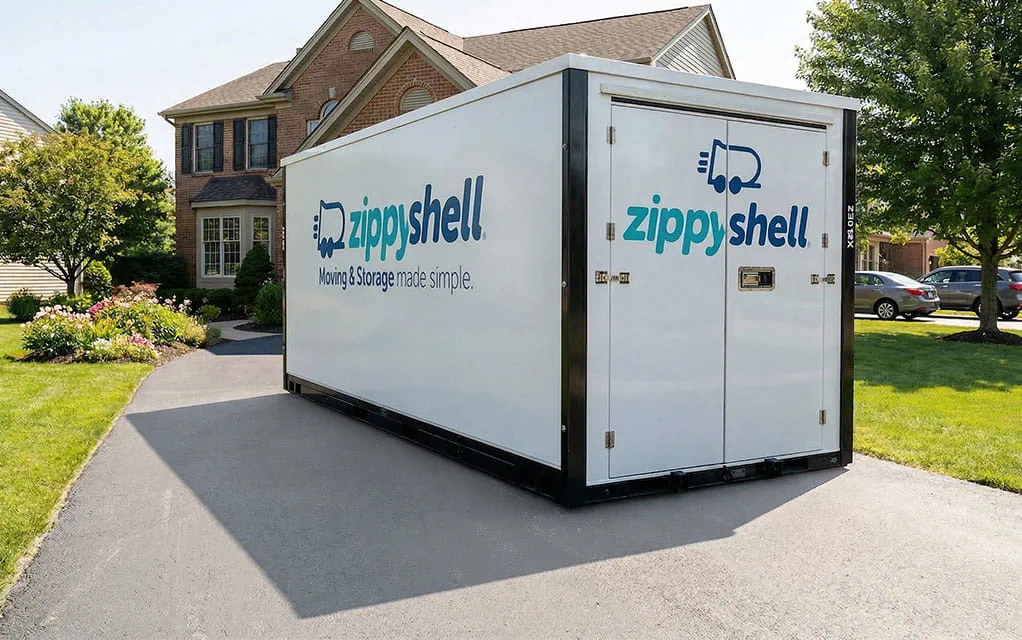
We specialize in local, long-distance, cross-country, and full-service moves, and we provide storage options so you don't have to drive back and forth to a storage area multiple times. We make moving and storage simple so you don't have to stress. Call us today or go online for a free quote and see how simple we can make your moving and storage needs!
Frequently Asked Questions About Packing Bedrooms for a Move
What's the Best Way to Pack Shoes and Accessories?
Store your shoes in their original boxes if you still have them. If not, use packing paper to wrap each shoe separately. Put them in compartments inside a bigger box to keep them neat. For your necklaces and earrings, use a jewelry box designed specifically for them. This will help prevent them from getting tangled. Be sure to keep the box with you at all times to avoid loss or damage.
Are there any specific packing materials recommended for a bedroom?
A mattress bag is vital to keep your mattress safe. Use tissue paper to wrap fragile items such as accessories or decor. If you need to move hanging clothes, a wardrobe box works best; if you have time, you can fold and pack your clothes. Furniture pads can protect your furniture from scratches during moves. However, old towels or bedding can work as well.
How can you declutter and organize a bedroom before packing?
Before you begin packing your bedroom, it’s essential to lay a strong foundation by decluttering and organizing your belongings. Start by sorting items into three main categories: keep, donate, and discard. Carefully evaluate each item—clothes, books, decor, and personal keepsakes—putting those designated for discard into trash bags to decide what truly needs to make the move with you. This is a great opportunity to let go of things you no longer use or need, which can help lighten your load and reduce moving costs.
Once you’ve pared down your possessions, use storage solutions like clear bins, boxes with lids, and zippered bags for smaller items. Label each container clearly with its contents and the room it belongs in; this will save time when unpacking at your new home. Consider grouping similar items together (for example: all out-of-season clothing in one bin or all bedside essentials in another) for added efficiency.
Take extra care when packing fragile items such as jewelry or electronics. Wrap valuables in soft materials like bubble wrap or towels to prevent damage during transit. For clothes on hangers, you might use wardrobe boxes or garment bags to keep them wrinkle-free and organized.
By thoroughly decluttering before you pack, you’ll not only make the moving process more efficient and give yourself a head start, but also create a clutter-free environment that feels lighter and more manageable. This approach ensures that when you settle into your new space, everything has its place—and only the things that truly matter come along for the ride.
Are there any special considerations for packing fragile items in a bedroom?
When packing delicate items such as glass mirrors, artwork, or other breakables, it's essential to use both bubble wrap and packing paper to provide proper protection. Start by individually wrapping each item in a layer of packing paper to prevent scratches. Then add several layers of bubble wrap around the item to provide shock absorption during transport. Secure the wrapping in place with packing tape.
Inside your moving boxes, and your moving truck, create a cushioned base using crumpled packing paper or foam peanuts before placing your wrapped items inside. Arrange the items so there is minimal movement within the box—fill any gaps with additional paper or padding to keep everything snug. For mirrors or large frames, consider using specially designed mirror boxes for extra security.
Be sure to clearly label every box containing fragile items as "Fragile" on multiple sides and indicate which side should face up. This will alert movers or anyone assisting you to handle these boxes with extra care. If you have particularly valuable or sentimental pieces—such as original artwork, antiques, or rare collectibles—it's wise to seek professional advice. Contacting a local art dealer, framer, or museum can connect you with experts familiar with best practices for safely transporting priceless items. They may offer recommendations on specific materials, such as acid-free tissue paper for art or custom crates for unusually shaped pieces.
Before your move, consider obtaining insurance coverage for high-value items to give yourself peace of mind in case of accidents. Taking these steps will help ensure your fragile belongings arrive at their new destination intact.
How do you decide what to keep and what to pack away when moving?
When deciding what to keep and what to pack away, evaluate each item's usefulness and sentimental value. Consider whether you’ve used it in the past year. If not, it’s likely time to let go. Prioritize essentials and cherished items to streamline your move and reduce clutter effectively.
- Moving Tips (132)
- Home Organization (60)
- Fun Stuff (54)
- Home Maintenance Tips (48)
- Packing Tips (36)
- Storage Tips (35)
- Home Buying and Selling Tips (24)
- News Releases (24)
- Home Renovation Tips (16)
- Moving on a Budget (11)
- Portable Storage (11)
- Moving and Storage Tips (2)
- Household Moving (1)
- In the Community (1)
- Moving Company Comparisons (1)