The Homeowners' Fall Home Maintenance Checklist
October 02, 2026
Key Highlights for Your Fall Home Maintenance
- A solid fall maintenance checklist helps you handle key home maintenance tasks before cold weather arrives.
- Cleaning gutters and checking downspouts can lower the risk of water damage, ice dams, and foundation issues.
- Sealing drafts around windows and doors can cut heat loss and help control heating bills.
- Servicing your heating system early helps avoid breakdowns during winter.
- Testing safety devices and preparing outdoor areas protects your home and family.
- Simple steps work well for both first-time and experienced homeowners.
Fall home maintenance matters because small issues can become bigger problems once winter weather sets in. A loose shingle, clogged gutter, or drafty door may not seem urgent now, but snow, ice, and cold air can make each one worse. Taking care of your home in fall helps you stay warmer, safer, and better prepared for the season ahead. It also helps you avoid last-minute stress, surprise repairs, and higher utility costs.
The Homeowners' Fall Home Maintenance Checklist
A practical fall maintenance checklist focuses on the areas most likely to cause trouble in winter. That means your roof, gutters, windows, doors, heating equipment, and outdoor plumbing all deserve attention before freezing temperatures arrive.
You do not need to overcomplicate these home maintenance tasks. Start with water protection, move to energy-saving updates, then cover heating and safety checks. Finish by getting your yard and outdoor items ready for the season. The checklist below gives you a simple path to follow.
1. Clean gutters and downspouts to prevent water damage
Proper fall maintenance is crucial in protecting your home from costly damage, especially as colder weather approaches. One of the most effective steps you can take is to thoroughly clean your gutters after most leaves have fallen. Clogged gutters and downspouts can prevent rainwater from flowing safely away from your roof and foundation, leading to many different problems.
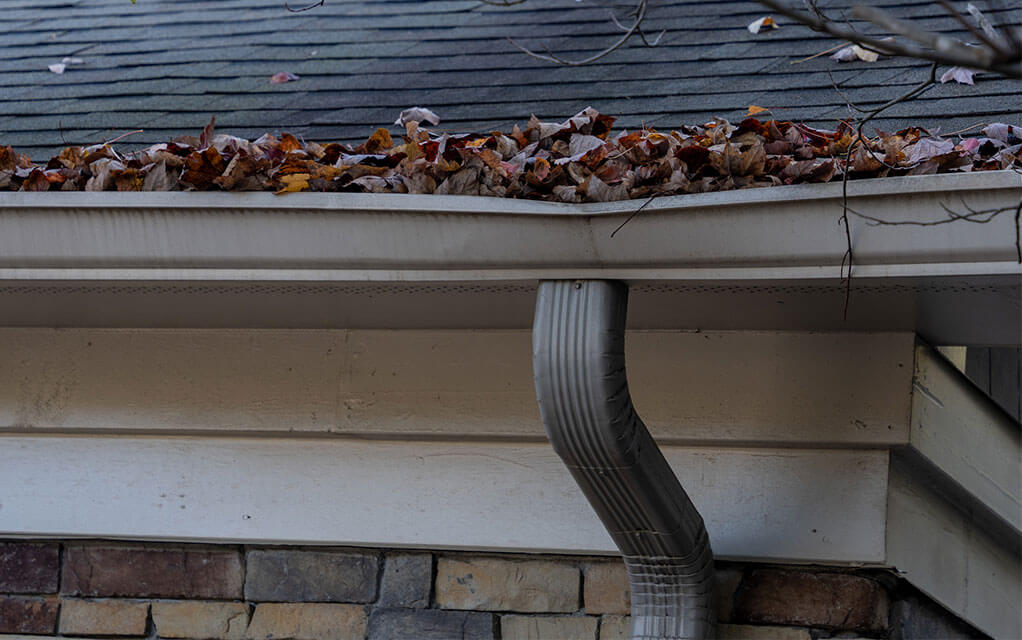
When leaves, twigs, or other debris block gutters, water can overflow and seep into places it shouldn’t, like your basement or crawlspaces, potentially causing structural damage or mold growth. Overflowing water may also pool around walkways and driveways, increasing the risk of slipping hazards when temperatures drop and the water freezes. Additionally, improper drainage along your roofline can contribute to ice dam formation. These ice dams occur when trapped water freezes at the edge of your roof, preventing melting snow from draining properly. This can lead to leaks inside your home and costly roof repairs.
To prevent these issues, inspect and clean gutters once most leaves have fallen in autumn. Use gloves and a sturdy ladder to remove debris by hand or with specialized tools. After cleaning gutters, check all downspouts to ensure they are clear and direct water well away from the foundation, at least five feet if possible, to reduce the risk of basement flooding.
Also examine areas where runoff exits: make sure water isn’t spilling onto walkways or driveways where it could freeze overnight. If necessary, add extenders or splash blocks to redirect water further away from high-traffic areas.
Fall gutter maintenance is a simple yet critical step for homeowners, supporting proper drainage throughout the winter months and helping you avoid potentially hazardous situations and expensive repairs down the road. Regular attention now pays off later by keeping your property safe and dry as seasons change.
2. Inspect and repair the roof for missing shingles or leaks
Your roof should be near the top of your fall list. It takes the brunt of winter storms, so this is a smart time to look for missing shingles, cracked areas, and weak spots that could allow moisture in. Even a small leaky roof can become a major issue under snow and ice.
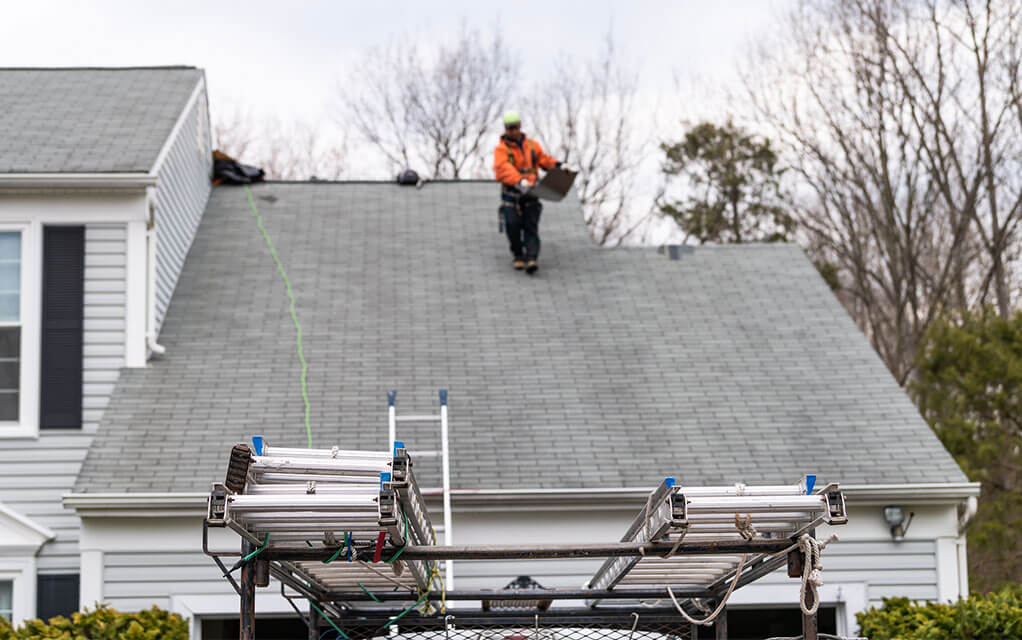
Pay close attention to flashing around skylights, vent pipes, and chimneys. These areas often let in water first. If you spot curling, buckling, or cracking shingles, repair them early to reduce the chance of water damage and expensive repairs later.
- Look for missing shingles and cracked flashing.
- Check around chimneys, pipes, and skylights for gaps.
- Hire a licensed professional if the roof has broad or hard-to-see damage.
3. Seal windows and doors to improve energy efficiency
Sealing windows and doors is one of the most cost-effective ways to boost your home's energy efficiency. Even minor drafts can have a big impact, letting cold air seep in and warm air leak out, forcing your heating system to work harder and increasing energy bills. By identifying and sealing these drafty areas, you can make your living spaces more comfortable while saving money.
Start by inspecting window frames, sills, and door edges for signs of leaks or worn seals. If you notice any gaps or feel cool air coming through, it's likely time for some maintenance. Replacing old weatherstripping is straightforward, as most products come with easy instructions and require only basic tools like scissors and a screwdriver. For doors that let in drafts at the bottom, installing a door sweep provides an instant barrier against outside air.
Window insulation kits are another practical solution, especially for older windows. These kits typically include clear plastic film that you apply over the glass with adhesive tape; once installed, they create an extra layer that helps trap heat inside. Fabric draft stoppers are also effective, as they simply sit along the base of doors or windows to block unwanted airflow. Temporary caulk is useful for sealing cracks during colder months; you can easily remove it when the weather warms up.
Beyond improving comfort and reducing heating costs, these measures can also prolong the life of your HVAC system by minimizing its workload. If you're willing to invest a bit more effort or money, consider upgrading to double-pane windows or insulated exterior doors for even greater savings and performance.
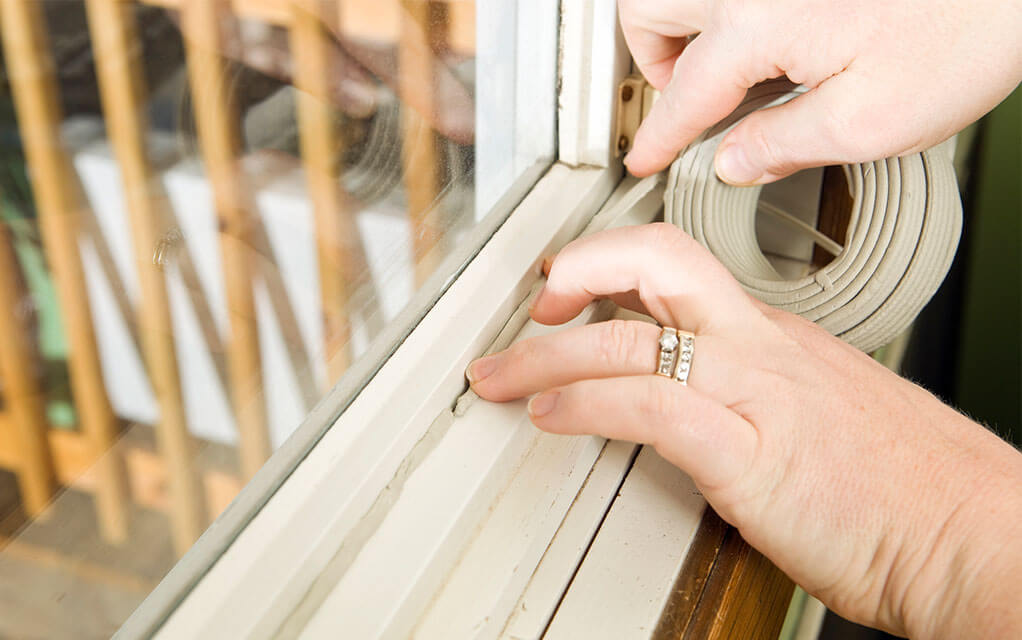
Check seals regularly before each cold season to keep your home efficient year-round. Ultimately, these small projects add up to noticeable improvements in both comfort and cost—making them smart choices for homeowners looking for easy energy-saving wins.
4. Test smoke and carbon monoxide detectors
Indoor fall maintenance should always include safety checks. As furnaces, fireplaces, and other fuel-burning equipment are used more often, now is the right time to test smoke and carbon monoxide detectors throughout your home. These devices play a big role in keeping your family safe.
Press the test button on each unit and replace batteries if needed. If a detector is outdated or not working properly, replace it before the busy heating season begins. Waiting until an emergency happens is never worth the risk, and it could lead to a life-threatening event.
It is also a good time to review your home fire safety plan. Check your fire extinguishers and make sure everyone in your household knows the evacuation plan. A few minutes of planning and preparation now can make your home much safer this winter.
5. Winterize outdoor faucets and drain garden hoses
Frozen plumbing can cause some of the most frustrating and expensive seasonal damage. To reduce that risk, winterize outdoor faucets in the fall before hard freezes begin. This is one of the simplest ways to protect your home from leaks and burst pipes.
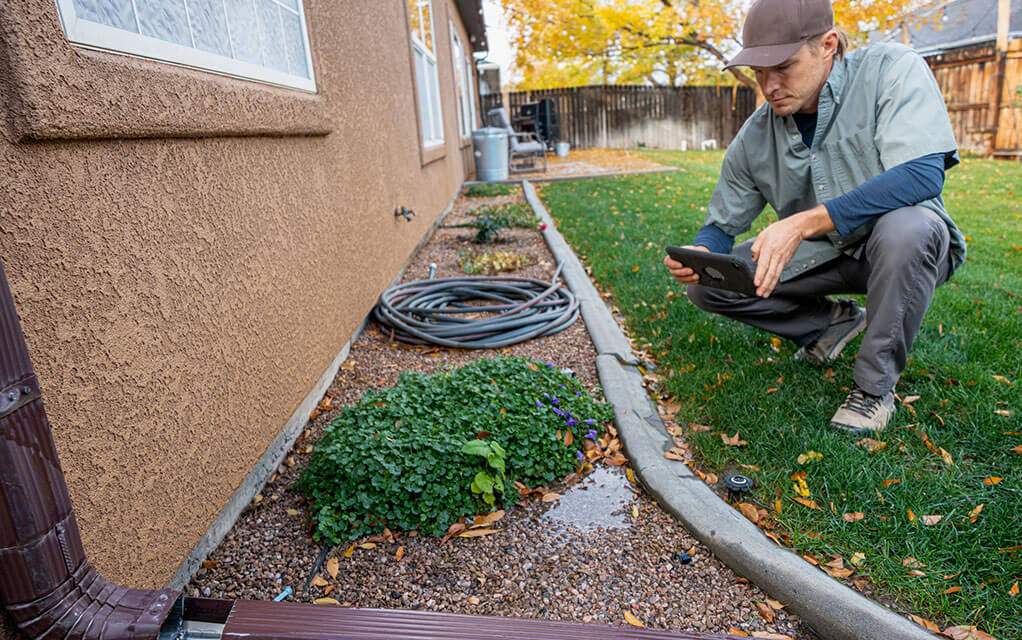
Start by disconnecting and draining all garden hoses. If your home has an indoor shutoff for exterior lines, turn off the water supply to those faucets. Then open the outdoor faucets to drain any remaining water. Water left inside can freeze, expand, and crack fittings or pipes.
If you have a sprinkler system, winter weather prep should include draining and winterizing it before the first hard freeze. These small steps help you avoid water damage that often shows up at the worst possible time.
6. Clean and inspect your fireplace and chimney
Before lighting your fireplace for the winter season, a thorough inspection is essential for safety and optimal performance. Over time, chimneys can accumulate creosote, a highly flammable residue from wood combustion, which poses a significant fire hazard if left unchecked. Scheduling a professional chimney cleaning in the fall not only removes this dangerous buildup but also allows an expert to check for blockages, cracks, or structural issues that could compromise your home’s safety.
In addition to creosote removal, it’s important to verify that the damper opens and closes properly. A faulty damper can affect airflow, making fires harder to start or maintain, and may even allow smoke or carbon monoxide into your living space. Inspect the firebox for signs of wear, such as crumbling bricks or mortar, and check the chimney cap for rust or damage, as both are crucial for preventing moisture intrusion and keeping out animals or debris.
Another key aspect of safe fireplace operation is choosing the right firewood. Seasoned hardwood dried for at least six months burns cleaner and produces less smoke and creosote than freshly cut wood. Store your firewood off the ground, covered, and away from your house to prevent pests and moisture from spoiling your supply.
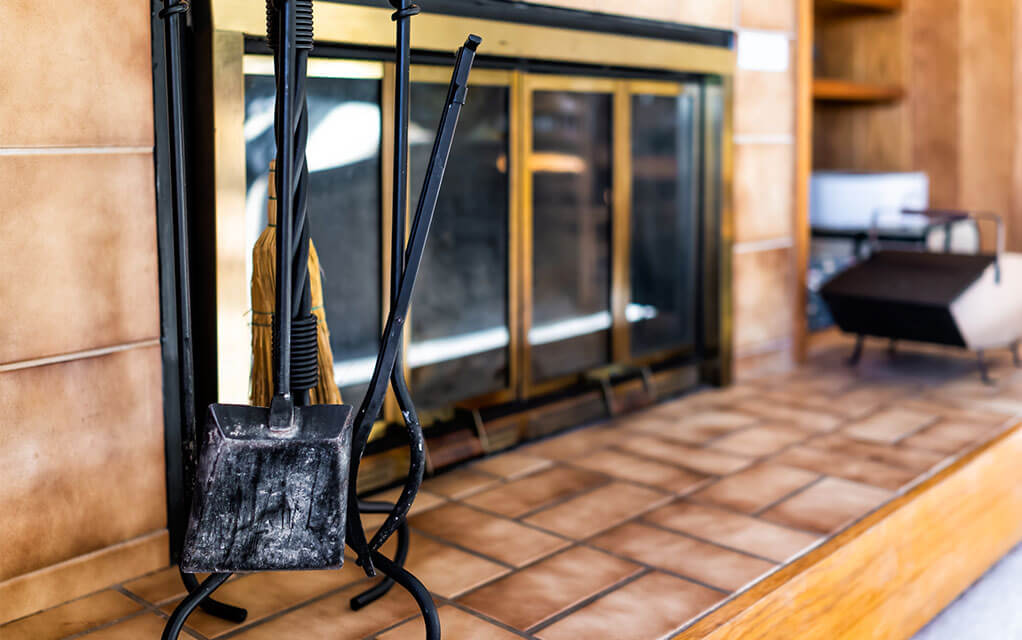
If you haven’t had your fireplace inspected recently, or if you notice unusual odors, smoke issues, or visible damage, contact a certified chimney professional before use. Regular maintenance prolongs the life of your fireplace system and ensures you can enjoy warm, cozy fires with peace of mind throughout the colder months.
If you have a gas fireplace, test it before the weather gets cold. If you have trouble igniting the logs, keeping the pilot light on, or you smell too much propane, have a professional come out and do a thorough cleaning of your setup.
7. Rake leaves and clear debris from your yard
Raking leaves is more than a cosmetic task. Wet leaves can block sunlight from reaching your lawn, trap moisture, and create slick surfaces on patios, walkways, and driveways. During the winter months, that buildup can become a bigger safety issue.
Clear debris regularly instead of waiting until all the leaves have dropped. Smaller sessions are easier on your back and make disposal simpler. Good cleanup habits also support proper drainage around your property, which helps reduce standing water and icy patches later.
While you are outside, look over your yard equipment and other outdoor items. Fall is a good time to prepare them for storage, check for wear, and follow local rules for leaf disposal. Wear sturdy shoes and use safe lifting techniques while you work.
8. Store patio furniture, grills, and garden equipment
Once your yard is cleaned up, protect the things you want to keep in good shape. Moisture, freezing temperatures, and winter storms can wear down furniture, grills, and garden tools much faster when they are left exposed. Clean them before storing them so dirt and moisture don't sit on surfaces all season.
You can store patio furniture in a garage, shed, or other storage area. Some homeowners also use portable storage containers for short-term on-site storage when indoor space is tight. The main goal is to keep outdoor equipment dry, protected, and easy to access when you need it.
- Clean, cover, or store patio furniture.
- Put away grills, lawn mower tools, and seasonal outdoor items.
- Keep snow shovels within reach after the first storm.
- Securely store any propane tanks you have for outdoor fire pits, grills, etc.
- Clean out flower pots and remove old soil to prevent damage.
9. Check attic insulation and ventilation
Your attic plays a crucial role in maintaining your home's comfort and managing energy consumption, especially during the colder months. Poor attic insulation means warm air escapes more easily, increasing heat loss and forcing your heating system to work overtime. This not only makes it harder to keep your home consistently warm but also raises your energy bills. If you notice certain rooms are chillier than others, it’s often a sign that your attic insulation needs attention.
Ventilation is equally important in ensuring your attic functions properly. A well-ventilated attic helps regulate moisture and temperature, preventing problems like excessive heat buildup or dampness that can lead to mold growth or structural damage. Proper ventilation also helps preserve insulation effectiveness, since trapped moisture can reduce its performance over time.
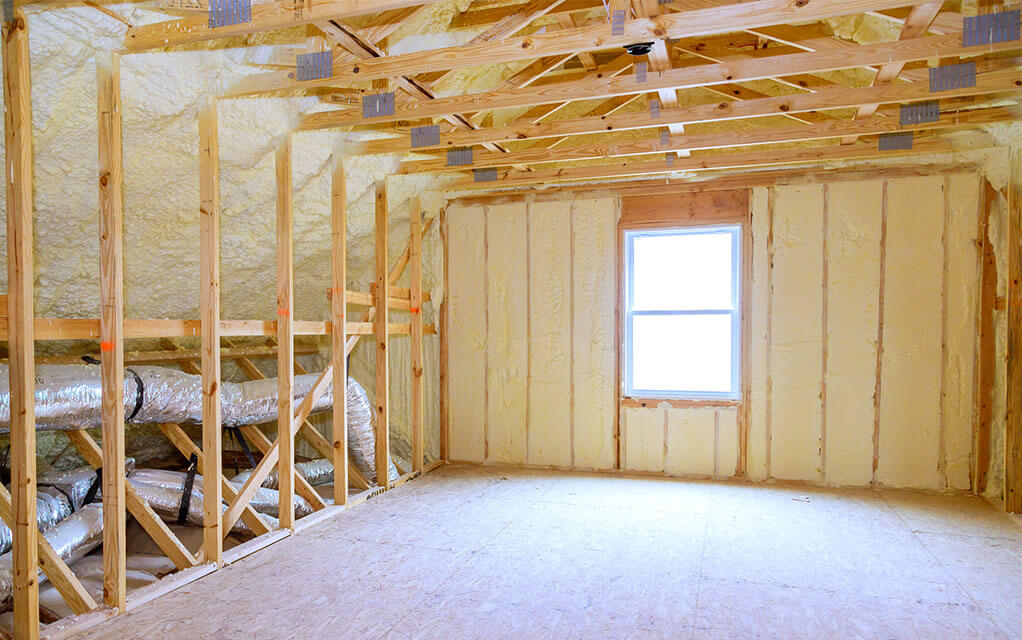
When inspecting your attic, don’t overlook any heating ducts that run through this space. Leaks or poor insulation around these ducts can cause heated air to dissipate before it reaches your living areas, further impacting comfort and efficiency. Sealing ductwork and adding insulation where needed ensures that more warmth reaches the rooms where you need it most.
By improving insulation and ventilation in your attic and addressing issues with nearby heating ducts, you can significantly enhance comfort throughout your home. These upgrades not only lower heating costs but also extend your HVAC system's life by reducing unnecessary strain. Investing time and resources here is a smart strategy for homeowners seeking better energy efficiency and long-term savings.
10. Examine walkways and driveways for cracks or hazards
Outdoor surfaces deserve attention before winter weather makes them more dangerous. Check walkways, stairs, and driveways for cracks, uneven spots, and loose railings. What feels like a minor issue in dry fall weather can become a real safety problem once ice and snow arrive.
Cracks also let water seep in. When that water freezes and expands, the damage often gets worse. Fixing these areas early is usually easier and less expensive than waiting until spring, when the surface may be more broken apart.
This step can also help limit larger problems around the home. Water moving through damaged surfaces may contribute to drainage issues and even foundation damage over time. A simple inspection now can prevent hazards and bigger repair bills later.
11. Have your HVAC system maintenance completed
Before the heating season starts, give your heating system attention. An HVAC tune-up can confirm your equipment is working properly and producing enough heat, and it involves much more than simply replacing an air filter. Scheduling routine maintenance before the heating season begins is essential to optimize your system’s performance, identify worn or faulty components, and ensure the unit operates safely. This proactive approach can help prevent unexpected breakdowns during the colder months when your heating system is working hardest.
After a professional technician services your HVAC system, take a few extra steps inside your home. Inspect all vents and heating ducts—over the warmer months, dust, pet hair, and other debris can accumulate and restrict airflow. Clean registers thoroughly and vacuum around them as needed. Make sure furniture, drapes, or rugs aren't blocking any vents; blocked airflow can cause uneven heating and force your system to work harder, increasing energy use and wear.
Throughout the heating season, check and replace air filters regularly as needed. A clean filter improves air quality by trapping particles like dust and pollen and promotes efficient airflow through the system. Neglecting filters can reduce efficiency, increase utility bills, and even damage internal components from overheating.
Also, check for signs of leaks or corrosion in ductwork, especially if your home uses older metal ducts. Sealing leaks with appropriate materials ensures that warm air reaches every room efficiently without escaping into unused spaces like attics or basements.
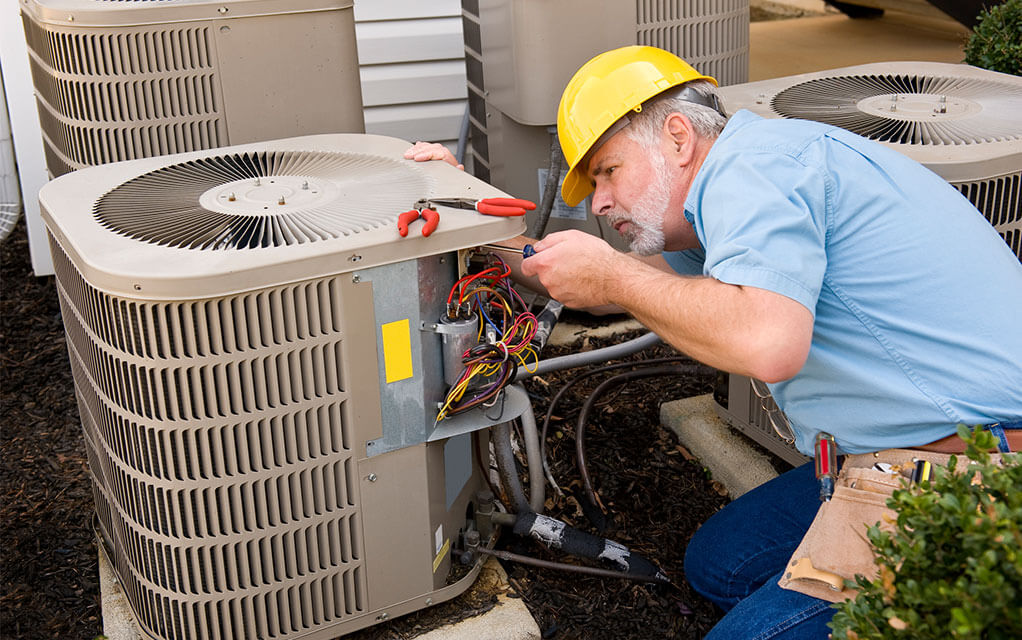
Don’t forget to test your thermostat by setting it to different temperatures and observing how quickly your system responds. If you notice delays or inconsistencies in room temperature, this could indicate a need for calibration or replacement.
Finally, listen for unusual noises such as rattling or whistling when your furnace is running. These sounds may signal loose parts or issues with the blower motor that require professional attention.
12. Get the tools and items you need for the upcoming winter season now
If you are a first-time homeowner, preparing for fall is crucial to ensure your home is ready for the colder months ahead. One of the best tips is to avoid waiting until the first storm hits to gather necessary supplies and check equipment. Early fall offers an ideal window to organize tools, replace worn-out items, and test essential gear.
Begin with practical items you'll likely need in a hurry once winter weather arrives. Make sure your snow blower starts up and runs smoothly; test it now so you're not scrambling during the first snowfall. Check fire extinguishers to confirm they're fully charged, properly stored, and easy to access in an emergency. Stock up on fresh batteries for flashlights and keep them in known locations around your home for easy access during power outages. Be sure you have what you need to de-ice your vehicles and walking paths around your home and driveway.
If you own an emergency generator, test it and review safety guidelines. Remember: never run a generator indoors or in any enclosed space due to carbon monoxide risks. Set up a dedicated spot near an entrance for snow shovels, ice melt, winter gloves, and other cold-weather gear so everything is within reach when you need it.
Beyond these essentials, consider additional fall maintenance tasks such as inspecting windows and doors for drafts, cleaning gutters to prevent ice dams, checking your furnace or heating system for proper function, and having your chimney inspected if you use a fireplace. These steps help ensure you’re not only prepared for sudden storms but also maintaining a safe, comfortable home throughout the winter season.
Let Zippy Shell Help Handle Your Moving and Storage Needs
As fall approaches, proactive home maintenance can save you time and money in the long run. If you are looking to move to a warmer area to avoid the fall and winter chill, Zippy Shell can help! Whether you are moving to a different part of the country, moving around your local area, or just need to store some stuff for a bit, we have you covered!
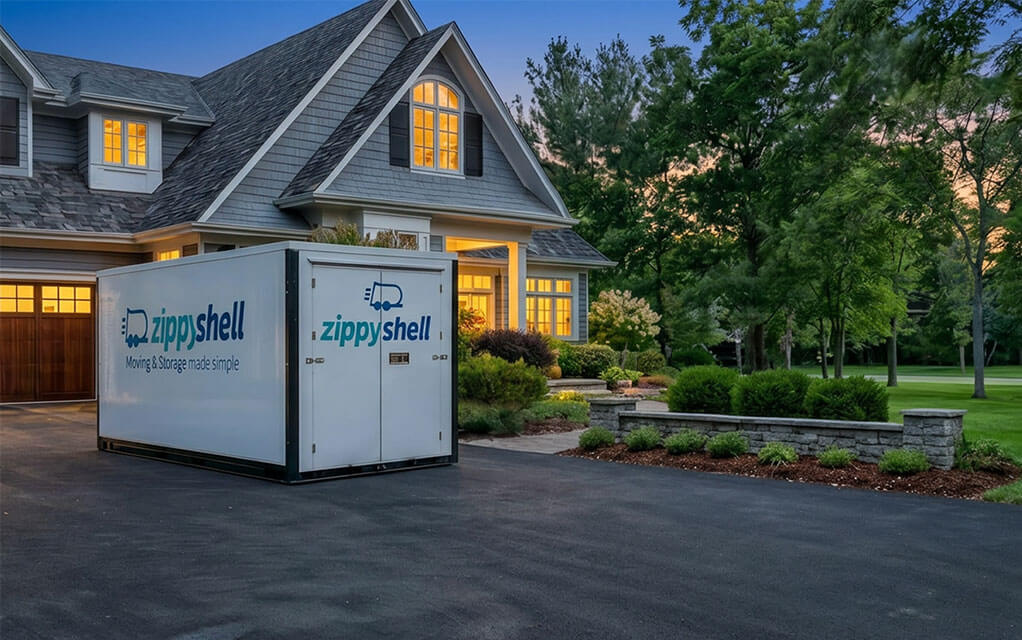
Here is how it works: you select your preferred delivery date, and we will deliver a portable storage container to your location. When you are done packing at your pace, we will come out, pick up your container, and deliver it to your new home or store it in one of our 90+ secure warehouse locations nationwide. If you need help loading and unloading your stuff, we can recommend third-party professional labor services to support your moving and storage needs. It is that simple.
Give us a call or go online to get a free quote today before it gets too cold in the winter to schedule your portable storage container delivery!
Frequently Asked Questions About Typical Fall Home Maintenance
What are the most important fall home maintenance tips for new homeowners?
Start with the basics: clean gutters, inspect the roof, test smoke and carbon monoxide detectors, winterize outdoor faucets, and service the heating system. These fall maintenance tasks are among the most useful for staying ready for winter weather and keeping your family safe.
How can fall home maintenance help prevent costly winter repairs?
Fall maintenance is a proactive approach to safeguarding your home before winter arrives. By addressing potential issues early, you can save time and money and prevent bigger problems as temperatures drop.
Cleaning gutters is a key task because clogged gutters can overflow, damaging your roof and foundation. Removing leaves and debris ensures that water flows freely away from your home. Sealing drafts around windows and doors not only keeps your house warmer but also improves energy efficiency by preventing heat loss, which can lower your heating bills.
Draining outdoor plumbing, such as garden hoses, sprinkler systems, and exterior faucets, prevents pipes from freezing and bursting when the weather gets colder. Frozen pipes are expensive to repair and can lead to water damage inside your home. Repairing a leaky roof before winter ensures melting snow or heavy rain won’t seep through cracks or holes, which could cause mold growth or structural deterioration.
Other important fall maintenance tasks include checking insulation in attics and basements, inspecting the furnace or heating system for proper function, replacing filters for improved air quality, and trimming tree branches away from the house to avoid storm damage.
These steps help ensure your home is ready for winter’s challenges. It’s much easier (and less costly) to fix minor issues now than to deal with emergencies during harsh weather conditions. Ultimately, fall maintenance protects your investment and provides peace of mind as the season changes.
Are there simple energy-saving tasks I can add to my fall home maintenance checklist?
There are several simple and effective steps you can take to save energy in your home, which may help lower your heating bills:
- Replace worn weatherstripping: Weatherstripping around doors and windows can deteriorate over time, allowing cold air to seep in. Replacing it helps keep warm air inside and reduces drafts.
- Add caulk where needed: Inspect the edges of windows, doors, and any gaps in your home's exterior. Applying caulk seals cracks and prevents heat loss.
- Use insulation kits on drafty windows: Window insulation film or kits create an extra barrier against cold air, especially in winter.
- Seal air leaks: Check for leaks around pipes, electrical outlets, and vents. Sealing these with foam or caulk will further prevent heat from escaping.
- Check attic insulation: Proper attic insulation is crucial for maintaining indoor temperature. If your attic lacks sufficient insulation, adding more can significantly improve energy efficiency.
- Clean and open heating ducts and vents: Dust and debris can block airflow in heating ducts and vents, causing your heating system to work harder than necessary. Cleaning them ensures optimal performance.
You might also consider installing programmable thermostats to better control heating schedules, using heavy curtains to reduce heat loss through windows at night, and regularly servicing your furnace or boiler to ensure it runs efficiently.
By taking these easy steps, you'll not only make your home more comfortable during colder months but also save on your energy bills throughout the season.
Are there specific areas of the home that require more attention during the fall?
Pay close attention to the roof, gutters, outdoor faucets, heating system, and smoke detectors. These areas are closely tied to winter readiness, water protection, indoor comfort, and home safety. A careful falltime check can help you avoid bigger problems once freezing weather starts.
How often should I inspect my roof and gutters during the fall season?
Regular inspection of your gutters and roof is an important part of home maintenance, especially in the fall. After most leaves have dropped, check your gutters for debris and make sure they're clear and functioning properly. If your property has numerous trees, consider conducting a second inspection to catch any late-falling leaves or branches that might clog your gutters.
Routine maintenance not only keeps gutters clean, but also helps you spot potential roofing issues early, such as loose or damaged shingles, leaks, or signs of wear. By addressing these problems before winter sets in, you can greatly reduce the risk of water damage caused by blocked gutters or compromised roofing materials. Clean gutters are crucial for proper drainage during rain and snowmelt; they prevent water from backing up onto the roof or pooling around your foundation.
Frequent inspections reduce the likelihood of ice dam formation in winter. Ice dams form when snow melts on a heated roof and then refreezes at the eaves, forcing water beneath the shingles and potentially causing interior leaks. You can minimize this risk by keeping gutters clean and ensuring the roof has proper ventilation.
- Moving Tips (132)
- Home Organization (60)
- Fun Stuff (54)
- Home Maintenance Tips (49)
- Packing Tips (36)
- Storage Tips (35)
- Home Buying and Selling Tips (24)
- News Releases (24)
- Home Renovation Tips (16)
- Moving on a Budget (11)
- Portable Storage (11)
- Moving and Storage Tips (2)
- Household Moving (1)
- In the Community (1)
- Moving Company Comparisons (1)