How to Choose the Best Moving Company for Small Moves
August 28, 2026
Key Highlights of Small Move Companies
- Planning a small move? Using a portable moving company such as Zippy Shell can make it stress-free.
- "Small move" can mean anything from a few items to a 2-bedroom apartment.
- Factors like distance, volume, and services impact moving costs.
- Choosing the right moving company is crucial, even for small moves.
Getting into the world of moving companies can be scary, especially if you are making a small move. This could mean moving out of a studio apartment or just taking a few pieces of furniture. Knowing the key factors and ins and outs of the moving industry is essential to make your move go smoothly. This guide will help you find the right moving company for your small-move needs and show why portable moving and storage containers from Zippy Shell are your best bet for any smaller move you might be making.
Understanding Small Moves in the United States
The term "small move," or the newer term "micro move," varies in meaning depending on individual perspectives; what seems minor to one person could seem more significant to another. These differences arise from several factors—including the quantity of belongings, the distance to be moved, and individual circumstances—that influence the definition of a small move.
Understanding what qualifies as a small move in the moving industry is essential, and it's also worth examining typical situations where specialized small move services prove useful.
Defining What Constitutes a Small Move
In professional moving companies, a small move means moving a small number of items or fewer belongings than a typical household move, which can depend on your home's size and the number of items you need to move. There is no exact number of rooms or area size that defines it. However, a small move usually includes items from a studio apartment, a one-bedroom apartment, or some furniture, and may also involve moving items into a storage unit.
This type of move might happen, for example, if a college student leaves a dorm room to move to a small apartment after graduating or shifts to a home office setup. This also applies to older adults who may be downsizing or transitioning to a new living situation. The main factor that counts is how much stuff needs to be moved.
Common Scenarios for Small Moves
Small move services help people in many situations when they need expert help without a big moving plan. A typical case is moving from a big house to a smaller one. They might only need to move essential furniture and items.

Young professionals leaving their parents' homes or students moving into or out of college dorms also use small-load move services. This is because they usually need more belongings. Additionally, people moving within the same city or town, especially those living in tight spaces like small apartments, can find it useful to hire a moving company skilled at handling these kinds of small moves with flexible delivery windows.
Identifying Your Small Move Needs
Before you start looking for the best moving company, it's essential to know what you need for your small move. First, create a list of the items you need to move. Then, figure out how far you are moving. Finally, consider any special needs related to your items; for example, do you have artwork that needs specialized handling or animals you are also moving?
Understanding these points helps you explain your needs to movers. This way, you can get accurate quotes and service options that fit your situation.
Evaluating the Volume of Your Belongings
The first step in figuring out your small move needs is to look at how much stuff you have and what kind of moving solution you will need. Start by making an inventory list of everything you need to move. Sort these items by room or type.
Think about how much stuff you might end up moving, including the volume of items like big furniture, large items, boxes of household goods, and any specialty items that need extra care, like electronics, artwork, or musical instruments. After gathering this information, you can figure out what size moving solution or container you need. This choice affects the total cost of your move.
Considering Distance: Local vs. Long-Distance Moves
The distance of your move is critical when picking the right moving company and deciding how much it will cost. Local moves, usually within a 100-mile area, will cost less due to the distance of your move. In contrast, long-distance moves cost more because they involve longer distances, crossing state lines, and any additional services you need.
For long-distance moves, small cross-country movers often combine small shipments with other moves going in the same direction. This helps to save money and makes the process more efficient. So, it is important to understand the difference between local and long-distance moves to find the best option for your budget.
Getting Started with Small Moves
Once you know what you need for your small move, it's time to get moving. Start by making a complete moving checklist for your move, beginning with the basics and what to complete each week leading up to your moving date. Next, gather the supplies you will need to pack properly, and research different moving companies and the solutions they offer.
By doing these first steps, you will make your move more organized and smooth. This will help lessen stress and avoid problems during the process.
Essential Checklist for Planning a Small Move
Creating a moving checklist is important for an easy, organized move, even if it's a small one. First, pick a move date that works for you. If you are planning a move during late Spring and early Summer, schedule with your moving company at least a month in advance, since these peak months can fill up fast and your company may not be able to guarantee your preferred date.
Once you have picked your company, you will need to start the packing process and complete any other to-dos, such as changing your address and forwarding your mail, informing utility providers of your move, letting select vendors know of your move, etc.

Add important deadlines to your checklist and check these items off as soon as you are able. These include ending your lease if you are a renter or confirming delivery dates for services you are expecting. A good checklist helps keep you on track and ensures you have everything ready for the big day with as few surprises as possible.
- 6-8 Weeks Before the Move: Get quotes from moving companies with competitive pricing and select one as soon as possible, especially if moving between April and July. Make a list of everything you plan to move and any additional services you require.
- 4-6 Weeks Before the Move: Start packing non-essentials, create an inventory list of your belongings, and gather the moving and packing supplies you will need. Color-coding boxes or writing exactly what is inside will greatly help your move-in efforts on moving day.
- 2-4 Weeks Before the Move: Inform utility companies, banks, and others about your new address so you don’t have any issues with mail going to the incorrect address or services not being scheduled for setup - set up your mail forwarding and change of address. Confirm your moving date with your moving company and make sure everything is on track for the big day.
- 1 Week Before the Move: Start packing up everything in your home - don’t wait until the day before to get your stuff ready and staged for whatever moving help you might have. Drain any appliances that might have water in them before moving to avoid mold and mildew. Pack your day-of-move-in bag - this should contain a fresh set of clothes, toiletries, and anything else for your first day at your new home. Pack this bag or box last so it is the first thing you unpack.
Check out this moving checklist from our sister company, 1-800-PACK-RAT, that you can follow and download for your upcoming move!
Gathering Necessary Moving Supplies and Equipment
Gathering the right moving supplies is very important to keep your belongings safe during the move. Get strong boxes in different sizes, packing tape, bubble wrap, and packing paper to protect and pack fragile items. Consider buying furniture covers or using old blankets to help prevent scratches and dents.
If you need to store some things temporarily before, during, or after the move, consider using a mover like Zippy Shell. Our portable moving containers also serve as storage containers. If you aren’t ready to move into your new home yet and need to store your stuff, or if your small move needs temporary short- or long-term storage, we can keep your container for as long as you need in one of our secure and local storage facilities. We have over 90 warehouse locations across the continental U.S. where you can safely store your belongings. Just store it and call us when you need your stuff delivered to your location.
Having enough moving supplies and using a mover that offers flexible, convenient storage options makes the entire moving process easier and faster.
Step-by-Step Guide to Choosing a Moving Company
Selecting a suitable moving company for a small move requires careful consideration and investigation. Begin by researching different companies and verify their insurance and licensing to ensure they are legitimate movers. Afterward, gather and compare estimates, read customer feedback, and ultimately pick the mover that delivers quality service at a fair cost, ensuring your decision is guided by more than just the price.
Step 1: Research Potential Moving Companies
There are many moving companies to choose from. Finding the one that best fits your needs and schedule, while also being a reputable mover that stays within your budget, can be tough. There are ways of paring down the list and finding a company that helps make your small move easier:
- Start by making a list of good moving companies that focus on small moves (such as Zippy Shell).
- Ask friends or family for their recommendations. You can also check online platforms that provide moving services.
- Use the Better Business Bureau (BBB) to confirm the company's credentials. Look for any complaints or negative reviews. No one company is going to have nothing but positive reviews - mistakes can happen. Pay attention to companies that respond to customer complaints across all platforms, as they typically work with you to find a solution to whatever problems you are facing.
- Real customer reviews are helpful for learning about a company's reliability and customer service.
- Visit review sites like Google Reviews and Yelp for a complete view of what past customers think.
- Pay attention to both positive and negative feedback and the company's response to it. No mover will ever have a perfect record, but how a company responds to issues is just as important as a 5-star review.
These steps also apply to moving container companies if you choose that option. The best moving container companies offer containerized solutions that are well built, can withstand the elements, and can hold everything you need without requiring multiple smaller containers for a small move.

Regardless of what you decide, remember that the best movers will always be ready and willing to help make your move as simple as possible, answer all of your questions, and meet their stated deadlines and timelines with open communication.
Step 2: Verify Licenses and Insurance
To keep your belongings safe, choosing a relocation group moving company with the right licenses and insurance is crucial. If moving to a different state, check the mover's license with the Federal Motor Carrier Safety Administration(FMCSA). For local moves, reach out to your state’s agency to ensure they meet local rules.
You should also ask about the company's insurance policy. Look into their coverage for lost or damaged items. Every mover should offer some form of content protection plan to help protect your belongings if the worst happens. If a mover doesn’t offer any form of insurance or it seems too good to be true, that typically isn’t a good sign for reliability or trust.
Step 3: Request and Compare Quotes
To make a smart choice, get some quotes from multiple movers. Different movers will ask different questions, but most will want to know how much stuff you are moving, how big your home is, and the distance you need to travel to your new home, as well as if you need any storage (depending on the company and the services they can provide). Be sure to mention any specialty items that need extra care.
Most trusted moving companies offer free quotes based on the details you provide and their overall customer satisfaction score, including their track record for handling damage claims. It's essential to know the difference between binding and non-binding estimates. A binding estimate locks in the final price. A non-binding estimate can change based on factors like actual weight or additional services. Choosing binding estimates helps you understand costs better and avoid surprises on your moving day.
Pro Tip : Never go with a vendor that demands full payment for your move up-front. The industry standard is typically asking for partial payment when a moving solution is delivered to you. Shady companies that demand full payment before any services are rendered are typically not trustworthy, so be cautious of those demands or pushy salespeople trying to get you to pay immediately after confirming a quote.
Step 4: Check Reviews and References
Look past the first quotes and check each company's reputation. Look at customer feedback on online review sites like Google Reviews, Yelp, and other industry-related sites. This will help you learn from previous customers' experiences.
Pay attention to reviews that mention customer service, professionalism, and the quality of service offered. Positive reviews show that a company cares about customer satisfaction and can manage moves well; also note which companies respond to customer complaints and how they handle them. Not every customer will be happy for one reason or another, but the company’s response to the unhappiness can make a difference. Often, you can get a better picture of what a company is really like by how it responds to the issues customers face.
Step 5: Make Your Decision Based on Value, Not Just Price
Price is important when choosing a moving company. However, there are other things to look at, especially for small moves. Going for the cheapest option may get you the cheapest result, meaning your moving experience could be terrible based on the service you receive.

Instead, focus on the overall value each company offers. Zippy Shell, for instance, will do everything it can to meet your moving budget while providing a flexible solution that lets you pack at your pace and leave all the driving to us. Our moving solution is both affordable and highly flexible for anyone needing a move or storage services.
Preparing for the Move Day
As your moving day approaches, thorough preparation is key to ensuring a smooth transition. Create a checklist to track tasks to complete the day before and the day of your move. This list should include steps like confirming arrangements with your moving company, disconnecting utilities at your old home and setting them up at your new one, securing valuables and important documents, and checking that nothing is left behind in closets or storage areas.
Organized planning not only makes the move more manageable but also helps you settle into your new home with greater ease and peace of mind. We break down some of the key things you should prep for and complete when preparing for your upcoming moving day
Tips for Efficient Packing
Efficient packing is very important for a smooth moving day, even for small moves. First, get strong, heavy-duty boxes, packing tape, bubble wrap, and packing paper. Pack one room at a time and label each box clearly with what is inside. Consider color-coordinating your boxes for easy identification of where they should go in your new home. Pack fragile items carefully, using bubble wrap or packing paper to keep them safe.

If you can, frontload your furniture disassembly and keep all screws and hardware in clearly labeled bags ahead of your moving day so you aren't doing it at the last minute. If you are taking appliances with you, such as a washing machine or refrigerator, let them dry out before packing. If you have the instruction manual handy, it should have specific tips for moving and transporting your appliance.
These packing tips help protect your belongings and make unpacking at your new home easier.
Last-Minute Checklist for a Smooth Moving Day
Having a last-minute checklist handy can help ensure everything goes smoothly. When you are a week or so out, check with your moving company and confirm all of the details of your move. Also, give clear instructions on how to reach your building or apartment if it isn’t extremely easy to find or navigate to.
Keep essential items like your wallet, phone, and documents separate and with you at all times - do not pack these items in your moving solution or container rental. Before the movers leave, do one last check of your old place to catch any items you left behind. These tips will help you feel calm and ensure a stress-free moving day.
So, to recap, this is a last-minute checklist for the week of your move:
- Confirm the arrival time and access instructions with the moving company.
- Disconnect and prepare appliances for transport (if needed).
- Have payment ready for the movers if you are using a professional moving crew.
- Pack a cooler with drinks and snacks for you and the moving crew.
DIY vs. Professional Movers for Small Moves
If you're moving from a small home or apartment, you may wonder whether to do it yourself (DIY) or hire professional movers. DIY can save you money, but it also takes time, effort, and careful planning, even if you don't have much stuff.
On the other hand, hiring professional movers makes things easier and gives you peace of mind, as you won’t have to worry about any heavy lifting, but it costs more and may not make sense if you aren't moving many items. This section looks at the pros and cons of both options and will help you decide what is best for you.
Pros and Cons of DIY Moving
DIY moving can save you money because you handle all the packing, unpacking, and transportation yourself. This method, known as a DIY move, gives you complete control over packing, loading, and how you transport your stuff. You can be flexible and can save money because you won’t have to pay for professional movers. Also worth noting that packing and loading are two different terms, and most professional labor crews only load your pre-packed belongings. If you require packing services, be sure to ask your labor company up front if they can provide that as well.
But DIY moving takes a lot of time and effort. You will need to pack, load, drive, and unload everything, which can be stressful and tiring, no matter how much stuff you are moving. If you are using rental trucks to accomplish this, it can be physically and mentally draining to pick up the truck, drive to your home, pack everything, drive it to your new home, unpack, then drive it back to the store to turn it in - all in one morning or afternoon to avoid extra fees. It can also be a daunting challenge to move, say, a mattress up a flight of stairs on your own - professional labor crews can handle such tasks with ease.

Zippy Shell is the perfect fit for your move because we offer the best of both worlds: we remove the driving of your stuff from the equation and handle all the logistics for you, so you can move as DIY or full service as you like.
Use Zippy Shell Portable Moving & Storage Containers
Portable moving containers are a highly convenient, consumer-friendly choice compared to more traditional moving methods. They provide the flexibility you need to move on your terms, especially for smaller moves. Here’s how it works: we deliver a container on your specified date, you pack it at your pace, and when you are done, we pick it up and deliver it to your new home or store it in our facility for as long as you need. It is that simple.
We can deliver the container so you can pack at your pace while we handle all transportation needs, or we can assist with a full-service type of move, coordinating professional labor to load and move everything from small packed boxes to heavy items, plus everything else associated with your move. You can have the pros load your container with your stuff, so you can focus on other important matters related to your move.
That is why Zippy Shell is the best choice for your moving needs: we can provide the best of both worlds, whether you choose a hybrid DIY or a full-service move.
Special Considerations for Small Moves
Small moves usually have a more straightforward process. However, some unique details need extra focus, especially if you're making arrangements on short notice. You must manage fragile items carefully and communicate any special requests. Paying attention to these details helps your move go smoothly.
You can reduce risks by learning about these crucial points and planning ahead. This ensures the safe transport of your belongings and makes your move more efficient.
Handling Fragile or Unusual Items
When planning a small move, especially one involving fragile or uniquely shaped items, clear communication with your moving company is essential. Items such as glassware, artwork, mirrors, and musical instruments require specialized packing techniques and materials to prevent damage during transit. Tell your movers about any belongings that need extra care, and ask detailed questions about their experience handling delicate objects.
If you are using a portable storage container from Zippy Shell and packing and loading it yourself, use sturdy, heavy-duty boxes for anything fragile, and never stack heavy boxes on top that could crush your items. Proper loading technique is just as important as how you pack away your stuff. If you hire professional movers and clearly mark which boxes contain fragile or important items, they will load those items with more caution.
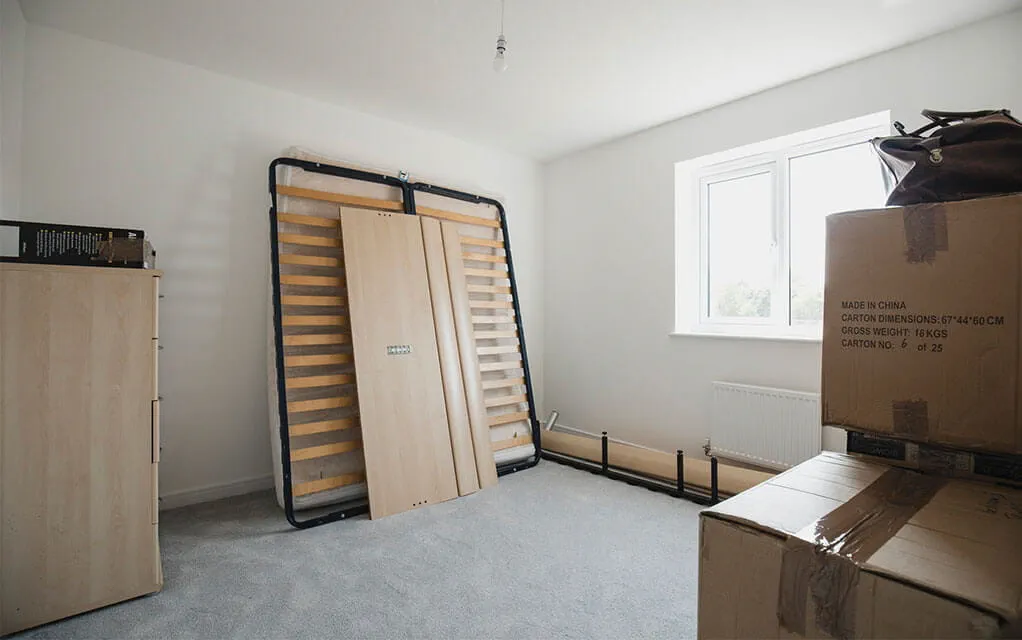
If you have items with sentimental value or high monetary worth, evaluate whether you’re comfortable with loading them into your moving solution. To avoid items getting lost, damaged, or stolen, it's best to take them with you personally, if possible, for a worry-free moving experience.
Ultimately, open communication and transparency regarding your fragile possessions will help your movers prepare accordingly and reduce the risk of mishaps. Providing detailed information and clearly labeling boxes as “Fragile” can further help ensure these items arrive safely at your new home. Taking these precautions not only gives you peace of mind but also helps guarantee a smooth moving experience.
Coordinating with Your Moving Company for Special Requests
Maintaining open communication with your moving company is essential for a smooth relocation process. From the initial planning stages to the day of the move, keeping your moving coordinator informed about any special requests or concerns ensures that all your needs are understood and addressed. If you have fragile items, unique furniture pieces, or specific instructions regarding packing and unloading, sharing these details early on allows the company to prepare accordingly.
Clear communication also helps prevent misunderstandings that could lead to delays or damage. For instance, if there are restrictions at your new location—such as parking limitations, elevator access times, or building regulations—letting your movers know in advance will help them plan appropriately and avoid complications on moving day, including any hidden fees.
Additionally, reputable moving companies prioritize customer service and strive to make your experience as stress-free as possible throughout the entire process. Don’t hesitate to ask questions about their procedures or to confirm timelines. If any issues arise during the move, address them promptly with your moving coordinator so they can resolve matters efficiently.
Ultimately, staying in touch throughout the process builds trust and keeps everyone on the same page. By proactively communicating your expectations and any changes in plans, you help ensure a successful and positive moving experience.
After the Move: Unpacking and Settling In
Congratulations on finishing your small move! Now that you're in your new space, it’s time to unpack and make it feel like home. With smart unpacking methods and a gradual personal touch, you can turn your new house or apartment into a cozy, welcoming place.
This last step is all about unpacking, organizing, and personalizing your new home. It marks the end of your moving journey.
Strategies for Efficient Unpacking
Unpacking after a move can be overwhelming, but adopting the right strategies can make the process much smoother and less stressful. Start by prioritizing essential items such as bedding, toiletries, and basic kitchenware, or, if you packed one, your day-of-moving box or kit with essentials. This approach allows you to quickly set up a functional living space and meet your immediate needs without searching through multiple boxes.
As you unpack, flatten empty boxes and dispose of packing materials promptly. Keeping your space tidy helps prevent clutter from accumulating and makes it easier to navigate your new home. Consider designating specific rooms or areas for unpacked items; for example, create a staging area in each room where you can sort belongings before placing them in their final spots.

Organizing as you go is key—group similar items together so that storage decisions are more straightforward. This is where the whole box-labeling process comes in handy, because you can get all your stuff to the right rooms without having to play "go fish" with unmarked boxes and guess what is inside. Your unpacking process will be far less stressful and chaotic with an inventory system or marked boxes.
Don’t feel pressured to unpack everything at once, either. Focus on setting up critical areas first, such as bedrooms, bathrooms, and the kitchen. Once these spaces are functional, you can take your time with less urgent items like books, decorations, or hobby supplies. A step-by-step approach will reduce stress and allow you to enjoy your new environment as you settle in.
Take breaks when needed and celebrate milestones—like finishing a room or organizing a closet—to stay motivated. By using these strategies, unpacking becomes more manageable, helping you transform your new place into a comfortable home efficiently.
Making Your New Place Feel Like Home
After unpacking, transforming your new house into a home is an important step in settling in. Begin by displaying personal touches, such as family photos, favorite artwork, or cherished mementos that remind you of special memories. These familiar items can instantly make the space feel welcoming and comforting.
Next, thoughtfully arrange your furniture to suit your daily routines and lifestyle. Consider setting up cozy reading nooks, inviting seating areas, or functional workspaces based on how you plan to use each room. Incorporate soft furnishings like rugs, throw pillows, and blankets to add warmth and texture.

Don’t forget to bring in elements that reflect your personality—whether it’s your taste in colors, patterns, or hobbies. Plants and flowers can breathe life into your rooms, while scented candles or diffusers create a relaxing ambiance. And as you settle in over time, gradually collect accessories and decor that resonate with you. This could include unique finds from local shops or gifts from loved ones. Remember that creating a home is an ongoing journey; it’s okay for the space to evolve as you grow more comfortable.
Take your time exploring different arrangements and styles until everything feels just right. Enjoy the process of making your new place truly yours—a sanctuary where you can relax, recharge, and express yourself freely.
Use Zippy Shell for All Your Moving & Storage Needs
By following these steps, you can have the best moving experience with a stress-free small move that meets your needs. Whether you do it yourself or hire professional movers, pick what works best for you.
Call Zippy Shell or go online for a free quote to see how simple our portable moving and storage containers can make your move. We handle all of the driving, give you the time you need to pack at your pace, and have short- and long-term storage available if you need it - no packing and unpacking multiple times! We can provide a tailored moving experience, no matter how small your move may be, that large moving companies don't have the time or ability to do!
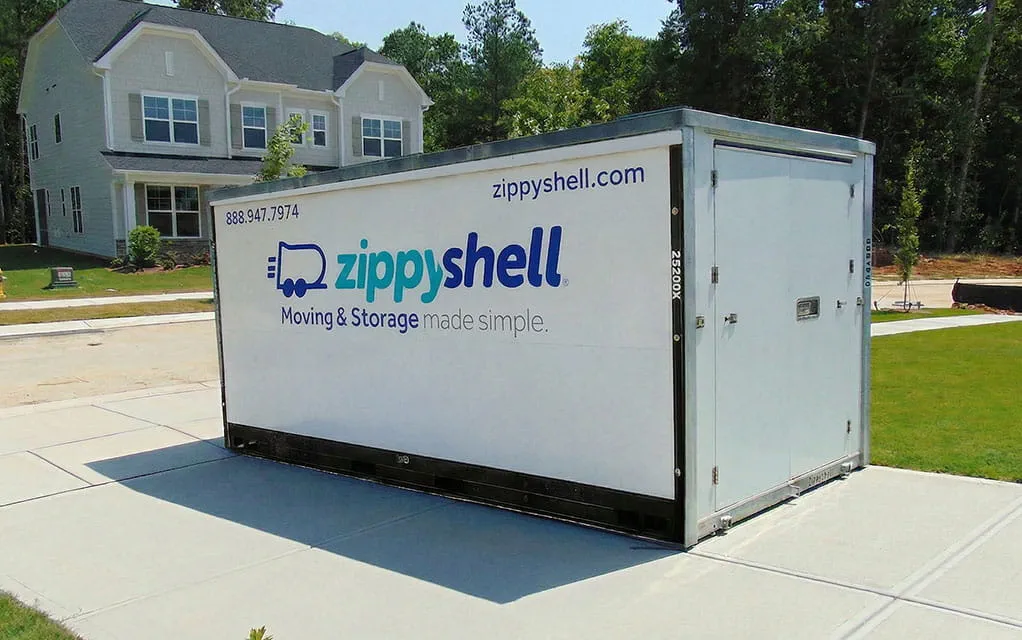
Our containers are also tailor-made for street parking and can fit in the standard width of a parking space, making them ideal for urban and suburban moves. We simplify the moving process, no matter how small your move is or where you are moving from or to, so that you can focus on more important things in your life.
Give us a call or get a free quote on our website to get started, and let us help make your next move simple while providing exceptional service!
Frequently Asked Questions About Small Move Companies
How do I estimate the cost of a small move?
To determine the cost of your small move, within San Diego, have clear details about your moving needs ready to share. This should include the size of your current home, how many rooms full of stuff you need to move, your preferred moving date, and how far you need to move. Reach out to a few moving companies for free quotes and share this information. This will help you compare prices and plan your budget.
Remember: the cheaper the service, the more likely you are to be let down by “too good to be true” service. Your time is just as valuable as your money, so choose the mover to simplify your move at a reasonable price!
Can I negotiate with moving companies for better rates?
Yes, you can negotiate with some moving companies, especially for small moves. Some companies have fixed prices, but others might be willing to discuss costs. This is more likely if you can change your moving dates or need fewer services. Don’t be afraid to ask about discounts or mention a promotional code to try to get a better rate - it never hurts to try!
What should I do if my belongings are damaged during the move?
If your stuff gets damaged during the move, contact the moving company immediately. Taking photos and writing down a detailed description of the damage is essential. Check your policy with the company or your own insurance to know what is covered and how to file a claim.
Are there any benefits to moving during off-peak seasons?
Moving during the off-peak seasons—typically late Fall, Winter, and early Spring—can offer several advantages beyond just lower moving costs and increased availability. Because fewer people are relocating in these periods, moving companies often provide more flexible scheduling and may even offer discounts or promotional rates to attract customers. This means you’re more likely to secure your preferred moving date and time, reducing the stress of coordinating around high demand.
Another benefit is that utility companies and service providers—such as internet or cable installers—are typically less busy during these months. As a result, you may experience quicker setup times for essential services at your new home.
Overall, moving during off-peak seasons can make the transition smoother, with lower costs and more personalized attention from service providers.
How far in advance should I book a moving company for a small move?
When you book a moving company, the timelines can change based on the company and the season. For a small move, it is best to book at least one month ahead of time - even two months out if you need to move during the busy season. Booking early helps you get your preferred moving date, especially during the busy moving season, making it a good fit for those planning a small move.
- Moving Tips (132)
- Home Organization (60)
- Fun Stuff (54)
- Home Maintenance Tips (48)
- Packing Tips (36)
- Storage Tips (35)
- Home Buying and Selling Tips (24)
- News Releases (24)
- Home Renovation Tips (16)
- Moving on a Budget (11)
- Portable Storage (11)
- Moving and Storage Tips (2)
- Household Moving (1)
- In the Community (1)
- Moving Company Comparisons (1)