A Beginner's Guide on How to Move to a New City
June 12, 2026
A Beginner's Guide on How to Move to a New City
Key Highlights of Moving to a New City
- Moving to a new city starts with research, a clear moving budget, and a realistic view of the cost of living.
- Your new home should match your lifestyle, commuting needs, and comfort with a big-city or small-town setting.
- Decluttering early makes moving day easier, lowers costs, and helps you settle in faster.
- A trusted moving company like Zippy Shell can support local moving, long-distance moving, storage, and flexible timing.
- Your first weeks matter, so plan utilities, a change of address, and ways to meet new people.
Moving to a new city can feel exciting, stressful, and full of unknowns at the same time. You may be chasing work, looking for a better fit, or simply ready for a fresh start. Still, getting from idea to new home takes planning. You need to think about money, housing, timing, and how you will adjust once you arrive. This guide breaks the process into simple steps, making it feel less overwhelming and more manageable.
Considering a Move: Why People Relocate to a New City
People choose a new place for many reasons. Sometimes it is a job offer, school, a relationship, or the need for a better daily routine. In other cases, you just know your current location no longer fits the life you want.
A move can also be about a fresh start and a real change of scenery. If you feel stuck, isolated, or drained by your surroundings, a different city may support a healthier new life. Before making that leap, it helps to understand your reasons clearly.
Common Reasons for Moving to a New City
For many people, the biggest reason to move is work. A stronger job market can open doors that simply do not exist where you live now. Some people relocate for school, a partner, or the chance to grow in a different environment. Others want better access to amenities, healthcare, or a neighborhood that fits their habits.
Money matters too. A city with a lower cost of living may make it easier to rent, buy, or save. On the other hand, some moves occur because a more expensive area offers higher pay or more real estate options. Comparing salary, taxes, utilities, and housing costs helps you see the full picture.
If this is your first time, start with the essential steps: research the city, build a moving budget, choose your new home area, and plan the move early. That foundation makes new opportunities easier to pursue.
Signs It’s Time to Make a Move
Sometimes the signs are practical. Other times, they are emotional. If your city no longer supports your work, finances, or peace of mind, it may be time to look elsewhere. A move is a big deal, so focus on patterns rather than a single bad week.

You may be ready for a fresh start if you notice any of these:
- Your daily routine brings a lot of stress and little satisfaction.
- Higher costs make it hard to live comfortably or plan ahead.
- You keep wishing for a change of scenery or a different pace.
- You want to meet new people and build a different social life.
- You feel disconnected from your current environment.
That does not mean you should rush. It means you should examine what is driving the feeling. If the same concerns keep coming up, a new city may offer the reset you need.
Deciding Between Popular Cities and Personal Preferences
A popular city can look appealing on paper. It may have a strong job market, a lively downtown, and an abundance of amenities. Still, popularity alone does not make it the right place for you. A city that works for someone else may not match your budget or daily habits.
Think about your personal preferences. Do you want a big city with nightlife and a public transportation system? Or would you rather live in a quiet suburb or a small-town area with less noise and easier parking? Your comfort level matters just as much as city rankings.
The best choice is the one that supports your lifestyle, finances, and goals. If you value walkability, culture, and fast pace, choose that. If you want space, lower pressure, and a calmer routine, follow that instead.
How to Choose the Right City for Your Lifestyle
Choosing the right place starts with honesty about how you want to live. It is easy to focus only on rent or job listings, but your day-to-day experience matters just as much. Think about weather, commute times, healthcare access, and what kind of surroundings help you feel settled.
Your new place should also fit your budget. The cost of living shapes everything from housing to groceries to transportation. Once you know what matters most, you can compare cities in a more useful way. The next factors can help narrow your options.
Assessing Cost of Living and Job Opportunities
Start with two basics: how much you can earn and how much you will spend. A city with a strong job market may offer better pay, but that does not always mean you will come out ahead. Real estate prices, property taxes, utilities, groceries, and transportation can quickly raise your monthly costs.

Use a simple comparison before deciding. Look beyond rent alone and check how daily expenses will affect your lifestyle.
- Job Market Status : Is there industry demand for your skill set in your new city? Does the average salary range match your needs? Is unemployment an issue?
- Housing Situation : While you will naturally find this out as you look for a new home, be sure to check across the region near the city you are living in for rent and home prices, as they can fluctuate from outlying towns and suburbs.
- Local and State Taxation : Don't be blindsided by your tax bill in your new location! Make sure you are aware of the taxes in your new city/state and that you are comfortable with that kind of change before your move.
- Cost of Living : Be aware of the general cost of groceries, utilities, healthcare, daily expenses, and more in your new location. Once again, these can fluctuate based on the geographical area you are in.
If one city has higher costs, ask whether the benefits justify them. The best fit is usually where income, opportunity, and living expenses stay in balance.
Evaluating City Size, Culture, and Amenities
Not every city feels the same, even if the numbers look good. A big city may offer more jobs, restaurants, and entertainment, but it can also bring traffic, noise, and faster routines. A quiet suburb may feel calmer, though it might require more driving and planning.
Local culture matters too. Ask yourself what you want around you regularly. Do you enjoy museums, live music, and busy coffee shop scenes? Do you want parks, family spaces, or a slower pace? These details shape your comfort more than people expect.
Amenities are also worth checking early. Look at the public transportation system, grocery access, gyms, medical care, and nearby recreation. A city that supports your daily habits will be easier to enjoy and easier to stay in long term.
Researching Neighborhoods and Quality of Life
Once you’ve decided on a city, selecting the right neighborhood is crucial for your daily comfort and long-term satisfaction. Neighborhoods can differ dramatically in terms of atmosphere, cost, amenities, and convenience. For example, some areas are bustling with cafes, shops, and nightlife, perfect for those who enjoy an active social life and prefer to get around on foot. Others may offer quieter streets, larger yards, and more affordable housing options that appeal to families or people seeking a slower pace.
Whenever possible, spend time exploring neighborhoods in person before making your decision. Visit at different times of day, like the morning rush hour, after work, and on weekend, and observe parking availability, noise levels, nighttime lighting, and the general feel of the area. Pay attention to how clean public spaces are kept and whether neighbors seem engaged with their community. Check how close you are to essentials like grocery stores, pharmacies, hospitals, parks, or schools.

If traveling isn’t feasible due to distance or time constraints, make use of online resources such as neighborhood forums, local news outlets, crime maps, and city data tools. Virtual tours offered by real estate websites can also help you get a sense of home styles and street views.
Working with a knowledgeable real estate agent can be invaluable, as they’ll understand market trends in different parts of town and help match neighborhoods with your priorities for budget and lifestyle. Be specific about what matters most: commute times (and access to highways or public transit), safety statistics (which you can often find online), school ratings if you have kids or plan to soon (websites like GreatSchools.org provide useful data), walkability scores for car-free living preferences, pet-friendliness if you have animals—and proximity to parks or green spaces.
Don’t forget other considerations such as property taxes or HOA fees that might differ between neighborhoods. Also, factor in future development plans, which could change an area's character over time.
Ultimately, choosing the right neighborhood means balancing practical needs—like affordability and convenience—with intangibles such as community vibe and long-term appeal. Taking these steps will help ensure your new home truly feels like the right fit for your lifestyle.
Important Factors to Consider Before Relocating
Before you commit, take a step back and look at the full picture. Housing, healthcare, safety, and support networks can affect how successful your move feels after the boxes are unpacked. A smart plan goes beyond choosing a city.
Another important thing is knowing the best way to handle the actual move. Your moving budget, timing, and storage needs all matter. A trusted moving company can give you more flexibility and fewer surprises. The next sections cover the key details to review first.
Housing Market and Rental Options
Housing should be one of your first checks. Study the housing market before you decide where to live. In some cities, rental options move fast and prices rise quickly. In others, buying may be more realistic than renting. You need to know what your budget can actually cover.
If this is your first time moving to a different city, compare lease terms, deposits, commute distance, and neighborhood feel. Do not stop at photos. Ask about utilities, parking, building access, and move-in rules. Older buildings can also have narrow hallways, stairs, or limited elevator access.
A real estate agent can be useful if you are buying or if you need local guidance on rental areas. The goal is simple: find housing that fits your money, routine, and comfort level without creating extra pressure.
Safety, Healthcare, and Local Services
Safety is often one of the first concerns when you consider a new place. Online data can help, but numbers rarely tell the whole story. If possible, visit neighborhoods at different times of day. Look at the condition of homes, storefronts, and general activity in the area.
Healthcare is just as important. Research hospitals, urgent care options, and whether doctors are accepting new patients. In fast-growing cities, healthcare availability may not keep up with population growth. If you have ongoing care needs, check this before you move.

Do not overlook essential services either. Grocery stores, pharmacies, banks, and the post office should be easy to reach. These basics affect your routine more than you may expect. Good access can add real peace of mind during a stressful transition.
Proximity to Family, Friends, and Support Networks
A new life in a new city can feel exciting until you realize how much you relied on familiar people. Distance from family and friends is not always a dealbreaker, but it should be part of your decision. Think about how often you want in-person support.
If you are moving somewhere you know no one, look for soft connections first. Friends of friends, alumni groups, hobby clubs, and local social media communities can help you form a starting point. Even a small social network can make the first months feel more stable.
Support networks also matter in practical ways. Who can help during a hard week? Who can answer local questions? Even if you are moving for independence, building a circle early will make adjusting easier and less lonely.
What You Need to Get Started: The Beginner’s Toolkit
A successful move starts with preparation, not packing. Before moving day arrives, gather your essential documents, organize your finances, and create a moving checklist covering deadlines, contacts, and tasks (you can download this moving checklist from our sister company, 1-800-PACK-RAT). This keeps small details from turning into last-minute problems.
You should also decide how you want to handle transportation and storage. Some people need flexibility more than speed. Others need help balancing local and long-distance moves with on-site storage. The beginner’s toolkit below gives you a practical starting point.
Essential Documents and Financial Preparations
Start by putting all important papers in one easy-to-carry folder. You do not want to search through boxes for records during your first few days. Keep digital backups too, especially if the move crosses state lines.
Financial preparations matter just as much. Review deposits, utility setup costs, travel expenses, and the possibility of higher costs during your first month. A clear plan helps you avoid cash-flow problems as you settle in.

Include these essentials:
- Identification, lease or purchase papers, and insurance details
- Car insurance documents and vehicle title or registration
- Medical records, prescriptions, and provider information
- Bank details, tax records, and budget notes
- School documents, if needed
- Voter registration information for your new state or county
This simple step saves time and reduces stress when you arrive.
Choosing a Moving Solution
Choosing the right moving company is a big deal because your schedule, budget, and housing timing may not line up perfectly. If you are still finalizing housing, flexible storage can make the process easier. That is why many people look for more than a one-day service.
Zippy Shell offers portable moving containers that work well for both local and long-distance moves. If you need time to load, unload, or bridge the gap between addresses, portable storage containers can be an ideal solution. You can use them for storage, on-site storage, or warehouse storage depending on your needs.
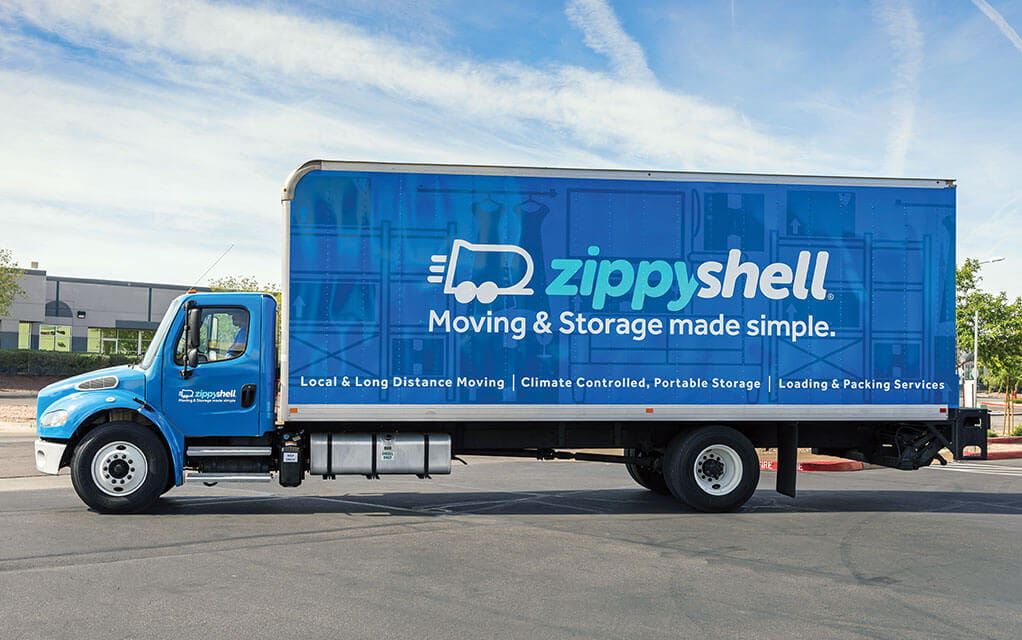
This setup is especially helpful when you want reliable moving without rushing every decision. If you need added support, ask about full-service moving options and loading help. That combination can make a move to a new city far more manageable.
Creating a Personalized Moving Checklist
A personalized moving checklist keeps your move from becoming a blur of forgotten tasks. The important thing is to build it around your moving date, housing deadline, and travel plan. Generic lists help, but your own timeline works better.
Think of it as a list of things that protect your time and money. Add tasks by week, not just by category. That makes it easier to act rather than stare at one huge plan.
Your checklist should include:
- Confirm housing, lease dates, and utility start dates
- Book Zippy Shell and decide on storage needs
- Gather packing supplies and label by room
- Schedule change of address and account updates
- Pack a first-night bag for moving day
Do not wait until the last minute. A checklist only works when you start early and update it often.
Step-by-Step Guide to Moving to a New City
If you are wondering what the essential steps are for a first move, the answer is simple: research well, budget carefully, reduce what you own, and plan the logistics early. A step-by-step approach keeps your move from feeling chaotic.
This is also where the right moving company helps. Instead of trying to solve everything at once, break the process into stages that lead you from your current place to your new home. Here is a practical roadmap for getting there.
Step 1: Start with In-Depth City Research
Begin with more than a quick search. Read about neighborhoods, local jobs, average rent, commute patterns, and healthcare access. If possible, visit the city and walk through different areas. A little research now can prevent expensive surprises later.
Bring a list of questions that reflects your actual lifestyle. Do not just ask if the city is popular. Ask whether it works for you. That is how you move toward the right new home instead of the most talked-about one.
Useful questions include:
- What does real estate cost in my preferred areas?
- How long is the daily commute?
- Where are the grocery stores, gyms, and hospitals?
- Does this new place match my pace and budget?
Good research creates confidence. It also helps you choose housing and services with fewer regrets.
Step 2: Set a Realistic Moving Budget
A realistic moving budget should cover more than the move itself. Think about deposits, rent overlap, travel, packing materials, and setup costs for essential services. Many people underestimate how expensive the first month in a new city can be.
The best way to budget is to compare expected costs with your current spending. Ask yourself where higher costs may show up. Housing, utilities, transportation, and food can change fast when you switch cities. If your salary is changing too, factor that in.

Your choice of moving company also affects your budget. Flexible options from Zippy Shell can help when you need time between move-out and move-in. Add space for storage, loading help, and emergency expenses so you are not forced into rushed decisions later.
Step 3: Declutter and Organize Your Belongings
Before you pack, declutter. There is no reason to pay to move things you do not use. Go room by room and decide what is worth keeping. If an item is in good condition but no longer useful, sell it, donate it, or give it away.
This step can also lower stress on moving day. Fewer boxes mean less time packing, loading, and unpacking. You may even save money on storage or labor.
Focus on these actions:
- Donate clothing, kitchen items, and furniture you do not need
- Sell valuable pieces you no longer use
- Set aside packing supplies for what stays
- Wrap fragile items with bubble wrap and label them clearly
One of the biggest do’s is to edit early. One of the biggest don'ts is keeping everything out of guilt or habit.
Step 4: Book Zippy Shell Portable Moving & Storage
Once your dates are clearer, book your moving company. Waiting too long can reduce availability and increase stress. If your timeline is flexible or your housing dates do not line up perfectly, a portable moving container can give you breathing room when compared to the "do everything all in one day" way traditional moving trucks force you to move.
Zippy Shell is an ideal solution when you want control over your entire move on your terms and schedule. Our portable storage container services can support local and long-distance moves, as well as storage during transitions. Here is how moving works with Zippy Shell: We bring the container to you and give you the time you need to pack and load your stuff at your own pace (or you can use third-party labor services to load it for you). When you are ready, we will come out, pick up your container, and either deliver it to your new home or place it in storage at one of our secure nationwide storage facilities for as long as you need. Moving is made simple with Zippy Shell.
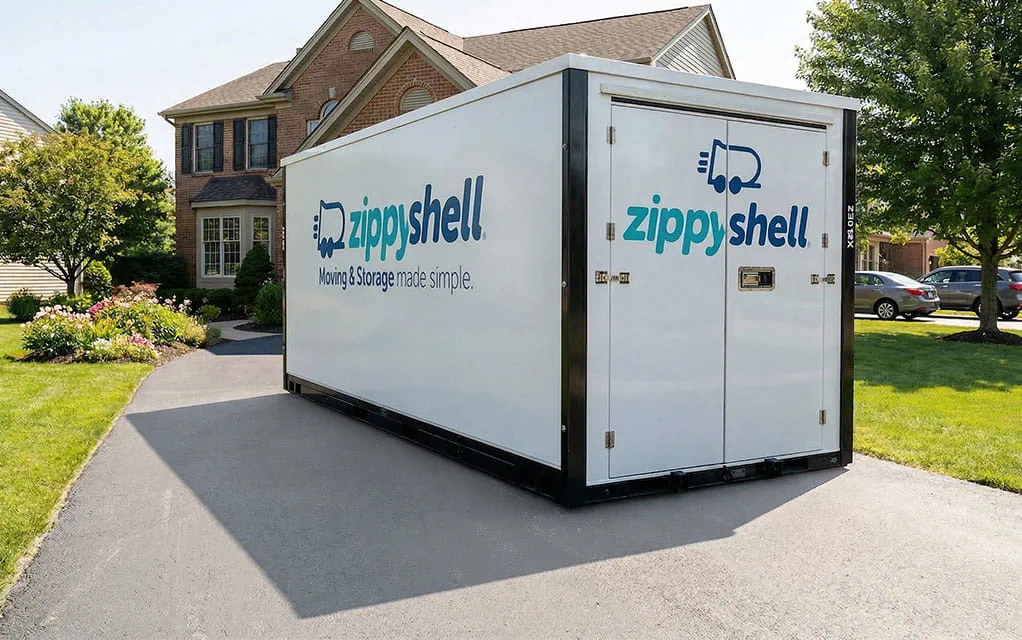
Our moving services blend traditional do-it-yourself methods with full-service moving, so you can pack your belongings yourself or get help. Either way, we will handle all the transportation and logistics for your container and stuff, without the shared communal space in the back of a dry van, as more traditional long-haul carriers move their customers.
Step 5: Pack Strategically and Label Everything
Packing gets easier when you plan it. Start with non-essentials and leave daily items for last. Keep rooms separate and label every box by contents and destination. That one habit can save you hours of rummaging through boxes and stuff looking for something specific after you reach your new home.
Use sturdy packing supplies, such as heavy-duty, double-layered boxes, and protect fragile items well. You do not need fancy methods, just consistent ones. Clear labels also help if friends or movers are assisting.
A smart list of things to remember includes:
- Label boxes by room and priority, and keep an inventory list that you can quickly reference when looking for something specific.
- Use bubble wrap for breakables, and label any boxes containing such items as "FRAGILE."
- Keep chargers, important papers, and medications with you at all times.
- Pack one box or bag for your first night that includes a change of clothes, toiletries, and whatever else you might need, and pack it into your container or moving solution last so it is the first thing you can unpack.
Strategic packing reduces confusion on moving day and makes unpacking much less frustrating.
Step 6: Plan Travel and Moving Day Logistics
As your moving date approaches, shift your attention to logistics. Confirm addresses, arrival windows, building access rules, elevator reservations, and parking restrictions. In dense areas, these details can affect the whole move. A little planning can prevent delays and extra stress.
If you are driving separately from your stuff to your new home, start planning your route - map the route and note tolls, traffic patterns, and potential overnight stops if needed. If you are flying, plan how you will carry documents, valuables, and first-night essentials. Finalize these plans as early as possible, not the day before your move!

If you are renting a home or moving into an apartment, your new place may also have specific move-in rules. Ask about loading zones, stair access, and time windows. When travel and building details are handled early, your moving day will feel much more controlled.
Step 7: Prepare for Arrival and First Week Tasks
The first week sets the tone for your adjustment. Before arrival, make sure your new home is ready for basic living. You do not need everything unpacked, but you do need the essentials in place so the transition goes more smoothly.
Handle key tasks right away so they do not drag on for weeks. This is especially helpful if the move already feels like a huge change.
Start with these priorities:
- Submit or confirm your change of address with the USPS
- Complete utility setup for power, water, and internet
- Locate nearby grocery stores and pharmacies
- Unpack any additional important papers, medications, and daily basics
Once these are done, the stress of the move should begin to wear off, allowing you to start acclimating to your new home and city. That early momentum makes the rest of your settling-in process much easier.
Settling Into a New City: Adjusting and Thriving
Arriving is only part of the process. After the move, your focus shifts from logistics to comfort, routine, and connection. That is how a new home begins to feel permanent instead of unfamiliar.
Building a new life takes time, but small actions help quickly. Learn your neighborhood, set up your space, and make room for new experiences. These steps improve your quality of life and help you feel part of your new community sooner rather than later.
Setting Up Your New Home Efficiently
Start with function, not perfection. Your new home does not need to look finished right away. Begin by setting up the bedroom, bathroom, and kitchen. Once those spaces work, everyday life becomes easier and less draining.
Next, handle practical details. Confirm homeowners insurance or renters coverage, test utilities, and make sure your locks, smoke alarms, and basic supplies are in order. Then find the nearest grocery stores, pharmacy, and other essential services you will use often.
This approach helps you start over without feeling buried by tasks. Instead of trying to do everything at once, create a space that supports sleep, meals, and routine. When your home works for you, it starts to feel like the right place much faster.
Making Friends and Building Your Social Circle
Making new friends in a new city takes effort, but it is very doable. If you moved alone, be patient with yourself. It can take a couple of weeks or longer before things feel natural. The key is to show up where people gather regularly.
You do not need a huge social network right away. Start with low-pressure opportunities that match your interests and routine.

Try simple options like:
- Attend local community events
- Join fitness classes or hobby groups
- Explore outdoor activities with local meetups
- Reach out to friends of friends in the area
- Use social media groups such as Facebook and Nextdoor to find shared interests
These steps help you meet people without forcing instant closeness. Over time, familiar faces can turn into real friendships and a stronger social circle.
Exploring Your Neighborhood and Local Hotspots
One of the easiest ways to adjust is to explore your new neighborhood with curiosity. Walk around. Visit the nearest park, grocery store, and coffee shop. Repetition builds familiarity, and familiarity builds comfort.
A quick search can help you find local spots, but do not rely on screens alone. Notice how the area feels at different times of day. Which streets are busy? Where do people gather? Which parts seem to best reflect the local culture? These details help you understand your surroundings.
You can even keep a small list of questions as you explore. Where would you take a friend? Which places feel welcoming? What errands are easy here? That process turns a strange area into a lived-in, personal space.
Zippy Shell is Here for Your Moving and Storage Needs
Moving to a new city is an exciting yet challenging journey, filled with opportunities for growth and adventure. Getting started early on planning and scheduling your preferred delivery date now is key to reducing stress for your move. That is where Zippy Shell can help!
Let us make your local or long-distance move simpler by bringing the moving solution directly to you, so you can pack at your own pace. We handle all of the driving as well, so you don't have to!

Make your move easier today and get the process started with a free quote!
Frequently Asked Questions About Moving to a New City
What are the top moving tips for first-time city movers?
If you’re moving for the first time, good preparation is key to a smooth experience. Start early by giving yourself plenty of time—ideally a couple of months—to plan and execute each step without feeling rushed. Begin with thorough research into potential neighborhoods, considering factors like safety, commute times, local amenities, schools, and overall vibe to ensure they align with your lifestyle and needs.
Create a detailed moving checklist with specific tasks and deadlines. This list should include everything from booking movers to transferring utilities, updating your address with banks and subscriptions, packing schedules, and final cleaning. Breaking down the move into manageable steps helps prevent last-minute chaos.
Decluttering before you pack is essential. Go through each room and decide what you want to keep, donate, sell, or toss. Moving is the perfect opportunity to lighten your load so you only bring items that serve a purpose in your new space.
When it comes to important documents such as birth certificates, passports, insurance papers, and leasing agreements, and keep them in a secure folder that stays with you throughout the move. This way, important paperwork won’t get lost or misplaced during the process.
Before moving day arrives, confirm building rules at both your current and new locations. Some apartments or condos may have specific requirements about elevator reservations, parking for moving trucks, or timing restrictions for moves.
Finally, choosing an experienced and reputable moving company like Zippy Shell can simplify the entire process with our portable moving and storage containers. Reliable movers help ensure your belongings are handled safely and arrive on schedule.
How can I handle the emotional challenges of moving to a city alone?
Give yourself time to adjust. A new place can feel lonely before it feels exciting, even when you wanted the change of scenery. Stay connected to familiar people, meet new people through local groups, and build a small social network gradually. A new life usually feels better once routine starts to form.
How can I find a suitable neighborhood that fits my lifestyle and budget?
Compare the cost of living across different areas, then visit or research each new neighborhood at different times. Focus on commute, safety concerns, noise, and nearby services. A real estate agent can help you narrow options. The right place is one that supports both your budget and daily quality of life.
What is the best way to find housing in a new city?
The best way is to start with a quick search, then compare neighborhoods, lease terms, and commute needs. Ask detailed questions about building access and utilities before signing. If your housing timing is uncertain, a moving company like Zippy Shell can help bridge the gap while you finalize your new place.
How do I move from a rural area to a large city?
Much of this will depend on exactly where you plan to move in a larger city. If you are moving from a rural area to the suburbs, to an outlying neighborhood or town, your transition won't be quite as jarring. Choosing a neighborhood, suburban city, or town near a larger city can help you ease into city life while still holding on to some of the feelings of rural living, with a quicker yet manageable pace.
If you are moving straight into the city, you will need to be prepared for a culture shock. From the living situation to the constant noise to the crowds and utilizing public transit, it will be a very big change for you to get used to. It is only natural to have some second thoughts during this part of your transition to city life, but if you stick with it and venture out when you can, you will slowly begin to acclimate to your new area.
How do I use Zippy Shell for a smooth move and storage solution?
Zippy Shell can make your move easy by providing a moving and storage solution that can be brought directly to you, no matter where you are, and can be delivered to your new home whenever you need it. We are pros at rural, suburban, and urban moves and have helped people move in major metros such as Philadelphia, Chicago, New York City, Miami, and more.
Get the process started by getting a free quote, picking your preferred container delivery date, packing at your pace (or have professional labor load your stuff for you), and either having it delivered to your new home or placed in one of our nationwide and secure storage facilities for as long as you need it. It truly is that simple.
- Moving Tips (133)
- Home Organization (60)
- Fun Stuff (54)
- Home Maintenance Tips (49)
- Packing Tips (38)
- Storage Tips (35)
- Home Buying and Selling Tips (24)
- News Releases (24)
- Home Renovation Tips (16)
- Moving on a Budget (11)
- Portable Storage (11)
- Moving and Storage Tips (2)
- Household Moving (1)
- In the Community (1)
- Moving Company Comparisons (1)