Understanding the Importance of Renters Insurance Coverage
July 09, 2026
Key Highlights of Understanding Renters Insurance
- Renters insurance provides financial protection for your personal belongings in the event of covered losses such as theft, fire, or vandalism.
- It also offers liability coverage, safeguarding you from legal and medical expenses if someone is injured on your rented property.
- Understanding your policy limits, deductibles, and coverage options is crucial for selecting the right renters insurance.
- Creating a home inventory and assessing the value of your possessions will help determine the appropriate coverage amount.
- Comparing quotes from different insurance companies ensures you find the best rates and coverage for your needs.
Having the right renters insurance coverage is very important when renting a property. It helps protect your personal property and your finances. This insurance policy acts as a safety net. It provides financial assistance if something unexpected happens in your rented home. By knowing more about renters insurance, you can make smart choices to reduce risks and feel more secure.
Exploring the Basics of Renters Insurance
Renters insurance is an affordable option to help you handle surprise costs. Many people think their landlord's insurance will cover their belongings, whether they live in an apartment or condo. However, that’s not true. A landlord's insurance usually only protects the building, not the personal property inside each apartment.
That's why renters insurance is essential, if not required. It helps cover the costs of replacing your belongings if something happens that is covered by the policy.
Defining Renters Insurance and Its Necessity
A renters policy is a contract between you and an insurance provider in which you pay a regular premium and, in exchange, the insurer helps protect your personal property and provides certain liability coverage as outlined in your policy. Understanding what is included and excluded is crucial to ensuring you have adequate coverage.
One primary benefit of renters insurance is coverage for your personal belongings. This includes protection against risks such as theft, fire, vandalism, and specific types of water damage—for example, if a pipe bursts and damages your furniture or electronics. Without this coverage, you would need to pay out of pocket to replace these items. Renters policies typically cover clothing, appliances, electronics, furniture, and more, up to the limits specified in your agreement.

Another vital feature is personal liability coverage. This protects you financially if someone is injured while visiting your rental unit and you are held responsible. For instance, if a guest trips over a loose rug and breaks their arm, renters insurance can help cover medical expenses or legal fees if you're sued. Many policies also provide coverage for accidental damage you cause to someone else’s property. For example, if you accidentally start a kitchen fire that damages another unit.
Additionally, many renters policies include "loss of use" coverage (also called additional living expenses). If your apartment becomes uninhabitable due to a covered event, such as a fire, your policy may cover temporary accommodation costs, including hotel bills and meals, until repairs are made.
However, it's important to read your policy carefully so you're aware of any exclusions. Most standard renters policies do not cover damage from floods or earthquakes; you may need separate policies for those risks, just like standard homeowner's insurance policies do not cover such events. High-value items such as jewelry or collectibles may be only partially covered unless you purchase additional endorsements or riders, so you might need a separate policy for valuables insurance.
A renters policy provides affordable peace of mind by safeguarding both your possessions and financial well-being against unexpected events while renting an apartment or house.
The Scope of Coverage: What Renters Insurance Typically Includes
Renters' insurance policies generally offer a broad range of protections for tenants, safeguarding both personal belongings and financial well-being in various situations. Although policy details and limits can differ by insurer, there are several standard components typically included:
- Personal Property Coverage: This covers your possessions, such as furniture, electronics, clothing, and other valuables, against losses resulting from events like theft, fire, vandalism, or certain types of water damage (for example, damage caused by a burst pipe). It's important to note that high-value items like jewelry or collectibles may have coverage limits unless you purchase additional endorsements or a separate policy specifically for such items.
- Liability Coverage: If someone is injured while visiting your rental unit, or if you accidentally damage someone else’s property (such as flooding a neighbor's apartment), liability coverage can help cover medical bills or legal fees. Most policies provide at least $100,000 in liability protection, but higher limits are often available.
- Loss of Use (Additional Living Expenses) Coverage: If your rental becomes uninhabitable due to a covered event (such as a fire), this part of the policy helps cover additional expenses for temporary accommodations. This might include hotel stays, restaurant meals, and even laundry costs until you can return home or find a new place to live.
- Medical Payments to Others: Some renters’ policies also include limited coverage for medical expenses if someone is hurt in your rental unit, regardless of who was at fault. This is separate from liability coverage and usually has lower limits.
While these are the core components of most renters' insurance policies, some providers may also offer optional add-ons, such as identity theft protection or increased coverage for specific valuable items, if that is coverage you feel you need. It’s always wise to review what each policy covers and excludes so you have the right level of protection for your needs. Renters’ insurance is typically very affordable and provides significant peace of mind for tenants faced with unexpected events.
The Financial Benefits of Having Renter's Insurance
Carrying renters insurance offers significant financial benefits, especially when something unexpected happens. This insurance gives you peace of mind so you can feel secure knowing you have protection when things go wrong. It also doesn't hurt that most landlords and rental companies require renters insurance before you sign a lease.
If you face a fire, have your belongings stolen, or need to handle a liability claim, renter's insurance can help. It eases financial stress, may save you a lot of money you would otherwise pay out of pocket, and allows you to rent almost anywhere, assuming you meet other criteria.
Protecting Your Personal Property Against Theft and Damage
Renters insurance is a critical form of protection for tenants, offering much-needed peace of mind in the face of unexpected disasters or losses. In addition to covering the cost of replacing or repairing personal belongings damaged by events such as fire, smoke, vandalism, or water leaks, renters insurance often also covers items stolen during a break-in. This means that high-value items, such as laptops, smartphones, jewelry, and furniture, can be reimbursed up to your policy limits if lost due to covered perils.
Beyond safeguarding physical possessions, many renters insurance policies also provide liability coverage. This is an important yet often-overlooked benefit: if someone is injured while visiting your apartment—or if you accidentally damage someone else’s property, your policy can help cover legal costs and medical bills. For example, if a guest slips on a wet floor in your kitchen and sustains an injury, your renters insurance liability coverage may cover their medical expenses or protect you from potential lawsuits.
Additionally, most policies include “loss of use” or additional living expenses coverage. If your rented home becomes uninhabitable due to a covered incident (such as a fire), this feature helps cover temporary housing and related costs until you can return home.
Be aware that most insurance policies, whether renters or homeowners, do not cover damage caused by floods or earthquakes. A water leak might be covered, but flood insurance is typically a separate policy you need if you live in a flood-prone area. Always check with your policyholder to be certain of what your policy does and does not cover.
Remember that while landlords’ insurance covers the building structure itself, it does not protect tenants’ personal belongings or shield them from liability risks. That’s why renters insurance is highly recommended for anyone leasing an apartment or house (or more likely, is required by the property owner); it’s an inexpensive way to secure financial protection against life’s unexpected setbacks.
Liability Coverage: Safeguarding Against Claims and Lawsuits
Liability protection is a crucial component of renters insurance, yet it's often overlooked by policyholders. While most people focus on coverage for their personal belongings, liability protection can be invaluable in unexpected situations. If someone is injured while visiting your residence—whether they slip on a wet floor or trip over a loose rug—and holds you responsible, your renters insurance can cover the associated costs. This includes not only the medical bills for the injured party but also legal defense expenses, such as attorney fees and court costs, if you are sued.
Additionally, liability coverage doesn't just apply to injuries occurring inside your home; it also extends to accidental damage you may cause to other people's property. For example, if you accidentally break a neighbor's window or cause water damage to another unit, your policy can help cover repairs or replacements.
Most renters insurance policies offer liability limits starting at $100,000, with options to increase this amount for greater peace of mind. Some policies even cover incidents that occur away from home, such as accidentally injuring someone while riding your bike.

Having adequate liability protection can save you from significant financial hardship in case of lawsuits or costly claims. It’s important to review your policy details and consider whether the standard limits meet your needs given your lifestyle and risk level. If necessary, you can purchase additional umbrella coverage for an extra layer of protection.
Renters insurance is typically quite affordable, usually $15-$30 a month, especially compared to the cost of replacing all your belongings or paying out of pocket for liability claims. Always review your policy details and speak with your insurer to fully understand what is covered and any exclusions that may apply.
Making Renters Insurance Work for You
Choosing the right renters insurance policy is very important to keep you protected. To start, figure out how much renters insurance coverage you need. Make a list of your belongings and estimate their value. This will help you understand how much coverage to buy.
Get multiple renters insurance quotes from different insurance companies and compare them. This way, you can find the best rates and coverage options for you.
How to Choose the Right Policy for Your Needs
While collecting quotes, start gathering information to share with the insurance provider to help get the most accurate quote and policy possible. This will include information about the relative value of the stuff inside your unit, any security additions and features of your unit/complex, if there is a shared fire mitigation system, etc. Choosing the right policy will require some legwork on your end.
- Take inventory: Make a clear list of your belongings and their worth, including your date of birth if required for quotes. This home inventory will help you see how much personal property coverage you need.
- Compare quotes: Get renters insurance quotes from different insurance companies. Look carefully at the coverage options, policy limits, deductibles, and premiums they provide.
- Consider additional coverage: Determine whether you need more than the basic policy. Do you own collectibles like antiques or fine jewelry? If these items are valuable, you might need extra coverage to ensure they are fully protected. Are you in a flood-prone zone? You might need a flood policy. Be sure to ask your policyholder about anything you are unsure about needing coverage for.

Companies such as State Farm, Allstate,Progressive, Liberty Mutual, and more are great places to start your quoting process.
Understanding Policy Limits and Deductibles
When looking at different renters insurance policies, one must know two key parts: policy limits and deductibles. Policy limits, such as those for expensive items, are the most money the insurance company will pay for a covered loss.
Deductibles are the amounts you must pay out of pocket when making a claim. For example, if your deductible is $1,000 and a covered loss causes $5,000 in damage, you would pay the first $1,000. Then your insurance company would pay the remaining $4,000.
Remember that your monthly payments will usually be lower if you choose a higher deductible. On the other hand, a lower deductible means you have to pay more each month, but you'd pay less if something happened to you or your stuff. You will need to decide which makes the most financial sense and which gives you the most peace of mind in case the worst were to happen.
Making a Move Soon? Use Zippy Shell!
Renters insurance is vital for protecting your personal items and belongings. It helps reduce financial risks. Knowing the available coverage options and choosing a policy that fits your needs can help you feel safe during unexpected situations. Renters insurance protects you from theft, damage, or liability claims, and your location can play a big role in how much a policy costs as well as the insurers available to you.
If you are looking to move into a new apartment, condo, or townhome, let Zippy Shell make it simple for you! We offer simple local, long-distance, cross-country, and full-service moving options to help you make any kind of move. Here is how it works: we bring a portable moving container to your home. You can then pack at your own pace and speed, and when done, we will pick it up and deliver it to your new home. Or, if you need to store your stuff, you can have it securely stored at any of our nationwide warehouse facilitiesfor the short-or long-term. We also offer contents protection plans for your container that you can purchase to have complete peace of mind during your move or storage event, knowing your stuff is covered and safe!
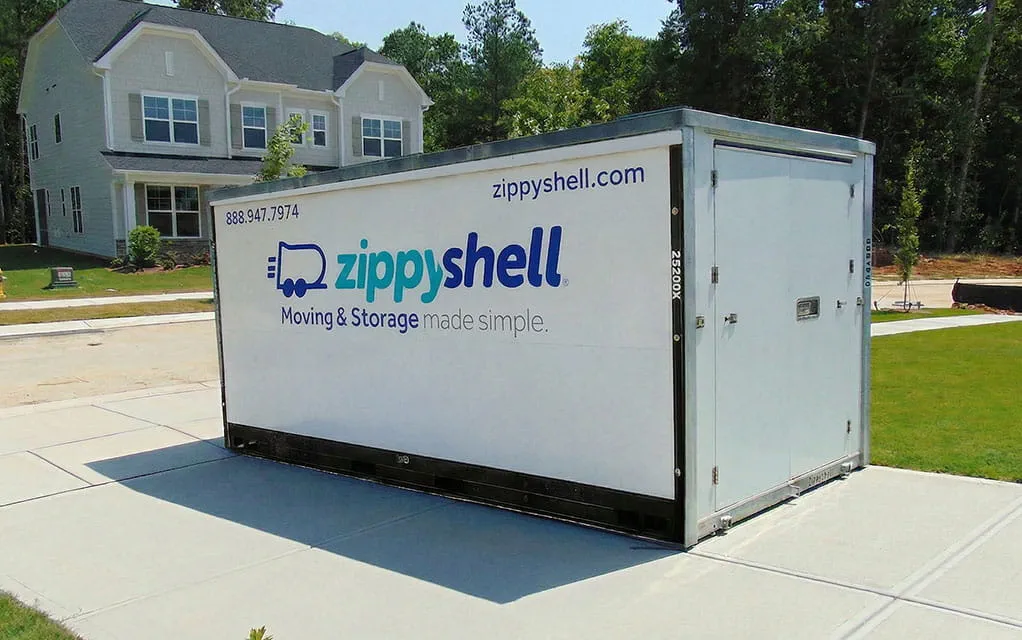
With Zippy Shell, you can leave all of the driving to us. No packing, loading, and driving everything all in one day, or working with a giant moving truck that doesn't fit your apartment complex's streets and gets in everyone's way. Choose Zippy Shell to make your moving and storage needs simple. Give us a call or go online for a free quote and learn how we can make moving and storage simple and affordable for you today!
Frequently Asked Questions About Renters Insurance
What does renters insurance cover?
Renters insurance typically covers personal belongings, liability protection, and additional living expenses in case of damage or theft. It can also provide coverage for medical payments if someone is injured on your property. Make sure to review your policy for specific details and exclusions.
Is renters insurance required by law in the United States?
No, renters insurance is not required by federal or state laws in the United States. However, it is increasingly common for landlords and property management companies to require tenants to obtain a renters insurance policy as part of the lease agreement. This requirement helps protect property owners from potential liability claims and financial losses arising from tenant-caused damage, accidents, or disasters on the premises.
Renters insurance primarily benefits tenants by providing coverage for personal belongings in the event of fire, theft, vandalism, or certain types of water damage. It can also offer liability protection if someone is injured while visiting your rental unit and you are found responsible for their injuries or property damage. Additionally, renters insurance often includes loss-of-use coverage, which helps pay for additional living expenses if your rental becomes uninhabitable due to a covered event.
While renters insurance is not legally mandated by governments, it gives both landlords and tenants peace of mind and is often required to lease. Landlords benefit from reduced risk of disputes over damaged property or liability issues, while tenants gain financial protection against unexpected losses. Policies are generally affordable and can be customized to fit the value of your possessions and specific needs.
When searching for a rental, always check the lease terms regarding renters insurance requirements. If a policy is mandatory, you’ll typically need to provide proof of coverage before moving in. You might have to list your landlord as an “additional interested party,” so they’re notified if your policy lapses. Even if it’s not required by your landlord, obtaining renters insurance is a smart way to safeguard your belongings and finances.
Can renters insurance cover roommates, or do they need separate policies?
Renters insurance policies generally provide coverage only for the policyholder and, in some cases, their immediate family members living with them. This means that roommates, unless they are related by blood, marriage, or adoption, are typically not included in a standard renters insurance policy. As a result, each roommate should consider purchasing their own renters insurance policy to ensure their personal belongings are protected against risks such as theft, fire, or water damage.
Having separate policies also allows each roommate to have their own liability protection. Liability coverage is crucial because it helps protect you financially if someone is injured in your rental unit or if you accidentally cause damage to the property. Without your own policy, you could be personally responsible for these costs.
It’s important for renters to communicate openly with their roommates about insurance arrangements and to review their lease agreements, as some landlords may require proof of renters insurance from all tenants. Additionally, some insurance providers may offer special endorsements or add-ons that allow limited coverage for roommates at an extra cost. However, these options are less common and often come with restrictions.
To avoid gaps in coverage and potential disputes after a loss, always review the specific terms of your renters insurance policy and consult your insurance provider if you have questions about what is covered and who is included. This proactive approach will help ensure everyone living in the rental property has adequate protection tailored to their individual needs.
How do I file a claim if something happens to my rented property?
If a covered loss happens, contact your insurance company immediately to start the claim process. Your insurance policy will explain the steps and documents you need to file a claim correctly. Giving precise details and any extra documents, such as photos, police reports (if required), or receipts, can speed up your claim. This can result in a shorter wait time for reimbursement.
How much does renters insurance usually cost each month?
The cost of renters insurance generally ranges from $15 to $30 per month, though this price can vary widely depending on several important factors. Your geographic location plays a significant role in your premium costs. Urban areas or regions prone to natural disasters such as hurricanes, earthquakes, or floods often have higher premiums due to increased risk of damage or problems. Similarly, the crime rate in your neighborhood can impact the cost, with higher rates leading insurers to charge more.
Another key determinant is the amount of coverage you choose. Policies with higher personal property limits or additional coverage for valuable items such as electronics, jewelry, or collectibles will result in a higher monthly premium. The deductible, or the amount you pay out of pocket before your insurance kicks in, also affects your rate; choosing a lower deductible usually increases your premium.
Personal factors can also influence the price. For example, many insurers use credit-based insurance scores when setting rates; a better score might help you secure lower premiums. You may also be able to reduce costs by bundling your renters insurance with other policies (such as auto insurance) from the same provider, or by qualifying for discounts through security features like smoke detectors, fire extinguishers, or alarm/security systems.
It's always wise to get quotes from multiple insurance companies since each has its own method for assessing risk and pricing policies. When comparing options, make sure you're looking at similar coverage amounts and deductibles so you can accurately evaluate which policy offers the best value for protecting your possessions.
While cost is an important factor, it's crucial not to sacrifice adequate coverage just to save money. Ensure that your policy provides sufficient protection for all your personal belongings against common risks such as theft, fire, water damage, and liability claims. This way, you’re prepared should the unexpected happen and you’ll avoid costly out-of-pocket losses down the line.
How do I get a free quote for renters insurance?
To obtain a free quote for renters insurance, visit the websites of various insurance providers. Most companies offer online tools where you can input your information, such as the size of your rental, coverage needs, and personal details. You may also contact local agents directly to discuss your options and receive personalized quotes. Additionally, comparison websites can help streamline the process by providing multiple quotes from different insurers at once.
Gather as much information as possible about your belongings to ensure accurate quotes, and don’t hesitate to ask about discounts that may lower your premium.
- Moving Tips (132)
- Home Organization (60)
- Fun Stuff (54)
- Home Maintenance Tips (48)
- Packing Tips (36)
- Storage Tips (35)
- Home Buying and Selling Tips (24)
- News Releases (24)
- Home Renovation Tips (16)
- Moving on a Budget (11)
- Portable Storage (11)
- Moving and Storage Tips (2)
- Household Moving (1)
- In the Community (1)
- Moving Company Comparisons (1)