Essential HVAC Tips for Summer to Beat the Heat
June 20, 2025
Updated on May 13, 2026
Key Highlights for HVAC Maintenance During the Summer
- Proper HVAC system maintenance before the cooling season ensures peak performance and extends its lifespan.
- Clearing debris from outdoor units improves airflow and prevents overheating during summer.
- Using smart thermostats enables energy-saving settings that optimize cooling and reduce utility bills.
- Regularly cleaning or replacing air filters helps maintain better indoor air quality and prevents the accumulation of allergens and mold.
- Scheduling a professional inspection early in spring helps identify refrigerant levels and other issues before the heatwave.
- DIY maintenance tasks, such as sealing windows and doors, reduce cool air loss and help keep your home energy-efficient.
Summer's hot days can put your HVAC system to the test. It's essential to keep your air conditioning system functioning correctly during the Summer, keeping your home cool and your energy use as low as possible. Having routine air conditioner maintenance done on your system helps you avoid major problems and can extend the life of your unit, giving you peace of mind that you'll be able to ride out the summer heat. In this guide, you will find easy ways to maintain and prepare your HVAC system for the summer. We'll discuss how you can keep your home comfortable and save energy during the cooling season.
Understanding the Importance of Summer HVAC Maintenance
Taking care of your HVAC system is crucial if you want to stay cool during hot weather. By establishing a seasonal maintenance routine or signing a service contract with a trusted HVAC company, you can ensure your air conditioner operates efficiently and avoid unnecessary strain or breakdowns at the worst times. Performing this regular maintenance will help your cooling system stay strong and your entire HVAC system last longer.
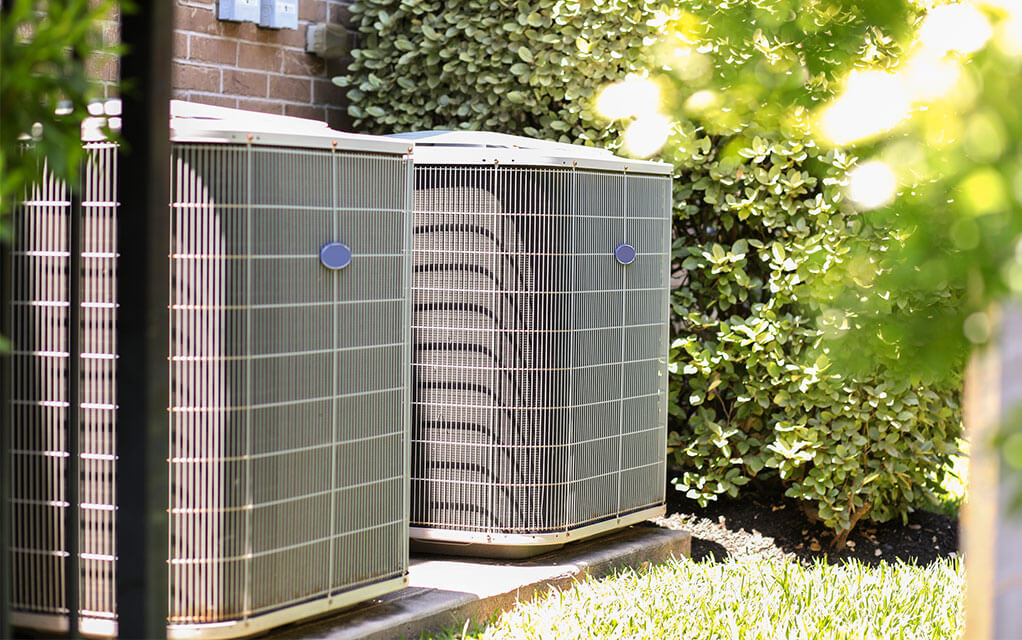
Taking care of your air conditioner during the cooling season also helps make it more energy-efficient. This means you can save some money on your utility bills. When you address small problems early, before they escalate into bigger ones, your unit will continue to function optimally even during the summer heat.
How Summer Heat Impacts Your HVAC System
High summer temperatures can put a lot of stress on your HVAC system. During the months when it needs to operate at peak performance, your cooling system will naturally work harder to maintain steady indoor temperatures, especially during the heat of summer, which can cause wear and tear over time. If there is no proper airflow around your outdoor unit or your home's air returns are blocked by clogged filters, the life of your system will degrade drastically, and the unit's performance during peak heat will be poor.
Heat pumps and central AC units require sufficient airflow to operate efficiently. If debris or damaged parts block airflow, your system will not cool as it should. This can cause the HVAC unit to overheat or cause certain parts to break or fail faster than they normally would. For example, dirty condenser coils trap heat, so the unit needs to work harder and use more energy to cool.
When you have proper airflow throughout the central air ductwork, your cooling stays strong and even. If there are leaks or gaps in the ducts, your cool air will escape into environments that do not need it, resulting in drastically higher energy costs. Even the best HVAC system will become increasingly less effective in these cases.
If you are aware of these things, you can focus on quick maintenance to keep your cooling system running at its best, even during the hottest days. Having a trusted HVAC professional on call or under contract can help catch many issues before the hot temperatures arrive.
Benefits of Regular Seasonal Maintenance
Performing regular seasonal maintenance on your HVAC system offers several significant benefits. Keeping up with air conditioner cleaning and other regular checks can prevent minor problems from escalating into costly repairs. When your system's filters and coils are cleaned regularly, along with other maintenance items, you help your system become more energy-efficient and last longer.
Taking care of your HVAC system in this way also helps the cooling system last longer by putting less stress on its essential parts. Often, manufacturers require a yearly inspection by a certified technician to maintain the warranty. If you ignore these jobs, your warranty might not cover you when something breaks.
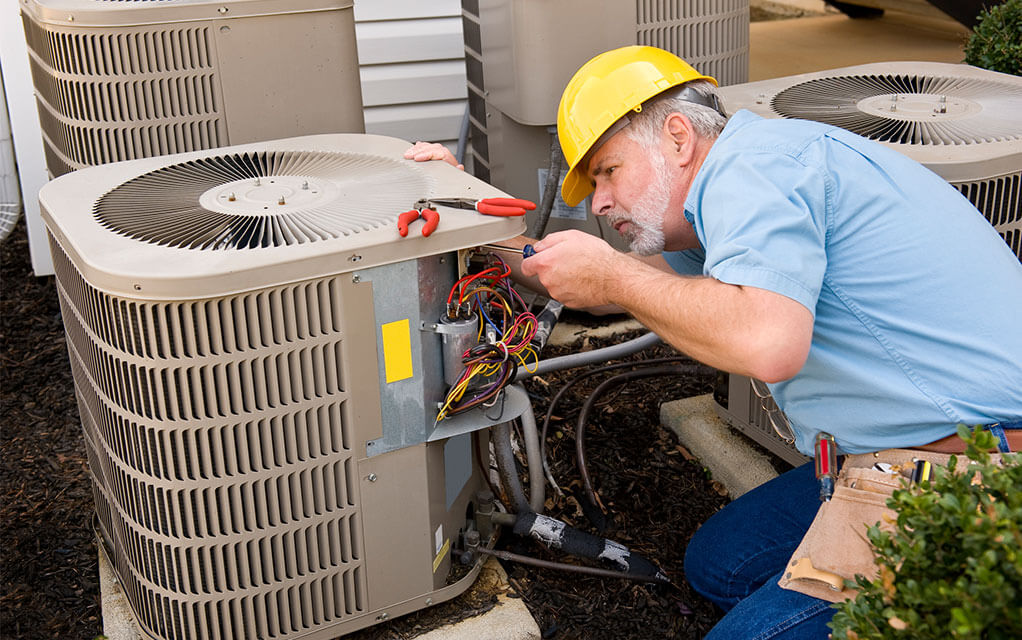
Having planned maintenance helps your air conditioner cool well throughout the summer. For example, when you clear out condensate drain lines, you can prevent water damage and keep the air conditioner functioning correctly. Having a service contract with a local HVAC provider or scheduling regular seasonal maintenance can sometimes mean the difference between a pleasant home and a sweltering home due to a broken HVAC system.
What are some common HVAC problems I should watch out for during the summer?
During the hot summer months, your HVAC system works overtime to keep your home comfortable, which can expose it to a range of common problems. In addition to refrigerant leaks and clogged drain lines, other issues frequently seen during hot months include:
Dirty or Clogged Air Filters: When air filters become dirty or blocked by dust and debris, airflow is restricted, leading to issues like uneven cooling. This forces your system to work harder, reducing efficiency and potentially causing the unit to overheat or freeze. Replacing or cleaning air filters every 1–3 months is a simple way to prevent this problem.
Thermostat Issues: Faulty or improperly calibrated thermostats can lead to inconsistent temperatures or cause your AC unit to cycle on and off more than necessary. Double-check that your thermostat is set correctly and consider upgrading to a programmable model for better energy management.
Electrical Problems: High summer demand can put extra strain on electrical components such as capacitors, relays, and wiring. Signs of electrical issues include tripped breakers, frequent cycling, or the AC failing to turn on entirely. If you notice these symptoms, it’s important to have a professional technician inspect your system promptly.
Dirty Condenser Coils: The outdoor condenser unit's coils are exposed to dirt, leaves, and debris during summer storms. When coils get dirty, heat transfer is compromised, and cooling efficiency drops. Cleaning the outdoor condenser unit coils at least once per season helps maintain optimal performance.
Frozen Evaporator Coils: If airflow is restricted—often due to clogged filters or blocked vents—the evaporator coil in the indoor unit may freeze. This not only reduces cooling but can also cause water damage when the ice melts. Addressing airflow issues quickly can prevent this from happening.
Blower Motor Problems: A malfunctioning blower motor reduces the amount of cool air circulating through your home. Listen for unusual noises, such as squealing or rattling, coming from your indoor unit as an early warning sign.
To avoid these common HVAC problems in the summer, schedule regular maintenance with a qualified HVAC technician before peak season begins. Preventive care ensures that potential issues are caught early, keeps your home cool all summer long while maximizing energy efficiency, and prolongs the lifespan of your equipment.
Preparing Your HVAC System for Peak Summer Performance
Preparing your HVAC system for summer is crucial to ensure you have reliable cooling throughout the season, especially during a heat wave. It's a good idea to hire a professional technician to inspect your system. This helps ensure the air conditioner works effectively in extremely hot weather.
Unless you are an experienced HVAC technician, it is highly recommended that you do not attempt any maintenance on your AC system. This system is a finely tuned machine, requiring precise measurements of refrigerant, power, and more. If you try to fix something on your own, chances are you will make the problem worse.
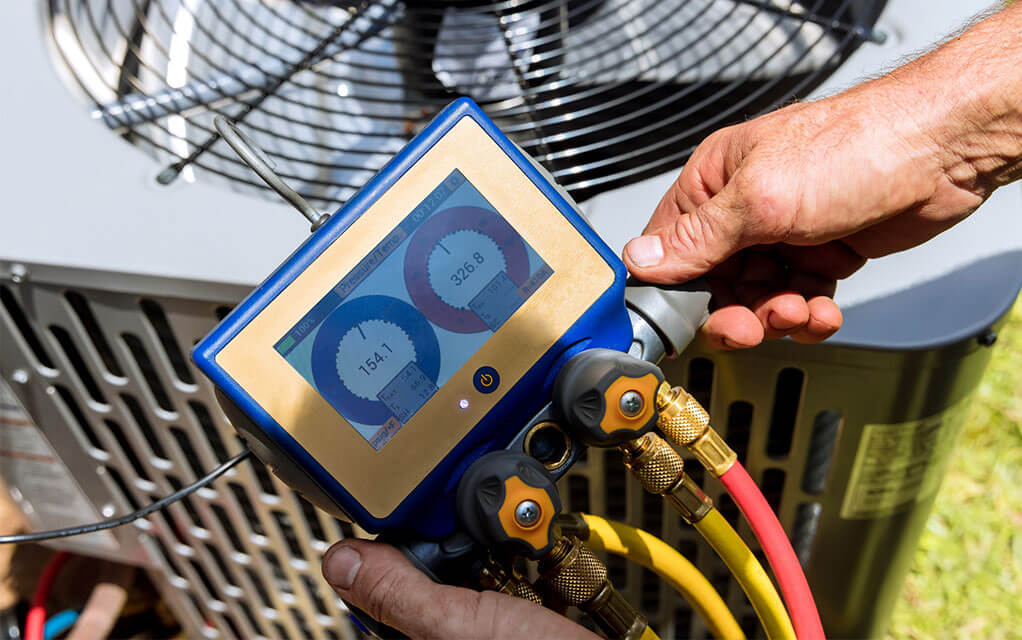
When the technician checks your HVAC, they inspect the refrigerant levels, electrical connections, and airflow. Fixing what is wrong early keeps the system from breaking when you need it most. If you take care of your air conditioner, your home will remain comfortable, even during the hottest times of the year.
Scheduling a Professional Pre-Summer Inspection
A professional inspection gets your HVAC system ready for the busy summer months. Certified technicians will inspect refrigerant levels and ensure they are adequate for your specific unit. They also inspect for leaks and can address any electrical issues. This careful process helps ensure your air conditioner is safe and works well.
Technicians inspect for damaged parts and repair them as needed. This restores your system’s ability to cool your home during the cooling season. Your tech will typically inspect the following items:
- Check refrigerant levels - Refrigerant is the lifeblood of your system, and a lack of it will severely impair your HVAC system's ability to cool your home effectively. Your technician will ensure your unit has the correct amount of refrigerant for its needs.
- Inspect electrical connections - Your tech will perform a basic check of the electrical systems, ensuring that sufficient voltage reaches key components to help prevent faults that could cause your HVAC system to fail.
- Examine airflow - The technician will inspect your system, remove and clean debris from components, and verify that all components are functioning correctly.
Keep in mind that issues can arise in your HVAC system, despite your service provider's best efforts to prevent them. However, it is still vital to undergo regular HVAC inspections and maintenance to help you avoid preventable emergencies and keep your HVAC system ready for summer.
DIY Checks Before the Heat Arrives
Simple DIY steps can help you take care of your air conditioner before the summer heat rises. These steps help your cooling system run efficiently and can prevent problems before they occur.
- Inspect and replace air filters regularly: Clean or replace them in your home to maintain optimal air quality. Your system requires return airflow from inside your home to function. If your air filters are old and dirty, your system may have to work twice as hard to cool your home.
- Clear outdoor unit debris: Keep your outdoor unit clean by removing dirt and debris from around it. Your HVAC technician will typically clean the coils and inside of the unit if necessary, but you can also do your part by cleaning the unit throughout the year. If you notice any issues, consider scheduling HVAC repair to ensure optimal performance.
- Check the breaker box: Ensure your air conditioner receives consistent power, and heed your HVAC tech's advice if they identify any issues.
- Seal duct leaks: Prevent cool air from escaping by inspecting the visible ductwork for leaks.
- Clean vents: Remove any obstructions, such as furniture or rugs, that block airflow. This is an easy way to help increase airflow in your home and reduce the strain on your system.
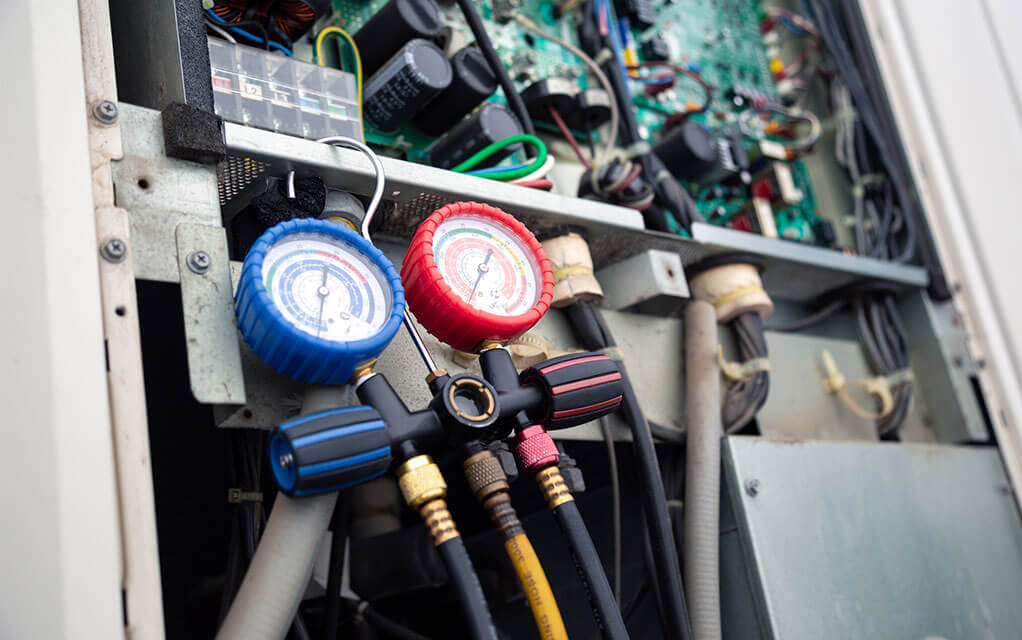
You should always turn off the power to your unit when cleaning to stay safe. Performing these tasks in conjunction with professional check-ups will help your air conditioner continue to cool your home effectively throughout the summer. Remember - leave any technical or electrical fixes to the professionals!
Essential HVAC Maintenance Tasks for Homeowners
Homeowners can keep their HVAC system running smoothly by following some HVAC maintenance tips and performing simple maintenance. Be sure to inspect items such as air filters and the outdoor unit regularly to ensure safe operation and optimal cooling.
When you perform these tasks, you help protect the HVAC system from debris, moisture, and allergen buildup. Taking care of your system in this way also maintains high energy efficiency and makes your home more comfortable. If you stay on top of this now, your system will be ready to use when the summer heat returns.
Cleaning or Replacing Air Filters
One important task is to change air filters regularly. Keeping air filters clean helps your air conditioner produce fresh, allergen-free air, and regularly changing them throughout the year often improves airflow. Plan to replace your air filters at least every three months to maintain consistent air return for your system.
Dirty filters can prevent your HVAC system from functioning correctly and will increase your utility bills. Depending on how your system and home are constructed, mold may even grow in your home or system. If you have pets or someone smokes inside, it's essential to check your air filters monthly and clean them to maintain good indoor air quality.
To put in new filters, turn off the HVAC system. Take the old filter out. Install a new one that matches the air return size. Using a filter that is too small for the return will allow debris, dust, and other particles to enter your system, potentially damaging it. Regularly replacing or at least cleaning your air filters will go a long way in keeping your system running smoothly.
Clearing Debris from Outdoor Units
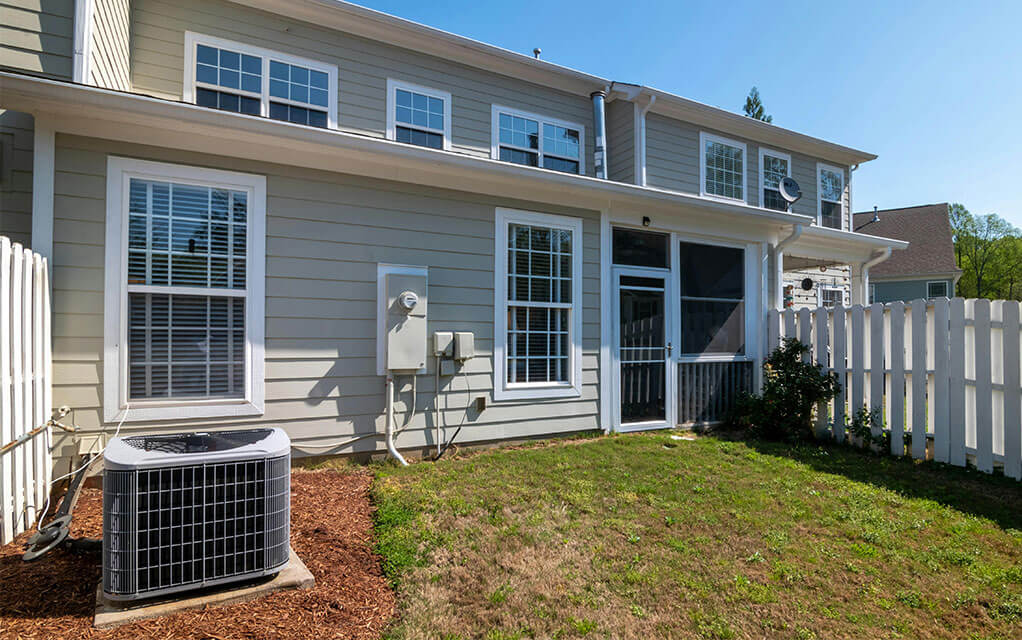
Keeping your air conditioner’s outdoor unit free of dirt is crucial for maintaining good airflow and ensuring the system operates efficiently. If dirt or plants block the condenser coil or if there is insufficient airflow space around your unit, it can cause the unit to overheat, potentially damaging or breaking your outdoor unit, which can be costly to replace.
While it is also beneficial for your outdoor unit to have shade, never place a tent or cover over it for shade purposes. Your outdoor unit needs upward airflow to cool the coils while also drawing air in from the sides. Disrupting this can cause your system to overheat as well.
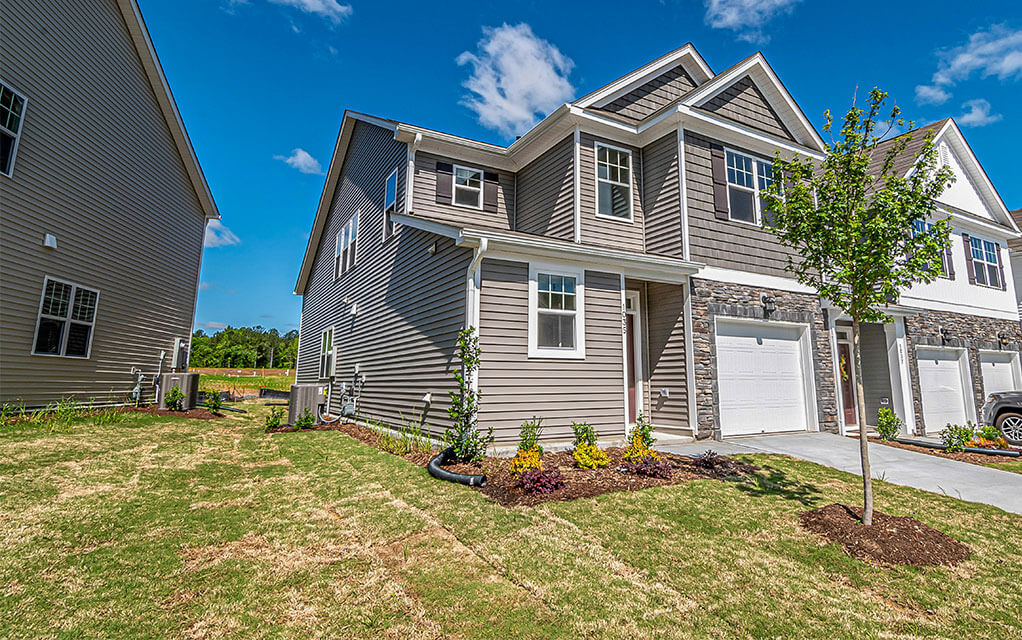
To prevent this from happening, first trim any shrubs or plants near the outdoor unit, or remove them entirely. You can clean the condenser fins with a garden hose, but use a low-pressure setting and avoid using a power washer. A hose is enough to get dirt off the fins while keeping them safe. Regularly cleaning this will help maintain proper airflow and prolong the life of your air conditioner’s parts.
Be sure not to cover your outdoor unit either. While it might seem like a good idea to keep the sunlight from beating down on your outdoor unit, it needs proper airflow to work properly. Blocking its ability to pull in air or vent air out of the top of the unit can seriously affect its ability to cool your home or, worse, damage the components inside. If you are concerned about your unit overheating, contact your trusted HVAC company for advice and a consultation.
Check the outdoor unit every year. Ensure the base is flat and prevents water from accumulating near the unit. Uneven ground or standing water can cause water damage or reduce your unit's efficiency. Performing these tasks helps your air conditioner continue to function properly as the outside temperature rises.
Optimizing Your Home for Cooling Efficiency
Better cooling helps you feel more comfortable in your home and saves money on your bills. Simple changes at home, such as sealing leaks around windows and doors and using smart thermostats, help maintain steady and consistent temperatures. These changes also help you use less electricity and monitor your system when you're not at home.
Optimizing your cooling system benefits both your wallet and the environment. Use these tips to keep your place cool, save energy, and minimize excessive energy use on your bills during the summer, if possible.
Sealing Windows and Doors to Prevent Cool Air Loss
Windows and doors can let cool air out, which makes your HVAC system work harder to maintain the right temperature in your home. To stop losing energy, check the seals on your windows and doors. Inspect for any signs of wear or small gaps and fill them.
Use weatherstripping or caulk to seal any openings around the window frames or doorways. Doing this will help you keep your cooling system from working too hard and can lower your energy bills. Also, check your ductwork for any leaks. Ensure all ducts are sealed correctly to achieve even cooling in every room. Fixing these minor issues can significantly improve your home's energy efficiency.
While these might seem like minor fixes, they can all add up, as air will escape from your home to equalize with the temperature outside, as best it can. Avoid it by filling the gaps in your doors and windows!
Using Smart Thermostats and Energy-Saving Settings
Smart thermostats help lower energy costs and maintain a comfortable temperature in your home. With programmable settings, you can adjust the cooling for specific times, such as when you're at home or when the house is empty, and set schedules accordingly.
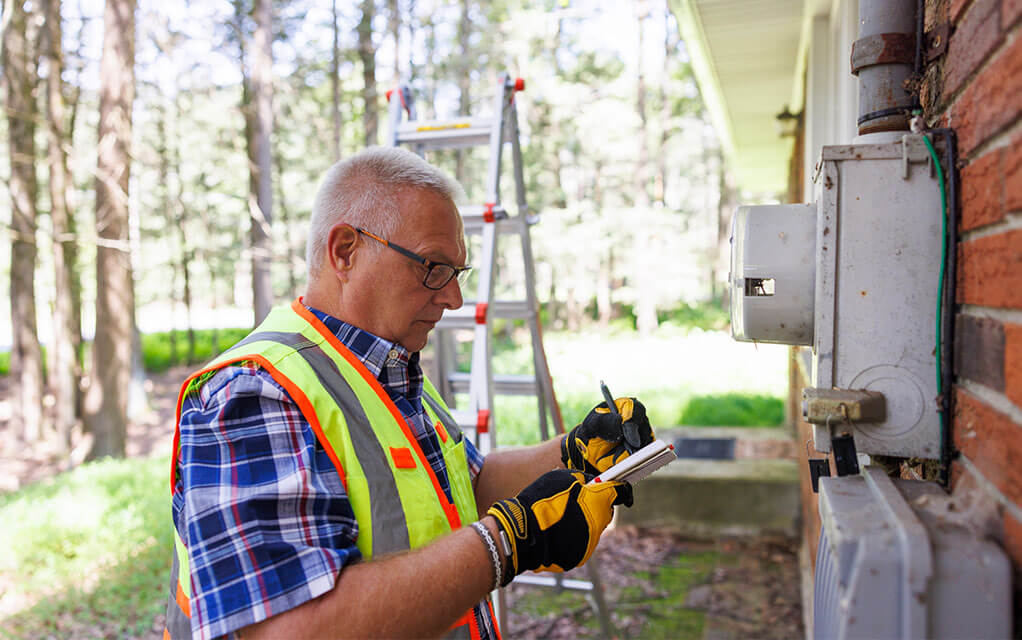
For example, you can save energy by adjusting the temperature while you are away. Explore thermostat features, such as tracking your daily habits or using a mobile app to manually adjust the temperature. These help you gain better control over your cooling.
Follow these best practices and periodically review your thermostat use. This way, you can make changes to fit your cooling needs. Using a smart thermostat can help you save energy and maximize your system's efficiency.
Moving to a Cooler Climate? Let Zippy Shell Help!
We hope you can use these tips to maintain your HVAC system more effectively and stay cool during the Summer season. If you're tired of the extreme heat or looking to make a move this Summer, check out how Zippy Shell can help you!
Zippy Shell's portable moving and storage containers are the ideal solution for all your moving and storage needs. Here is how it works: you pick your preferred delivery date, and we will drop off a container at your home. You can take as long as you need to pack it at your own pace or have third-party professional laborers do the loading and unloading for you! When you are done, we will come out, pick it up, and deliver it to your new home. Or you can have it stored for the short- or long-term in one of our 90+ nationwide secure storage facilities. No driving, no stress - it is that simple!
Zippy Shell lets you pack on your schedule, so you can avoid packing in the heat of the day or stressing about doing it all in one day, no matter how bad the weather might be. Whether you're moving locally, long-distance, want full-service moving options, or need to store your belongings, opt for flexibility and choose Zippy Shell!
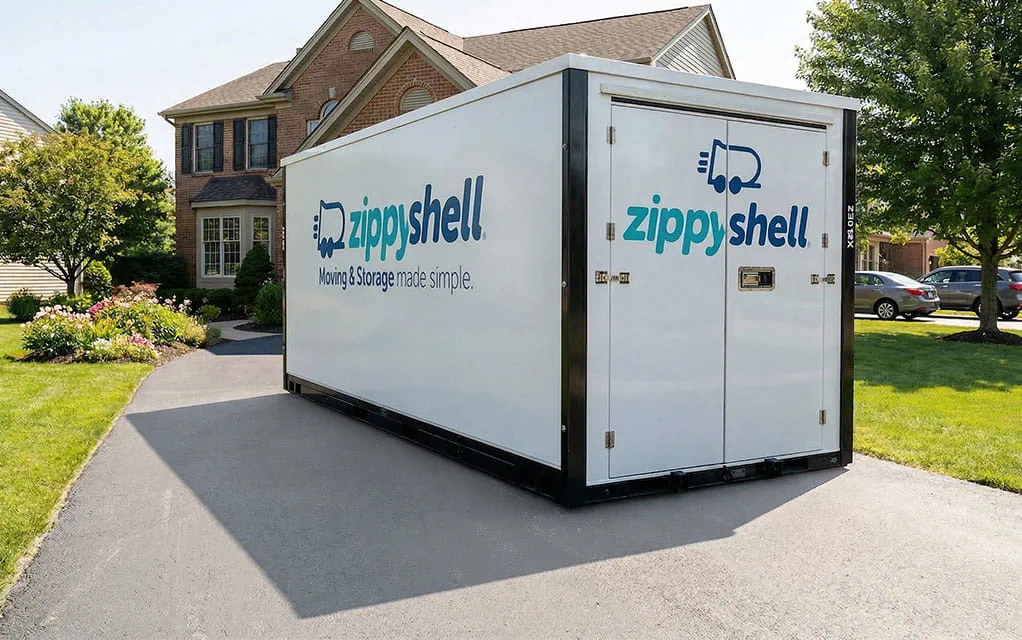
Give us a call or go online for a free quote today to get the process started!
Frequently Asked Questions About HVAC Maintenance and Tips
What is the best thermostat setting for the summer?
To get both comfort and energy efficiency, keep your thermostat set between 72°F and 78°F in the summer. Suppose you are not at home or are going on vacation. In that case, adjust the temperature to a higher setting, or as close to the outside temperature as possible without damaging items in your home (typically not exceeding 80°F is a good rule of thumb). This helps you use less energy while still allowing your AC system to work efficiently without overexertion.
If you live in a particularly humid climate, you might need to set it a little lower to prevent humidity in your home from reaching unsafe levels, which can trigger mold and mildew growth.
How often should HVAC filters be changed during summer?
It is recommended that you check and replace your air filters every 3 months. If you have pets or people with allergies in the house, you may need to change the air filters every 2 months. This helps maintain good indoor air quality and ensures your air conditioner functions effectively by ensuring sufficient air returns to the air handler.
How can I tell if my HVAC system needs professional service?
Signs that your HVAC system might need work include fluctuating or increasing temperatures, higher energy bills, or electrical issues. If the system is not working correctly, you should call an HVAC technician to inspect it. Unusual sounds or smells may indicate the need for emergency repairs, so it's a good idea to seek help promptly.
What are the signs of poor indoor air quality in summer?
Some signs of problems include musty smells, visible moisture, mold, or worsening allergy symptoms. Poor airflow or leaks in systems can worsen indoor air quality. If you see these issues, fix them as soon as you can. This will help keep your home healthy.
Are there ways to reduce energy bills while keeping cool?
In addition to installing smart thermostats, sealing windows and doors, and scheduling regular maintenance, there are several other practical measures you can take to maximize your energy savings and enhance your home's comfort. For example, replacing air filters in your HVAC system every 1 to 3 months ensures optimal airflow and reduces strain on your unit. Utilizing ceiling fans throughout your home can help distribute cool air more effectively, allowing you to set your thermostat a few degrees higher without sacrificing comfort.
You might also consider upgrading to energy-efficient appliances or using blackout curtains during the hottest parts of the day to block out sunlight and heat, especially as outdoor temperatures rise. If possible, planting shade trees near sun-exposed windows can further reduce cooling costs over time. Setting your thermostat a few degrees higher when you’re away from home or asleep will also conserve energy without impacting daily comfort.
Regularly checking for leaks or drafts around ductwork and insulating attics or crawl spaces can make a significant difference in keeping conditioned air inside. These combined efforts not only lower utility bills but also extend the lifespan of your air conditioning system by preventing unnecessary wear and tear and addressing potential energy loss.
- Moving Tips (132)
- Home Organization (60)
- Fun Stuff (54)
- Home Maintenance Tips (48)
- Packing Tips (36)
- Storage Tips (35)
- Home Buying and Selling Tips (24)
- News Releases (24)
- Home Renovation Tips (16)
- Moving on a Budget (11)
- Portable Storage (11)
- Moving and Storage Tips (2)
- Household Moving (1)
- In the Community (1)
- Moving Company Comparisons (1)