How to Easily Handle Moving a Grill Like a Pro
October 23, 2026
Key Highlights of Moving Your Grill
- Let your grill cool completely before moving it to avoid burns and reduce potential hazards.
- Remove the propane tank, charcoal briquettes, or other fuel source before loading into your portable storage container.
- Clean grease, ash, and charcoal debris to prevent leaks, smells, and mess during storage.
- Take out loose parts, then secure the grill lid with packing tape or bungee cords.
- Use a moving blanket and a hand truck to protect and move the grill safely.
- Ask your moving company about restricted items before a local or long-distance move.
Moving a barbecue grill sounds simple until you remember the grease, weight, and loose pieces that come with it. To get your grill to your new home safely, a little prep makes a big difference. Whether you handle the job yourself or work with professional movers, the goal is the same: move it cleanly, safely, and without damage. This guide walks you through practical steps for using portable storage containers to move your stuff and your grill so it is ready for your next backyard meal.
Understanding the Basics of Moving a Grill
Before you move a barbecue grill, start with the basics. The safest steps are simple: let it cool, clean it, remove the fuel source, secure anything loose, and keep it upright when possible. That lowers the chance of spills, dents, and injuries.
A grill can become a hazard if you leave grease, ash, or fuel inside. Even if you plan to transport restricted items in your own vehicle instead of a truck bed, put the grill in a portable storage container only after you've fully prepared it. Next, consider the type of grill you have.
Types of Grills You Might Be Moving
Not every grill moves the same way. A propane grill usually has more components, such as burners, side shelves, and a propane tank connection, that you need to protect during a move. A charcoal grill is often lighter and has far fewer components to worry about damage-wise, but it can still leave behind ash, charcoal briquettes, and charcoal debris if you skip cleaning. A traditional grill may also have wheels, which make short moves across your yard or driveway easier.
Then there are smokers or pellet grills. These units often include a larger cooking chamber, added shelves, grease systems, and various other removable parts. You also need to empty a pellet grill's hopper before transport. Those details matter because shifting parts can cause damage during loading or storage.
So, can you move your grill and smoker the same way? The general process is similar, but a smoker or pellet grill usually needs more careful handling, more padding, and closer attention to loose parts.
Common Challenges When Moving a Grill
One common problem is weight. A large grill can be awkward to lift, and some models are almost as hard to move as heavy furniture. If you rush, you could strain yourself or bump the grill into walls, doors, or other packed items. That is how scratches, bent frames, and significant damage happen.
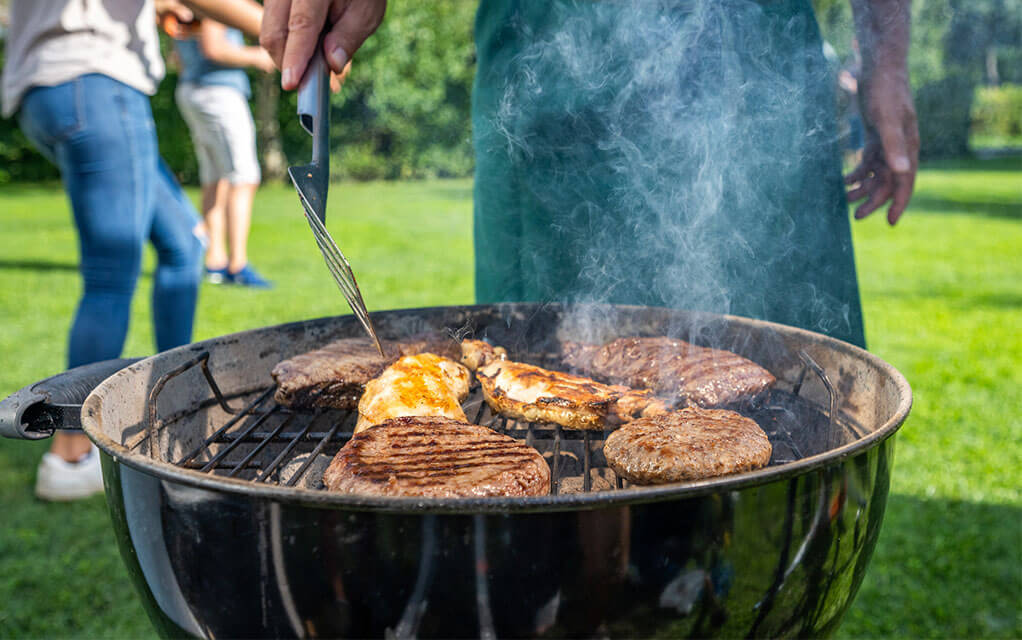
Another issue is movement during transport. Loose parts like racks, grill plate sections, ash catchers, and side shelves can shift if left in place. Even the grill lid can swing open, damaging the grill or other items you are moving. These small shifts often lead to dents, broken hardware, or chipped finishes.
There are also rules to consider. Almost all moving companies restrict transporting or storing fuel items in their portable storage containers, traditional moving trucks, and many storage lockers. To protect your grill from damage during transport, remove anything that can shift, wrap the exterior, and keep it away from heavy items inside the container.
What You Need to Safely Move a Grill
You do not need a long list of supplies, but the right tools matter. Essential equipment usually includes packing tape, a moving blanket, bungee cords, and a hand truck. These items help you protect the grill, steady the lid, and move it with less strain.
Cleaning supplies matter too. Paper towels, warm water, and soapy water help remove grease before you load it. For the best way to pack and move a BBQ grill safely, prepare it first, then use simple tools to secure it. Here is a closer look at what helps most.
Essential Equipment and Packing Materials
Start with materials that protect both the grill and everything around it. You do not need fancy gear. A few reliable items can make loading into portable storage containers much easier and reduce wear during storage or transport. If your grill will spend time at a storage facility, good prep becomes even more important.
Use these basics before loading:
- A moving blanket to reduce scratches and protect stainless steel surfaces
- Packing tape to hold padding in place and secure smaller wrapped items
- Bungee cords to keep the grill lid or grill top from opening
- A hand truck to roll heavier grills safely instead of dragging them
You may also want bags for hardware and removable parts. Labeling helps during setup at the new home. If you plan on-site or warehouse storage between homes, these same supplies support cleaner, safer, and more organized storage from start to finish.
Safety Guidelines for Handling Heavy Grills
Never treat a heavy grill like a quick carry item. The best way to lift and carry a heavy barbecue grill is to use help when needed, move slowly, and keep the unit upright. If it has wheels, roll it carefully. If not, lift from sturdy frame areas, not fragile sections.
Also pay attention to the weight of your stuff inside the portable storage container. Keep a heavy gas grill or smoker away from other large items so the load stays balanced. If too much weight sits in one area, shifting can happen during transit and cause significant damage.

Just as important, avoid lifting by the lid, side shelves, or control areas. Those parts are not meant to hold the load and can break. A grill with grease residue, ash, or attached fuel can also become a hazard, so finish all prep before moving it.
Step-by-Step Guide: How to Move a Grill Like a Pro
For a smooth move, follow the steps in order. First thing, make sure the grill is cool and clean. Then remove the fuel, take out loose pieces like the grill plate, flavorizer bars, and drip pan, and secure the grill lid so nothing swings open.
After that, protect the exterior and load it carefully by the frame or side panels, not the side shelves. This process works for most grills and answers a key question: the safest steps are preparation, protection, and steady loading. Let’s break each step down.
Step 1: Make Sure Your Grill Is Cool and Clean
Never move a grill right after cooking. Wait until it is completely cool to the touch. Some guidance suggests waiting at least 24 hours after use. That extra time helps reduce burns and keeps heat from building up inside portable storage containers, especially after direct sunlight exposure.
Next task: clean the grill well. This step matters for two reasons: it prevents leaks and helps prevent an unpleasant odor from building up during storage or travel. Focus on the areas where grease and ash collect most.
Clean these spots before loading:
- The inside of the grill, including grates and lower surfaces
- The drip pan and grease-catching areas
- Any ash or charcoal debris left behind
Use warm, soapy water, then dry everything completely. A clean grill is easier to handle, safer to pack, and much nicer to unpack at your new home location.
Step 2: Disconnect and Remove Fuel Sources (Propane, Charcoal, Pellets)
When preparing to move or store your grill, prioritize safety by handling fuel sources correctly and thoroughly cleaning the equipment. Always detach the fuel source first to prevent accidents or hazardous leaks during transport. For propane grills, turn off all burner knobs, securely close the valve on the propane tank, then disconnect the hose. Never move a grill with a propane tank still attached; instead, transport the tank separately and keep it upright in your vehicle to minimize the risk of leaks or explosions.
For charcoal grills, remove all charcoal briquettes and ensure any ash is completely cooled before disposal. Clean out any leftover debris, including the ash catcher and the bottom of the bowl. This reduces fire risk and keeps pests away during storage.
If you’re moving a pellet grill, unplug it first. Empty out the pellet hopper completely and remove residual ash and grease from inside the grill. A clean grill is less likely to develop mold or other issues while in transit or storage.

Most portable storage container companies, such as Zippy Shell, have strict rules about what you can place inside their containers. Propane tanks are almost universally prohibited because they pose a serious safety hazard. Many companies also restrict charcoal because it's flammable; even if fully extinguished, it can sometimes retain enough heat to start a fire under certain conditions.
Given these restrictions, the simplest and safest option is to buy a new propane tank and fuel once you arrive at your new home. This approach eliminates potential hazards during your move and ensures compliance with storage provider policies. Always check with your moving company or storage provider ahead of time to understand their specific requirements for grills and fuel types to ensure a hassle-free relocation.
Step 3: Disassemble Removable Parts and Secure Loose Items
Most grills don't need full disassembly, but remove anything that isn't firmly attached. That includes removable parts such as grates, warming racks, drip trays, rotisserie pieces, and loose accessories stored on or in the grill. Taking these out helps prevent rattling and interior wear.
It is usually better to move the main body mostly assembled while separating smaller items. That gives you a more stable shape to handle without letting pieces bounce around. If your side shelves fold or come off easily, consider removing them too, especially on larger units.
Place screws and hardware in a labeled bag. Then secure the grill lid and any moving sections with bungee cords or packing tape. This simple step keeps doors, lids, and panels from opening during loading, which lowers the risk of dents, scratches, or lost parts.
Step 4: Protect and Wrap Your Grill for Transport
Once you've cleaned and emptied the grill, protect the exterior before loading. This is especially useful for a stainless steel or new grill you want to keep looking its best. A moving blanket can help prevent scratches and minor dents while the grill sits in portable storage containers during local or long-distance moves.
Focus on simple protection steps:
- Wrap the main body with a moving blanket
- Use packing tape only to hold padding in place, not on delicate finishes
- Keep handles and wheels exposed so the grill is still easy to move
- Make sure the grill is cool before wrapping anything around it
Keep the grill out of direct sunlight before loading, as this can make the metal hot to the touch and unmovable until it cools off. Excess heat and shifting cargo can increase the risk of significant damage. Good padding now can save you from repair or replacement later.
Step 5: Safely Lift and Load Your Grill into a Portable Storage Container
When moving your grill, keep it upright as much as possible. For heavier grills, a hand truck can make the job easier, or you might be able to roll it using its own wheels for short distances. If you need to lift it, get help and always grip the strong frame or sturdy base, not the lid, knobs, or side shelves. Inside a portable storage container or unit, set the grill where it will stay steady; distribute heavy items throughout the space so you don’t concentrate weight in one area, especially with substantial gas grills or smokers.
Position the grill away from areas where it could tip into large furniture or be damaged by stacked boxes.
For best results:
- Use a hand truck or roll the grill if it's stable.
- Always grasp the frame or sturdy lower parts, not the lid.
- Place it upright in the container, clear of unstable heavy objects.
- Keep the load balanced by spreading out the weight across the storage unit.
- Avoid busy stacks, unstable boxes, or anything nearby that could fall.
Whether you are putting a grill in a truck bed or a storage locker, remember the key principle: keep the grill upright, steady, and protected from shifting hazards.
Moving Tips for Different Grill Types
Your grill type changes how much prep you need. A propane grill, charcoal grill, smoker, and pellet grill all follow the same basic moving steps, but each one has a few details that matter. Fuel removal, cleaning, and padding should match your grill.
That means you can move a grill and a smoker similarly, but not always in exactly the same way. Size, weight, and removable components make the difference. Here are practical tips for each grill type.
Moving a Gas Grill
To prepare a propane grill, shut off all burners and disconnect the propane tank. If allowed and safe, set the tank aside for separate transport in your personal vehicle, or confirm with your moving company whether they can move it. Clean, empty, and load the grill without any connected fuel source.
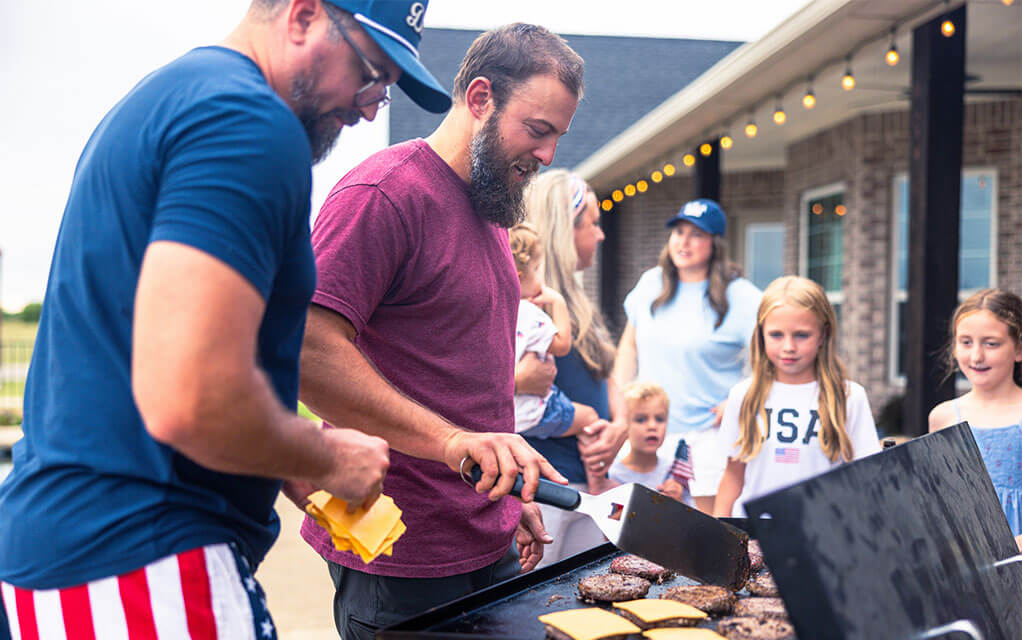
After that, remove or secure grates, the drip tray, and other removable parts. Close and secure the lid, then wrap the exterior if you want to protect a stainless steel finish. Be careful around knobs, handles, and side shelves, since those areas can bend or crack more easily than the frame.
A gas grill can move well in portable storage containers when it is upright and balanced with the rest of your load. Once you arrive at your new home, you can reconnect a safe fuel source or, if needed, purchase a new tank. If you want extra help, a trusted moving company may also offer a free quote.
Moving a Charcoal Grill
A charcoal grill is often easier to handle, but it still needs careful prep. First, make sure all coals are fully cold. Then remove all charcoal briquettes, loose ash, and any debris in the bottom of the grill. Empty and wipe the ash catcher to prevent spills when you move the grill.
This type of grill often has fewer parts, but the grill top or lid should still be secured. If the cooking grate lifts out easily, pack it separately. Even a small part that shifts around can scratch the inside or chip the finish during loading.
The key precaution with a charcoal grill is cleanup. Ash and leftover fuel are messy and flammable, so never leave them inside during transport or storage. Once clean and empty, this type of grill usually fits well in portable storage containers and takes up little space.
How to Move a Smoker or Pellet Grill
Moving a smoker, especially a pellet grill, is more complex than moving a traditional grill because of its size, weight, and additional electrical components. Pellet grills feature a hopper for storing pellets and usually have digital controls and wiring that require extra caution during transport. Before moving your smoker, empty the pellet hopper completely—leftover pellets can attract moisture and damage internal mechanisms. Thoroughly clean the inside of the cooking chamber by removing ash, grease buildup, and residue to prevent messes or corrosion during transit.
Many smokers come with detachable parts such as racks, trays, side shelves, or even removable doors. Take these pieces out and label them so reassembly is straightforward when you arrive at your new location. Bag small hardware and tape it to larger components or store it in a designated box.
When wrapping your smoker for transport, pay special attention to delicate areas, especially digital controls and exposed wiring. Avoid putting pressure on control panels; use bubble wrap or padding around them. A moving blanket offers excellent protection for wider surfaces and can help prevent scratches or dents to the exterior finish.
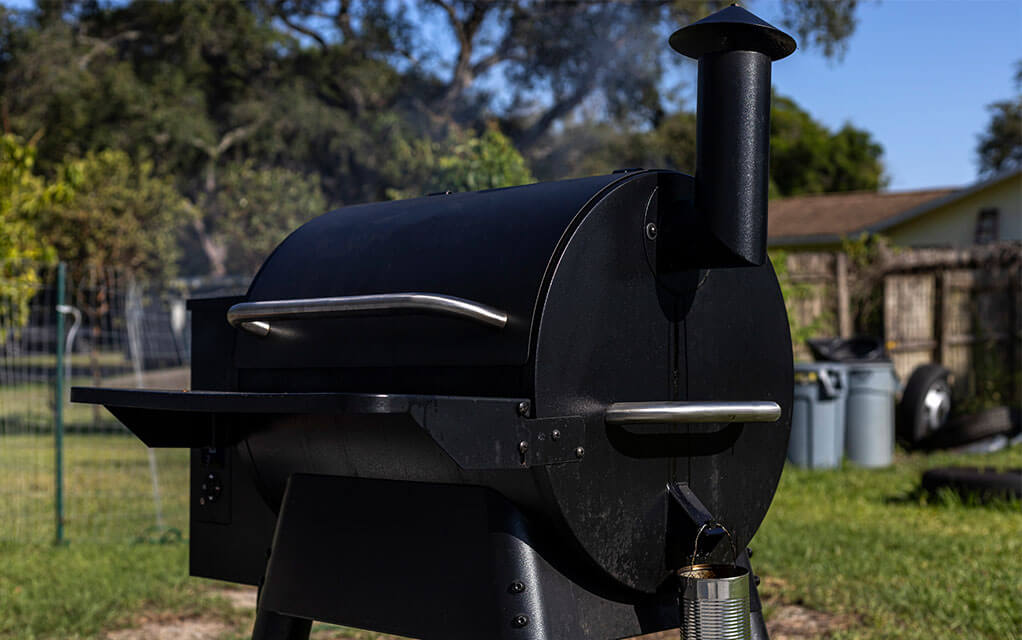
Because smokers are heavier than standard grills and usually have an uneven center of gravity due to their bulkier design and internal components, always keep them upright during the move. Tipping the unit could damage electrical parts or cause grease trays to leak. Place the smoker on a stable surface within the vehicle or container, preferably against a wall for added support.
Securing your smoker is key: use straps or bungee cords, if possible, to keep it from shifting during transport. If moving up stairs or over rough terrain, enlist help—smokers can be awkwardly shaped and difficult to maneuver solo.
These precautions help ensure your smoker arrives safely at its destination without damage—and is ready for your next barbecue session with minimal hassle.
Let Zippy Shell Help Move Your Grill and Belongings to Your New Home
Moving a grill requires careful planning and execution to ensure that it arrives at your new home in perfect condition. By understanding your grill type and following essential safety guidelines, you can make the process much easier. Working with a moving company that moves your stuff on your schedule, like Zippy Shell, can make everything easier, no matter how many grills and smokers you need to move!
Here is how it works: We deliver a portable storage container to your location, and you can pack it at your own pace or have professional labor help load it for you. When you're done, we will pick up your container and deliver it to your new home or store it short- or long-term at one of our 90+ secure storage facilities across the continental United States. Whether you are making a local or long-distance move or just need to store your stuff for a bit, Zippy Shell is the flexible, all-in-one solution you need to get the job done on your terms!
Start today with a free quote and see how we can make moving and storage simple for you!
Frequently Asked Questions About Moving Grills
Is it better to move a grill assembled or disassembled?
It is usually best to keep the main grill body assembled and remove only the removable parts. Take out loose parts, secure the grill lid, and remove side shelves if they fold or detach easily. Use packing tape or ties to keep moving sections closed during transport and storage.
How do I protect my grill from damage during transportation?
When preparing your grill for transport, wrap it in a moving blanket and secure the padding with packing tape to protect it from scratches, dents, and other potential damage. Keep the grill upright to prevent internal parts from shifting or falling out of place. Also, keep the grill away from heavy furniture or items that may slide or topple during transit, which could cause significant harm.
If you’re loading the grill into a truck bed or a portable moving container, place it on a flat, stable surface. Use straps or bungee cords to further secure the grill and prevent movement while driving. Avoid stacking other items on top of the grill, as excess weight could damage its structure or finish. Double-check that you remove all propane tanks before moving; this is both a safety measure and helps reduce overall weight.
Are there regulations for moving grills across state lines in the US?
Some states or companies may regulate fuel-related items in the United States, particularly the transport of propane tanks and other flammable materials. These items are considered hazardous because improper handling can cause fires or explosions. As a result, many moving companies and storage facilities have strict policies that prohibit transporting or storing propane tanks, gasoline, lighter fluid, and similar substances.
If you’re planning a move or need temporary storage, check with your moving company or storage provider beforehand about their specific hazardous-materials regulations. Some companies may provide guidelines for safely disposing of these items or refer you to specialized disposal services.
Federal regulations from agencies like the Department of Transportation (DOT) and the Occupational Safety and Health Administration (OSHA) govern interstate transport of hazardous materials. Violating these rules can lead to fines or legal action.
For those relocating within the continental United States, make safety your top priority by handling any fuel-related items according to official guidelines. Never attempt to ship propane tanks or similar materials without confirming their acceptability with professional movers or storage operators. If unsure, contact local waste management authorities for advice on safe disposal options. This proactive approach will help protect both your personal property and public safety during your move.
What should I do to set up my grill safely after the move?
Once you reach your new home, inspect the grill for loose hardware or damage before use. Reinstall removed parts, then reconnect a propane tank only if everything looks secure. Keep the grill in a safe outdoor spot, not crammed into traditional storage areas or left overheating in direct sunlight.
Are there specific precautions to take when moving a gas or charcoal grill?
When preparing a propane grill for transport, disconnect the propane tank and transport it separately from the grill—never move the grill with the fuel source still attached for safety. Make sure the tank valve is tightly closed, and secure the tank upright in your vehicle to prevent leaks or tipping.
For a charcoal grill, thoroughly remove any remaining ash or unburned charcoal from the grill and the ash catcher—this helps prevent messes and reduces fire risk during transit. Also clean out any grease residue inside the grill that could spill or emit odors.
With both types of grills, check whether the grill grate or plate is loose; if so, remove it and wrap it separately, or secure it inside the main compartment to prevent movement that could cause damage. Securely close and latch or tie down the lid with bungee cords, straps, or sturdy tape to keep it shut while in motion.
Lastly, always keep the grill upright while loading and moving it in your vehicle or storage container. Transporting grills on their side can lead to spills of leftover grease or ash and may damage internal components. If possible, cushion around your grill with blankets or padding to minimize shifting during transport.
Is moving a smoker different from moving a traditional grill?
Compared to a traditional grill, a smoker is typically bulkier and has a larger cooking chamber designed for slow cooking and infusing food with smoky flavors. Many smokers also come equipped with several removable components such as racks, trays, water pans, and drip pans. When preparing a smoker for transport or storage, clean each part thoroughly. Start by removing all internal racks and trays, then wash them thoroughly to remove grease and food residue that could attract pests or cause odors during storage.
After you clean and dry the internal components, wipe down the inside of the smoker’s chamber to remove any remaining ash or debris. Don’t forget to clean out the firebox if your smoker has one, as leftover charcoal or wood chips can pose a fire hazard or create messes during transit.
After you remove and clean all interior parts, secure any loose pieces separately, wrap small parts in bubble wrap, or place them in labeled bags for easy reassembly later. For added protection during moving or storage, cover the smoker's exterior with a thick moving blanket. This not only shields the surface from scratches and dents but also helps prevent rust caused by moisture exposure.
When loading your smoker into portable storage containers or onto a moving vehicle, position it upright and secure it tightly to prevent shifting. If possible, disassemble larger detachable sections to make handling easier and reduce the risk of damage. Taking these extra precautions will help keep your smoker in optimal condition until you’re ready to use it again at your new location.
- Moving Tips (133)
- Home Organization (60)
- Fun Stuff (54)
- Home Maintenance Tips (49)
- Packing Tips (38)
- Storage Tips (35)
- Home Buying and Selling Tips (24)
- News Releases (24)
- Home Renovation Tips (16)
- Moving on a Budget (11)
- Portable Storage (11)
- Moving and Storage Tips (2)
- Household Moving (1)
- In the Community (1)
- Moving Company Comparisons (1)