Top Strategies to Manage Moving Stress Effectively
March 06, 2026
Key Highlights of How to Manage the Stress of Moving
- Understanding the sources of stress during a move is the first step toward managing your mental health.
- Planning ahead with a detailed checklist and a realistic budget can prevent overwhelm and financial strain.
- Downsizing and organizing your belongings early makes the entire process smoother and less chaotic.
- Hiring a reliable moving company like Zippy Shell that can handle the driving for you and help provide labor assistance to reduce your stress.
- Prioritizing emotional well-being and self-care is crucial for adjusting to your new home.
- Establishing routines quickly after you arrive helps create a sense of normalcy in your new surroundings.
Moving to a new home is an exciting milestone, but the moving process itself can be incredibly overwhelming. From packing up your life to adjusting to a new environment, the experience can take a serious toll on your mental health. The good news is that with the right strategies, you can navigate this major life change with less stress and more confidence. Our guide will help walk you through effective ways to manage the stress of moving before, during, and after your big day, ensuring a smoother transition for you and your family.
Understanding Why Moving Is So Stressful
Moving often ranks among life's most stressful events, right up there with major job changes or even divorce. It disrupts every aspect of your daily life, from your morning routine to your sense of place and community. This upheaval can negatively impact your mental health, causing anxiety and a feeling of being uprooted.
Recognizing the sources of this stress is a crucial step toward managing it. The moving process involves a long list of logistical, financial, and emotional challenges that can feel daunting. Let's explore the specific causes of this stress and its psychological effects.
Main Causes of Moving Stress in the United States
The moving process is a complex undertaking with many moving parts, making it one of the most stressful events for many people. Common stressors include the financial burden of the move, the sheer volume of tasks to coordinate, and the emotional toll of leaving a familiar place. The worry about items getting lost or damaged during transit adds another layer of anxiety.
From hiring a moving company to packing your entire life into boxes, the logistics can be exhausting. On moving day, this stress can peak as you face the physical act of transporting your possessions, especially if you are doing everything in one day. You might also feel a profound sense of loss when leaving behind a home filled with memories and a community you've grown to love, which can certainly add to your conscious and unconscious stress levels.

Here are some of the main reasons moving is so stressful:
- Logistical stressors: Planning the move, packing, hiring movers, and changing and updating addresses.
- Financial stressors: Budgeting for expenses, unexpected costs, and potential job changes.
- Emotional stressors: Leaving familiar surroundings, saying goodbye to friends, and the uncertainty of what to expect in your new location.
- Physical stressors: Packing, heavy lifting, and exhaustion from the entire process, especially if you are forced to do everything in one day.
Emotional and Psychological Effects of Relocation
The psychological impact of relocation is significant and can manifest in various ways. It's common for adults to experience heightened levels of irritability, fatigue, and difficulty concentrating during this major life event. These feelings are a normal reaction to the disruption and uncertainty that comes with a move. Acknowledging that these reactions are temporary can help you approach the moving experience with greater resilience.
One of the strongest emotional effects is the feeling of being uprooted. Leaving a familiar environment can trigger a sense of loss, leading to sadness and anxiety. Our daily routines provide stability, and when these are disrupted, it can contribute to emotional stress.
Furthermore, the moving experience can amplify pre-existing mental health conditions. The pressure of adjusting to a new place can feel overwhelming, making it crucial to monitor your mental health and seek support if you feel you're struggling to cope with the transition.
Impact on Different Personality Types (Sensitive Individuals, ADHD, Autism)
Moving affects everyone differently, and personality can play a big role in how you experience stress. For highly sensitive people, the sensory overload of a new environment—new sights, sounds, and smells—can be particularly difficult. The emotional weight of leaving a familiar place can also lead to a greater sense of loss.
Individuals with ADHD or autism may find the disruption to their routines especially challenging. The long list of tasks can feel overwhelming for someone with ADHD, while the change in a structured environment can be highly stressful for someone with autism. The uncertainty of a new place can disrupt the predictability they rely on.
Providing extra support is key. For these individuals, strategies can make a huge difference:
- Visual Schedules: Create visual aids for the moving process.
- Sensory-Friendly Space: Designate a quiet, calm area in the new home to set up first.
- Predictability: Tour the new environment beforehand if possible.
- Emotional Support: Acknowledge their feelings and provide consistent reassurance.
Hiring professional movers can also help by managing the chaotic physical aspects of the move. Working with a moving company that offers such a service, or can help you add services like this, can help reduce much of the physical and even logistical stress you might experience.
Planning for a Stress-Free Moving Experience
A well-thought-out plan is your best defense against stress on the move. By organizing tasks and setting clear goals, you can create a smooth transition to your new home and avoid last-minute panic. Creating a comprehensive moving checklist and timeline will give you a sense of control over the chaos.
This proactive approach involves breaking down the move into smaller, more manageable steps. From budgeting to coordinating with a moving company, careful planning will make the experience less overwhelming. Let's look at how to create a personalized plan that fits your needs.
Creating a Personalized Moving Checklist
A personalized moving checklist is your roadmap for a successful move. Start by listing all the important tasks you need to complete before, during, and after moving day. This tool will keep you on track and provide a sense of accomplishment as you check off each item. Tailor the list to your specific needs, whether you're moving across town or to a new location in a different state.
Start by dividing your moving process into distinct phases to stay organized and reduce stress. For example, use time-based sections like 8 - 4 weeks before, and the week of your move.
In the "8 weeks before" phase, begin researching moving companies or rental trucks if you'll be hiring help or moving yourself. Start decluttering your home—sort through closets, drawers, and storage areas to decide what you want to keep, donate, sell, or throw away. This will make packing more manageable and ensure you don't bring unnecessary items.
About "4 weeks before" your move, confirm your moving arrangements and finalize any paperwork related to your new home. Notify important parties of your address change—including the post office, banks, insurance providers, and subscription services. Begin packing items you don’t use regularly, such as seasonal clothing, books, and decor. Clearly label each box with its contents and the room it belongs to at your new place.

During "moving week," pack a suitcase with daily essentials for each family member—clothing for a few days, toiletries, medications, chargers, important documents, and valuables. If possible, disassemble any large furniture and finish packing up the rest of your belongings. Make sure to clean each room as you empty it. Do a final walkthrough of your old home to check for forgotten items.
Throughout these phases, gather all necessary packing supplies well in advance: sturdy boxes in various sizes, bubble wrap or packing paper for fragile items, tape dispensers with plenty of strong tape, markers for labeling boxes—plus specialty supplies like mattress covers or wardrobe boxes if needed. Having these materials ready early ensures you won’t be scrambling at the last minute.
Your checklist should include other priority actions such as:
- Notifying utility providers of your move-out and move-in dates.
- Updating your address with the post office, banks, and service providers.
- Gathering and securing all important documents in one safe place.
- Scheduling your moving company, like Zippy Shell, well in advance of your move, especially if you are planning a Spring or Summer season move.
Setting Realistic Timelines and Goals
Creating a realistic timeline is one of the most crucial steps in effectively managing the moving process. Start by establishing your move-out date and work backward. This approach gives you a clear picture of how much time you have for packing, organizing, and handling administrative tasks. Avoid the temptation to procrastinate, as this will only lead to stress and chaos later.
Break down your goals into small, achievable steps. For example, instead of a vague goal like "pack the house," set a specific objective like "pack the guest room this weekend." This method makes the process feel less daunting and provides a steady sense of progress and control.
Remember to build some buffer time into your schedule. Unexpected delays can and do happen. Having extra time built into your timeline allows you to handle unforeseen challenges without derailing your entire plan. A well-paced schedule prevents burnout and keeps your stress levels in check.
Budgeting to Avoid Financial Strain
Financial strain is a major source of moving stress, but you can avoid it with a detailed budget. Start by listing all potential expenses, from hiring a moving company to purchasing packing supplies. Researching costs in advance will help you create an accurate budget and prevent surprises down the road.
When considering professional help, get quotes from several companies. A full-service moving company might seem expensive, but it can save you time and physical effort. Portable storage containers are another flexible option that can fit various budgets. Zippy Shell offers transparent pricing for services like storage and local and long-distance moving, so you know exactly what to expect.

To build your moving budget, be sure to account for:
- The cost of professional movers, if you wish to add such a service.
- Packing supplies like boxes, tape, and bubble wrap.
- Potential travel expenses if you are moving long-distance.
- A contingency fund for unexpected costs that may arise.
Practical Moving Tips to Minimize Feeling Overwhelmed
As you get closer to moving day, practical strategies can make a huge difference in your moving experience. Simple actions like organizing your belongings early and downsizing can transform a chaotic process into a manageable one. These steps not only simplify packing but also reduce the amount of stuff you have to transport to your new home.
Hiring professional movers to handle the logistics can also significantly lighten your load. With a solid plan in place, you can face the big day with confidence. Here are some tips to help you stay organized and minimize that feeling of being overwhelmed.
Organizing Belongings Early for Efficient Packing
Staying organized is key to an efficient moving process. Start by sorting your belongings room by room. This methodical approach helps you see what you have and makes it easier to decide what to keep, donate, or discard. Begin with rooms and items you use least, such as guest rooms or seasonal decorations.
As you sort, create an inventory list. This can be a simple spreadsheet or a notebook. This part of your moving checklist will be invaluable for tracking your possessions and ensuring nothing gets lost when you begin unpacking at your new home. Make sure to gather all your packing supplies before you begin, including sturdy boxes, packing tape, markers, and protective wrap.
To stay organized while packing:
- Label every box with its contents and the room in your new home where it belongs.
- Pack an "essentials" box with items you'll need on the first night.
- Keep all important documents, like passports and moving contracts, in a separate, easily accessible folder.
- Assign each room a color and use colored tape on boxes for quick identification.
Downsizing and Letting Go of Clutter
Downsizing is one of the most liberating parts of the moving experience. It allows you to declutter your life and start fresh in your new space. The less stuff you have to move, the less you have to pack, transport, and unpack. This not only saves time and energy but can also reduce your moving costs.
To begin the decluttering process, go through your belongings and ask yourself if you've used each item in the last year. If not, it might be time to let it go. You can donate items to charity, sell them online, or hold a garage sale. This process can feel emotional, but focus on the freedom that comes with having less.

Here are a few tips for effective downsizing:
- Start early to avoid feeling rushed.
- Use the "four-box" method: create boxes for keeping, donating, selling, and trashing.
- Be realistic about the space in your new home.
- Don't be afraid to part with items that no longer serve a purpose.
The more clutter and unnecessary items you get rid of now, the less you have to pack and unpack later on.
Coordinating With Professional Movers
Choosing the right moving company is crucial for a stress-free move. Professional movers can handle the most physically demanding parts of the relocation, from heavy lifting to transportation. This frees you up to focus on other important tasks and reduces the risk of injury. Start by researching reputable companies and reading reviews to gauge customer satisfaction.
When contacting a moving company, be clear about your needs. Are you looking for local, long-distance, or on-site storage solutions? Getting a detailed, written estimate will help you budget accurately and avoid hidden fees. Be sure that whatever mover you are going with isn't just the cheapest option, as with anything moving-related, if it sounds too good to be true price-wise, it probably is. Find a company that fits your budget while also providing the quality and services you need for peace of mind.
For example, when you move with Zippy Shell, we handle all of the driving, and can even add on professional loading and unloading services if needed. We make moving simple so you don't have to stress the details.
When coordinating with professional movers, remember to:
- Confirm the move date and time 24-48 hours in advance.
- Ask about their insurance and liability coverage when booking.
- Prepare your home for their arrival by clearing pathways.
- Have a clear plan for where boxes should go in your new home.
How to Prepare Emotionally for Your Move
Moving isn't just a physical task; it's an emotional journey. Preparing your mind for the change is just as important as packing boxes. The emotional stress of leaving a familiar place and venturing into a new location can be intense. Taking steps to protect your mental health will help you navigate these feelings with more grace.
Acknowledging your emotions—whether it's excitement, anxiety, or sadness—is the first step. By consciously working on your mindset and building a support system, you can turn a potentially stressful transition into a positive new chapter. Let's explore how to prepare yourself emotionally for the adventure ahead.
Adjusting Your Mindset About Change
Your mindset has a powerful influence on your moving experience. Instead of focusing on the stress and uncertainty, try to frame the move as a new chapter filled with opportunities. This shift to a positive mindset can make the challenges feel more manageable and the entire process more exciting.

To cultivate a positive mindset, you can:
- Focus on the exciting aspects of your new home or city.
- Remind yourself of the reasons you decided to move.
- Practice gratitude for the memories in your old home and the opportunities ahead.
- View challenges as temporary hurdles in your journey.
If you go into your move with negative feelings or a defeatist attitude, it will begin to affect the entire process, making everything more difficult to accomplish, no matter the size of the task at hand.
Embrace the idea of a fresh start. A new home offers a chance to create new routines, meet new people, and explore a different community. Celebrate the small wins along the way, like finishing packing a room or successfully setting up your utilities. These moments of accomplishment can boost your morale and keep you motivated.
Strategies to Manage Anxiety and Uncertainty
Anxiety is a natural response to the uncertainty of moving. To manage it, focus on what you can control. Your moving checklist and timeline are powerful tools for creating a sense of control amidst the chaos. Knowing you have a plan for moving day can bring significant peace of mind and reduce feelings of being overwhelmed.
Consider incorporating relaxation techniques into your daily routine. Simple practices like deep breathing, meditation, or yoga can calm your nervous system and help you stay centered. Even taking short breaks throughout the day to stretch or listen to calming music can make a big difference for your mental health. If you begin to feel yourself becoming overwhelmed, take a 10-minute break to sit and gather your thoughts. It might not seem like much, but those 10 minutes can help you reset your mind and situation, giving you a better perspective of what needs to be done.

Here are some effective strategies to reduce anxiety:
- Stick to your daily routines as much as possible.
- Get enough sleep and maintain a healthy diet.
- Practice deep breathing exercises when you feel stressed.
- Talk about your feelings with a trusted friend or family member.
Supporting Family Members Through the Transition
Moving can be especially tough on family members, particularly children. They are leaving behind friends, school, and the only familiar surroundings they may have ever known. Providing emotional support is crucial to help them navigate this big change. Open communication is key, so create a space for everyone to share their feelings and concerns.
Involve your family in the moving experience as much as possible. Let children help pack their own toys or choose the color for their new room. This gives them a sense of control and helps them feel like an active part of the transition to a new environment.
Here are some practical ways you can help support your close relatives during a stressful move:
- Maintain a positive and reassuring attitude.
- Establish new family routines quickly in the new home.
- Explore the new neighborhood together to find parks and fun spots.
- Acknowledge their sadness about leaving and validate their feelings.
Don't forget to take some time for yourself as well! If you are not caring for yourself, you can't care for others.
How to Deal with Stress During and After Moving Day
Even with perfect planning, moving day can spike stress levels. The key is to stay flexible and prepared for the unexpected. Your goal is a smooth experience, not a perfect one. After the move, the challenge shifts to settling in and adjusting to your new surroundings and new neighborhood.
Creating a sense of normalcy as quickly as possible is essential for managing post-move stress. This involves unpacking strategically and establishing routines that make your new house feel like a home. Here are some tips to keep your stress in check during this final phase.
Staying Calm on Moving Day
On moving day, your main goal is to stay calm and focused. Start the day with a healthy breakfast and remind yourself that you have a plan. Having your "essentials" box easily accessible will ensure you have everything you need for the first 24 hours without having to dig through boxes.

If you opted for the moving truck rental route, chances are you will be doing a lot of work in a short time. Be sure to take frequent breaks and try not to get stressed over time if you can help it - the move will only happen at the pace you are able to reasonably maintain. If you go with the portable moving option, like with Zippy Shell, you can afford to take a little more time to move at your own pace. We will bring the moving solution to you, and you can keep it for as long as you need, or we can have professional laborers help load it for you so you don't have to. Your move can be as simple as you want it to be!
Be sure to also keep any important documents and contact numbers handy in case any issues arise. This preparation will give you peace of mind and a greater sense of control.
To keep calm on moving day:
- Take deep breaths when you feel stress levels rising.
- Have a backup plan for potential delays or challenges.
- Stay hydrated and have snacks readily available.
- Don't be afraid to ask for help from friends or family.
Establishing Comfort and Routine in Your New Home
Once you're in your new home, the priority is to establish a sense of normalcy. Start by unpacking the essentials first, such as bedding, toiletries, and kitchen items. Setting up your bedroom and making your bed can instantly make the new space feel more comfortable and familiar. If you packed a "go-bag" with your essentials into your moving solution last, then you should be all set to begin settling in at your own pace.
Re-establish your daily routines as quickly as possible. If you normally have coffee first thing in the morning or go for an evening walk, continue those habits. Creating a new routine in your new surroundings signals to your brain that you are settling in, reducing anxiety and creating a sense of stability.
To create comfort in your new home:
- Unpack one room at a time to avoid feeling overwhelmed.
- Add personal touches, like photos and familiar decor.
- Play your favorite music to make the house feel like home.
- Explore your new neighborhood to discover local amenities.
Remember to take your time. Getting comfortable in a new home may take a while, so don't second-guess your thought-out decisions!
Let Zippy Shell Take the Stress Out of Moving and Make it Simple
Moving can be a daunting experience filled with stress and uncertainty, but it doesn’t have to be overwhelming - especially if you choose the right moving company to help. That is where Zippy Shell comes in.
Here is how it works: you schedule your preferred delivery date, and we will bring the moving solution to you. You take the time you need to pack at your own pace, or you can have a professional labor crew load your stuff. When done, we will return to pick up your container and deliver it to your new home. Or we can place it into short- or long-term storage in one of our secure nationwide facilities for as long as you need.
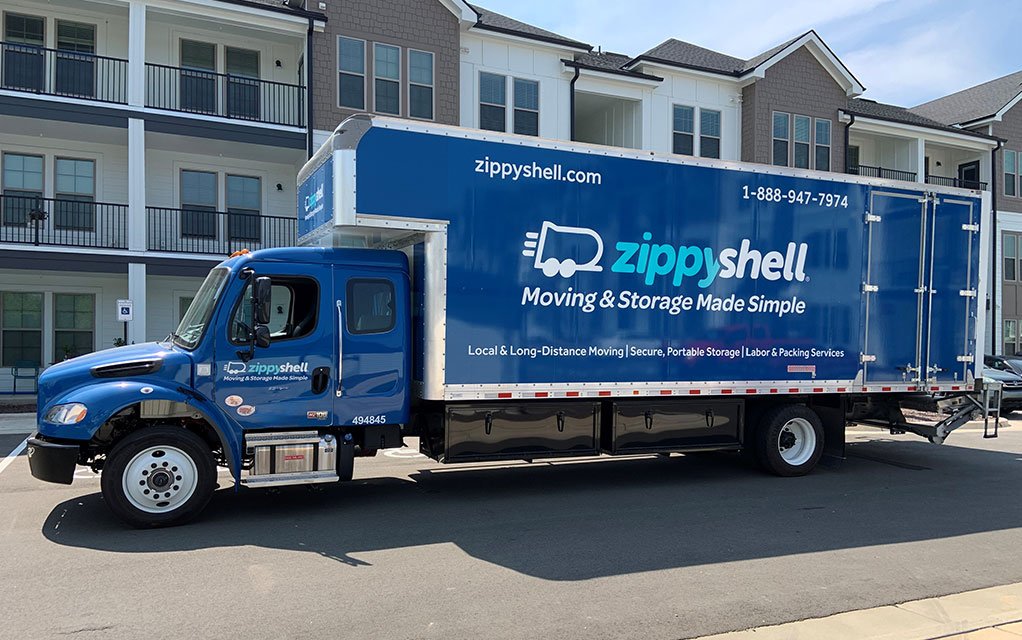
Reduce the stress of moving by letting us handle the details and the driving! Get a free quote today to get the moving process started with Zippy Shell!
Frequently Asked Questions About Handling Moving-Related Stress
What are the most effective ways to reduce stress when moving?
Moving can be an overwhelming experience, but there are several steps you can take to minimize stress and ensure a smooth transition. First and foremost, begin the planning process as early as possible. Creating a moving timeline with key dates for packing, utility transfers, and address changes will help keep you on track. Developing a detailed budget is also essential; it should include not only the cost of hiring movers or renting a truck but also expenses such as packing supplies, cleaning services, and travel.
Decluttering before you pack makes the entire process more manageable—sort through your belongings and donate, sell, or discard items you no longer need. This will save time and reduce moving costs since you'll have fewer items to transport.
Hiring a reputable moving company such as Zippy Shell can alleviate much of the logistical burden. Professional movers are experienced in handling heavy or fragile items and can offer services such as packing, loading, transportation, and storage if needed. Be sure to research companies thoroughly by reading reviews and verifying insurance coverage for peace of mind.
Taking care of your mental health throughout the move is just as important as managing logistics. Make time for self-care activities such as exercise, meditation, or connecting with friends and family. Don’t hesitate to ask for help—enlisting support from loved ones can make the process less daunting.
On moving day itself, stay organized by keeping essentials like documents, medications, chargers, snacks, and toiletries in an easily accessible bag. Use labels on boxes to identify contents and intended rooms at your new home; this will speed up unpacking later.
Finally, try to focus on the positive aspects of your move—the excitement of settling into a new space and exploring new opportunities. Celebrate milestones along the way to keep spirits high during what can otherwise be a stressful time. By planning ahead and staying organized while caring for yourself emotionally, you’ll set yourself up for a successful—and less stressful—move.
How do I stay organized to prevent overwhelm during a move?
Use a moving checklist to track tasks and deadlines. Go through your home room by room, labeling every box clearly. Keep all important documents in one secure place. Getting your packing supplies ready and starting early will make the entire moving experience feel much more manageable.
Are there special tips for highly sensitive people or those with ADHD/autism during a move?
For these individuals, maintaining routines is crucial. Use visual schedules, create a quiet space in the new environment immediately, and provide consistent emotional support. Hiring professional movers can also help minimize sensory overload and chaos during the moving process, which benefits their mental health. Learn more from those with family members who have special needs for more curated tips for your move.
How can I create a moving timeline to help manage my moving process?
To create a moving timeline, work backward from your moving date. Break down the moving process into weekly goals on a moving checklist. Assign specific dates to crucial steps and important tasks, such as hiring movers, packing non-essential items, and transferring utilities, to stay organized and on track.
What role does hiring professional movers play in minimizing moving-related anxiety?
Hiring a professional moving company significantly reduces anxiety by providing expert logistical and professional support. For example, Zippy Shell can handle the transportation and logistics of your move and even provide professional labor assistance for loading and unloading, freeing you to focus on other tasks. While DIY moves are common, hiring a professional mover can reduce much of the moving-related stress you might be experiencing.
What are some self-care practices I can incorporate during the moving process to maintain my mental well-being?
Prioritize self-care by getting enough sleep, eating nutritious meals, and taking regular breaks. Practice relaxation techniques like deep breathing or meditation. Continuing hobbies and staying connected with friends can support your mental health throughout the emotional journey of your moving experience and transition into a new home.
- Moving Tips (133)
- Home Organization (60)
- Fun Stuff (54)
- Home Maintenance Tips (49)
- Packing Tips (38)
- Storage Tips (35)
- Home Buying and Selling Tips (24)
- News Releases (24)
- Home Renovation Tips (16)
- Moving on a Budget (11)
- Portable Storage (11)
- Moving and Storage Tips (2)
- Household Moving (1)
- In the Community (1)
- Moving Company Comparisons (1)