Essential Tips for Moving in Retirement
April 02, 2026
Key Highlights for Moving After Your Retirement
- Consider moving to a new state to lower your cost of living and stretch your retirement income.
- Evaluate how factors like housing costs, taxes on Social Security benefits, and healthcare access will impact your quality of life.
- Research potential retirement destinations by looking at tax rates, climate, and proximity to family and amenities.
- A trial run in a potential new location can help you decide if it’s the right fit before committing.
- Create a detailed plan for your move, from updating legal documents to budgeting for moving expenses.
- Use services like portable storage containers to make the physical relocation process smoother and less stressful.
Retirement offers a wonderful opportunity to redefine how you want to live. For many, this new chapter involves relocating to a place that better suits their evolving needs and dreams. Whether you're seeking a lower cost of living to maximize your retirement income or a different climate to enjoy your retirement years, moving can be a transformative experience. This guide provides essential tips to help you navigate the process, ensuring your transition to a new home is as smooth and rewarding as possible.
Understanding Retirement Moving: Key Factors to Consider
When you think about moving in retirement, it's about more than just changing your address. It’s a chance to enhance your quality of life by finding a new home that aligns with your financial and personal goals. Key factors like proximity to family, cost of living, and how a state taxes your retirement income, including Social Security, play a huge role.
A successful move requires careful consideration of what truly matters to you. Before you start packing, it's important to evaluate your lifestyle preferences and assess the financial implications of relocating.
Evaluating Lifestyle Needs and Preferences
What does your ideal retirement look like? Answering this question is the first step in finding the perfect new location. Think about your daily life and what brings you joy. Are you drawn to the mountains for hiking and skiing, or does a sunny beach sound more appealing? Your desired lifestyle will heavily influence your choice of retirement destinations, as will your desire to be closer to extended family.
Consider the recreational opportunities available in potential areas. Do you want to join a book club, play golf, or volunteer? A community with a vibrant local culture that matches your interests can significantly boost your quality of life. Proximity to family and friends is another major factor for many retirees, who choose to be more present in their children's and grandchildren's lives.

Ultimately, you need to balance your lifestyle wants with your budget. Researching different cities and towns to see how they align with both your personal preferences and financial situation will help you narrow down your options and find a place where you can truly thrive.
Assessing Financial Considerations for Retirement Relocation
Financial planning is a cornerstone of a successful retirement move. Your retirement income needs to support your lifestyle, and relocating can significantly impact your budget. It's crucial to look beyond just housing costs and consider the full financial picture of a new location.
Many retirees leverage their home equity by selling a house in a high-cost area and moving to a more affordable place. This can provide a significant financial cushion. Here is a look at some key financial aspects to compare:
- State Income Tax - Does the state tax retirement income, Social Security, or pensions? You may consider retiring to a state with a low or no state income tax.
- Property Tax - What are the average property tax rates in the areas you're considering, and are they sustainable?
- Housing Costs - Compare median home prices and rental costs in the area, and find the best home for your money.
- Daily Expenses - Research costs for groceries, transportation, and utility bills. Consider your retirement savings or any pension you might have, and whether it will be enough to live comfortably in your new location.
State taxes can significantly affect your finances. Some states have no state income tax, while others offer tax breaks for Social Security benefits or other retirement funds. A lower property tax can also free up a substantial amount of money. Don't forget to factor in everyday expenses like utility bills and homeowners' insurance, which can vary widely by region.
Popular Reasons Retirees Relocate in the United States
Many older Americans are choosing to spend their retirement years in a new state. This trend is driven by a desire to improve their quality of life, live closer to family, and make their savings last longer. The reasons for moving are as diverse as the retirees themselves, but a few common motivations stand out.

Often, the decision comes down to a combination of money, family, and weather. Balancing these wants can be tough, and while you may not find a spot that fits all your needs, you can prioritize what matters most to you moving forward.
Seeking Lower Cost of Living and Tax-Friendly States
One of the most powerful motivators for relocating in retirement is the pursuit of a lower cost of living. Moving to a more affordable area allows you to stretch your retirement savings further, giving you more financial freedom. Housing is often the biggest expense, and selling a home in a pricey market to buy in a cheaper one can unlock significant home equity.
Beyond housing, state tax rates can make a huge difference. Finding a state with favorable tax laws is a common strategy. Some states offer significant tax benefits that can help your money go further.
When researching, look for states that offer:
- Low or no state income tax on retirement income.
- Exemptions for Social Security benefits.
- Low property tax rates.
- No state sales tax on essential goods.
Choosing a tax-friendly state can reduce your overall financial burden, leaving more room in your budget for travel, hobbies, and other enjoyable activities.
Proximity to Family, Healthcare, and Amenities
While finances are important, personal connections and well-being are just as critical. Many retirees choose to move to be closer to their children and grandchildren, eager to be more involved in their everyday lives. This social support network can be invaluable.
As you age, healthcare access becomes a primary concern. Before moving, it's vital to research the quality and availability of medical care in a potential new community. You'll want to ensure there is a quality hospital nearby and that the specialists you may need are within a reasonable distance. Easy access to good healthcare provides peace of mind.
Recreational opportunities are abundant in well-developed areas. Parks provide green spaces for relaxation, exercise, and social gatherings. Community centers often host classes, fitness programs, and events that bring residents together. Additionally, clubs dedicated to specific hobbies—such as gardening, photography, or chess—offer ways to connect with like-minded individuals and pursue personal interests.

Convenience is another critical factor for many people. Living near grocery stores allows for quick and easy shopping trips, while proximity to banks makes managing finances more efficient. A good selection of restaurants nearby means you have access to diverse dining options without having to travel far from home.
Cultural attractions that are meaningful to you can also be a consideration when selecting a new place to live in retirement. Museums offer educational experiences and showcase local history and art. Theaters provide entertainment through plays and performances ranging from musicals to drama. Local festivals celebrate regional traditions and foster a sense of community spirit by bringing people together for seasonal events and celebrations.
Having access to these amenities contributes not only to convenience but also enriches your lifestyle by supporting both practical needs and personal fulfillment in your retirement.
How to Get Started with Retirement Relocation
Embarking on a retirement relocation can feel overwhelming, but a solid plan makes all the difference. The key is to break down the process into manageable steps. Start by organizing your thoughts and creating a clear plan design that outlines your goals, budget, and timeline.
Moving to a different state also involves legal and financial complexities. It's wise to seek legal advice to understand how state laws will affect your estate plan and taxes. With careful planning, you can approach your move with confidence and excitement.
Essential Resources and Tools for Planning Your Move
Planning a move requires the right information and tools. Fortunately, there are many resources available to help you make informed decisions. Online cost-of-living calculators can help you compare different cities, while retirement studies can highlight popular destinations and trends among retirees. Organizations like the Tax Foundation provide valuable data on state tax policies.
When it comes to the logistics of moving, having a flexible plan design is crucial. Services tailored to your needs can significantly reduce stress. For instance, using a professional moving company can handle the heavy lifting, while portable storage containers offer a convenient way to pack and move at your own pace.

Here are some resources to get you started:
- Online cost-of-living calculators to compare expenses.
- Websites like the Tax Foundation for state tax information.
- Retirement studies and publications for location ideas.
- Moving services, such as portable storage containers, for a flexible move.
Creating a Personalized Checklist for a Smooth Transition
A personalized checklist is your roadmap for a successful move. It helps you stay organized and ensures no important details are overlooked. Start by outlining all the tasks you need to complete, from financial preparations to logistical arrangements. This checklist will be your go-to guide throughout the process.
Your financial checklist should include creating a moving budget that accounts for housing costs, potential use of home equity, and setting up new utility bills. It's also a good idea to consult with your own independent advisor to discuss the financial implications of your move.
For a smooth transition, it’s essential to have a comprehensive checklist that addresses all major aspects of your move. Here are the key areas you should cover:
Financial: Begin by creating a clear budget for your move, accounting for all potential expenses such as movers, travel costs, deposits, and contingencies. Notify banks and credit card companies of your upcoming address change to avoid service disruptions or fraud-alert issues. Don’t forget to update your financial records and online banking details with your new address.
Legal: Update important legal documents such as your will, trusts, and powers of attorney. It’s best to consult with a local attorney in your new area to ensure these documents comply with state laws. If you have minor children or specific medical directives, make sure these are also updated accordingly.
Housing: Plan ahead for selling or renting out your current home and securing a new residence. This may involve working with real estate agents, scheduling showings, and arranging inspections. If you’re buying a new home, review mortgage options early on; if you’re renting, review lease terms carefully.

Logistics: Schedule professional movers well in advance—especially during peak moving seasons—and obtain quotes from several companies to find the best fit for your needs and budget. Arrange for mail forwarding through the U.S. Postal Service so you don’t miss important correspondence. Additionally, transfer utilities (electricity, water, gas) to ensure they are set up at your new address upon arrival.
Medical Records: Contact your current healthcare providers to obtain copies of medical records for every family member and arrange transfers to new providers in your destination city. If you take prescription medications, refill them before moving and research nearby pharmacies.
Other Considerations: Update vehicle registration and driver’s licenses if moving out of state. Notify insurance providers (health, auto, homeowner’s/renter’s) about the move so coverage continues seamlessly. If you have pets or children in school, arrange veterinary record transfers or school enrollment paperwork ahead of time.
By systematically addressing each area on your checklist, you'll minimize stress and ensure nothing falls through the cracks during your transition.
Step-by-Step Guide to Moving in Retirement
Now that you've considered the key factors, it's time to put your plan design into action. A step-by-step approach to your retirement relocation can transform a daunting task into an exciting journey. By breaking the process down, you can manage each stage effectively and ensure a smooth transition into your retirement years.

This guide will walk you through the essential steps, from researching your dream destination to settling into your new community. Following a structured plan will help you stay on track and minimize stress.
Step 1: Begin Planning Your Retirement Move
Begin by thoroughly investigating different places that might suit your retirement goals. Refresh your vision for the future by seeking out destinations that align with your preferred lifestyle, taking into account factors such as weather, culture, and proximity to your favorite activities and family. Since relocating to a new city or state is a major life choice, it’s important to collect as much information as you can.
Be sure to discuss this change with your family, especially if you plan on moving close to them, as they might be able to help you find homes to look at, make accommodations, and help with your move if needed.
Once you’ve narrowed down your options, spending several weeks or months renting in the area is advisable—this allows you to interact with locals, explore neighborhoods, and determine whether the community meets your needs, offering invaluable firsthand insight. While researching and during your visits, pay close attention to the overall cost of living, healthcare quality and accessibility, the community atmosphere, available recreation, and how close you’ll be to loved ones.
Step 2: Prepare Your Finances, Legal Paperwork, and Housing
After settling on a location and starting to hone in on a home to live in, focus on organizing your practical affairs. This phase includes handling your finances, bringing legal documentation up to date, and securing your next home. Develop a comprehensive budget that accounts for all moving-related costs, from property-related expenses to relocation services. You can work with your financial planner to create one if needed.

It’s extremely important to evaluate how your new address will impact retirement income, so notify the Social Security Administration directly of your move and speak with your financial advisor to manage investments or home equity effectively. You should also consult a local attorney to make sure your will, trusts, and estate planning documents are updated in accordance with state-specific laws. Update any insurance policies and financial institutions with your new address once you have it.
Step 3: Use Moving Tips and Services like Zippy Shell Moving for a Hassle-Free Experience
Once you have made the move to close on a home or found a suitable rental, the final step is the move itself. To make this process as smooth as possible, using a company that moves on your schedule and provides a solution that you can pack at your pace is vital. Portable storage containers fit the bill perfectly, as these moving and storage solutions can be delivered directly to your location.
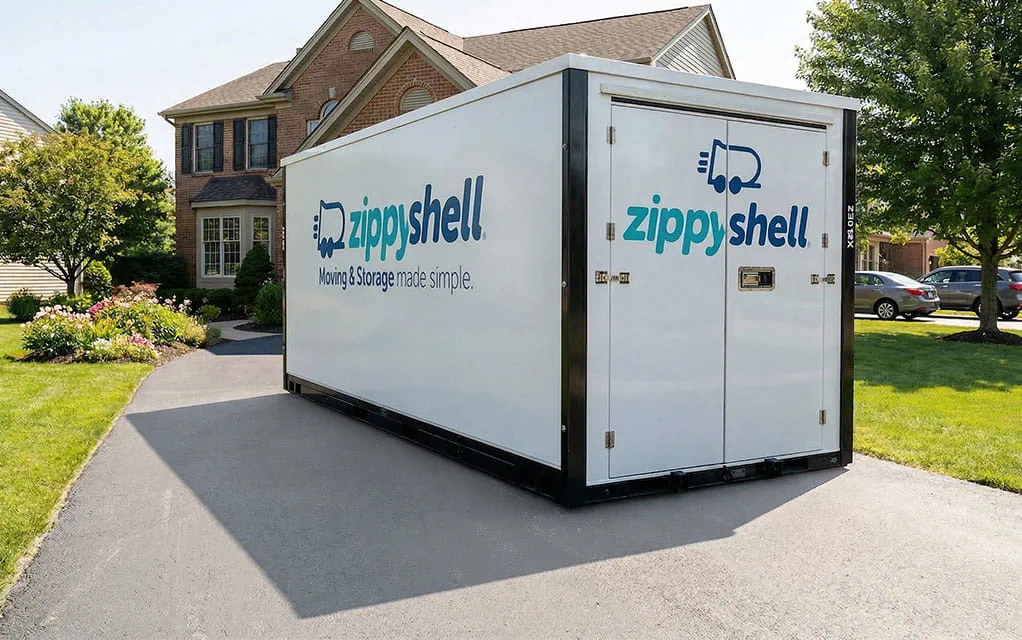
Zippy Shell is the perfect solution to your moving needs, whether you are moving locally or long-distance. We delivered the container to you; you can pack it at your own pace, then have it delivered to your new home or stored in a warehouse until you're ready. You can keep your container on-site for as long as you need, with 24/7 access and zero driving back and forth to a traditional storage area. No matter what you need, we will handle all of the driving for you.
Compared to more traditional moving methods, such as renting a truck and packing and driving it, portable storage containers are the best way to move and store your stuff!
Let Zippy Shell Make Your Retirement Move Simpler
If you are making a move after your retirement, the last thing you should have to do is stress over it. Zippy Shell makes moving and storage simple for everyone by bringing the solution to your doorstep. Whether you are moving from a downtown urban location or a suburban neighborhood, Zippy Shell can service your needs! By delivering a portable container to your location, you can make your move happen entirely on your schedule, which is the way moving should work!
Here is how it works: choose your preferred moving date, and we will bring out a container to your location. You can pack it at your own pace, or you can have trusted third-party professional labor providers come and do the heavy lifting and loading for you! When done, we will pick up your container and either deliver it to your new home or store it for as long as needed at one of our local storage facilities.
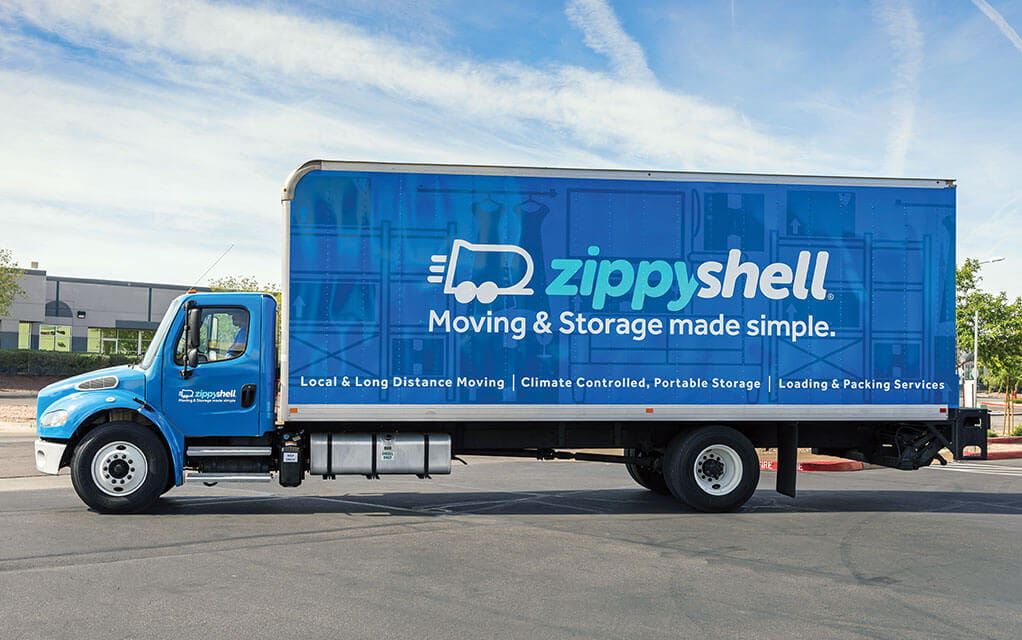
No matter where you are moving for your retirement or what your plans may be, Zippy Shell is here to help! Give us a call or go online for a free quote today to get the process started, and let us make moving and storage simple for you!
Frequently Asked Questions About Moving After Retirement
What financial steps should I take before making a move in retirement?
Before making a move, especially in retirement, it’s important to create a comprehensive budget that covers not only the obvious moving expenses but also any increased living costs you may encounter in your new location. This includes factoring in the cost of hiring movers, transportation for your belongings and vehicles, temporary accommodation if needed, utility setup fees, and any deposits required for new housing.
Additionally, thoroughly research how state taxes, such as income tax, property tax, and sales tax, will impact your retirement income and Social Security benefits. Some states tax Social Security or pension distributions, while others may offer significant exemptions or have no income tax at all. Understanding these differences can help you make an informed decision about where to relocate and how much of your fixed income will actually be available for monthly expenses.
If you own your current home and plan to use its equity to help finance your move or supplement your retirement savings, carefully assess the best way to access those funds. Options might include selling the property outright, taking out a home equity loan or line of credit before you sell, or considering a reverse mortgage if appropriate for your situation.
It’s also essential to update your address with all relevant financial institutions, including banks, investment accounts, and credit card companies, as well as with government agencies such as the IRS and Social Security Administration. This ensures uninterrupted delivery of important documents and benefit payments during your transition.
Lastly, remember to review any changes in healthcare coverage and providers that may result from crossing state lines. Medicare plans and supplemental insurance options can vary by region. Contact providers ahead of time so you’re prepared for any changes in coverage or premiums.
If you have a trusted financial planner or tax preparer, be sure to get their advice on how to proceed, and if you are moving to a new state, ask them if they have any insight into that state's tax setup.
How do taxes affect my retirement relocation decision?
Taxes can have a huge impact on your retirement finances. Look for states with no state income tax or those that offer exemptions for retirement income and Social Security benefits. Also, compare property tax rates, as lower rates can lead to significant savings and increase your disposable income.
What are the emotional challenges of leaving a longtime home, and how can I prepare?
Leaving a longtime home can bring emotional challenges like sadness and nostalgia. Acknowledge these feelings and focus on new opportunities to improve the quality of life. Build a new social support network in your new home by joining clubs or community groups to help you settle in and lead healthier lives.
What are the most important factors to consider when choosing a new home in retirement?
When selecting a new home, it's essential to look beyond the basics and focus on elements that will truly enhance your daily living experience. Start by evaluating the overall cost of living in your chosen location—not just the price of housing, but also expenses like utilities, groceries, transportation, and taxes. A thorough understanding of these costs will help you budget effectively and avoid unexpected financial strain.
Access to quality healthcare is another crucial factor. Research local hospitals, clinics, and specialists to ensure you’ll have convenient access to medical services when needed. This is especially important if you or your family members have ongoing health concerns or specific medical needs.
Proximity to family can significantly impact your sense of support and community. If staying close to loved ones is a priority, weigh how easy it will be for you to visit them or for them to visit you. Consider travel times and available modes of transportation.
Climate plays a major role in comfort and overall well-being. Think about whether you prefer warm weather year-round, four distinct seasons, or something in between. Climate can affect everything from your recreational activities to your health conditions, such as allergies or arthritis.
Lastly, explore the local amenities that match your interests and lifestyle. This includes parks, gyms, walking trails, shopping centers, restaurants, cultural venues, schools (if relevant), and public transportation options. Living in an area that aligns with your hobbies and values can make daily life more enjoyable and fulfilling.
By carefully considering these factors—cost of living, healthcare access, proximity to family, climate preferences, and local amenities—you can choose a home that genuinely supports your quality of life now and for years to come.
How can I downsize effectively while moving in retirement?
Downsizing effectively involves sorting possessions early. Decide what to keep, sell, donate, or discard. Using portable storage containers can help; you can temporarily store items while you decide what to do with them. This approach simplifies your plan design and reduces clutter before moving into your new home. Zippy Shell can deliver a portable storage container directly to your home, where you can begin filling it with the stuff you want to keep and move to your new home, and sort out the belongings you want to downsize. This allows you to prep for your move while downsizing.
When you are ready, we can come pick up your container and deliver it to your new home or place it into storage for as long as you need at one of our nationwide storage facilities. We make downsizing and moving as simple as possible.
- Moving Tips (133)
- Home Organization (60)
- Fun Stuff (54)
- Home Maintenance Tips (49)
- Packing Tips (38)
- Storage Tips (35)
- Home Buying and Selling Tips (24)
- News Releases (24)
- Home Renovation Tips (16)
- Moving on a Budget (11)
- Portable Storage (11)
- Moving and Storage Tips (2)
- Household Moving (1)
- In the Community (1)
- Moving Company Comparisons (1)