The Ultimate Guide to Must-Have Moving Essentials
March 26, 2026
Key Highlights of Moving Day Essentials
- A moving checklist is essential for staying organized and ensuring no important belongings are overlooked during the packing process.
- An essentials box packed with frequently used items, such as toiletries, chargers, and bedding, can ease the transition to your new place.
- Categorizing your supplies into personal, room-specific, and shared family essentials ensures everyone's needs are covered.
- Important documents, such as passports, birth certificates, and Social Security cards, should be stored securely and remain accessible during the move.
- Having cleaning supplies, basic tools, and disposable kitchen products helps simplify the process of settling into your new city and home.
Moving to a new place can be hard, especially if you have a big move. It helps to have a good moving checklist. This checklist can help you stay organized. Try packing essential items, such as personal belongings, paper towels, and toiletries, in an essentials box. This way, on moving day and the first night in your new home, you will have what you need and feel more at ease. If you plan, you will not need to dig through boxes to find everyday things. The right checklist and packing will make this time easier for you, allowing you to relax and enjoy your new home more quickly.
Essential Categories for Your Move
When you are moving, you do not need to pack everything in moving boxes, as there are some important items you should keep nearby or with you at all times. These are the things you will need right away in your old home, while you travel, and once you reach your new home.
You can put these moving necessities into three main groups: packing supplies and tools, personal things, and items needed for each room. If you sort them in this way, it makes the move easier for you. Now, let’s look at each group a bit more.
Basic Moving Supplies
Packing your belongings efficiently is crucial for a smooth and stress-free move. Start by gathering all the necessary packing supplies, including sturdy boxes in various sizes, heavy-duty packing tape, bubble wrap or packing paper for wrapping delicate items, and markers for labeling. Using boxes of different sizes allows you to pack heavy items like books in smaller boxes so they’re easier to carry, while lighter or bulkier items such as bedding and clothing can go into larger boxes.
When sealing your boxes, always reinforce the bottom with extra tape to prevent them from breaking open during transport. Make sure each box is filled but not overpacked—leaving too much empty space might cause things to shift around and get damaged. For fragile items like dishes or glassware, wrap each piece individually with bubble wrap or packing paper and place them snugly in the box with additional padding.
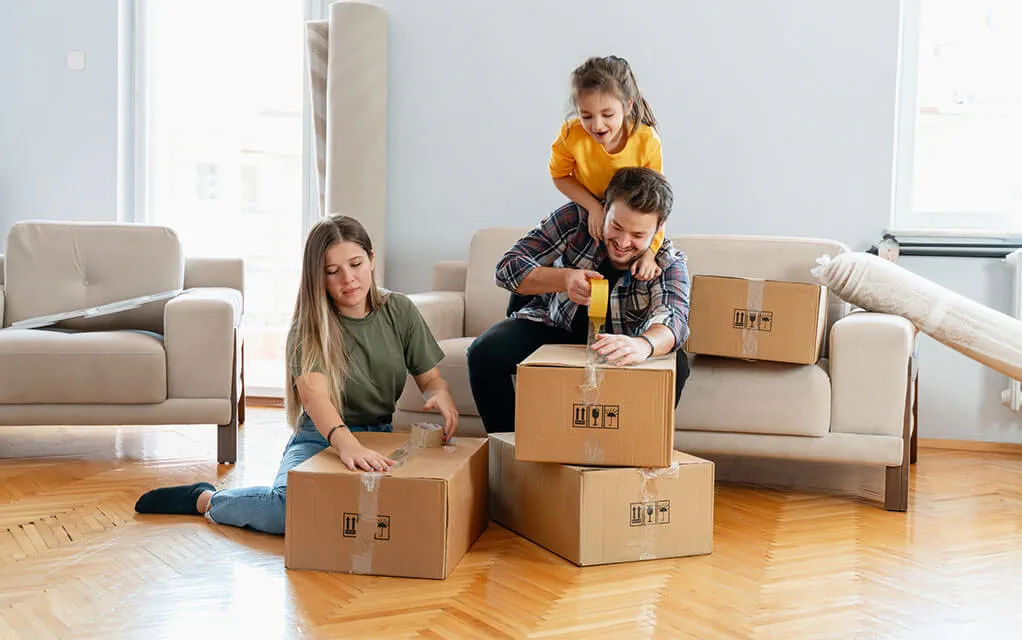
Labeling is key to staying organized. Clearly write the contents and destination room on each box; for example, “Kitchen—Pots & Pans” or “Bedroom—Clothes.” Consider using color-coded labels or stickers for each room to make unloading even easier. For essential items you’ll need right away at your new place—like toiletries, medications, chargers, or a change of clothes—pack a separate “open first” box and mark it accordingly.
Keep basic tools handy throughout the process: scissors for cutting tape and packing materials, a utility knife for opening boxes quickly when unpacking, and any screwdrivers you might need for disassembling furniture. Having these tools within reach will save time and frustration.
Be sure you start organizing your packing supplies early so you can work at your own pace rather than rushing at the last minute.
Personal Essentials and Toiletries
Don’t overlook the importance of packing personal items separately. Keep items like toiletries, toothbrushes, shampoo, and toothpaste within easy reach. This will help you keep up your routine during the move. On your first night in the new place, these small things will be a big help.
For any medical needs, make sure you pack all medications and prescriptions safely in your essentials box. Having these with you means that your health is taken care of without any problems. Place your personal hygiene items and medications in a plastic bag to keep them safe and dry during transit.
Remember to take personal belongings you will need, such as a change of clothes, pajamas, and any other essentials important to you. Keep tablets, laptops, and chargers in a secure and easily accessible location. By packing these essentials correctly, you’ll have what you need close by on moving day.
Room-by-Room Breakdown
Organizing your things by room can make the packing process easier. It also helps a lot when you start unpacking in your new home. For the bedroom, pack your bedding, some pillows, and an air mattress. These will give you a good night’s sleep after the move. They are important for comfort.
For the kitchen, take a few utensils and some cookware, like a skillet. Pack dish soap too, along with some disposable plates. With these, you can easily prepare meals when needed. Be sure to bring snacks as well. Snacks are great for giving you energy on busy days.
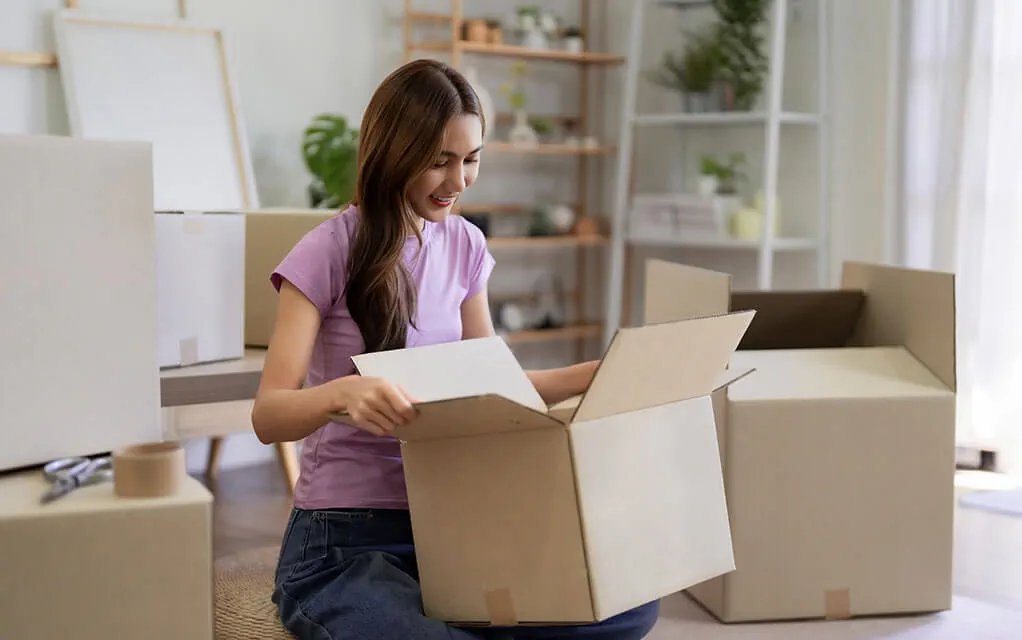
When packing for the bathroom, be sure to include toiletries. Bring a shower curtain, towels, and some basic hygiene items. These things help you freshen up after a long day of moving. By sorting your packing this way, you save time and make it easy to settle into your new home.
Handling Important Documents and Valuables
Valuables and important documents are things you can’t lose or forget when you move. Keep your passport, birth certificates, Social Security cards, and medical records with you, not stored inside your moving solution. It's a good idea to put these in a binder so you can access them quickly when needed.
For money and legal issues, be sure to pack your property leases, insurance papers, and receipts. You may need these if there is a problem with your landlord or moving company, or if you need to make a claim.
Additionally, it's essential to keep your valuables safe during the packing process. Put jewelry and electronics in strong cases to protect them. Lock these things in a suitcase or keep them close to you during the move. Keeping your personal and irreplaceable belongings safe is essential when you’re going through significant changes. No matter what, keep these items and documents with you at all times - never pack them away in your moving solution or container.
Cleaning Supplies
Cleanliness is essential when you leave your old home and move into your new place. It is a good idea to have cleaning supplies ready, so you can keep both places tidy and safe. You should always have dish soap, paper towels, and garbage bags with you, as they are helpful in both the old home and the new place.
Be sure to pick up disinfectant sprays and rags to wipe down surfaces. This matters most in the bathrooms and kitchen. When cleaning the floors, using a dustpan and a handheld vacuum makes it quick and easy to pick up dirt before bringing in the big boxes. Don't forget to pack these helpful items, as you never know how many people have been through the home during the selling process.
Also, consider carrying a small, collapsible step stool. It is useful when you need to reach high shelves or clean hard-to-reach areas while working or organizing your belongings. By having the right cleaning supplies available, you can restore your old home to good shape before moving out and make your new place feel fresh when you move in.
Essential Packing Supplies and Tools
Packing supplies and tools is an important part of the big move, and boxes form the basis for your pack out. Try to get a mix of regular and strong boxes. While "heavy-duty" dual-layered boxes might be a bit more expensive, they can be a lifesaver for keeping your heavier belongings safe during a move. Use small boxes for items such as books and linens. Take bigger ones for things like bedding or kitchen gadgets.
Do not forget packing tape. You need to seal every box tightly to keep your belongings safe from spills. This also helps keep fragile items intact. For this, you'll need a roll of tape and a pair of scissors. Packing will be easy with these.

Have labels and markers ready so you can mark each box. It will help you know what's inside each one when you arrive at your new place. This will save you time and stress during your big move. With the right packing supplies, things will go more smoothly and feel less chaotic.
Boxes, Tapes, and Labels
Boxes help you stay organized when you move to a new home. Good, strong boxes will keep your belongings safe. It is best to use small boxes for heavy items, such as books. Use larger boxes for lighter items, such as bedding.
You also need packing tape. Pick one that is strong and sticky, so your boxes stay closed. Use scissors or a utility knife to cut the tape. These will help you close and open boxes as you pack and unpack.
Labeling every box is helpful. Use labels to see what is inside each box. Mark the ones you want to open first, like boxes with dishes or pajamas. This will help you avoid wasting time and getting confused when you settle into your new home.
Protective Wraps and Padding
Fragile items require extra care when packing your belongings for a move. Bubble wrap is effective in protecting items such as glassware or electronics. It helps keep them safe inside the box while you move.
Foam padding and packing peanuts also work well. They keep your things from moving around too much. You can even use blankets or towels if you want to save some money. Wrap each breakable thing in these materials with care.
Take a moment to ensure your fragile belongings are secure. Use tape to hold wraps down. Test the box to see if your things move around or not. Good packing helps stop breaks or damage and keeps your valuables safe on moving day.
Utility Knives and Scissors
It is advisable to keep your cutting tools close at hand when packing. Scissors and utility knives help you cut tape and trim extra wrap fast and easily.
Select tools that are sharp and durable, as this enables your packing to proceed more efficiently. Scissors are great because they handle many tasks when you pack.
Keep these tools in your essentials box or suitcase. This way, you do not waste time when you need to open packed boxes. Little steps like this make the packing process go smoother and help you with your move.
Gather Your Personal Essentials
Your personal must-haves are items that help you stay comfortable when you move. Keep these items nearby so you can access them quickly in an emergency or when you use them daily.
Put toiletries like toothpaste, toothbrush, and shampoo together. Don’t forget any medications or other items the doctor has prescribed. You can keep your belongings in a plastic bag or a large plastic container to ensure that if they leak, the contents won't spill onto your other packed items.
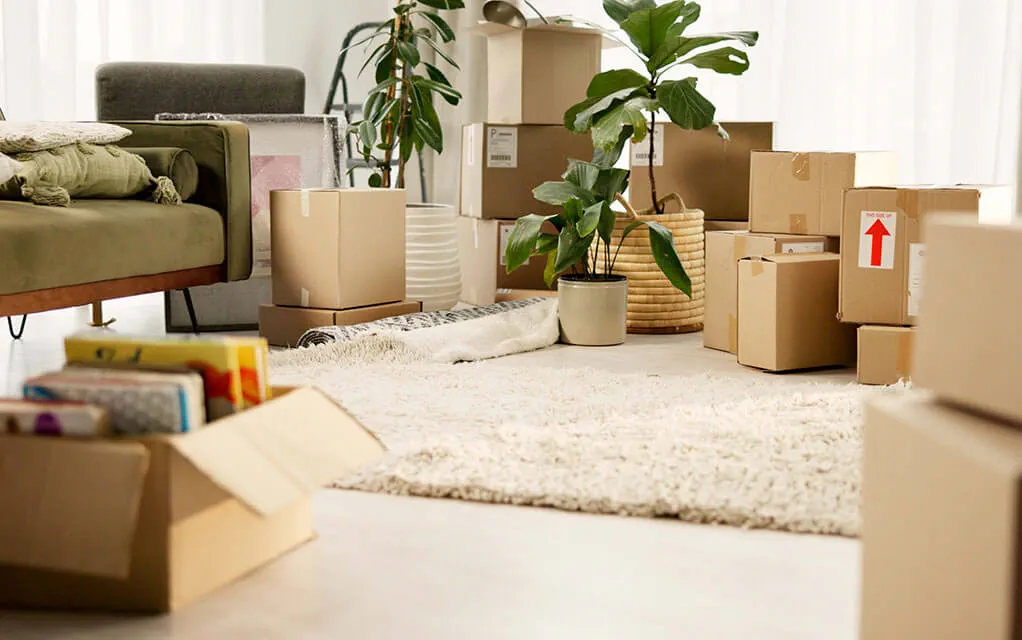
Bring all your electronic chargers, such as those for your tablet or computer. This way, your devices can be charged up, so you can talk to people or watch something in your free time wherever you go. Pack pajamas, some clothes, and anything else you need for your first night. This will help you feel calm and ready on that first day.
Toiletries and Medications
Packing toiletries may not seem significant, but when you start life in a new home, these things matter a lot, especially on that first day/night in your new home. Gather the basic things you use every day, like a toothbrush, toothpaste, shampoo, and body wash. Do this so you have what you need from day one to have as comfortable a stay in your home as possible.
Be sure to pack your medications with care as well. You should pack both prescription and over-the-counter medications for minor health issues. It is advisable to keep them in secure plastic boxes or Ziplock bags to ensure they stay safe.
By putting all your grooming and wellness items in one easy-to-find bag, you can stop trouble before it starts. Being ready with your toiletries and other needs will help you feel good and comfortable in your new home.
Clothing and Comfort Items
Packing comfortable clothing means you will be ready for the unexpected. Pack your pajamas, sweatshirts, jeans, and cozy socks for when you want to relax. Having these easy-to-wear items nearby means you won't have to dig through boxes on your first day.
For added comfort, consider wearing your slippers or bringing your favorite blanket. The little extras like these help you feel calm while you are dealing with the mess and relative chaos that is unpacking. If you're moving to a place with a different climate, remember to pack outerwear suitable for that region.
These clothing must-haves give you what you need and help you feel better when you feel out of place.
Chargers and Electronic Devices
Chargers and electronic gadgets are essential when you move. Take your laptop, tablet, phone, and their chargers with you in a carry-on bag or your essentials box.
Before you go, load your devices with important apps, contacts, and some games or movies. This helps you, your children, or anyone stay busy when there is a wait or downtime.
Put small gadgets like smartwatches next to your main devices. This way, you don't lose them. Technology helps you get through the busy day of moving.
Use Zippy Shell as Your Essential Moving Company
One of the biggest reasons why some people forget about the essentials or experience stress during their move is that they are up against a moving clock, thanks to the moving service provider they are working with. If you have ever rented a traditional moving truck or utilized a long-haul carrier service, you know that you are making your move happen on their terms and deadlines, not yours.
This can naturally lead to things falling through the cracks, including vital tasks and items that need to be procured or packed away. If you move with Zippy Shell, the stress of moving all in one day is eliminated.
Here's how it works: You select your preferred moving day, and we will deliver a portable moving and storage container that you can pack at your own pace over a three-day period. When done, we will pick up the container and move it to your new home. Or, if you are not ready for it, we can store it in one of our 90+ nationwide and secure warehouse locations for either short- or long-term storage. It is that simple.
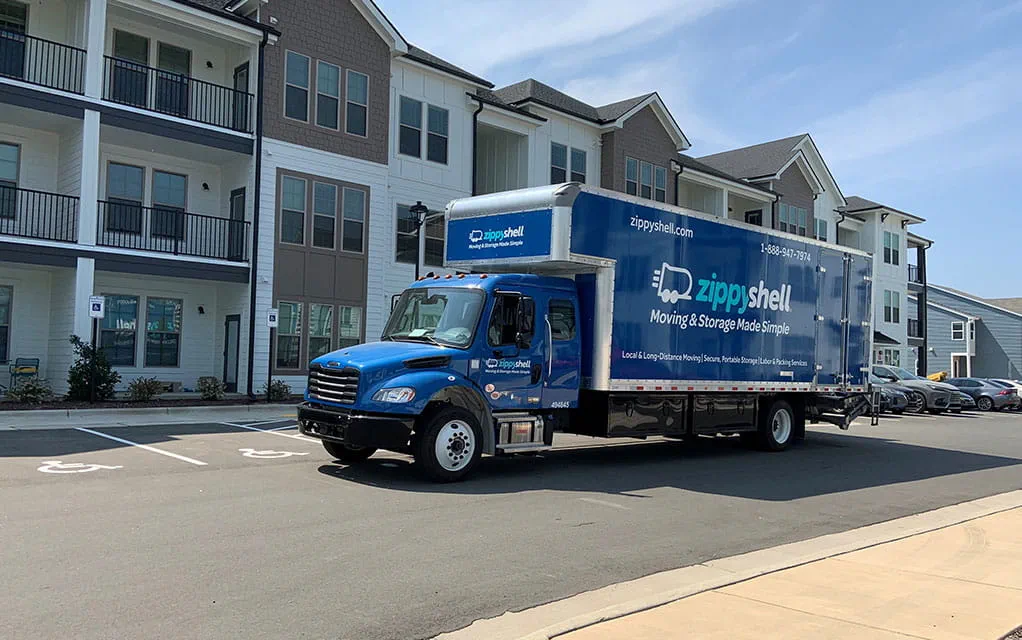
There is no driving and no rushing to get everything done in one morning or afternoon. Whether you're making a local or long-distance move, we're here to make the process smoother and simpler, ensuring nothing falls through the cracks or gets forgotten. Let us help make your next move easier!
Call us today or get a free quote online now to start your moving and storage journey the right way - the easier way - with Zippy Shell!
Frequently Asked Questions About Must-Have Moving Essentials
What should I pack first when moving?
Start by packing an essentials box before your moving day arrives. Place items such as toiletries, chargers, bedding, and important documents in it. Remember to pack personal hygiene items and any necessary medications. Ensure you have the items you use most frequently in your everyday life. This will help you when you move and make your first night in your new home much easier. Be sure also to pack this item last in your moving solution or container so that it is the first thing you can unpack and access at your new home.
How do I organize my essentials box?
When preparing your essentials box for a move, it's important to think strategically about how you pack it to ensure maximum convenience. Start by grouping similar items together—this means keeping toiletries like toothbrushes, toothpaste, and soap in one compartment, and medications in another. Chargers for your phone, laptop, and other electronics should be kept together so you aren’t scrambling to find them later. Don’t forget to include snacks and bottled water for quick energy during the move.
Set aside a secure section of your box for important documents such as passports, birth certificates, insurance papers, and any moving paperwork you may need easy access to. Consider using a sturdy folder or envelope to keep these documents organized and protected from damage.
For items that could leak or spill—like shampoo, lotion, or hand sanitizer—use Ziplock bags or other resealable plastic bags. This not only prevents messes but also keeps the rest of your belongings clean and dry.
Label each section or use smaller pouches inside the box with clear labels. For example: “Toiletries,” “Electronics,” “Medications,” “Snacks,” and “Documents.” If possible, use a box with compartments or add dividers to keep everything in place during transit.
You'll save time searching for what you need and reduce stress on moving day with an organized essentials travel kit. Having all your vital items easily accessible can make the transition smoother and help you settle into your new home faster.
What are the most commonly forgotten items when moving?
Small things like toiletries, chargers, spare batteries, Social Security cards, and shower curtains can be easy to forget when you move, which is why it's helpful to create a moving checklist to keep track of them. This is another reason to pack an essentials box with whatever you might need in those first few days in your new home as you unpack. This will help you keep track of what you have and what you need. Be sure to pack basic tools as well, as you may need them for small jobs or emergencies in your new home.
What items should I avoid packing when moving?
Do not pack things that can spoil, catch fire, or are dangerous in your moving solution, such as propane tanks. These items are banned by almost every mover, regardless of the solution they offer. Keep valuables, such as jewelry and important documents, with you at all times. There is a risk of them getting lost or damaged, or of causing safety problems during the move, so it is better not to put them in regular packing boxes.
What items are often overlooked when packing for a move?
When preparing for a move, it’s easy to overlook essential items for your first few days in a new home. In addition to important documents, electronic chargers, and personal valuables like jewelry, there are several other commonly forgotten necessities.
Medications and basic first-aid supplies should always be kept within easy reach during a move, as you might need them before you’re fully unpacked. Similarly, don’t forget toiletries such as toothbrushes, toothpaste, soap, toilet paper, and towels—these will help you settle in comfortably from day one.
Kitchen basics are another category often neglected. Pack a box with essentials like a kettle or coffee maker, a couple of plates and cups, cutlery, dish soap, and a sponge. Having these on hand allows you to prepare simple meals without having to unpack every box right away. Cleaning supplies are also important; bring along all-purpose cleaner, sponges or cloths, paper towels, trash bags, and any specialty cleaners you prefer. These will help you tidy up your new space before or after the movers arrive.
Batteries and light bulbs can also come in handy if fixtures in your new home aren’t working as expected. Additionally, make sure you have basic tools such as scissors or a box cutter for opening boxes and assembling furniture.
Consider packing an overnight bag for each family member with pajamas, a change of clothes, favorite snacks, water bottles, and comfort items—especially if children or pets are moving with you.
- Moving Tips (132)
- Home Organization (60)
- Fun Stuff (54)
- Home Maintenance Tips (48)
- Packing Tips (36)
- Storage Tips (35)
- Home Buying and Selling Tips (24)
- News Releases (24)
- Home Renovation Tips (16)
- Moving on a Budget (11)
- Portable Storage (11)
- Moving and Storage Tips (2)
- Household Moving (1)
- In the Community (1)
- Moving Company Comparisons (1)