Essential Tips for Moving Without a Job
October 16, 2024
Updated on October 15, 2026
Key Highlights For Making a Move Without a Job
- Planning is Paramount: Moving to a new state without a new job requires meticulous planning, from budgeting and job searching to securing housing and establishing a support system in your new place.
- Financial Cushion: Make sure you have enough savings to cover living expenses for at least six months, including relocation costs, potential job-search delays, and unexpected expenses.
- Remote Work Possibilities: Explore remote work options with your current employer or in your field to maintain income stability during the transition.
- Network Strategically: Use social media, professional platforms like LinkedIn, and personal connections to find job opportunities in your new location.
- Temporary Abode: Choose temporary housing, such as sublets or short-term rentals, for flexibility as you acclimate to your new environment and secure a stable job.
- Flexible Moving Partners: Choose a mover that can meet your needs and adapt as your situation changes.
Moving to a new state is an exciting time full of new possibilities. It’s a great way to have new experiences and explore different careers. You can start fresh in a new home. If you are interested in specific job markets, looking for a better place, or just want a change, relocating without a job can feel challenging. This guide outlines key steps and tips to help you through the move and shows how Zippy Shell can be your best choice as your mover, meeting your changing needs.
Understanding the Challenge of Moving Without a Job
Moving can be tricky. You have many things to consider, like packing, getting your stuff to your new home, and settling into a new place. Moving without a job can make your finances a big worry, so it’s a good idea to understand how to move to a different state without a job. Knowing how to manage this transition successfully is crucial.
Even though it may feel scary, moving to a new state without a job can open new opportunities and push you to step outside of your comfort zone. The key is understanding the challenges and having a solid plan as you move forward.
Evaluating Your Reasons for Moving
Before diving into the logistics of moving, reflect on your financial situation and your reasons for relocating. Understanding your “why” can clarify your priorities and guide decisions throughout the process, from choosing a destination to setting priorities for your new life.
For many people, motivation may be tied to lifestyle improvements—such as a lower cost of living, better weather, or being closer to friends and family. Others may be motivated by professional opportunities in a new city or by a desire to upgrade their housing. If you own property, you might be looking for better real estate options or simply craving a change of scenery.
Once you identify your primary reasons for moving, you can establish clear priorities to help achieve your financial goals. For example, if affordability is key, research cities with lower housing costs and expenses. If career growth is important, focus on areas with thriving job markets in your field. If quality of life matters most—like outdoor activities or cultural amenities—look at locations that offer those experiences.

Knowing your motivations also helps streamline the search process and reduces stress. You can quickly filter out places that don’t align with your goals, saving time and energy as you explore neighborhoods and communities. This clarity is especially helpful when evaluating job markets, school districts, healthcare options, and housing choices in potential destinations.
Ultimately, starting with a clear sense of purpose helps you make more informed decisions and ensures your move supports the vision you have for the next chapter of your life.
Assessing the Risks and Rewards
Moving to a new state without securing a job beforehand can be challenging and stressful. Carefully weighing the risks and potential rewards is an important first step. One of the most critical factors to consider is your financial readiness. Experts recommend saving enough money to cover at least three to six months of living expenses, including rent, utilities, groceries, transportation, and health insurance. This safety net will help protect you from unexpected costs such as emergency medical bills, car repairs, or higher-than-expected housing expenses.
Also, research the job market in your new state before making any commitments. Look into thriving industries and assess whether your skills match the demand. Networking can also play a huge role—try connecting with local professionals through LinkedIn or industry groups before you relocate.
Beyond finances and job prospects, consider how this move fits your long-term goals. Consider whether it supports your career trajectory or personal development. Moving could offer growth opportunities, but it may also mean leaving behind support networks like family and friends. Evaluate if now is the best time based on your current life circumstances.

A detailed pros-and-cons list can help clarify your decision. Pros might include better job opportunities, an improved quality of life, or new experiences; cons could include job uncertainty, a higher cost of living, or feelings of isolation.
Planning ahead and being honest with yourself about your motivations will make the transition smoother and more successful. Taking thoughtful steps ensures you're prepared for both the expected challenges and the exciting possibilities that come with starting fresh in a new place.
Preparing for Your Move: What You Need to Know
Once you decide to move, prepare carefully. Collect important items, create a complete checklist, and set up a working timeline.
This includes finding reliable movers and notifying your utility companies. Each step is vital to a smooth move. Let’s look at the main parts of getting ready before the move.
Essential Resources and Equipment for a Smooth Transition
Deciding to hire professional movers or rent a moving truck depends on your budget and how much stuff you are moving. Professional movers make things easier by packing, loading, and transporting your things. Renting a moving truck can save money, but it requires more work on your part. You might also need storage, especially if you're looking for a temporary place to live in the meantime.
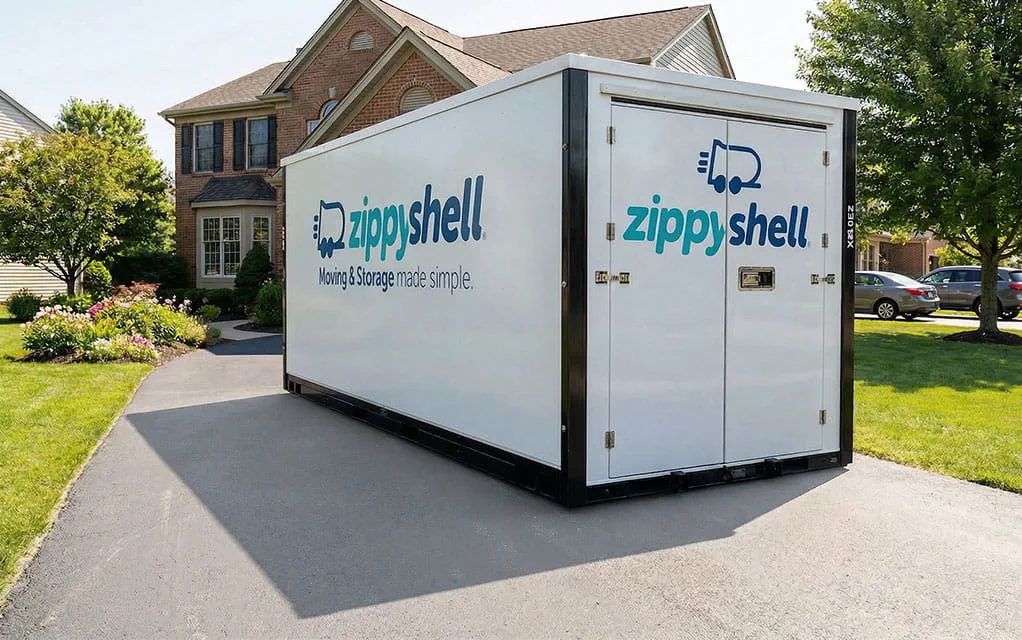
That is where Zippy Shell comes into play. Instead of using a traditional moving company and a rental truck, our portable storage containers double as moving containers. Here is how it works: you can pack your container at your own pace and let us handle the driving and delivery to your new home, or store it at one of our local, secure storage warehouse facilities for as long as you need. We pair moving and storage to make the process easier, no matter your circumstances. We also offer full-service moving options, including professional labor for moves that need it!
Also, get important packing supplies like boxes, packing tape, bubble wrap, and markers. You can buy these supplies from a big-box store like Lowe’s Home Improvement or an online retailer such as Amazon . Both retailers will ship supplies to your home, which makes this part more straightforward. Staying organized is very important when moving, so make sure to label boxes clearly as well. This will help when it is time to unpack by showing you exactly where everything goes in your new home.
Creating a Comprehensive Moving Checklist
A moving checklist helps you stay on track and avoid missing anything. It includes tasks like clearing out items, packing, updating your address, and arranging moving services.
Start by listing your items. Organize what to pack and what you want to get rid of, throwing away, selling, or donating. This will help you clear space, estimate the packing supplies you need, and reduce the amount of stuff you take with you.
Here is a simple moving checklist to help you:
- Eight Weeks Before: Find and book your moving services to schedule your preferred move date.
- Six Weeks Before: Start clearing out and organizing your belongings. Get all the packing supplies you need.
- Four Weeks Before: Tell your utility companies your move date and start researching how and when to set up services at your new location. Start packing now with items you won’t need right away.
- Two Weeks Before: Notify important places of your address change, like banks, credit card companies, and subscription services. Submit a change-of-address form to the USPS.
- One Week Before: Confirm all details with your moving company and make sure your moving service is ready to go. If you are using professional labor providers, confirm with them as well. Take apart furniture and begin packing the rest of your stuff.
Step-by-Step Guide to Moving Without a Job
Let's divide the moving process into simple steps. We will look at important things to think about for each part. From planning your budget to networking strategies, each part helps you move successfully.
Remember that flexibility is essential, so don’t be afraid to change your plan if needed. Your situation and the job market in your new state will determine this.
Step 1: Financial Planning and Savings Strategies
Financial planning is crucial when moving without a job. Start by reviewing your savings closely. Create a budget that includes moving costs, living expenses, and any surprises you might face.
Develop a solid savings plan to cover several months of living expenses. You can also lower your costs by getting rid of some belongings, finding cheaper places to live, and cutting out things you don't really need.

Having a backup plan is also important. Consider freelance work, part-time jobs, or using your skills to make money while you search for a job.
Step 2: Researching Your New State's Job Market
Start by exploring the job market in your new state as early as possible before you move. Research the top industries, major employers, and roles that are currently in high demand. Utilize online tools like LinkedIn, Indeed, and Glassdoor to search for openings and connect with local professionals. Engage with local networking groups or professional associations, both online and in person, for valuable insights into the job market and to expand your network.
Identify unique opportunities that match your skills, qualifications, and experience. Tailor your resume to highlight relevant achievements, certifications, or specialized training that are particularly valued in your new state’s market. Consider reaching out directly to recruiters or hiring managers at companies you're interested in; a proactive approach often stands out.
Understanding how the local job market operates will help you develop a targeted job search strategy. For example, some states may have a strong tech sector while others focus on healthcare, education, or manufacturing. Knowing these trends will allow you to position yourself as a candidate who meets current needs.
Keep an eye on economic trends and emerging opportunities by following industry news, subscribing to local business journals, and attending career fairs or webinars focused on your new city or state. Staying informed about new companies moving into or expanding in the area can give you a competitive edge.

Be prepared to adapt your expectations based on regional differences in salary ranges, required qualifications, or workplace culture. By staying flexible and persistent, and leveraging every resource at your disposal, you’ll maximize your chances of landing a job quickly after relocating to your new city.
Step 3: Networking and Building Connections Remotely
Networking is very important when you are looking for a job. This is especially true if you are moving to a new city without a job. Use social media platforms like LinkedIn to connect with people in your field who live in that new city.
Join specific groups related to your industry. Get involved in conversations that matter. Reach out to people who work at companies you find interesting. Make sure to personalize your messages. Highlight your skills and share your excitement about finding job opportunities there.
Also, remember the value of your current network. Let your friends, family, and past coworkers know about your move. Ask them if they have any leads or contacts in your new state, as this can help jump-start your networking and social options.
Step 4: Securing Temporary Housing Options
Finding a permanent home in your new city can be exciting. However, temporary housing first gives you some freedom. Short-term rentals, sublets, or extended-stay hotels let you explore different neighborhoods. It also helps you adjust to your new area before you sign a long-term lease.
Websites and apps like Airbnb and Zillow offer many temporary housing options. You can find furnished apartments or shared living spaces. Consider how close options are to your job and whether public transport works for you. Also, consider what the neighborhood offers in terms of amenities and value. When you sign a lease, read the terms carefully. Pay attention to the lease length, security deposit requirements, and any renter rules.
Consider using Zippy Shell for your moving and storage needs. Our portable containers only need to be packed and unpacked once. If you aren’t ready to move everything out of your container, we can keep it as long as you need—no need to search for storage nearby or waste time packing and unpacking. We combine the moving and storage solutions to save you time and money!
Step 5: Exploring Freelance and Part-Time Work Opportunities
Exploring freelance and part-time work is a practical and strategic approach when relocating to a new state without secured employment, especially since finding a job can take a long time. Platforms like LinkedIn, Indeed, Upwork, and specialized freelancer job boards offer access to a broad range of opportunities across industries and let you filter roles by location, skill set, and flexibility, making it easier to find positions that suit your immediate needs.
Networking is another essential component of this strategy. By joining local professional associations, industry meetups, or online communities specific to your field or new area (such as city-based Facebook groups or regional Slack channels), you can gain valuable insights into the job market. These connections often lead to discovering unadvertised openings or receiving personal referrals, which can significantly improve your chances of landing a position.

Taking on part-time roles—even if they’re outside your primary career path—can be highly beneficial. These jobs provide a steady income stream while you continue searching for full-time employment. They also help you build local experience and references, demonstrate adaptability to future employers, and may lead to permanent positions within those organizations.
Additionally, freelance gigs enable you to showcase your skills to potential long-term clients or employers in the area and expand your portfolio with regionally relevant projects. This hands-on exposure can make you more competitive in the local labor market.
Ultimately, adopting a flexible mindset and being open to diverse work arrangements when moving can ease financial pressure and accelerate your professional integration into a new community and help you meet new people. This proactive approach supports your immediate needs and often opens doors to long-term career growth in your new state.
Use Zippy Shell Moving and Storage Containers to Make Your Move and Life Simpler
Moving to a new state without a job can feel scary and daunting, but it can also represent a fresh start that is rewarding once you complete the hard work. Remember why you want to move and what you hope to gain from this life change. Focus on the positives of the move, and you will find what you need to get on your feet in a new place.
The last thing you need, though, when moving to a new state without a job, is to stress about the move itself. You will want a partner who's seen it all and can provide a solution that makes it easy, no matter what you have going on. Zippy Shell is that partner.
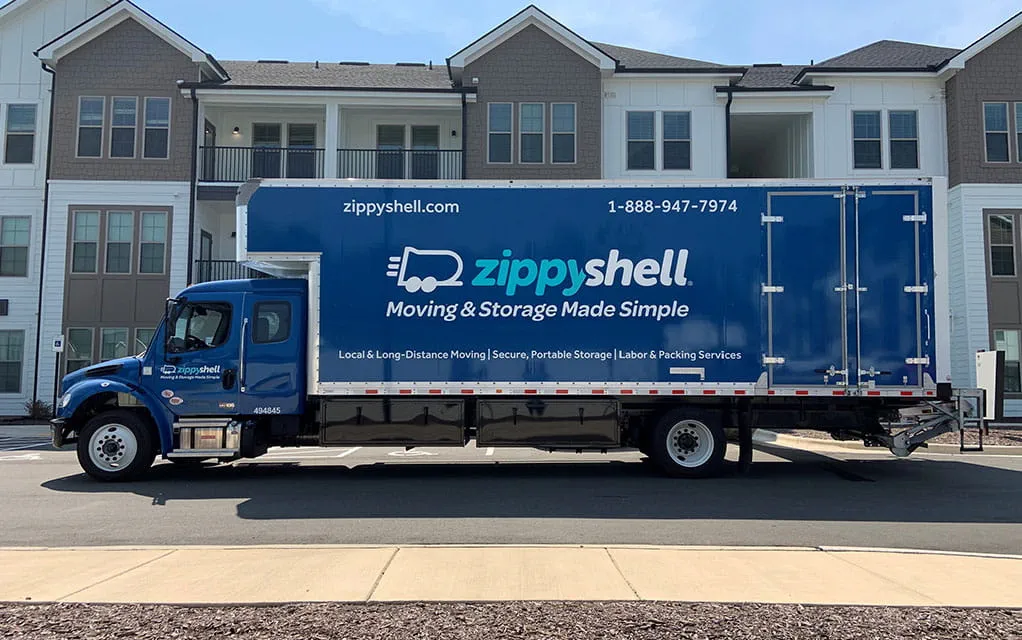
We will do our best to work with your budget while providing the services you need to get to your new home, whether it is local or long-distance. We handle all the driving and logistics, so you don’t have to, and we give you the time you need to pack and unpack at your pace, instead of doing everything in one day and risking overages and late fees. Let us make your upcoming move easier and remove the stress that comes with moving today!
Call us or go online for a free quote to see how we make moving and storage simple for everyone.
Frequently Asked Questions About Moving Without a Job
How can I make my move to another state easier without a job?
To make your long-distance move easier, get rid of what you don't need by donating or selling it, and only take what is essential. If you can afford it, hiring professional movers can make the move much less physically exhausting; if you can't, lean on friends and family as much as possible. Be sure to research your new home beforehand, learn about potential job opportunities and the area itself. Applying for jobs before your long-distance move is a great start and can get you to a good place immediately if you land interviews.
What are the best ways to save money when moving to another state?
You can save money by looking for and asking around for free packing supplies; just know they may not always be clean or usable. You can also check Nextdoor or other neighborhood apps to see if anyone offers recently used moving supplies at a discount or for free. Ask friends and family to help you pack instead of hiring professional movers.
Also, choose a moving company that fits your needs and schedule—just because they claim to be the cheapest option doesn’t mean you will get the service you need!
How do I find housing in another state without a job?
When relocating to a new city, securing temporary housing is often the most practical first step. Temporary accommodations range from sublets and short-term apartment rentals to staying with a family member or extended-stay hotels, all designed to offer flexibility for newcomers. Popular platforms like Airbnb and Vrbo are excellent resources for these options, as they let you filter listings by budget, preferred location, and length of stay.
Additionally, many local real estate agencies and online apartment listing websites specialize in short-term leases or furnished rentals for people in transition. Search for apartments or rental properties near your new city using keywords such as “short-term rental” or “furnished apartment” to find suitable listings quickly.
Securing a temporary home early gives you peace of mind and ensures you have a comfortable base while you explore your new surroundings and look for more permanent housing. This approach helps you avoid last-minute stress and the risk of settling for less-than-ideal accommodations because of time constraints. Also, living temporarily lets you get familiar with different neighborhoods before committing long-term, helping you decide where you'd prefer to settle permanently.
If possible, reach out directly to landlords or property managers about flexible lease terms—they may be open to negotiating based on your needs. Extended-stay hotels are another convenient option; they typically offer amenities such as kitchens and laundry facilities that can make your transition smoother.
Can I move to another state with just savings and no job prospects?
Leaving your current job without another lined up can be risky, but if you decide to do it, preparation is essential. Before you make the leap, create a moving budget to ensure you have enough savings to cover at least three to six months of living expenses. This safety net will help you manage bills, rent, or unexpected costs while you search for new opportunities.
It's also important to develop a clear plan for your next steps. Consider whether you'll look for full-time employment right away or use this time to further your education or learn new skills that could make you more attractive to potential employers in the job market. Online courses, certifications, or workshops can boost your qualifications and expand your career options.
In the meantime, explore freelance work, remote jobs, or temporary positions as ways to generate income and keep your resume active. Platforms like Upwork, Fiverr, and LinkedIn offer contract work opportunities in many fields. Temp agencies can also connect you with short-term gigs that may lead to permanent roles.
Networking is another key strategy during a career transition. Reach out to friends, former colleagues, and professional contacts who might know of job openings or freelance projects. Attend industry events, either virtually or in person, and engage with relevant communities online.
Don't forget about your mental health and well-being throughout this process. Job transitions can be stressful; maintaining a routine and practicing self-care can help you stay focused and motivated as you move toward your next opportunity.
How will I know when it is the right time to move, even without a job?
Knowing when the right time to move without a job depends on several factors, including your financial stability and the job market and employment options in your target state. Assess your savings, industry demand, and personal circumstances to make an informed decision that aligns with your career goals and life situation.
- Moving Tips (133)
- Home Organization (60)
- Fun Stuff (54)
- Home Maintenance Tips (49)
- Packing Tips (38)
- Storage Tips (35)
- Home Buying and Selling Tips (24)
- News Releases (24)
- Home Renovation Tips (16)
- Moving on a Budget (11)
- Portable Storage (11)
- Moving and Storage Tips (2)
- Household Moving (1)
- In the Community (1)
- Moving Company Comparisons (1)