The Complete Guide on How to Move Refrigerators & Freezers
September 09, 2026
Key Highlights of Moving Fridges and Freezers
- Start the moving process early to make setting up your new home easier and less stressful.
- Unplug the unit, disconnect water lines, and secure the power cord before any heavy lifting begins.
- Remove food, dry the inside completely, and protect the refrigerator and freezer doors from swinging open.
- Use a dolly or hand truck, a moving blanket, and bungee cords to reduce the risk of damage.
- Keep the appliance upright to protect the compressor during transport.
- Get help from another person or hire professional movers for safer handling.
Moving a refrigerator or freezer can feel like one of the hardest parts of the moving process. These appliances are heavy, awkward, and easy to damage if you rush. The good news is that with a clear plan, you can move them safely from your current home to your new home without adding stress to your new kitchen setup. From prep work to loading into a portable storage container or alternative moving solution, the steps below help you protect the appliance, your floors, and yourself.
Essential Equipment and Materials for Refrigerator Moving
You need the right equipment before moving large appliances. A dolly or hand truck, sturdy straps, bungee cords, a moving blanket, and furniture sliders all make the job safer and more controlled. These tools help with balance, floor protection, and secure loading.
If you are using a portable moving container, the same basic equipment still matters. It helps you guide the appliance from the kitchen to the container with less strain. If you don't have the right equipment, professional movers may be the best option. Next, let’s break down the specific tools and protective gear.
Tools You Need for Moving Fridges and Freezers
Before you start, gather everything in one place. That saves time and keeps the move organized. For most households, the right equipment is not complicated, but each item has a job. A dolly or hand truck gives you leverage, while furniture sliders help you move the appliance without scraping the floors of the path.
Here are the basics you should have:
- A dolly or hand truck with built-in support for heavy lifting
- Furniture sliders to ease movement across hard surfaces
- Bungee cords or straps to keep the unit stable
- A moving blanket to protect the finish from dents and scratches
If you are missing any of these items, consider getting help from professional movers or a trusted moving company. This can be especially useful for local moves with stairs or long-distance moves into portable storage containers. Good tools do not remove the need for care, but they make every step easier and safer.
Protective Gear for Safe Appliance Transport
Safe appliance transport is not just about the fridge. It is also about protecting you and the people helping. Gloves improve grip during lifting, and simple floor protection can prevent slips, marks, and costly damage. Also, secure the power cord so no one trips while guiding the appliance out.
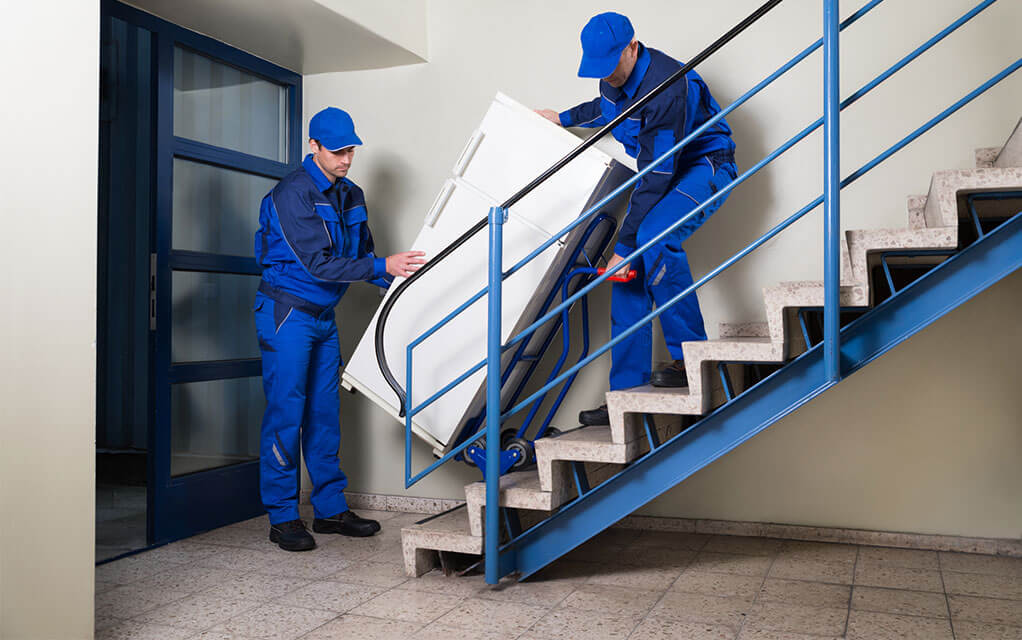
Protective gear and prep items may include:
- Work gloves for a better hold while steering and lifting
- A moving blanket for the outside of the appliance
- Towels or rags for water cleanup during disconnecting and defrosting
Just as important, always get the help of another person. Never move refrigerators and freezers alone. If the route is tight or the appliance is especially large, a reliable moving team or full-service moving support can further reduce the risk. Good protection starts before the first push.
Preparing and Moving Your Refrigerator
Preparation is the key to safely moving a refrigerator, and starting early can make the entire process smoother and less stressful. Begin by cleaning out all the contents—remove food, beverages, and any items stored inside. This prevents spills and keeps odors from developing during transport. Also unplug the refrigerator at least 24 hours before moving day. This gives it enough time to defrost completely, helping prevent water leaks that could damage your floors or other belongings.
Once unplugged, clean and thoroughly dry the interior. Moisture left inside can lead to mold or mildew growth, especially if the fridge will be disconnected for an extended period. Remove all detachable shelves, drawers, and bins; wrap them separately for transport to prevent breakage or movement during loading.
If your refrigerator has a water dispenser or ice maker, carefully disconnect the water lines according to manufacturer instructions. Secure the power cord by taping it to the back of the unit so it doesn’t get caught or dragged while moving. Secure any loose exterior components—such as handles or doors—with packing tape, or remove them entirely if possible.
After prepping the appliance, protect its exterior with blankets or moving pads to guard against scratches and dents in transit. When you're ready to move it, keep refrigerator doors closed and locked (if possible), and use proper equipment like a dolly with straps for better control and stability.

Finally, plan your route ahead of time: measure doorways, hallways, and stairs to ensure there’s enough clearance for safe passage. If needed, enlist extra help to lift heavy appliances without injury. Following these steps not only protects your refrigerator but also ensures your new space stays clean and undamaged.
The next sections will guide you through each stage—from prepping your fridge to lifting, loading onto a moving truck, and installing it in its new location—so you can rest assured every step is handled safely and efficiently.
Cleaning, Unplugging, and Defrosting Steps
Start by removing all of the food from your fridge. Plan your meals around what is left in your fridge, eat your perishables before the move, and put anything you are keeping in a cooler with ice. Once empty, unplug the appliance and allow time for cooling to stop completely. Most guidance in the source material suggests doing this at least 24 hours before the move.
Your prep should include:
- Defrosting the unit completely to prevent leaks
- Wiping away moisture to stop mold and mildew
- Cleaning inside surfaces to reduce odors and stains
After that, leave the interior dry and open while you finish other tasks. You can even place baking soda inside to help with unpleasant odors. Secure a wrapped power cord to the appliance so it doesn't drag. This part may feel slow, but it prevents a lot of avoidable mess later.
Removing Shelves, Doors, and Exterior Components
Once the inside is clean and dry, check what you can remove. Remove shelves, drawers, and bins and pack them separately. This matters even more if you have glass shelving that could crack or break while the unit shifts. It also lightens the appliance and makes it easier to control.
Pay attention to these parts:
- Removable shelves and drawers from both the fridge and freezer
- Refrigerator doors or freezer doors, if the appliance will not fit through the width of a doorway
- Exterior components linked to a water dispenser or ice maker
If your model includes water lines, disconnect and drain them carefully. Towels help with drips. For door removal, check the owner’s manual because some models have specific steps. Planning ahead here can save time and prevent damage when you reach tight hallways or the final destination.
Protecting Your Refrigerator from Damage
When preparing to move a refrigerator, safeguarding both the appliance and your home is crucial to prevent unnecessary damage. Start protecting it before you move the refrigerator from its original spot. Start by securely fastening the doors with stretch tape or bungee cords—this prevents them from swinging open during transport, which could cause injury or structural damage. Once the doors are secured, wrap the entire exterior of the refrigerator with a thick moving blanket. This layer buffers against bumps, scrapes, and potential dents as you navigate tight spaces like doorways and hallways.
For floors and trim that might be vulnerable to scratches or scuffs, lay down cardboard sheets or protective mats along the planned moving path. Pay particular attention to areas with frequent contact points; extra padding here can help absorb impacts. If you're loading the refrigerator onto a dolly or into a truck, ensure that any blankets or protective coverings are snugly wrapped so they won’t slip underfoot and become a tripping hazard.

Additionally, if your refrigerator will be placed in temporary storage—whether that's portable containers, on-site storage units, or warehouse facilities—a careful wrap offers ongoing protection against dust, moisture, and accidental knocks from other stored items. Multiple layers of protection not only preserve the appliance’s finish but also reduce future repair costs.
Proper preparation makes moves safer and helps ensure your refrigerator arrives at its new location in excellent condition. Taking these steps can save time and money—and provide peace of mind during what can often be a stressful process.
Navigating Stairs, Doorways, and Tight Spaces
Tight spaces often pose significant challenges during a move, especially when transporting large appliances like refrigerators. Measuring the height, width, and depth of your appliance and comparing those dimensions to your doorways, hallways, and stair landings is essential to ensure a smooth move. Do this preparation before you start relocating the appliance—measuring mid-move can cause unnecessary delays or damage.
To further minimize risks and complications, use a dolly or hand truck. These tools provide stability and make it easier to maneuver heavy items through confined areas. Having an extra person assist you is crucial, particularly when navigating stairs; one person can guide the direction while the other handles the weight. Clear communication between both helpers prevents accidents and helps coordinate movements around tight corners and through doorways.
If space remains limited even after careful measuring, consider temporarily removing house doors from their hinges. This simple step can create valuable extra room for safely moving bulky items.
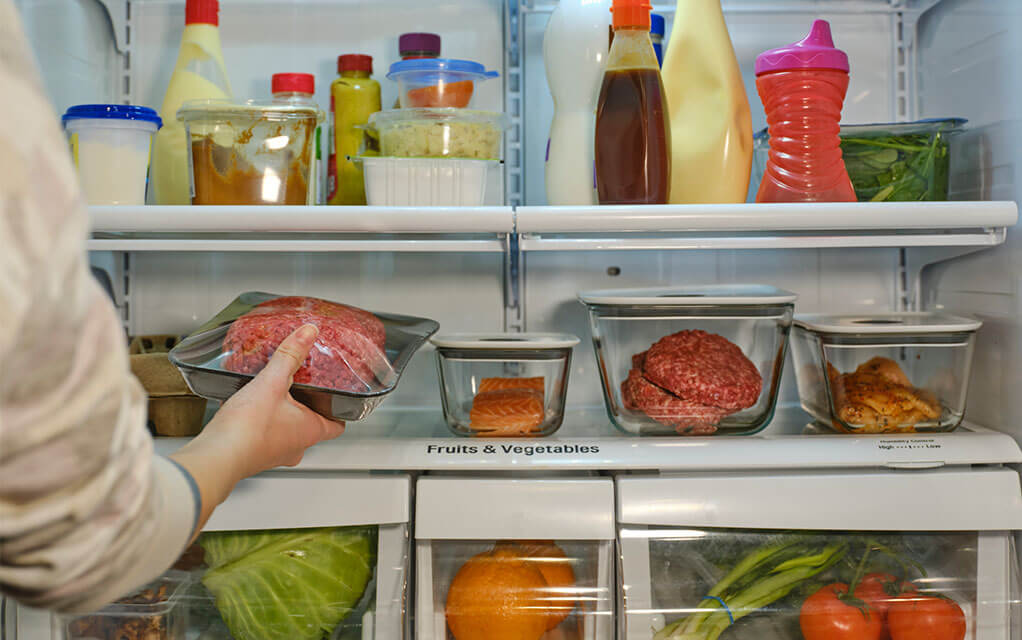
Careful navigation protects the appliance from dents or scratches and safeguards your home’s walls, floors, and trim from accidental damage. Whether you’re moving across the country or using a service like Zippy Shell for local moving and storage, thoughtful planning ensures that everything arrives intact at your new destination.
Lastly, don’t rush through this process. Moving slowly gives you time to react to unexpected obstacles and reduces the chance of mishaps. These precautions make all the difference in keeping both your appliances—and your home—in great condition during a move.
Avoiding Common Mistakes When Moving Refrigerators
A few common mistakes can turn a manageable task into an expensive one. The biggest is moving a refrigerator without the right equipment or trying to do it alone. Another major problem is not keeping the appliance upright. This can affect the compressor and cause issues when you try to use it again.
Avoid these errors:
- Letting the power cord drag across the floor, potentially damaging it or causing a tripping hazard
- Skipping floor protection and damaging surfaces as you move the fridge
- Transporting the unit on its back instead of upright
If the fridge must go on its side for a short period, return it to an upright position and let it sit before plugging it in. If you are worried about moving your fridge on your own, have friends come over to help or call a professional labor provider, as they have the right tools to move bulky items without issue. Reliable moving starts with respecting the appliance's size and limits, and understanding if you can move it safely to and from your moving solution.
How to Move Chest Freezer Safely
A chest freezer needs many of the same steps as a refrigerator, but the shape and lower center of gravity can change how you handle it. Empty it fully, stop buying frozen food ahead of time, and plan for cooling loss before the move.
You should also defrost, dry, and protect the unit before rolling it toward a portable storage container or new location. If your freezer has baskets or tiered freezer storage, remove those parts first. Up next are the key preparation steps, floor protection tips, and mistakes to avoid.
Chest Freezer Moving Preparation and Defrosting
Proper preparation is essential when moving or storing a chest freezer to ensure its longevity and prevent damage. After transferring the food to another freezer or cooler, unplug the unit and let it defrost completely. This is crucial because any remaining ice will melt during transit, potentially leading to water stains, mold growth, and unpleasant odors.
Begin by defrosting the chest freezer completely. You can speed up this process by placing towels around the base to soak up melting ice or using a fan in a well-ventilated space. Once all ice has melted, wipe down every surface thoroughly with a dry cloth—this step helps prevent mold and mildew from taking hold during storage or transportation.
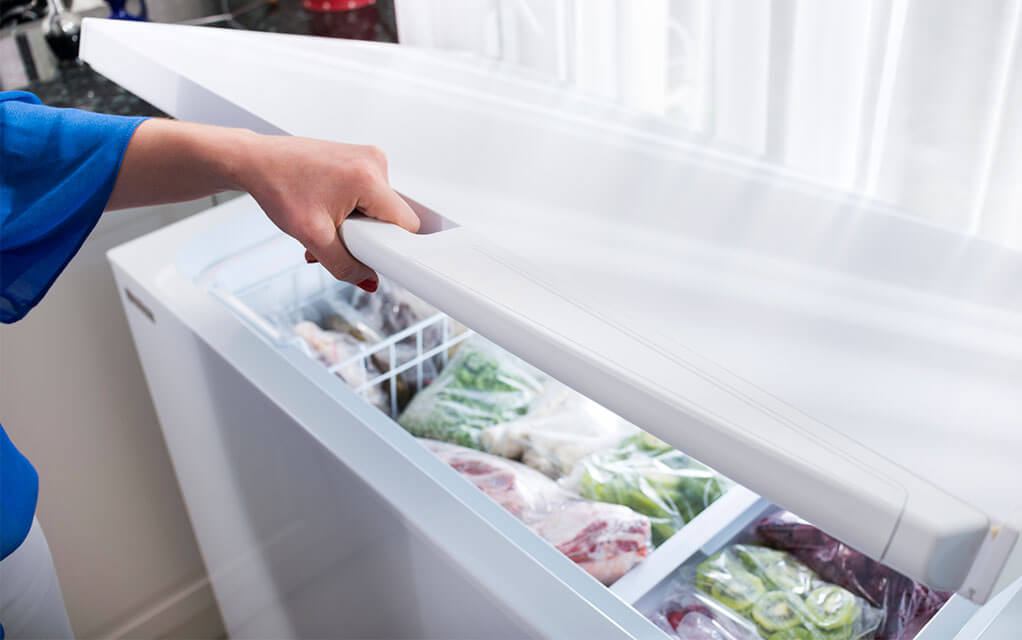
Next, clean the freezer interior with a mild detergent or baking soda solution. This helps eliminate lingering odors and removes any spilled food residue. Pay special attention to corners and crevices where moisture and debris might accumulate.
Inspect removable baskets, drawers, and seals after cleaning. Remove these items if possible and pack them separately in labeled boxes for easy reassembly later. Check door seals for cracks or wear—they should be dry and intact to maintain efficiency when you reinstall the freezer.
Before moving the chest freezer, plan your route carefully within your home or garage. Clear obstacles from hallways and entryways to minimize risk during transport. If you’re preparing the appliance for delivery or long-term storage, keep the lid slightly propped open after cleaning and drying; this prevents trapped moisture and allows air circulation inside.
By following these steps—defrosting thoroughly, drying every surface, cleaning meticulously, inspecting components, and planning ahead—you’ll protect your chest freezer from damage while making moving or storage more efficient and hassle-free.
Easy Way to Move Freezer Without Damaging Floors
Chest freezers are easier to scrape across a floor if you rush, so protect the route before moving anything. Cardboard and furniture sliders can reduce friction, while a moving blanket protects the freezer body from wall contact. This is one of the simplest ways to prevent avoidable damage.
Use these supports:
- Furniture sliders under the base when repositioning indoors
- Cardboard across the floors of the path
- A moving blanket around the chest freezer for surface protection
When it is time to load into a portable container, move slowly and keep the freezer balanced. If the path includes turns or steps, get help rather than forcing it. Zippy Shell portable storage containers can simplify loading because you can work at ground level and move at your own pace.
Common Mistakes to Avoid When Moving Freezers
Many chest freezer problems happen after transport, not during it. That is usually because the unit was not kept upright, or it was plugged in too soon. The compressor needs time to settle if the appliance was tilted. Skipping that wait can create performance problems.
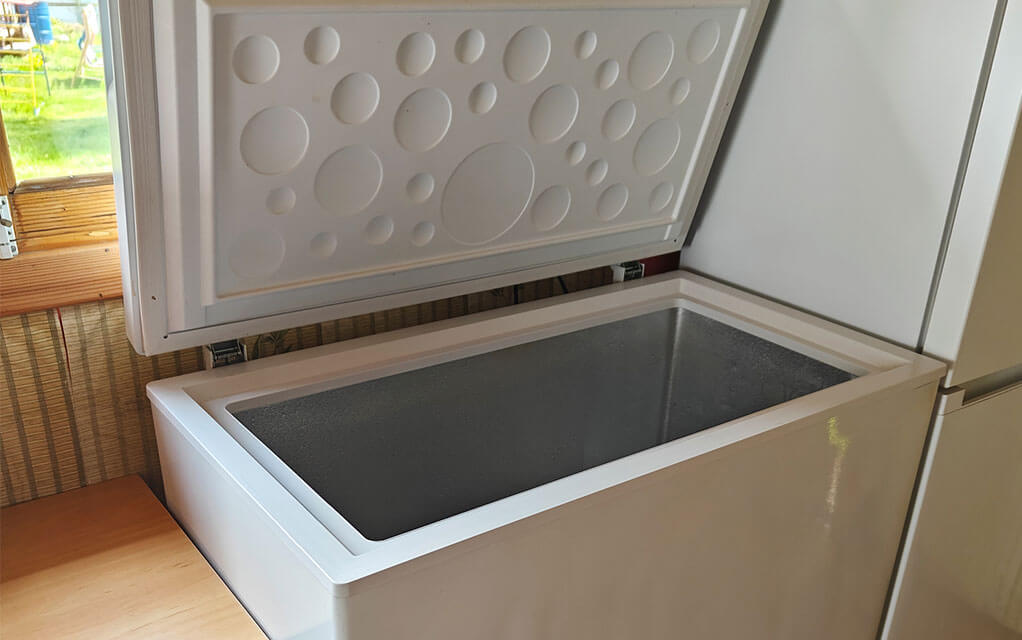
Watch out for these mistakes:
- Wrapping the power cord loosely so it drags or gets pinched
- Tipping the chest freezer too far instead of keeping it upright
- Trying to move it without enough help or without a moving company when needed
If the freezer was on its side briefly, let it stand upright before reconnecting to a power source. If the move involves long-distance moving or difficult access, a reliable moving provider can make the process much safer and more predictable.
Tips for Transporting Refrigerators and Freezers
Transporting these appliances is really about stability and patience. The safest approach is to keep them upright, pad them with a moving blanket, and secure them with bungee cords or straps inside a portable moving container. That setup lowers the risk of shifting and internal damage.
Problems can happen when you place a fridge or freezer on its side or back. The compressor, coolant flow, evaporator coil, and condenser coil can all be affected. The following sections explain transport position, wait times, and how to choose the best option for your move.
Upright vs. Side or Back Transport: What You Need to Know
When moving a refrigerator or freezer, the upright position is universally regarded as the safest and most effective method. This orientation is crucial because it helps maintain the integrity of the compressor—a key component responsible for cooling—and ensures that refrigerant fluids stay properly distributed within the appliance's sealed system. Transporting your fridge upright minimizes the risk of internal fluids shifting, which can otherwise lead to mechanical failure or reduced efficiency.
If circumstances require you to tilt or lay your refrigerator on its side—such as when maneuvering through tight spaces—do so only briefly. Afterward, let the appliance rest upright for several hours before plugging it in. The resting period gives displaced oils or refrigerant fluids time to settle back into their proper locations within the compressor and cooling system, helping prevent damage and ensuring optimal performance once powered on.
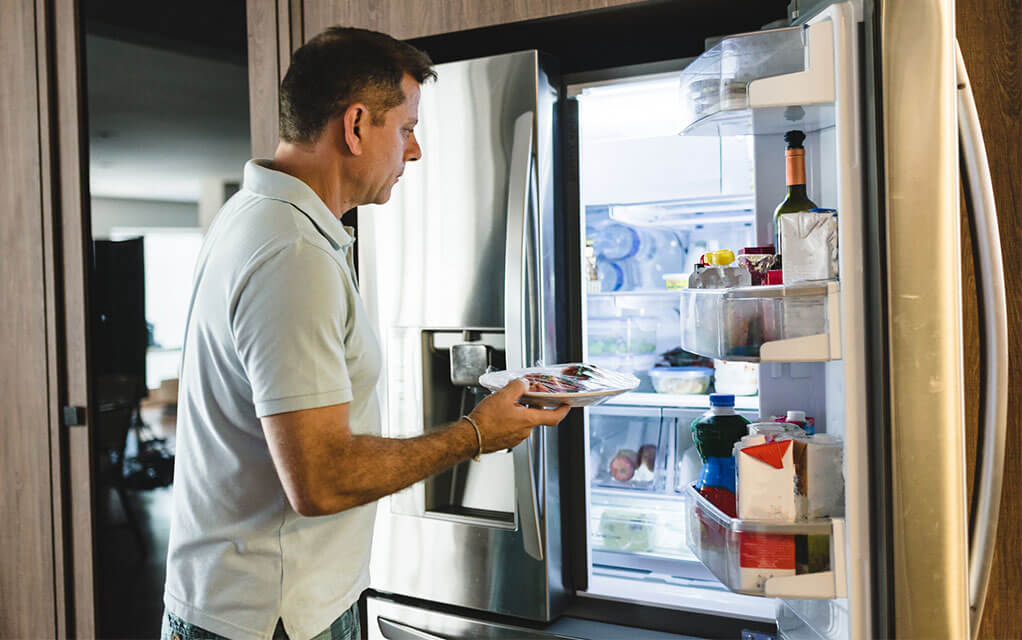
Do not transport your refrigerator on its back. This position increases the risk of damaging internal components, including the evaporator coil and condenser coil. These coils are integral parts of the cooling system and are designed to function best when kept vertical. Laying the appliance on its back can cause fluids to flow where they shouldn’t, potentially leading to costly repairs or even rendering the unit unusable.
Whenever possible, plan your move so that your refrigerator stays upright from start to finish. Using appropriate moving equipment, such as dollies and straps, can help maintain this position throughout transit. Securing doors and removing shelves during transportation can also prevent accidental damage.
By following these guidelines, you protect your appliance’s longevity and functionality, avoid unnecessary repair costs, and ensure reliable operation after relocation. Always consult your manufacturer's recommendations for instructions specific to your model, but keeping it upright remains the golden rule across all brands and types.
How Long to Wait Before Plugging in After Moving
Once the appliance reaches your new home, do not rush to restart it. If it stayed upright the whole time, many guides suggest a short settling period. If it spent time on its side, wait longer so the coolant and compressor oil can return to the right place.
Keep these timing ideas in mind:
- After a normal upright move, waiting 2 to 4 hours is commonly advised in the source material
- If it was on its side, many professionals suggest waiting based on how long it stayed tilted
Before plugging in, make sure the appliance is level and connected to a proper power source. Then let it cool before loading food back inside. This last step helps the unit work properly in its new location and lowers the chance of startup issues. As always, consult your fridge's manual if you need guidance or contact the manufacturer for support.
Choosing the Right Moving Equipment for Refrigerators and Freezers
Picking the right gear can make the difference between a smooth move and a risky one. A dolly or hand truck is essential for control, and straps help keep the appliance firmly attached while it moves through the home and into a portable moving container.
The most useful items are:
- A dolly or hand truck for balance and leverage
- Straps or bungee cords for securing the unit
- A moving blanket to guard against dents and scrapes
When your relocation involves staircases, tight corridors, or bulky built-in units, hiring professional movers might be your smartest choice. Zippy Shell can provide extra help for your move, including portable storage containers, secure on-site storage options, warehouse facilities, and trusted professional labor assistance that takes the physical burden off your shoulders.
Protecting Your Refrigerator During Transit
Transit protection for appliances, especially refrigerators, is crucial to prevent damage during a move. The process begins with secure wrapping: use stretch tape or packing straps to keep doors firmly shut, ensuring they don’t swing open and cause internal or external harm. Next, wrap the appliance in a moving blanket to cushion it against bumps and vibrations. Moving blankets are thick and durable, providing an extra layer of protection against scratches and dents.
To further protect vulnerable areas, add cardboard at the refrigerator’s corners, edges, or along surfaces that may contact other items or walls. Cardboard buffers sudden impacts and is especially useful when space inside the moving truck or storage container is limited.

Once wrapped and protected, use bungee cords or heavy-duty straps to secure the appliance inside the transport vehicle or portable storage container. Properly anchoring the refrigerator prevents it from shifting during transit, reducing the risk of both cosmetic and functional damage.
Before you set off—whether it’s local moving, long-distance relocation, or temporary storage—test for sway by gently pushing the refrigerator. If there’s any movement side-to-side, tighten your restraints until the unit remains solidly in place.
A stable load protects your investment and ensures safety during handling and transportation. By following these steps, you increase the likelihood that your refrigerator will arrive at its new location intact and ready for installation without any unforeseen repairs or cleaning due to transit mishaps.
Let Zippy Shell Help Make Your Next Move Simple
Moving a refrigerator or freezer can seem daunting, but with the right preparation and techniques, you can do it smoothly. The same is true if you use Zippy Shell to help make your move happen.
Zippy Shell is a portable moving and storage container provider that aims to make moving and storage simple. We do that by bringing the moving solution to your location and giving you as much time as you need to pack your stuff up. No more rushing to get everything done in one afternoon and packed into a moving truck you now have to drive somewhere else. Here is how it works: you schedule your delivery date, we bring the container to you, you pack at your pace, and when you are done, we will either begin the process of transporting it to your new home or place it into storage at one of our 90+ secure warehouse locations across the continental United States. It is that simple.

We excel at long-distance and local moving, and can even provide long- and short-term storage if necessary. We can also connect you with trusted third-party labor assistance to make your move even easier. Call us today or get a free quote on our website to get started!
Frequently Asked Questions About Moving Refrigerators and Freezers
What are the safest methods for moving a refrigerator or freezer without damaging it?
When preparing to move a refrigerator or freezer, keep the appliance upright to protect its internal components, especially the compressor. Tilting the appliance can cause compressor oil to flow into the cooling lines, potentially causing malfunctions once it's powered back on. Securing both the refrigerator and freezer doors prevents accidental opening during transport, which could damage hinges or cause you to lose contents.
Wrapping the appliance with a moving blanket adds cushioning that helps prevent scratches, dents, and other surface damage. Using bungee cords or heavy-duty straps keeps the appliance firmly in place on the dolly or inside the moving vehicle. This minimizes movement and vibration, reducing the risk of internal damage and making handling safer for movers.
Additionally, before moving your refrigerator, empty all contents and unplug it at least 24 hours prior so it has time to defrost. Clean up any water from melting ice to avoid slippery surfaces and potential mold growth. After you arrive at your destination, let the appliance sit upright for several hours—usually 4-12 hours—before plugging it in again. This allows any displaced compressor oil to settle back into place, ensuring optimal performance when you restart your refrigerator or freezer.
Following these steps not only protects your appliance but also extends its lifespan by preventing costly repairs from improper handling during a move.
What are the risks of laying a freezer or fridge on its side?
When transporting or moving an appliance such as a refrigerator, don't lay it on its side, as it can cause the coolant inside the unit to shift and potentially affect the compressor. This displacement may cause operational problems when you restart the appliance, including inefficient cooling or even compressor failure. Similarly, you should never transport a fridge on its back, as this can cause damage to vital components such as your refrigerant lines, compressor, and more, which can lead to costly repairs or being forced to replace the entire unit outright, costing you hundreds or thousands of extra dollars.
Keeping the refrigerator upright is safer for its internal system. In this position, components like the evaporator coil and condenser coil stay in their intended orientation, which helps maintain proper refrigerant circulation. It also reduces the risk of compressor oil migrating where it shouldn’t—something that can compromise performance and longevity.
Furthermore, moving a refrigerator upright minimizes the chances of physical damage to sensitive parts such as hoses, wiring, and seals. If a fridge has been moved on its side, manufacturers generally recommend letting it stand upright for several hours before plugging it back in. This allows any shifted fluids or oils to settle back into place and protects the appliance from potential malfunctions.
Always keep your refrigerator upright during transport or relocation to ensure optimal function and avoid costly repairs due to internal damage.
Are there any specific tools needed for moving large appliances like refrigerators and freezers?
When moving large appliances, having the right tools is essential for both safety and efficiency. A dolly or hand truck provides crucial control and leverage, allowing you to maneuver heavy items without straining your back or risking injury. Furniture sliders are another important tool—they make it much easier to slide appliances across floors without causing damage, especially on hardwood or tile surfaces.
Additionally, using straps helps secure the appliance to the dolly or hand truck, keeping it stable during transport and preventing unexpected shifts that could lead to accidents. Moving blankets are also highly recommended; they offer a protective layer that prevents scratches, dents, and other potential damage during the relocation process.
These tools not only simplify the physical task but also help preserve your home and appliances in good condition. Taking these precautions can save time, reduce repair costs, and ensure a safer move overall. Always remember to plan your route in advance—clear obstacles, measure doorways and hallways, and communicate with anyone helping you to avoid mishaps while moving large appliances.
Is defrosting necessary before moving a fridge or freezer?
Yes, defrosting is an important step. It prevents water leaks during the move and helps avoid odors, mold, mildew, and stains. After defrosting, wipe the interior dry and clean it well so the appliance is ready for transport and storage.
How long should I wait before plugging in my refrigerator or freezer after moving it?
After reaching the new location, wait before plugging it in so coolant and compressor oil can settle. If the appliance stayed upright, a short wait is often enough. If it was tilted or on its side, allow more time before reconnecting to a power source.
- Moving Tips (132)
- Home Organization (60)
- Fun Stuff (54)
- Home Maintenance Tips (48)
- Packing Tips (36)
- Storage Tips (35)
- Home Buying and Selling Tips (24)
- News Releases (24)
- Home Renovation Tips (16)
- Moving on a Budget (11)
- Portable Storage (11)
- Moving and Storage Tips (2)
- Household Moving (1)
- In the Community (1)
- Moving Company Comparisons (1)