Top 10 Moving Mistakes to Avoid for First-Time Movers
September 18, 2025
Key Highlights of First-Time Moving Mistakes You Can Avoid
- Start the moving process early by decluttering your belongings to save time and money.
- Create detailed moving checklists and a realistic timeline to stay organized.
- Gather more packing supplies than you think you need to avoid last-minute emergencies.
- Research and book your moving company or portable storage well in advance of your move.
- Label all boxes clearly and pack an essentials bag for your first night.
- Consider flexible solutions like portable storage containers to reduce moving day pressure.
Are you getting ready to move into a new home? For first-time movers, the journey can feel both thrilling and a bit daunting. The moving process involves many steps, from packing up your life to settling into a new neighborhood. While it’s a significant undertaking, it doesn’t have to be a source of stress. With a bit of foresight, planning, and tips from the pros, you can sidestep the common pitfalls that many people encounter when making a big move for the first time. This guide will walk you through the top mistakes to avoid, helping you make your move a success while avoiding some common issues.
The Top 10 Moving Mistakes First-Time Movers Should Avoid
The path to your new front door is often paved with cardboard boxes, phone calls, tape, and to-do lists. It’s easy to make common mistakes during the moving process, especially when it’s your first time. These errors can lead to wasted time, unexpected costs, and a lot of unnecessary hassles on moving day.
Fortunately, learning from the experiences of others and leveraging Zippy Shell as a moving partner can help you navigate your move with confidence. By understanding what can go wrong or things you can do to mitigate common problems, you can take simple steps to ensure everything goes right. Let’s explore the top ten mistakes that you should steer clear of for your upcoming move.
1. Not Decluttering Before Packing
One of the biggest blunders you can make is packing everything you own without sorting through it first. Why spend time, money, and effort moving items you no longer need or want? Moving is the perfect opportunity to simplify and start fresh in your new space. Packing unwanted belongings only adds to the workload and can lead to higher costs for your move, especially with heavy items, so decluttering is one of the first tasks you should tackle.

Before you even think about taping up a box, go through each room and categorize your possessions. A simple system can make this task much more manageable.
- Keep: Items you love and use regularly or use seasonally for decorations.
- Donate or Sell: Things that are in good condition but you no longer need.
- Toss: Anything that is broken, expired, or unusable.
Taking the time to purge unnecessary clutter means you’ll have less to pack, less to move, and less to unpack. This not only makes moving day easier but also helps you create a more organized and intentional environment in your new home from the very beginning.
2. Underestimating the Amount of Packing Supplies Needed
Have you ever started a project only to realize you’re missing a crucial tool? Running out of packing supplies midway through packing is a common and frustrating problem. It’s easy to underestimate just how many boxes, rolls of tape, and sheets of bubble wrap you’ll need to pack all your belongings safely. This mistake can cause delays and add stress as you scramble to find more materials, especially at the last minute when finishing packing your stuff.
To avoid this issue, take inventory of your home and try to estimate your needs. It’s always better to have a surplus of supplies than to run out. You can start collecting boxes from deliveries, purchase them from a moving supplier such as Lowe's® Home Improvement, or try to get some stuff for free from stores and businesses that go through boxes daily. You can also try social networks such as Nextdoor or Facebook Marketplace that might have users who have recently moved and have excess supplies they are trying to get rid of for free or at a low price point.
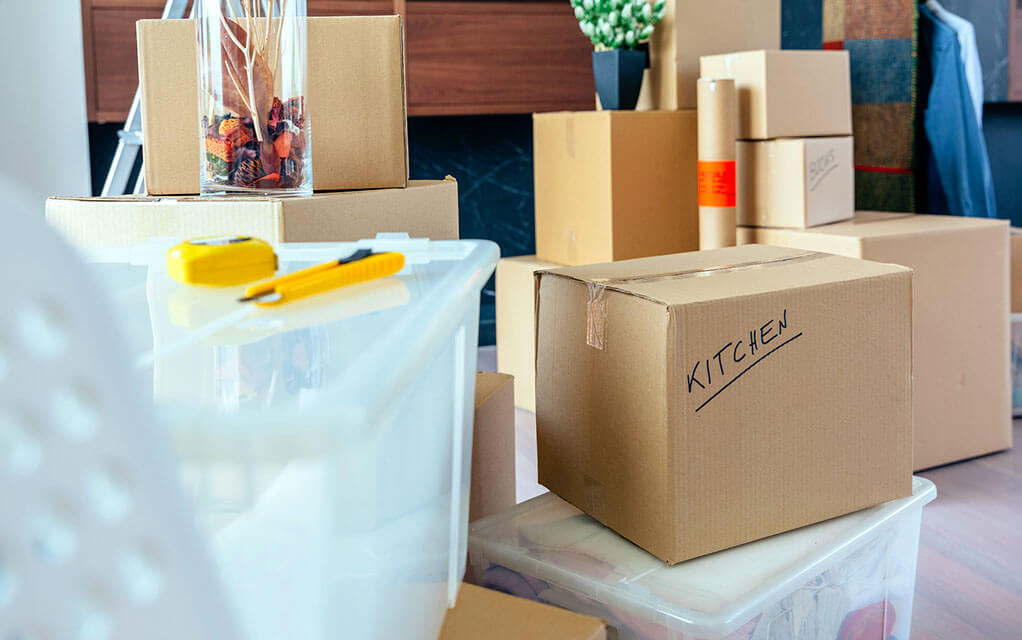
Make a list of essential packing supplies:
- Sturdy cardboard boxes in various sizes; consider getting a mix of standard and heavy-duty, dual-layered boxes for heavier items. You can also purchase specific boxes for TVs, clothes, and other unique items.
- High-quality packing tape and a dispenser - don't skimp on packing tape, as there is a big quality difference between cheap and regular tape. The last thing you need is a bad roll of tape, making your packing process more difficult or annoying than it should be.
- Markers for labeling your boxes and bins.
- Protective materials like bubble wrap, packing paper, or old linens. If you don't want to purchase a bunch of unitaskers, you can use old bedsheets, towels, and other protective linens that can be washed after use to protect your stuff.
Starting with a good stock of supplies ensures your packing process is continuous and efficient. This simple preparation step can prevent a major headache as your moving day gets closer and will allow you to pack at a steady pace with no supply interruptions.
3. Starting the Packing Process Too Late
Procrastination is a natural human tendency, but waiting until the last minute to pack is a recipe for disaster. Packing almost always takes longer than anticipated, and rushing through it can lead to damaged items, forgotten essentials, and overwhelming stress far too close to your actual moving day. A hurried packing job is one of the most regrettable mistakes a mover can make.
The solution is to create a packing timeline and start early. Begin the process at least a month before your move, giving yourself plenty of time to pack thoughtfully and without pressure. Ideally, the moment you figure out when you are going to make a move, start packing!
- Pack non-essentials first: Start with items you don’t use daily, such as out-of-season clothing, decor, and books. You can start staging these items in a room that doesn't see a lot of use or your garage.
- Tackle one room at a time: Breaking the task down into smaller, manageable goals makes it feel less overwhelming. By going from room to room instead of a scattered approach, you can see the work you are doing, which can be a psychological boost to continue packing.

By giving yourself a generous head start, you can pack with care, stay organized with a checklist, and handle any unexpected challenges that arise. This proactive approach will make your entire moving experience smoother and far less stressful. Remember - pack early; don't wait until a week or two before to start!
4. Failing to Label and Organize Boxes Properly
Imagine arriving at your new home, surrounded by a mountain of identical brown boxes. How will you find the coffee maker or your toothbrush? Failing to label and organize boxes properly is an easily avoidable mistake that creates chaos and frustration during the unpacking phase. A clear labeling system is your best friend when moving, giving you a clear view of what is where and where boxes should go when moving into your new home.
Now, you can just put "Kitchen" on a box, which is the most rudimentary form of box labeling, and it is better than just a blank box. However, if you want to make things even easier on yourself when unpacking, use a more detailed method.
Instead of just scribbling "Kitchen" on a box, adopt a more detailed method. One of the best ways to do this is to use a numbering or color-coding system and keep a corresponding inventory list on your phone or in a notebook.
- Assign a color or letter to each room: For example, use blue for the bathroom (B) and yellow for the kitchen (K). This saves you from having to write the same thing 50 times on all your boxes. You can get little colored stickers for this.
- Number each box: Label boxes sequentially for each room (e.g., K1, K2, K3). You can then cross-reference this against a list - either written or in your phone - that you can specifically list what is in that box, allowing you to triage box opening for the most important stuff first. For example, on your inventory list, briefly note the contents of each numbered box (e.g., K1: Pots and Pans; K2: Plates and Bowls).
This system makes it easy for movers to place boxes in the correct rooms and helps you locate specific items—like fragile items or the internet modem—without having to open every single box to find that one thing you need right now.
5. Not Booking Movers or Portable Storage in Advance
Waiting too long to secure your moving services is a critical error, especially if you’re planning a move during the peak moving season from late spring to summer. Whether you need professional labor services for a local move or cross-country move, or you need portable storage solution for on-site storage for a home renovation, booking early is essential. Moving companies across the board book up quickly during the peak season, and this also includes professional labor providers for packing and unpacking, auto transport services, etc.

When you delay booking and scheduling your preferred moving date, you risk having to move on an inconvenient day, facing higher prices, or having to settle for a less reputable company. Are you willing to take that chance? Start researching your options as soon as you have a potential moving date in mind. Getting quotes from multiple providers will help you find the best service for your budget. Remember that you often get what you pay for when it comes to moving providers. If the price seems too good to be true, it probably is.
Solutions like portable storage containers offer incredible flexibility, but they are also in high demand. For example, if you have a Zippy Shell container delivered for your move, you will have up to three days to pack at your own pace. Securing your container early ensures it will be delivered on time, adhering to your timeline, allowing you to move on your preferred moving date. Don't let this crucial step slip through the cracks; book your moving solution well in advance.
6. Overlooking the Need for a Moving Checklist
Relying on memory alone to manage your move is a setup for failure. With so many tasks to juggle, from forwarding mail to transferring utilities, it's incredibly easy to forget something important. Overlooking the need for a comprehensive moving checklist is a mistake that can lead to unnecessary stress and last-minute panic. A well-organized list is your roadmap to a smooth move.
Your checklist should be your central hub for the moving process. You can use a digital app or a simple notebook, but the key is to write everything down.
- Break it down by timeline: Create sections for tasks to be completed 8, 4, 2, and 1 week before the move, as well as for moving day itself.
- Include all details: Your list should cover everything from booking your movers and decluttering to notifying your bank and packing your essentials bag.
- Keep note of additional to-dos: This includes things such as logging a change of address with the USPS, informing your utility providers (electricity, water, internet), contacting financial institutions, and much more. Getting your move set up is essential, but don't forget about these additional details!

A detailed checklist keeps you on track, gives you a sense of accomplishment as you cross items off, and ensures no critical step is missed. It's one of the simplest yet most effective tools for a mistake-free move. You can download a moving checklist from our sister brand, 1-800-PACK-RAT, that will help you get started with your move!
7. Packing Valuables and Fragile Items Incorrectly
Hearing the sound of something breaking inside a moving box is heartbreaking. Improperly packing valuables and fragile items is a costly mistake that can be easily avoided with a bit of extra care. Simply tossing delicate belongings into a box with some paper is not enough to protect them during transit.
To ensure your cherished possessions arrive in one piece, you need the right materials and techniques. Use plenty of padding and be strategic about how you pack.
- Use the right materials: Invest in quality bubble wrap, packing paper, and sturdy boxes. For extra padding, use soft items you already have, like bedding, towels, and clothing.
- Wrap items individually: Each fragile item, from glassware to picture frames, should be wrapped separately.
- Label boxes clearly: Mark boxes containing delicate items with “FRAGILE” on all sides and indicate which way is up.
- Pack fragile boxes the right way: When packing boxes with your fragile items inside your portable container or moving solution, never pack heavy boxes on top! This can lead to avoidable damage to your fragile belongings.
For extremely valuable items like jewelry or important documents, it's best to keep them with you during the move. Never pack away documents such as social security cards, birth certificates, jewelry, and other extremely valuable items. Pack them in an easy-to-carry suitcase or box that can be taken with you personally throughout the move.

Remember: a few extra minutes spent on proper packing can save you from the regret of damaged belongings.
8. Forgetting to Pack an Essentials Bag for Moving Day
After a long moving day, the last thing you'll want to do is dig through dozens of boxes to find your toothbrush, phone charger, or a clean set of clothes. Forgetting to pack an "essentials bag" is a common oversight that can make your first night in your new home uncomfortable and chaotic. This bag is your personal survival kit until you have the energy to start unpacking the next day.
Think of it as packing for a weekend trip. Your essentials bag should contain everything you'll need for the first 24-48 hours after your move. This bag should either be kept with you or packed as the last item to go into your moving container, so it is the first item you can unpack at your new home.
What should you include?
- Personal Items: Daily medications, toiletries, a change of clothes, towels, and bedding.
- Electronics: Phone and laptop chargers, and your modem and router if internet is needed on day one.
- Essential Documents: Your moving contract, new lease or deed, and personal identification.
Don't forget to pack some snacks, water bottles, and toilet paper as well. Having these items readily accessible will make settling in on your moving date much smoother when you just need a quick breather or bathroom break during the unpacking process.
9. Not Considering Parking and Building Access on Moving Day
Logistical details like parking and building access are easy to overlook, but can cause significant delays and hassle on moving day. Will your portable storage container have a legal and accessible place to park at both your old and new residences? If you live in an apartment building, have you reserved the service elevator or have a parking area set aside for your container? Do you have an HOA, or are you moving into a neighborhood with one?
Ignoring these details can result in parking tickets, frustration, lost time, and fines. Before your move, investigate the rules and requirements for both locations.
- Check with your city or HOA: Some areas require special parking permits for moving trucks. If you have a Homeowners Association, check their rules for moving day.
- Reserve elevators and loading docks: Contact your building management well in advance to book any necessary facilities. You may also need to pay a moving fee or deposit.
A quick phone call or email can save you from a significant headache. Confirming these arrangements with your moving company ahead of time ensures everyone is on the same page for a smooth and efficient move.
10. Underestimating Moving Costs and Unexpected Expenses
A successful move requires a realistic budget. One of the most common financial mistakes is underestimating the total moving costs and failing to account for unexpected expenses. The price of hiring professional labor providers or having a container delivered is just one piece of the puzzle. Costs for packing supplies, insurance, and utility setup fees can add up quickly.

To avoid financial surprises, sit down and create a detailed moving budget, listing out everything that you might have to pay for. Research all potential costs and set aside a contingency fund of 10-15% for those last-minute expenses that inevitably pop up.
Here are some common moving expenses to include in your budget:
- Moving Services: This includes services such as professional movers, portable storage containers, rentals, and moving insurance.
- Packing Supplies: Boxes, tape, bubble wrap, markers, and furniture pads.
- Pre-Move Costs: Professional cleaning, repairs to get your security deposit back, moving company, professional labor, and auto transport services.
- Post-Move Costs: Utility connection fees, new furniture, subscription services, and fees.
- Miscellaneous: Food for moving day and your trip if you are moving long distance, lodging, tips for movers, and temporary or long-term storage.
By planning your finances carefully, you can prevent your move from becoming a financial burden and focus on the excitement of starting a new chapter.
How to Avoid Common Packing and Moving Day Mistakes
Now that you know what not to do, let's focus on the proactive steps you can take to ensure a smooth move. Now, it should be made clear that any kind of move is tough, whether you are moving across town or the country. Moves have a lot of, well, moving parts to them, and some stuff will happen that is out of your control, but controlling what you can and planning carefully can avoid many of those common errors.
Avoiding the most common packing and moving day mistakes boils down to one thing: thoughtful planning. With a solid strategy, you can turn a potentially chaotic day into a well-organized and low-stress event.
Creating a detailed moving checklist, establishing a realistic timeline, and gathering the right packing materials early are the cornerstones of a successful move. These simple actions will help you stay in control and confidently manage the entire process from start to finish.
Use Portable Storage Containers for Flexible Scheduling
One of the best ways to eliminate moving day stress is to give yourself more control over the timeline. Traditional moving methods, such as renting a moving truck or using a van line service, often force you into a rigid, one-day schedule where you pack, load, drive, and unpack all in one miserable day. With portable storage containers, though, work a bit differently.
Here is with Zippy Shell - you select your preferred container delivery date, you then get up to three days to pack your container at your pace, and when done, we will deliver it to your new home or place it into storage for as long as you need. It is that simple. This process reduces the pressure on you and your family to get everything done in one day and allows you to pack more carefully.

This flexibility is a game-changer. If there’s a gap between your move-out and move-in dates, your container can be kept in secure warehouse storage. Using portable storage simplifies logistics, eliminates major hassles such as renting and driving a truck, and helps you avoid the mistakes that often occur with a rushed moving date.
Create a Detailed Moving Timeline and Task List
A successful move doesn't happen by accident; it happens by design. Creating a detailed moving timeline and task list is the most effective way to manage the entire moving process without feeling overwhelmed. This checklist serves as your personal project plan, breaking down a massive job into manageable, achievable steps.
Start planning 6-8 weeks before your moving date. Your timeline should outline what needs to be done and when. This helps prevent last-minute scrambling and ensures you don’t forget any crucial tasks.

Here is a sample timeline to get you started:
- At Least 6-8 Weeks Out: Research moving companies and portable storage options. Start decluttering one room at a time and begin packing non-essential items with some initial packing supplies.
- 4 Weeks Out: Have your container or mover booked no later than now - book any additional services such as labor or auto transport. Gather any additional packing supplies.
- 1-2 Weeks Out: Notify and schedule the connection of utilities and get your mail forwarded. Confirm moving day details with your mover of choice. Have the majority of your stuff packed, save for essentials and a day-of bag/box.
By following a structured timeline, you can tackle your move systematically and maintain a sense of control, which is key to avoiding last-minute stress.
Gather the Right Packing Materials Early
Having the right tools for the job is essential, and moving is no exception. Gathering all your packing materials before you begin can save you time and prevent the frustration of stopping mid-pack to search for more supplies. Don't underestimate the variety of materials you might need beyond standard boxes.
Think about the specific items you need to pack. Do you have a lot of books, clothes, or fragile dishes? Different items require different box types and protective materials, such as dual-layered boxes for extra strength. Creating a "packing station" in your home with all your supplies in one place can streamline the process as well.
Your packing arsenal should include:
- A variety of box types: This includes small boxes for heavy items like books, medium boxes for general household goods, and wardrobe boxes for clothes on hangers.
- Ample protective materials: Stock up on bubble wrap, packing paper, packing tape, and permanent markers.
By being prepared with the right packing materials from the start, you set yourself up for an efficient and organized packing experience, minimizing the risk of damage to your belongings and getting a jump start on the packing process as a whole.
Label Boxes Clearly and Keep an Inventory List
An effective labeling system is the secret to a stress-free unpacking experience. When you arrive at your new home, you'll want to find what you need quickly and correctly. To achieve this, you need to label boxes clearly and pair that with a simple inventory list. This system will help you and your movers know exactly where everything goes.
The best way to organize boxes is to use a consistent method. Vague labels like "stuff" are not helpful. Instead, be specific and systematic.
- Be descriptive: Label each box with the room it belongs to (e.g., "Kitchen," "Master Bedroom").
- List key contents: Briefly note 2-3 main items inside (e.g., "Toaster, Blender, Coffee Mugs").
- Mark fragile items: Clearly write "FRAGILE" on any boxes containing delicate belongings, and never pack heavy items inside the box or a heavier box on top when packing your moving solution.
Keeping a corresponding inventory list on your phone or in a notebook allows you to quickly locate specific items without tearing open every box. This simple step transforms unpacking from a chore into a methodical and satisfying process.
Prepare for Last-Minute Surprises and Stress Management
Even with the best-laid plans, moving day will bring a surprise or two. The key to navigating these last-minute challenges is to build flexibility into your schedule, maintain a positive mindset, and focus on what you can control. Expecting the unexpected can help you handle it calmly, rather than letting it derail your entire day.
One of the best stress management techniques is to give yourself a buffer. Don't schedule your move for the absolute last day you have in your old home.
- Build in extra time: Plan to be fully packed the day before the movers arrive. This gives you a cushion for any last-minute tasks, like taking apart furniture or doing a final clean.
- Have a backup plan: Know who to call if a problem arises. Keep contact numbers for your moving company, landlord, and realtor handy.
Moving is a significant life event, so it's normal to feel some stress. By preparing for potential surprises and practicing good stress management, you can face moving day with confidence and resilience.
Let Zippy Shell Help You Avoid Common Moving Mistakes and Issues
Moving can be a daunting experience, especially for first-time movers. However, by being aware of common mistakes and implementing effective strategies, you can significantly ease the process. Leveraging the inherent benefits of portable storage containers can also help make your move easier, less stressful, and reduce the chances of mistakes.

With Zippy Shell, there is no driving of your stuff necessary on your part. We handle everything from delivery and pick up, logistics, and timing of your move. We can also make your move as simple or DIY as possible. We can provide full-service moving services, cross-country, long-distance or local moving services, or we can suggest third-party packing services so you don't have to lift a finger. Additionally, we can provide storage services either on-site or kept in one of our secure warehouse locations for as long as you need.
Let Zippy Shell make your moving and storage needs simpler, and reduce the chance for a moving mistake to throw a wrench in the works! Get started planning your move by getting a free quote today!
Frequently Asked Questions About Common Moving Mistakes
What are some ways to protect my belongings from damage during a move?
To protect your belongings, use the right packing materials, like sturdy boxes and plenty of bubble wrap. Wrap fragile items individually and pack them snugly. Label boxes clearly with "FRAGILE" and consider hiring professional movers who are trained to handle items with care. For extra peace of mind, purchase moving insurance or a contents protection plan.
How can I save money and avoid financial mistakes when moving?
Avoid financial mistakes by creating a detailed budget for all moving costs. Declutter before you move to reduce the volume of items, which can lower your moving company's quote, depending on who you decide to go with. Get estimates from several companies, look for free packing supplies, and remember to cancel old subscriptions to prevent unexpected expenses.
How does using portable storage like Zippy Shell help prevent moving mistakes?
Portable storage helps prevent mistakes by offering flexible scheduling, which reduces the rush and stress of moving day. You can pack at your own pace, ensuring items are packed correctly. It eliminates the hassle of renting and driving a truck, simplifying the logistics.
What are the most common mistakes first-time movers make during the packing process?
First-time movers often make mistakes like starting to pack too late, underestimating the amount of packing materials needed, and not planning for financial contingencies that can cause significant stress during a move. Other common errors include failing to create a packing timeline or checklist, not labeling boxes clearly, and improperly packing fragile items, leading to damage.
What should I consider when choosing a moving company for my first move?
When choosing a moving company, get written estimates from at least three reputable options. Check online reviews and ask for recommendations. Ensure the professional movers are licensed and insured. Confirm that they can accommodate your moving date and service your new house location to avoid any last-minute hassle. Keep in mind if the quote amount sounds too good to be true, then it likely is. And never give a moving company all of the money due for the move up front before your move occurs.
- Moving Tips (132)
- Home Organization (60)
- Fun Stuff (54)
- Home Maintenance Tips (48)
- Packing Tips (36)
- Storage Tips (35)
- Home Buying and Selling Tips (24)
- News Releases (24)
- Home Renovation Tips (16)
- Moving on a Budget (11)
- Portable Storage (11)
- Moving and Storage Tips (2)
- Household Moving (1)
- In the Community (1)
- Moving Company Comparisons (1)