Master Moving in the Winter with These Essential Tips
November 21, 2025
Key Highlights for Moving During the Winter
- A winter move can be a good idea, as moving company rates are often lower due to less demand.
- You’ll have more flexibility in choosing a move date than during peak seasons.
- Prepare for cold weather by clearing walkways of ice and snow on moving day.
- Protect fragile items from freezing temperatures with extra padding and waterproof materials.
- Keep yourself and your movers warm with hot drinks and a designated heated space.
- Always check the weather forecast and have a backup plan in case of storms.
Are you thinking about making a winter move? While the thought of moving during the colder months might seem challenging, it can actually be a brilliant choice that gives you more options. The moving process in winter often offers unique benefits, such as greater availability and better pricing from professionals. However, the cold temperatures and winter weather can play havoc if you are not ready for it. With careful planning and preparation, you can ensure a smooth, successful relocation to your new home, even when the temperature drops and the weather turns unhelpful. Let's explore how to make your winter move as easy as possible.
Key Advantages and Challenges of Moving in the Winter Season
Moving during the winter months offers unique benefits but presents specific obstacles, primary among them being the weather. This time of year is considered the off-season for movers such as Zippy Shell, which could possibly work in your favor when it comes to scheduling and costs.
However, the cold weather does require extra planning. You need to be ready for potential weather delays and take special precautions on your move date. Understanding these pros and cons will help you decide if a winter move is right for you.
Benefits of scheduling a winter move
Scheduling a winter move can be an excellent idea, primarily because it's the off-season for the entire moving industry. Unlike the summer, which is the most expensive time to move due to high number of requests for moving services, winter sees a significant drop in demand. This means you’ll face less competition when booking a moving company or renting equipment like portable storage containers.
With fewer people moving, you have much more flexibility. You are more likely to secure your ideal move date and time without having to book months in advance. A moving company will have more staff available, which can lead to a more attentive and personalized service for your local moving or long-distance moving needs.

This lower demand often translates into lower prices. Many moving and storage companies offer better rates to attract customers during these slower months. This is a huge advantage if you're looking to save money on your relocation.
Common obstacles to expect when moving in the cold
While winter moves have their perks, the cold weather brings specific challenges you should be prepared for. The risk of inclement weather is the most significant obstacle. Snow, ice, and frigid temperatures can create dangerous conditions and cause unexpected delays.
Poor road conditions are a significant concern. Icy roads can make driving treacherous, for both you and your moving company. This could slow your journey or, in severe cases, lead to road closures that might force you to reschedule. If there is inclement weather in the forecast for your area on your scheduled move date, be prepared for delays.
Other challenges to anticipate include:
- Fewer daylight hours, meaning you have less time to complete your move in the light.
- The potential for cold-related damage to your belongings, as freezing temperatures can make items like electronics and dishware more brittle.
- The physical discomfort and safety risks of carrying heavy items on slippery surfaces.
Be sure to have a backup plan for your move if the weather impedes it, and that you have taken precautions for any closings on either your new or old house, should the weather delay your move.
How to Prepare for a Successful Winter Move
A successful winter move is all about thoughtful preparation. Thinking ahead for your upcoming move can help you avoid common pitfalls associated with cold weather. Giving yourself additional time for each step of the process is crucial, as winter conditions can cause delays.
From packing correctly to coordinating with your moving company, every detail matters. Properly preparing both your current home and your final destination will ensure a safer, more efficient moving day. Let's look at how you can plan and work with professionals.
Essential winter moving tips for advanced planning
Planning is your best tool during the winter months. Start by monitoring the weather conditions closely in the week leading up to your move date. This gives you enough time to make adjustments or communicate with your movers about a backup plan if a storm is forecasted.
It's also wise to prepare for the unexpected. Have winter supplies ready at both your old and new homes, including towels, portable heaters, and hand warmers. This ensures you can immediately create a safe environment for everyone involved in the move.
Key planning steps include:
- Assemble an emergency kit for your car with blankets, water, snacks, an ice scraper, and a shovel.
- Arranging for utilities to be turned on at your new home a day before you arrive.
- Planning a primary and an alternate travel route in case of road closures.
- Confirming a backup move date with your movers in case of severe weather.
Coordinating with moving companies during the snowy season
Planning your winter move with a professional moving company requires special attention due to snowy conditions. Start by discussing your unique needs with movers who offer on-site storage or portable storage containers. Make sure to consider local moving services that understand the area’s winter road conditions or working with a provider like Zippy Shell that has a location in your area. Long-distance moving might require additional time for logistics, especially if the weather impacts the schedule (which could happen at any point during the transportation of your belongings). Communicate any special requests to ensure a smooth transition, even in challenging weather. It's a great way to safeguard fragile items and keep everyone comfortable.
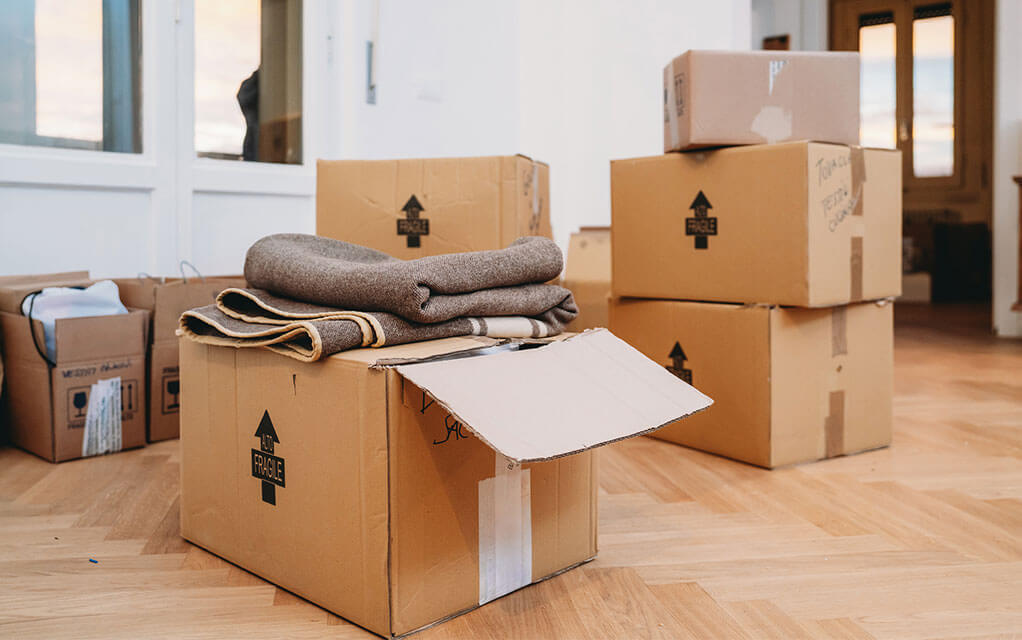
If you are concerned with winter weather disrupting your move or schedule, speak with representatives for your mover to learn more about contingencies. Any reputable mover should be happy to discuss that with you and have a plan of action ready.
Packing Tips to Protect Your Belongings from Cold and Moisture
Cold temperatures and moisture from snow or rain can damage your belongings if they aren't packed properly. You need to take extra steps to protect fragile items and prevent water damage during a winter move. Materials like bubble wrap, plastic tarps, and even simple plastic bags or old towels can make a huge difference.
Using these kinds of packing supplies creates a barrier against the cold and wet conditions your boxes will be exposed to. From electronics to wooden furniture, proper packing gives you peace of mind that everything will arrive at your new home in great shape. Packing your stuff properly is a major key to your move's success, whether you pack and load your belongings yourself or hire helpers to do the loading and unloading.
How to pack items safely for moving in the snow
When moving in the snow, your top priority is keeping everything dry. To prevent water damage, consider using plastic bins instead of cardboard boxes for your most sensitive items. If you must use cardboard boxes, line them with plastic bags or garbage bags before packing to create a waterproof barrier, and wipe them down as much as possible before packing them away.
For fragile items that can become more brittle in the cold, use an extra layer of bubble wrap for insulation and cushioning. Small electronics, cords, and cables should be placed in sealed plastic bags before being packed into boxes. This protects them from any moisture that might seep in during loading and unloading.

Remember to wrap large items, such as wood furniture and artwork, in thick blankets or plastic wrap. This will protect them from snow as they are carried from your home to your moving solution. Unpack any wet boxes immediately upon arrival to prevent lasting damage.
Best materials to use for winter packing
When packing for a move in freezing temperatures, your choice of packing supplies is critical. You’ll want to use materials that offer insulation and protection from moisture. Standard cardboard boxes can get wet and weaken, so using them alongside other materials is key.
Using extra bubble wrap, packing paper, and towels will help insulate delicate items from the cold. Plastic tarps are invaluable for covering floors and large furniture. For items that need to be kept safe for a while, consider on-site or warehouse storage solutions to protect them from the elements. For example, Zippy Shell has over 85 warehouse locations across the United States that you can store your stuff in for either the short- or long-term. Hiring a company like Zippy Shell that can provide a variety of moving services, such as DIY moves or full-service moving, as well as storage options, so your stuff only needs loading and unloading once, can be a significant benefit to you.
Here are some of the best materials to use when packing your stuff for a winter move:
- Plastic Bins - Ideal for electronics, books, and clothing to keep them dry.
- Plastic Wrap/Bags - Good for lining cardboard boxes and sealing small, moisture-sensitive items.
- Bubble Wrap - Provides an extra layer of insulation for delicate items against cold and impact.
- Moving Blankets - Wraps and protects furniture from snow, scratches, and temperature changes.
- Plastic Tarps - Excellent for covering floors and large items to protect against water damage.
Staying Safe and Comfortable on Moving Day
Your safety and comfort are top priorities on moving day. Winter weather can create hazardous conditions, so it's essential to take the necessary precautions to prepare for a winter weather move. The combination of cold weather, potential ice or snow, and lifting heavy boxes requires your full attention.

Dressing in warm clothes and layers is a must, but there's more to it than that. By preparing your home and taking care of yourself and your moving crew, you can ensure the day goes smoothly and everyone stays safe. Here are some tips for navigating your move in winter conditions.
Safety precautions for moving in winter conditions
Winter weather introduces specific safety concerns that you wouldn't face in other seasons. The primary risk is slipping and falling on ice or snow, which can lead to injury, especially when carrying items. To prevent this, you must prepare all walkways.
Before your movers arrive or you begin to pack yourself, thoroughly clear any snow and ice from your driveway, sidewalks, and stairs at both your old and new homes. Use a snow shovel and apply a generous layer of salt or sand to create a non-slip surface. This simple step is the most effective way to prevent accidents that can harm you or your moving helpers and seriously delay your move.
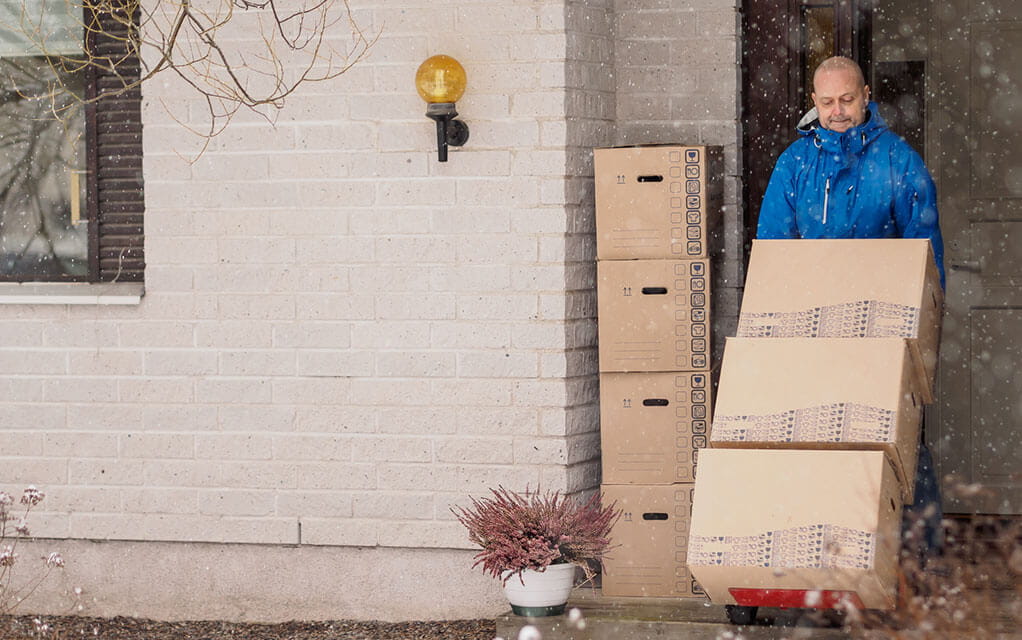
To stay safe during inclement weather, also remember to:
- Lay down floor mats or flattened cardboard inside to absorb moisture and prevent slippery floors.
- Drive slowly and cautiously, leaving extra space between vehicles.
- Have an emergency kit in your car with an ice scraper and roadside assistance information.
- Schedule your move early in the day to make the most of daylight.
Keeping yourself and movers warm and comfortable
A little hospitality goes a long way, especially on a cold day. Keeping everyone warm and comfortable will boost morale and make the hard work more bearable. Start by dressing in layers of warm clothes that you can easily remove if you start to get too hot.
Designate one room in your new house as a "warm-up station." Set up a space heater and have some blankets ready. This gives everyone a place to take a quick break from the cold. It’s also a great spot to keep pets or small children safely out of the way.
Offer your moving crew hot drinks like coffee, tea, or hot chocolate throughout the day. Don't forget to have plenty of water available, as it's easy to get dehydrated even in cold weather. Even though tipping your moving helpers is expected, these small gestures show your appreciation, help everyone stay energized, and leave your helpers better able to do their job.
Let Zippy Shell Make Your Move As Simple As Possible
Moving in the winter season can be both challenging and rewarding. With the proper preparation for potential winter weather, you can take advantage of the benefits of a winter move, such as lower demand and potential cost savings. When you work with Zippy Shell for your upcoming winter move, we can offer a wide variety of services to meet your moving needs.
Zippy Shell prides itself on finding unique ways to make your move happen. Whether you want to do it all yourself and want a portable container delivered that you can pack, or if you want a full-service move with labor assistance to make it even easier, we can have one of our containers and a crew brought to your home and your stuff can be loaded and then unloaded at your new home. It is that simple.
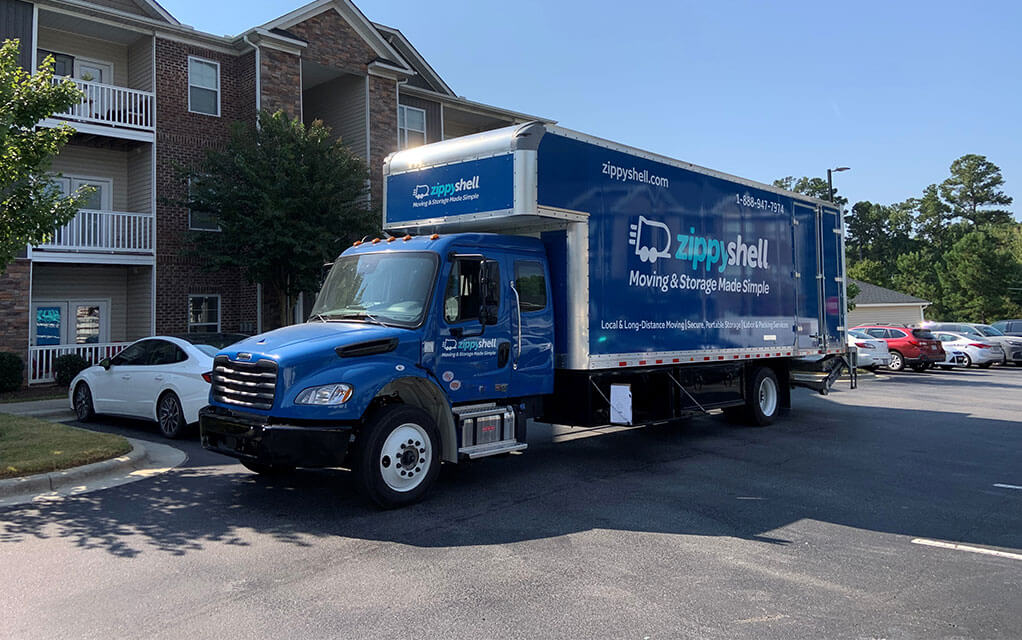
Whether you need to make a local or long-distance move this winter season, Zippy Shell has you covered. Give us a call today to learn more about our customizable moving and storage solutions or get a free quote online to get started!
Frequently Asked Questions About Moving in the Winter
What special supplies do I need for moving in the cold?
For a cold-weather move, you'll need supplies to combat moisture and ice/snow. Stock up on plastic tarps to protect floors and furniture, and use extra bubble wrap for insulation. An emergency kit for your car with an ice scraper is essential, and a snow shovel and salt are must-haves for clearing pathways.
How do I prepare my new home for a winter move?
Prepare your new home by calling utility providers to ensure the heat and electricity are active before you arrive. Clear walkways of any snow or ice, and have tarps and towels ready to protect your floors and prevent slipping. It's also helpful to have a space heater for a warm room and an emergency contact list that includes your property manager.
Are there discounts for moving during the winter season?
You can sometimes find lower rates in the wintertime. The winter season typically has lower demand than summer, and many movers are likely to offer lower rates or be available on any day you need to move, save for holidays. This increased flexibility in their scheduling allows for the potential to negotiate a better price.
What are the advantages of moving during the winter season compared to other times of the year?
Moving in the winter months is a good idea because of lower costs and greater flexibility with your move date. With less demand, you can secure better rates from movers and have more scheduling options. It's a great way to save money and start the new year fresh.
What specific challenges should I anticipate when moving in cold weather?
When moving in cold weather, anticipate challenges like freezing temperatures that can damage sensitive items. The biggest issue is the risk of inclement weather, which can lead to snowy conditions and icy roads. These factors can cause significant delays and create safety hazards that require careful planning to manage.
- Moving Tips (133)
- Home Organization (60)
- Fun Stuff (54)
- Home Maintenance Tips (49)
- Packing Tips (38)
- Storage Tips (35)
- Home Buying and Selling Tips (24)
- News Releases (24)
- Home Renovation Tips (16)
- Moving on a Budget (11)
- Portable Storage (11)
- Moving and Storage Tips (2)
- Household Moving (1)
- In the Community (1)
- Moving Company Comparisons (1)