Choosing the Best Car Shipping Services for Your Move
June 04, 2026
Key Highlights for Shipping Your Car Long Distance
- Understanding the Process: Vehicle shipping, or car shipping, involves hiring a company to transport your vehicle to a designated location. This guide explains the process, benefits, and factors to consider for a seamless experience.
- Benefits of Car Shipping: Entrusting your vehicle to professionals saves time, reduces personal vehicle mileage, and ensures safe and secure transport, especially for long distances.
- Choosing the Right Service: Selecting the appropriate car shipping service—door-to-door or terminal-to-terminal, open or enclosed transport—aligns with your budget and needs.
- Cost Factors: Several factors, including distance, vehicle type, shipping method, fuel costs, and additional services, influence car shipping costs.
- Preparation is Key: Clean your vehicle, remove personal items, check fluid levels, and document any existing damage to ensure a smooth shipping process.
Navigating vehicle transportation can feel tricky, especially if you are balancing the logistics of a long-distance move at the same time. This guide will help make your car shipping experience smooth. Whether you are moving, buying a car from far away, or need auto transport service for something else, knowing car shipping details will save you time and money. It can also help avoid stress and wear and tear on your vehicle.
Understanding Car Shipping Basics
Car shipping is a service in which a company moves your car from one place to another. The steps include choosing a good auto transport company, selecting the right shipping method, preparing your vehicle, and planning pickup and drop-off times.
Knowing the basics of cross country car shipping is essential for a smooth experience. You should learn about industry terms, the types of services offered, and what can affect the price. By understanding these key points, you can make smart choices during the whole process.
The Importance of Choosing the Right Service
The auto transport industry offers a range of services to meet diverse needs. For a good experience, it is important to choose the right type of service from a reputable car shipping company. Before asking for a quote, think carefully about your needs. Consider your budget, how much protection you want for your car, and when you need it.
For example, open transport might be the cheapest way to save money and get your car fast. But if you are shipping a classic or expensive car and want the best protection, you should choose enclosed transport to keep it safe from the elements, prying eyes, and road debris that could potentially hit it.

You also need to decide if you want door-to-door service. This means the carrier picks up and delivers your vehicle where you want. Or, if you prefer terminal-to-terminal transport, this is usually cheaper, but you will have to drop off and pick up your car at specific terminals.
Different Types of Car Shipping Services Available
Open transport remains the most popular and budget-friendly method for shipping a car across the country. In this arrangement, your vehicle is loaded onto an open trailer—typically capable of carrying six to ten cars at once—which keeps costs down by sharing space and increasing capacity. This makes it an ideal choice for everyday vehicles, especially when exposure to weather conditions like rain, sun, or dust isn’t a significant concern.
However, one trade-off with open transport is that your car isn’t shielded from the elements or potential road debris during transit. While the vast majority of vehicles shipped this way arrive in good condition, there is still a small risk of minor cosmetic damage from rocks or adverse weather.
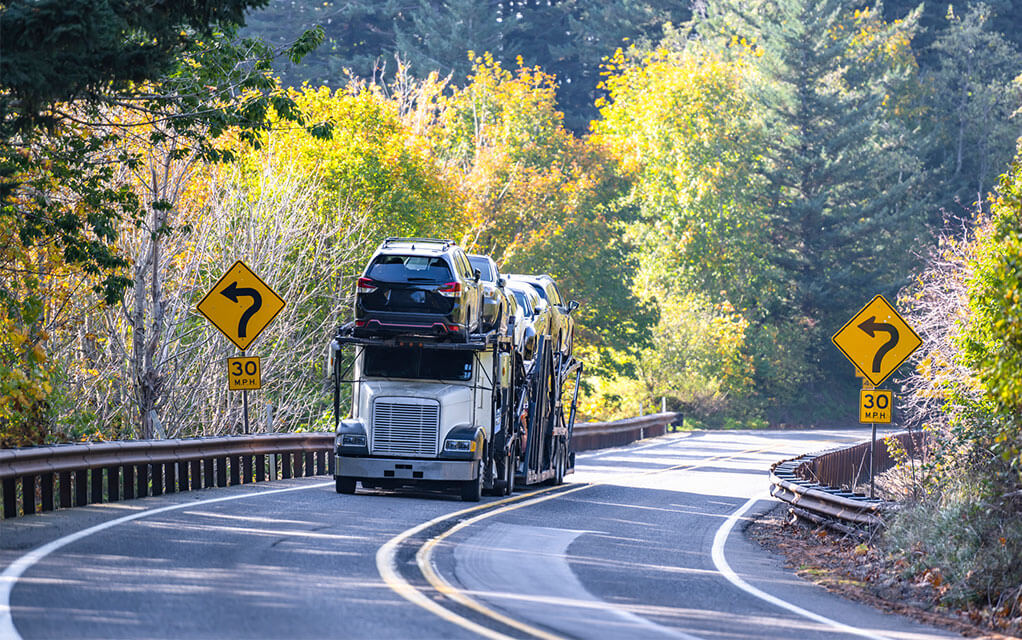
On the other hand, enclosed transport provides maximum protection by placing your vehicle inside a fully covered trailer. This shields it from all external factors—including rain, snow, hail, dirt, and roadside debris—making it the preferred choice for classic cars, high-value luxury models, antiques, or exotic vehicles where even minimal damage is unacceptable, albeit often at a higher price. Because enclosed trailers carry fewer cars (usually two to five), they also offer more personalized service and increased security against theft or vandalism.
The decision between open and enclosed transport comes down to your priorities: If affordability is key and you’re shipping a standard daily driver, open transport is usually sufficient. If your vehicle requires special care or you want peace of mind regardless of cost, enclosed shipping is worth considering.
Availability for each option can also vary depending on factors such as pickup location, destination, and seasonality (for example, demand tends to be higher in the summer months). It’s wise to book early if you have specific timing needs or require enclosed service.
Regardless of which method you choose, always research carriers thoroughly—check reviews and verify insurance coverage—to ensure your car is in good hands throughout its journey.
Preparing Your Vehicle for Shipping
Getting your vehicle ready is vital to a smooth car-shipping process. Before you hand your car over to the car transporter, make sure to clean it thoroughly. Remove personal items and secure any loose parts. Check and fix any mechanical issues, too.
By putting in this effort for pre-shipping preparation, you can reduce the risk of damage during transport. This also gives you peace of mind, knowing your car is ready to be shipped. Make sure to communicate clearly with the company you choose. Tell them about any damage or changes to your vehicle. Don't forget to verify their insurance coverage, including a detailed review of the insurance policy.
Essential Pre-Shipping Checklist
Before the car carrier comes to pick up your vehicle, use this checklist to help you get ready:
- Clean your vehicle inside and out: This will help you find any damage and ensure your car arrives in good shape.
- Remove personal belongings: Remove all your valuable and personal items. Most car shipping companies don't take responsibility for items left in your car during transport.
- Address existing issues: If your car has any mechanical problems, fix them before shipping. Make sure your battery is charged and your tires have enough air.

It is also important to give the shipping company specific addresses for pickup and delivery if you choose door-to-door service. This will help avoid any delays or mishaps during the pick-up and delivery process.
Tips for Ensuring Your Car Is Ready for Transport
Thorough preparation gives you peace of mind during the car transport process. In addition to standard steps, here are a few more tips to ensure your vehicle’s safety:
- Disable alarms and anti-theft devices: Car alarms might accidentally go off during travel, causing unnecessary delays or confusion. Turn them off before handing over your vehicle, or inform the shipping company about the system and provide instructions for deactivation if needed.
- Fold mirrors and antennas if possible: Folding in side mirrors and retracting or removing antennas helps minimize the risk of accidental damage, especially when using open carrier transport where vehicles are exposed to external elements.
- Document existing damage: Before transport, take clear, time-stamped photos of your car from multiple angles. Focus on any pre-existing scratches, dents, or blemishes. This documentation will be invaluable if you need to file a damage claim after delivery.
- Remove personal belongings: Items left inside can shift during transit and may not be covered by insurance if lost or damaged. Empty out personal items from the interior and trunk.
- Check tire pressure and battery charge: Properly inflated tires and a fully charged battery make loading and unloading safer.
- Limit fuel level: Most carriers recommend keeping your tank about one-quarter full—enough for loading but not so much that it adds unnecessary weight.
- Secure loose parts: Remove or secure custom spoilers, fog lights, roof racks, or other aftermarket accessories that could be at risk during shipping.
Following these extra steps provides additional protection for your vehicle, regardless of the type of transport you choose. It also ensures a smoother handover process with the shipping company and greater confidence that your car will arrive safely at its destination.
Choosing the Right Car Shipping Company
Take your time to find the best choice for your needs. It is important to consider factors beyond price, as the cheapest option may not offer the best service. A good car shipping company will have the experience, skills, and dedication to provide reliable service.
Start by asking for instant quotes from different car transport companies. Compare their services and look at customer reviews. Consider their claim process, insurance coverage, and communication. Choosing a trustworthy company will help ensure your vehicle is transported safely and on time.
What to Look for in a Reliable Service Provider
When evaluating a car shipping company, clear and consistent communication should be one of your top priorities. A reputable provider will keep you informed every step of the way, from booking to delivery. Check if they offer online tracking tools that let you monitor your vehicle’s location and status in real time. Quick response times to your inquiries—whether by phone, email, or chat—also indicate a commitment to customer service. While companies like ACERTUS are well-known, it's important to look beyond the name.
Before choosing a company, confirm that their transport options align with your unique needs. For example, some customers may require door-to-door delivery for maximum convenience, while others might need expedited shipping if they're on a tight schedule. If you’re transporting a luxury or classic car, ask about enclosed carriers or special handling procedures designed to protect valuable vehicles.
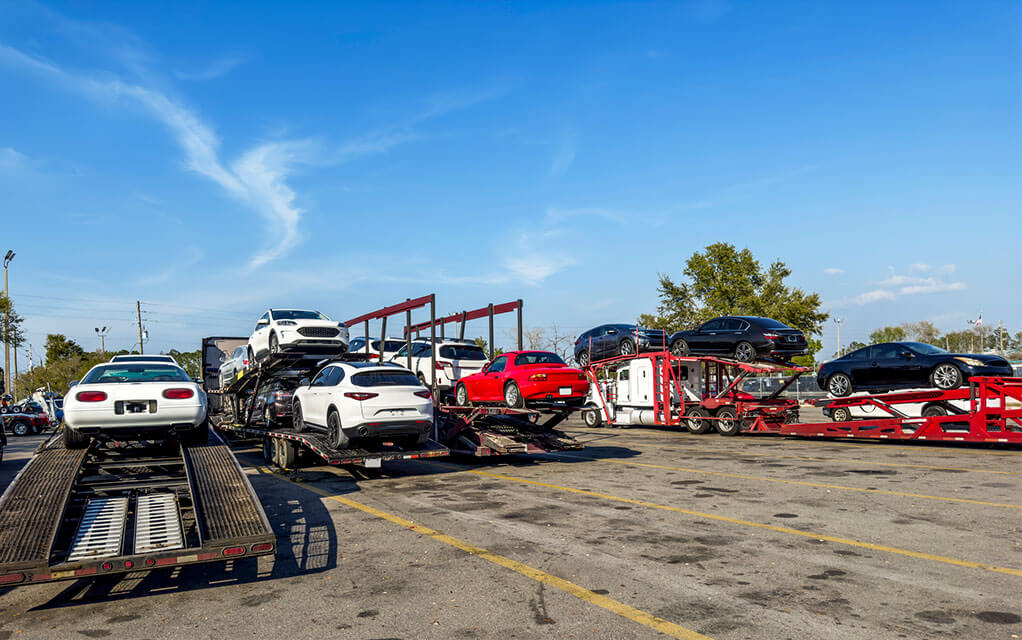
A trustworthy car shipping service doesn’t just move cars—they prioritize customer satisfaction. Look for companies that provide a large array of auto transport options, regular updates during transit, and are proactive in addressing any issues or delays. Reliable providers will have transparent policies regarding insurance coverage, claims processes, and pricing, so there are no surprises along the way.
Finally, read reviews and testimonials from previous customers to gauge the company’s reputation for reliability and professionalism. A provider with positive feedback on their communication and problem-solving skills is more likely to deliver a smooth, stress-free experience. Taking these steps will help ensure your vehicle arrives safely—and give you peace of mind throughout the shipping process.
How to Verify a Company’s Credibility and Track Record
In the world of car shipping companies, checking a company's trustworthiness and track record is very important for a good shipping experience. Begin by looking for approvals from trusted groups like the Better Business Bureau (BBB) and see their rating.
Look at customer reviews and stories on sites like Google Reviews, Yelp, and Transport Reviews. These sites show what other customers think of the auto transport companies you are considering. Pay attention to common feedback about communication, timeliness, and overall happiness.
A company's track record tells you a lot about its reliability. Feel free to ask the company for references or proof of insurance. Having many happy customers shows that a company cares about quality and reliability.
Cost Factors in Car Shipping
Understanding what affects car shipping costs can help you budget better. The average cost of auto transport can change based on several factors, including the distance traveled, the type of vehicle being shipped, and the type of transport service you choose.
Remember that outside factors can also affect the overall shipping cost. For example, changes in fuel price and seasonal demand can play a role. Knowing about these factors lets you make better choices and might help you save some money.
How Distance and Service Type Affect Pricing
In addition to distance and the type of transport, several other factors can affect the overall cost of shipping a vehicle. One major consideration is the size and weight of your vehicle; larger or heavier vehicles typically cost more to ship because they occupy more space on the carrier and add to its total weight. Similarly, modifications such as oversized tires or lifts can also increase shipping costs.
The time of year you choose to ship your car also plays a role. During peak moving seasons—usually summer months or around major holidays—demand for auto transport services increases, causing prices to rise. Conversely, shipping during the off-season can sometimes yield lower rates. The market cost of fuel, specifically diesel, can greatly affect your overall price as well; if fuel prices are high, you can expect the cost of your vehicle transport to be higher.
Pickup and delivery locations are another important element. Transporting a vehicle between major metropolitan areas is generally less expensive due to established routes and higher demand. On the other hand, remote or rural locations may lead to higher costs because carriers must travel out of their way, sometimes with empty trailers on return trips.

The condition of your vehicle matters too. If your car is inoperable, special equipment may be required for loading and unloading, which adds to the price.
Finally, choosing between door-to-door versus terminal-to-terminal service can make a difference. Door-to-door delivery offers maximum convenience but may be costlier than having your car dropped off and picked up at designated terminals.
By understanding these various factors—including distance, transport type, vehicle size and condition, timing, location accessibility, and service options—you’ll be better prepared to estimate your car shipping costs and select the option that best fits your budget and needs.
Understanding Additional Fees and Insurance Coverage
When you plan your car shipping budget, remember there may be extra fees on top of the base price. These fees apply to services such as door-to-door delivery, quick shipping, and moving inoperable vehicles, which need additional care.
Insurance coverage is critical when shipping a car. Good companies usually include basic insurance in their quotes. Still, it's a good idea to review the policy details and consider getting additional coverage. This is especially wise for expensive vehicles to reduce shipping risks.
Before you finalize your booking, ask for a complete list of any extra fees and fully understand the insurance coverage that comes with it. This will help you avoid surprises and keep your total cost within your budget.
Use Zippy Shell to Make Your Long-Distance Move Even Easier
Efficient car shipping requires careful planning and the right service provider. It is important to understand the basics, prepare your vehicle, and choose a reliable company. The same goes for a moving company, and finding the right one to work with is paramount, especially when you are looking to ship your vehicle cross-country.
That is where Zippy Shell enters the equation. Much like auto shippers, Zippy Shell takes much of the stress and logistics out of your hands when moving your vehicle, making it a far less stressful situation amid a massive time crunch.
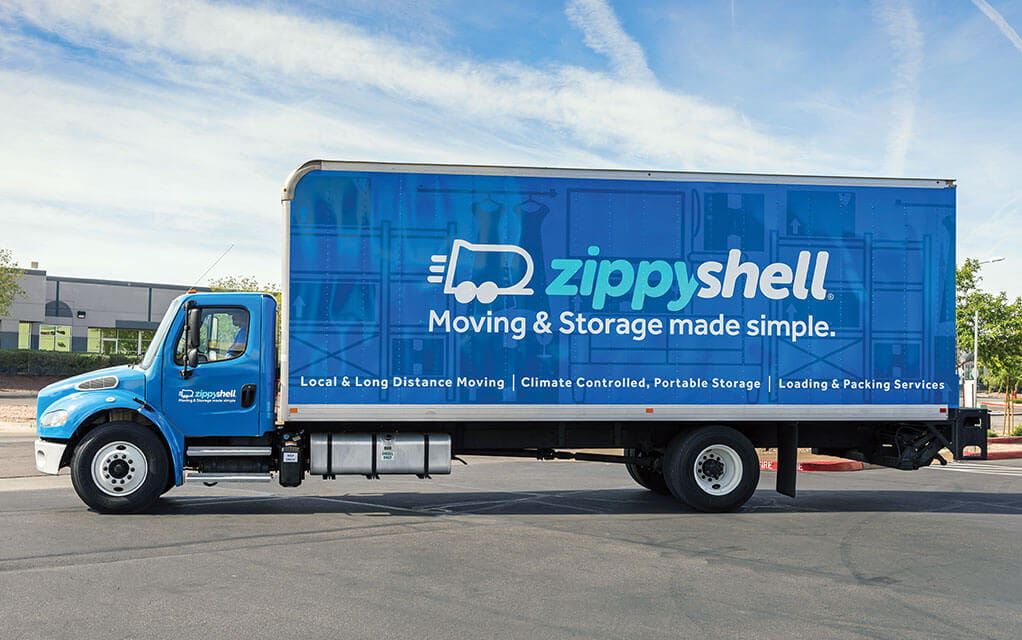
Here is how it works: We will deliver a portable moving unit to your home, where you can pack it at your pace. When you are done, we will pick it up and move it to your new home, leaving all the driving to us. If you aren't ready to receive your stuff just yet, we can offer short- or long-term storage at one of our secure nationwide storage facilities for as long as you need. It is that simple.
Zippy Shell can help with a variety of moves, from local to long-distance, and can even provide full-service moving assistance if you require it. We know each move is unique, so we have all the resources necessary to meet your moving and storage needs. Call us today or go online for a free quote to see how we can help you schedule your moving and storage services alongside your auto-shipping service!
Frequently Asked Questions About Auto Shipping
What exactly is car shipping?
Car shipping is the process of transporting vehicles from one location to another, typically via specialized carriers. This service is essential for individuals relocating or purchasing cars remotely. Car shipping services ensure safe, efficient delivery, providing customers with peace of mind throughout their vehicle transport experience.
What is the safest way to ship a car?
The safest way and the best way to send a car is by using enclosed transport. While it costs more than open transport, the benefits often outweigh the additional expense, especially if you are shipping a high-value, classic, or luxury vehicle. Enclosed transport provides your car with extra protection against bad weather, including rain, hail, snow, and extreme temperatures. It also shields your vehicle from road debris, dust, and potential damage caused by rocks or other objects kicked up during transit.
Another advantage of enclosed transport is enhanced security. These carriers typically have fewer vehicles on board at any given time and are less visible to the public, which reduces the risk of theft or vandalism during shipping. The drivers who operate enclosed transports are often highly experienced in handling valuable cars and take additional precautions when loading and unloading.
When choosing a car shipping company, it’s crucial to verify their credentials and reputation. Look for companies that are licensed and insured and have positive reviews from previous customers. Ask about their insurance coverage so you know exactly what is covered in the unlikely event of an incident during transit.
How long does car shipping typically take?
The estimated transit time for car transport varies depending on the distance your vehicle needs to be transported, the route taken to reach your location, the time of year you are moving, and current fuel costs. Even though companies give estimated delivery dates, unexpected delays may happen. Keeping in touch with the shipping company throughout your car-shipping experience is essential.
Can I ship personal items in my car?
You can transport a small number of personal items in your vehicle’s trunk or designated storage area when shipping your car. However, this practice is generally not recommended. Most auto transport companies do not offer insurance coverage for any loss or damage to personal belongings left inside the vehicle during transit, especially if your car is transported on an open carrier.
In addition to the lack of insurance protection, there are other risks and restrictions to consider. Items inside the car can shift during transportation, potentially causing interior damage or breakage. Some carriers may even refuse to ship vehicles that contain excessive personal items due to weight limitations and safety regulations imposed by the Department of Transportation (DOT). Exceeding these limits can result in additional fees or delays.
Furthermore, leaving valuables or electronics in your car increases the risk of theft, as vehicles on open carriers are exposed and accessible at various stops along the route. For these reasons, it’s best to remove all personal belongings from your vehicle before shipping. If you must leave anything behind, check with your chosen transport company about their specific policies and allowable weight limits—some may permit up to 100 pounds of non-valuable items stored securely out of sight.
Is door-to-door shipping worth it?
Door-to-door shipping is a convenient way to send your car. It includes pickup and delivery to your specified addresses. However, it usually comes at a higher cost, and the process might take a couple of weeks. In some residential areas, large trucks may not have easy access. Make sure to check if it's possible for your location before you proceed.
- Moving Tips (132)
- Home Organization (60)
- Fun Stuff (54)
- Home Maintenance Tips (49)
- Packing Tips (37)
- Storage Tips (35)
- Home Buying and Selling Tips (24)
- News Releases (24)
- Home Renovation Tips (16)
- Moving on a Budget (11)
- Portable Storage (11)
- Moving and Storage Tips (2)
- Household Moving (1)
- In the Community (1)
- Moving Company Comparisons (1)