The Ultimate Guide on How to Pack Clothes for Moving
July 29, 2026
Key Highlights of Packing Clothes for a Move
- Start early by sorting clothing by season, need, and condition before you pack for your new home.
- Wash and dry everything first so clean clothes stay fresh and dirty clothes do not create stains or odors.
- Use the right packing technique for each type of clothes, from rolling casual wear to wardrobe boxes for hanging items.
- Save storage space with vacuum bags for bulky items you will not need right away.
- Keep shoes, jewelry, and delicate pieces separate to avoid damage and extra work.
- If time is tight, packing services can simplify the process.
Packing clothes sounds simple until you are deep into a move and staring at closets, dresser drawers, and piles of laundry. Whether you are planning a local move or heading cross-country, a clear system makes a big difference. The goal is simple: your clothes should arrive at your new home clean, organized, and easy to unpack. From early sorting to choosing wardrobe boxes for the final stretch, this guide walks you through the process in the right order.
Understanding the Basics of Packing Clothes for a Move
Because you need them every day whether you work from home or go into the office or school, clothes are packed last for almost every move, which is why this part of the moving process can turn into an overwhelming task, especially as you get closer to your moving date. When you rush, shirts wrinkle, shoes soil other items, and unpacking becomes slower than it needs to be. A better plan starts well before moving day arrives.
This is where careful consideration of how you want to pack your clothes comes into play. Wardrobe boxes work well for hanging pieces, while folded items do better in suitcases, smaller boxes, or compression bags. Avoid overpacking and creating heavy large boxes, since overloaded boxes are harder to lift and more likely to damage other belongings. The basics matter because they shape every step that follows, especially when you are moving and packing your stuff.
Why Proper Clothes Packing Matters for a Smooth Move
Effective clothes packing is an essential part of a successful and stress-free move. Not only does it save time during both packing and unpacking, but it also protects your garments from dirt, wrinkles, and potential damage throughout the moving process. By carefully organizing your clothes, you can maximize available storage space and streamline settling into your new home.
One of the most efficient ways to pack clothes for moving is to tailor your method to each specific type of clothing item. Hanging clothes, such as dresses, suits, and coats, are best kept on their hangers and transported in wardrobe boxes. These specialized boxes keep garments upright and prevent them from becoming creased or misshapen.
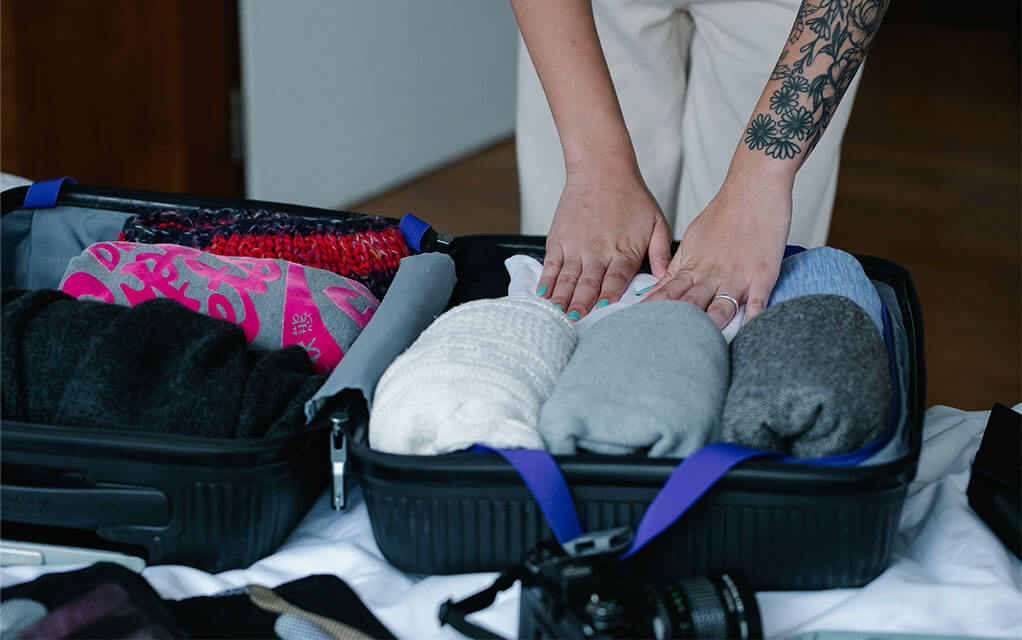
For everyday wear like t-shirts, jeans, or pajamas, consider folding or rolling them tightly before placing them in suitcases, duffel bags, or small cartons. Rolling clothes can help save space and reduce wrinkles. Start by packing off-season items first—these are pieces you won’t need right away—while keeping current daily outfits accessible until moving day.
Having a thorough moving checklist offers another key advantage: it helps prevent haphazard or last-minute packing decisions that can lead to confusion later on. Labeling each box or bag with its contents and intended room will further smooth out the unpacking process.
If you plan to hire professional laborers for full-service assistance or loading help, well-organized clothing makes their job easier and more efficient. Movers can quickly load pre-packed wardrobe boxes and containers neatly without having to repack or reorganize items themselves. This efficiency not only saves time but can also reduce the risk of lost or misplaced items.
You can also consider using vacuum-seal bags for bulky items like winter coats or bedding; these bags compress contents significantly and free up extra space in your moving vehicle. Remember to set aside a “first night” bag with essentials such as pajamas, toiletries, and a change of clothes so you’re comfortable while you settle in.
Common Mistakes to Avoid When Packing Clothing
Many problems happen because people treat all clothing the same. One piece of clothing may need folding, while another should stay on a hanger. Shoes, formalwear, and accessories all need different handling. Small mistakes at packing time can create extra work once you arrive.
You can leave clothes in dresser drawers in some cases, especially if movers have the necessary equipment to handle full dressers. Still, that is not always the best choice. In fact, leaving clothes in dresser drawers is a great strategy as long as you ensure that heavy items are not inside weak or oversized furniture, which can make moving harder and less safe.
Watch out for these common mistakes:
- Packing shoes with clothing instead of using a separate cardboard box
- Overfilling boxes until they become too heavy to carry
- Leaving dirty or damp items mixed with clean clothes
- Using dresser drawers when the furniture is already unstable
- Tossing hangers loose instead of bundling them together
Cleaning Your Clothes Prior to Packing
Cleaning your clothes before packing them for a move is highly recommended. Dirty clothes can harbor odors and bacteria, and stains may become even more difficult to remove if they’re left to set in during the move. Starting with freshly laundered clothing not only keeps your packed items smelling clean but also helps protect your other belongings—such as bedding and towels—from absorbing unwanted odors.
It’s best to integrate laundry into your early moving preparations rather than leaving it until the last minute. As you sort through your wardrobe to decide what you’ll keep, donate, or store, wash each category accordingly. This approach makes the process more efficient and prevents the stress of facing several loads of laundry just days before your move.
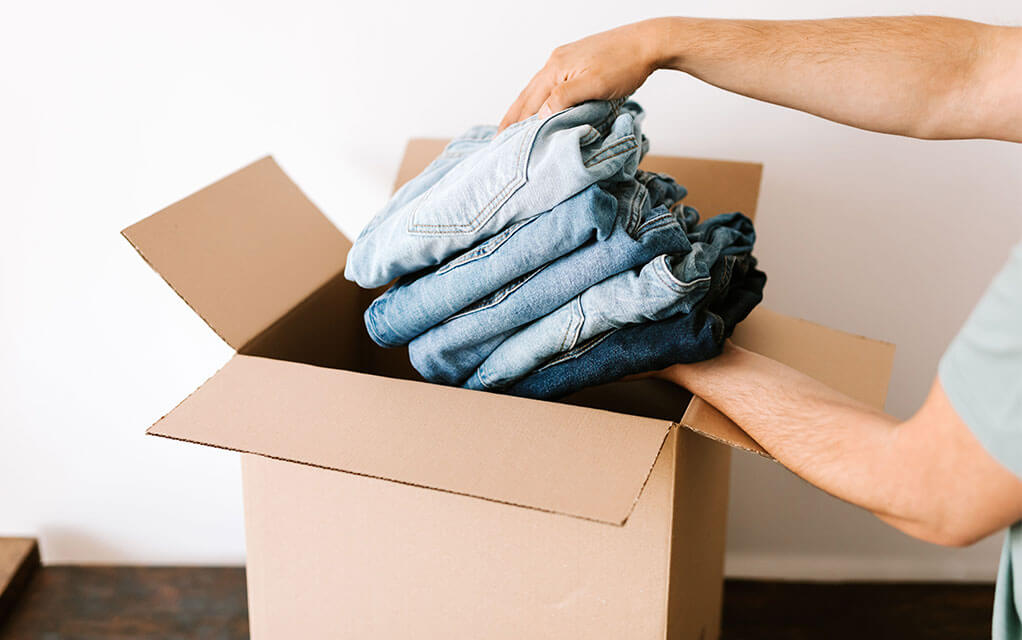
Additionally, organizing clean clothes makes unpacking much easier—you’ll be able to put garments directly into drawers and closets without worrying about washing them first. For items that won’t be worn immediately (like off-season clothing), storing them clean helps preserve fabric quality and prevents mildew or musty smells from developing in boxes or bins.
To stay organized during your move:
- Designate a basket for clothes you wear in the final week so you can quickly wash one last load before departure.
- Use vacuum-sealed bags or clean garment bags for extra protection against dust and moisture.
- Clearly label boxes or bags marked “clean” so you know these are ready to go straight into their new home.
By treating laundry as a key part of your moving preparation—not just an afterthought—you’ll ensure a fresher start in your new space and save yourself time once you arrive.
Essential Packing Supplies for Clothes Moving
The best way to pack clothes starts with using the right packing supplies. Not every item belongs in the same box or bag, and choosing the right material helps prevent wrinkles, scuffs, and wasted space. That is true for local moving, long-distance moving, and even temporary storage.
Start simple. Gather packing materials that match your wardrobe: boxes for folded pieces, wardrobe cartons for hanging garments, and protective wraps for special items. If you are using portable storage containers for moving cross country, planning your supplies early also helps you load smarter and keep essentials easy to reach.
Choosing the Best Boxes, Bags, and Containers
The right container depends on the clothing. Suitcases, boxes, and bags all have a place for transporting heavier items, so the answer is not one-size-fits-all. Smaller boxes are great for folded clothing, shoes, and accessories. Wardrobe boxes are better for items that should stay hanging. Duffel bags work well for soft everyday outfits and the first few days after your move. Here are some more ideas for you to use and their best use case for your clothes:
- Wardrobe boxes - Hanging your shirts, pants, and other clothing to avoid any creases or wrinkles from folding. Especially good for any formal wear you might have.
- Small boxes or plastic bins - Good for folded clothing, pants such as jeans, scarves, shoes, etc.
- Suitcases - A suitcase is the perfect spot for putting some of the clothes you and your family will need for the first 48 hours in your new home. Makes them easily moveable and accessible.
- Duffel bags - Another good option for short-term essentials, nightwear, or travel outfits.
- Compression bags - Good for keeping bulkier clothing, such as sweaters, jackets, and other seasonal (mainly winter) items.
- Garbage bags - While not stylish, clean garbage bags are perfect for t-shirts, socks, underwear, or anything you don't feel needs
For bulky clothing, compression bags are a great way to reduce volume. They help with sweaters, jackets, and other off-season layers you will not need right away. Garbage bags can work for low-risk items or for covering your clothes to keep dirt, dust, or water off of them.
Must-Have Packing Materials for Wrinkle-Free Clothes
Yes, there are special packing materials worth using for clothes when moving. A few smart choices can help you protect shape, reduce friction, and keep wrinkle-free clothes easier to manage. The main goal is simple: support the fabric without crushing it.
If you want to keep clothes wrinkle-free when packing for a move, use wardrobe boxes with hanger hooks for hanging pieces and avoid stuffing folded items too tightly. Vacuum bags save space, but they are best for thick seasonal layers, not delicate garments you want ready to wear right away. Consider using trash bags to help with delicate garments; simply pull the ends of the trash bag to secure your items safely during transport.
Useful packing material includes:
- Tissue paper for shoes, accessories, and delicate folds
- Garment bags for suits, gowns, and delicate items
- Wardrobe boxes with a hanger bar for hanging garments
- Vacuum bags for bulky items that can handle compression
These supplies also work well if your move includes storage, on-site storage, or warehouse storage between homes.
The Ultimate Beginner’s Guide: How to Pack Clothes for Moving
If this is your first move, keep the process simple and follow a basic order. Start with sorting and cleaning, then choose containers by clothing type, and finish by setting aside what you will need right away. That is the most efficient way to stay in control.
A clear moving checklist helps you avoid last-minute choices. If you still need help with the bigger picture, a full packing checklist guide can keep every room on track. And if you want expert support, a trusted moving company can often provide a free moving quote for packing and transport options.
What You’ll Need to Get Started
Before you start, gather all necessary equipment in one place. That keeps the process moving and helps you pack by category instead of scrambling for supplies. You do not need anything fancy, but you do need the right tools for the job.
A strong packing container for folded items and a hanging option for dress clothes should be your starting point. If you are packing a portable storage container or other moving container, it also helps to separate what you need first from what can stay packed longer.
Here is a practical starter list:
- Wardrobe boxes with a hanger bar for hanging clothes
- Medium and small cartons for folded pieces
- Suitcases or duffel bags for near-term essentials
- Tissue paper, packing paper, and tape
- Compression bags for seasonal or bulky layers
If you choose full-service moving, ask whether packing services include these supplies before you buy your own.
What Should You Pack First?
Pack the clothes you will not need for weeks or months first. That usually means off-season items, special occasion wear, and bulky clothing that takes up too much closet space. Starting there gives you quick progress without affecting your daily routine.
Next, pack the type of clothes you wear less often. Think extra jackets, backup shoes, older workout gear, or formal pieces. Clean them first, then store them by person and by category so boxes go straight to the right room later.

Leave your daily basics until closer to the move. Shoes should go into a separate cardboard box or suitcase rather than with your clothing. Keep enough outfits for work, sleep, and weather changes out until the final days. That way, your closet gets smaller in stages instead of all at once.
Step-by-Step Guide to Packing Clothes for a Move
The best way to pack clothes for a move is to work in layers. First, declutter. Second, wash what stays. Third, sort by season and by person. After that, choose the right method for each category. This keeps the process orderly and prevents you from repacking later.
Professional movers pack clothes efficiently by grouping similar items, using wardrobe cartons for hanging pieces, and placing folded clothing in manageable containers instead of random bags, a strategy that has become increasingly popular in recent years. This strategy protects fabric and speeds up loading and unloading.
If you are using a moving container, pack less-needed clothes first and immediate-use outfits last. That matters even more when using portable storage containers, since you want the most useful bags near the door. Smart loading makes the move more efficient as you settle into your new place.
Step-by-Step Process for Packing Clothing Efficiently
Once you have supplies ready, follow a simple sequence. An efficient way to pack clothing is to sort, clean, organize, protect, and label in that order. Each step builds on the one before it, which cuts down on confusion and wasted effort.
The right packing technique also helps you save storage space and makes your first week in a new place much easier. In the next steps, you will move from early planning to final-day packing, including what to load into portable storage containers and what to keep with you.
Step 1: Declutter and Sort Clothes by Season and Need
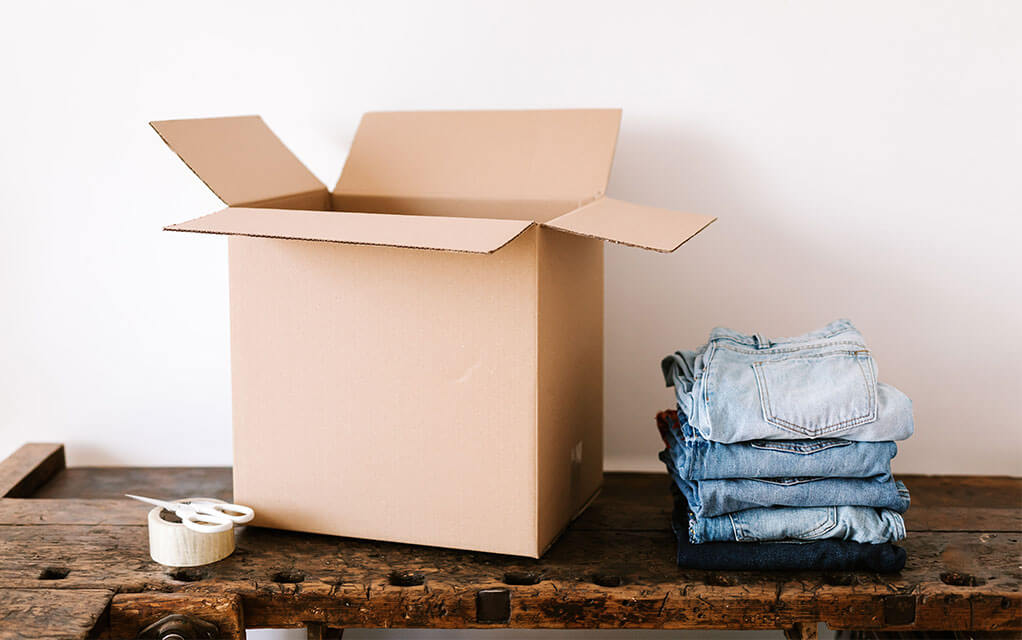
Start by removing anything you do not wear, does not fit, or is worn out. Moving is the perfect time to cut down on unwanted clothing. If an item has been untouched since the last time you wore it a year ago, it probably does not need to follow you to your new home.
Next, sort what remains by season and need. Pack winter coats in summer or swimsuits in winter. This is one of the smartest space-saving hacks because it lets you box up low-priority items early. It also helps you reduce each pile to a more minimal size before choosing containers.
Use this sorting approach:
- Keep everyday outfits accessible
- Pack off-season clothing first
- Separate donate, sell, and discard piles
- Group items by person and room
- Save moving-week outfits for the last things you pack
This step keeps the rest of the process lighter, cleaner, and faster.
Step 2: Clean and Prepare Clothes Before Packing
After sorting, wash or dry clean what is staying. Clean clothes hold up better in boxes, bags, and storage. They also make unpacking much more pleasant, especially if there is any delay before you fully settle in.
Dirty clothes should never be packed with the rest of your wardrobe unless they are in a separate laundry bag for immediate washing. Odors and stains can spread when fabric is pressed together for days or longer. Even items that look fine may carry sweat or residue that gets worse over time.
This prep step saves extra work later. It also gives you one more chance to inspect for damage, missing buttons, or pieces that no longer belong in your closet. By the time you begin folding and hanging, every item should be clean, dry, and ready to go straight into your new closet or dresser.
Step 3: Organize Clothes for Packing—Folding, Rolling, and Hanging
Now choose the method that fits the clothing. Casual shirts, pajamas, and soft wear do well with rolling from the opposite end. Structured items often do better folded. Hanging garments should stay on hangers when possible. Using the right method is one of the best ways to control wrinkles.
The flat fold method is a strong option when you want visibility and order. It is considered the most common method when packing because it lets you stand items upright in neat rows inside a box or suitcase. Rolling is useful when you need more space, especially for T-shirts and lighter fabrics. A tightly rolled item can also shift less in transit.
Try these options:
- Use rolling for casual, soft clothing
- Use the flat fold method for stackable folded items
- Hang suits, dresses, and jackets in wardrobe boxes
- Avoid overpacking boxes so fabrics are not crushed
If wrinkle control matters most, hanging is best, followed by careful folding with room to breathe.
Step 4: Packing Kids Clothes, Delicate Items, and Accessories
Kids clothes are usually easy to fold and group by size or child, but they still benefit from structure. Pack them by category so pajamas, school clothes, and seasonal layers stay easy to find. This makes the first few days in your new place much smoother.
Delicate items need more care. Formal dresses, suits, and any valuable garments have their own unique packing challenges and should stay on hangers inside garment bags and wardrobe boxes when possible. That protects each piece of clothing from dust, snags, and deep creasing during the move.
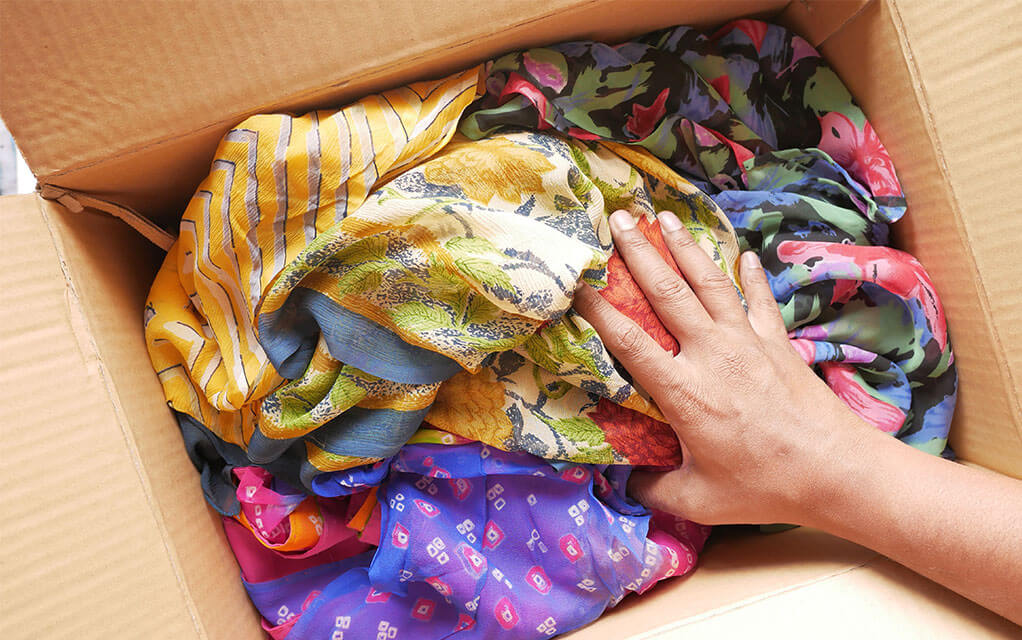
Accessories also need separation. Jewelry should be packed apart from clothing and carried with you if possible. Shoes should stay out of dresser drawers and away from clean garments. Scarves, belts, and gloves can be folded neatly into smaller containers with tissue or packing paper for added protection.
Step 5: Labeling, Storage Tips, and Packing for Moving Day
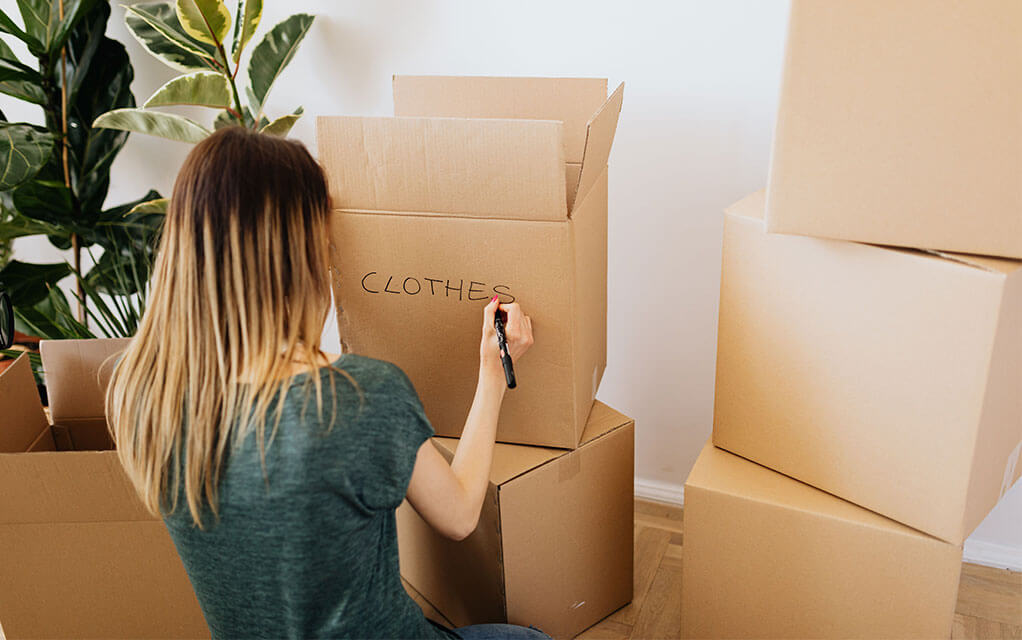
Label every container as soon as it is packed. Write the room, owner, and clothing type on the top of the box and at least one side. If something is fragile, seasonal, or needed right away, note that too. This is the best way to organize clothes for unpacking after a move.
If any box is going into storage, be even more specific. Mark whether it belongs in on-site storage or warehouse storage, and list the main contents. If you are using portable storage containers, load long-term boxes first and daily-use bags last so access stays simple.
Keep these final tips in mind:
- Number of boxes by room or person
- Mark essentials clearly near the top of the box
- Set aside a bag for the first two or three days
- Remove any clothing that is on its last piece of thread
Utilize a moving inventory list - either written or a more technology-focused solution, such as QR codes on boxes with a list of contents to ensure everything is where it should be. It'll lessen the stress and anxiety of not knowing where stuff you need is.
Let Zippy Shell Make Your Upcoming Move Simple
Packing clothes for a move can be a daunting task, but with the right approach, whether you’re moving a short or long distance, it can become a manageable and even enjoyable process. Moving can be made even easier when you choose a moving company that works with you and alongside your schedule. Zippy Shell is that mover, with flexible moving solutions that make everything a breeze while handling all of the driving and logistics for you.
We provide portable storage containers that can be delivered to your home. Here is how it works: you schedule a delivery of a container to your home or location, and we will bring it directly to you. Depending on your move type and services, you can either keep your container and pack it at your own pace or have a labor crew handle all of the loading and heavy lifting for you. Either way, when you are finished packing, we will come out, pick up your container, and deliver it to your new home or location. Or we can store it for the long or short term in one of our 90+ secure warehouse locations across the continental United States. It is that simple.
Don't pack in a rush or let another moving company dictate your move. Let Zippy Shell make moving and storage simple - as it should be - today! Give us a call or get a free quote online right now to get the process started!
Frequently Asked Questions About Packing Clothing for a Move
Is it better to pack clothes in boxes, suitcases, or bags?
When deciding how to pack your clothes for a move or trip, the type of clothing and your personal needs should guide your choice of containers. Wardrobe boxes are ideal for hanging garments such as dresses, suits, and coats because they allow you to transfer items directly from closet to box without folding, minimizing wrinkles and saving time on ironing later. For folded clothes—like t-shirts, jeans, pajamas, or undergarments—a suitcase is a great alternative and convenient option. Suitcases often have compartments and zippers that help keep everything organized and easy to access once you arrive.
Duffel bags are another practical alternative, especially for soft basics like workout gear, sweaters, or sleepwear. Because duffel bags are flexible and lightweight, they’re easy to carry and can fit into tight spaces in your car or moving truck.
To maximize space and protect your clothes during transport, consider rolling softer fabrics instead of folding them; this not only saves room but also reduces creasing. For delicate items or special occasion wear, use garment bags for an extra layer of protection against dust and damage.
Ultimately, matching the container to the specific fabric type, shape of the item (folded vs. hung), and how quickly you’ll need access upon arrival will make packing more efficient and ensure your wardrobe stays in great condition during the move. Also consider labeling each bag or box so you know exactly where to find what you need right away.
How can I keep my clothes wrinkle-free when packing for a move?
The best way to keep clothes wrinkle-free is to hang dressier items in wardrobe boxes and avoid crushing folded garments. Use tissue paper for delicate folds and protective layering. Choose packing material that supports the fabric, so clothes arrive at your new home ready to unpack with fewer creases.
Should I leave clothes in drawers or pack them separately?
You can leave clothes in dresser drawers if the furniture is sturdy and not overloaded. Keeping lightweight clothing, such as t-shirts, pajamas, or undergarments, in the drawers can actually help save time during both packing and unpacking. However, it’s important to avoid overfilling the dresser with heavy items like books or dense winter clothing, as this can make the piece difficult to move and increase the risk of damage to both your furniture and your home.
Before moving a loaded dresser, check that all drawers are secure—sometimes movers will use plastic wrap or secure tape to keep drawers from sliding open during transport. For long-distance moves or when using professional movers, always ask whether they prefer dressers to be emptied or if leaving soft items inside is acceptable. Some moving companies have their own policies based on weight restrictions or liability concerns.
If you’re handling the move yourself, always lift dressers with care to avoid injury. When in doubt about stability or weight, it’s best to remove contents and pack them separately. This not only protects your belongings but also helps ensure a smoother move overall.
When should I start cleaning and packing my clothes before moving?
Begin your packing process as soon as you start working through your moving checklist. Prioritize washing and packing off-season clothing first, since these are items you won’t need in the immediate weeks before your move. By getting these out of the way early, you’ll reduce clutter and make it easier to focus on the clothes you use regularly.
Keep a selection of everyday wear accessible until just before your moving day; this prevents unnecessary unpacking and repacking. In the final days leading up to your move, wash your remaining daily wear so that everything is clean when it’s time to pack up completely.
This systematic approach ensures that most of your clothes will be fresh and ready to go once you arrive at your new home, rather than mixed up with dirty laundry. It also eliminates the stress of rushing through loads of laundry at the last minute or accidentally boxing up soiled clothing with clean items. By planning ahead and tackling laundry in stages, you’re less likely to feel overwhelmed and more likely to have an organized, efficient moving experience.
How much clothing should I keep aside for immediately after my move?
Keep enough for two or three days at your new place. Include sleepwear, undergarments, work clothes, and weather-appropriate basics. Pack each piece of clothing into a suitcase or a small cardboard box, along with necessary items like toiletries, so you can function before everything is unpacked.
- Moving Tips (132)
- Home Organization (60)
- Fun Stuff (54)
- Home Maintenance Tips (48)
- Packing Tips (36)
- Storage Tips (35)
- Home Buying and Selling Tips (24)
- News Releases (24)
- Home Renovation Tips (16)
- Moving on a Budget (11)
- Portable Storage (11)
- Moving and Storage Tips (2)
- Household Moving (1)
- In the Community (1)
- Moving Company Comparisons (1)