8 Critical Home Renovation Mistakes to Avoid
June 06, 2025
Updated on February 13, 2026
Key Highlights of Renovation Mistakes to Avoid
- A successful home renovation project relies heavily on careful planning and realistic budgeting to avoid unexpected hurdles and disruptions.
- Hiring unqualified contractors can result in substandard restoration work and faulty installations of fixtures and appliances.
- Overlooking permits during the renovation process can result in costly fines or project delays.
- Using portable storage units allows you to safely store belongings and maintain peace of mind throughout your home remodeling project.
- Allocating extra time and money ensures unforeseen issues during demolition or construction don’t derail the process.
Starting a home remodeling project can be exciting, but it can also be challenging. If you are unfamiliar with the renovation process and have not planned for the storage of your belongings, you may begin to feel frustrated. Whether you want to change one room or the entire house, being prepared helps you avoid big and costly mistakes. When the job is done right, remodeling can give your home new life and make it work better for you. In this blog, we will examine eight common mistakes and provide guidance on how to avoid them, ensuring your remodeling project proceeds smoothly.
8 Common Mistakes to Avoid During Home Renovations
Starting a renovation project can be challenging, and as more homeowners opt for remodeling over buying a new home, they want to avoid as many mistakes as possible to avoid turning what should be a good experience into a difficult one. When homeowners miss necessary planning steps or skip tasks such as packing and demolition, the remodeling project becomes more complex and prone to setbacks.
If you are aware of common problems in the renovation process and employ innovative strategies to address them, you can turn your restoration plans into a success. Let’s examine eight common pitfalls and learn how to avoid each one, step by step.
1. Skipping Proper Planning and Budgeting
Rushing to start a renovation project without careful planning can lead to problems later. The first step in any successful remodel is to set clear goals, create a solid plan that is straightforward, and craft a budget with realistic redlines for when to stop if the project becomes too costly. Before you grab any tools, write out everything you need to do, estimate how many days it might take, and determine the cost.
Budgeting is very important, too. It may be tempting to save every penny and cut corners, but remember that goodness starts with preparation. Unmonitored costs can quickly deplete your budget, leaving you stuck and unable to complete the task. Set aside funds for essential items, such as labor, materials, and unexpected expenses that may arise during the renovation, including the durability of the materials used.

Try not to get buried by all the work. Break down jobs and spending into smaller, manageable parts that you can handle. Make sure to leave yourself some wiggle room in your plans, as something inevitably will take longer or cost more than you had hoped. It is better to expect a few bumps than think it will all go perfectly. Careful planning and avoiding shortcuts will lead to a better, less stressful renovation project.
2. Hiring Unqualified or Unlicensed Contractors
Choosing the wrong contractor can turn your home renovation, or reno, into trouble instead of making it what you want. Many people select unlicensed workers for restoration jobs because they know the people involved, or they come in far cheaper than licensed contractors. Taking this route can result in subpar work and pose significant safety risks, depending on the nature of the work. The old saying "you get what you pay for" certainly applies here.
Hiring qualified contractors ensures your renovation proceeds smoothly, especially if you are working on an older home. They know how to install fixtures and appliances correctly. The right professionals also know what is needed to do accurate work. When interviewing different people for the job, be sure to verify their credentials, licenses, and what other clients have said about them.
Do not be afraid to ask if they have done the kind of remodeling you need. Many contractors handle tasks such as heating or installing exceptional furnishings. Getting someone you trust can help you avoid mistakes that could cost you money later. Keep in mind that your contractor is there to assist with your renovation and bring your vision to life - don't skimp on a qualified professional.
3. Overlooking Required Permits and Regulations
Ignoring permits during renovation is a mistake no homeowner should make. For your remodeling project, local authorities may need to approve any big changes, electrical work, or plumbing upgrades. While it may be inconvenient, skipping permits can lead to unpermitted work that will save you regulatory headaches down the road, especially if you ever have to sell your home.
If you skip getting permits, you could face fines, hold-ups, or other costly problems. A disruption in the middle of your restoration can slow progress and increase costs. It’s best to consult with your city’s building department to check local building codes first to determine the necessary paperwork for your renovation.
Hiring a contractor who knows how to handle permits for your home improvement project can be highly beneficial, and some may handle that process themselves to ensure it is done correctly. If you keep your renovation within the rules, you won’t face as many cons later on. Sticking to legal guidelines also helps your project move forward without unexpected setbacks or complications.
4. Choosing Low-Quality Materials to Save Money
Trying to cut costs by picking low-quality materials, such as bathroom tile, can cause problems fast. It may seem beneficial to save money initially, but the risks outweigh the benefits. Cheap furnishings, appliances, or light fixtures will deteriorate more quickly, especially in high humidity or when conditions are unfavorable.
High-quality materials ensure your remodeling project remains strong and looks good, delivering long-term value, especially when it comes to countertops. If you invest in better materials, you help build a solid foundation that will last you many years in the renovation process.
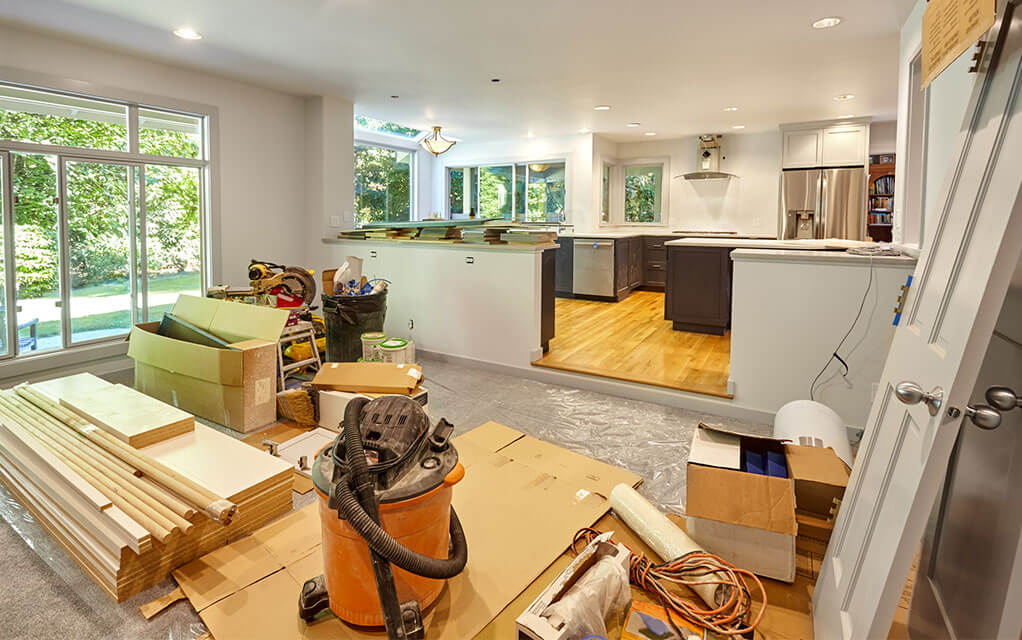
When choosing materials, take the time to check brands, review warranties, and prioritize quality over short-term savings. Every part of your renovation and remodeling project should feature the best fixtures and appliances, ensuring both a great look and optimal functionality. Do not let saving a few pennies today compromise the quality you want. Go for the best you can afford for your home.
This home renovation is meant to be a vision of yours come to life - don't settle for subpar materials unless you are planning to replace them yourself safely and correctly in the future.
5. Ignoring the Importance of a Realistic Timeline
Not thinking enough about how much time a renovation will take can really disrupt your life and potentially lead to big problems. You may want to complete your renovation quickly, but it may take longer than initially planned.
Each part of a renovation, such as demolition or installation, requires you and your contractor to plan the schedule carefully. If you buy supplies early and meet deadlines that can be adjusted as needed, you can avoid last-minute inconvenience. If you build extra time into the project calendar for potential delays, you will feel less frustrated and have more peace of mind throughout the remodeling process when holdups inevitably do occur.
Tell your contractor about your timeline. This helps make sure you both know what to expect. Regardless of whether you work on walkways or change out appliances, every job needs to be part of a clear schedule. If you manage your time effectively and leave plenty of time for each task, the work will progress smoothly, and the renovation will have fewer unexpected issues.
6. Neglecting to Protect Your Home and Belongings
Failing to take steps to protect your belongings during a renovation can result in damage or loss. Packing your belongings properly and using temporary storage can help you maintain peace of mind throughout the remodel.
Portable storage units are a good choice when you need to meet storage needs. These containers provide easy access and strong security. They help keep furniture, valuables, and other items safe from dirt, mess, and disruption during demolition or other phases of a renovation project.
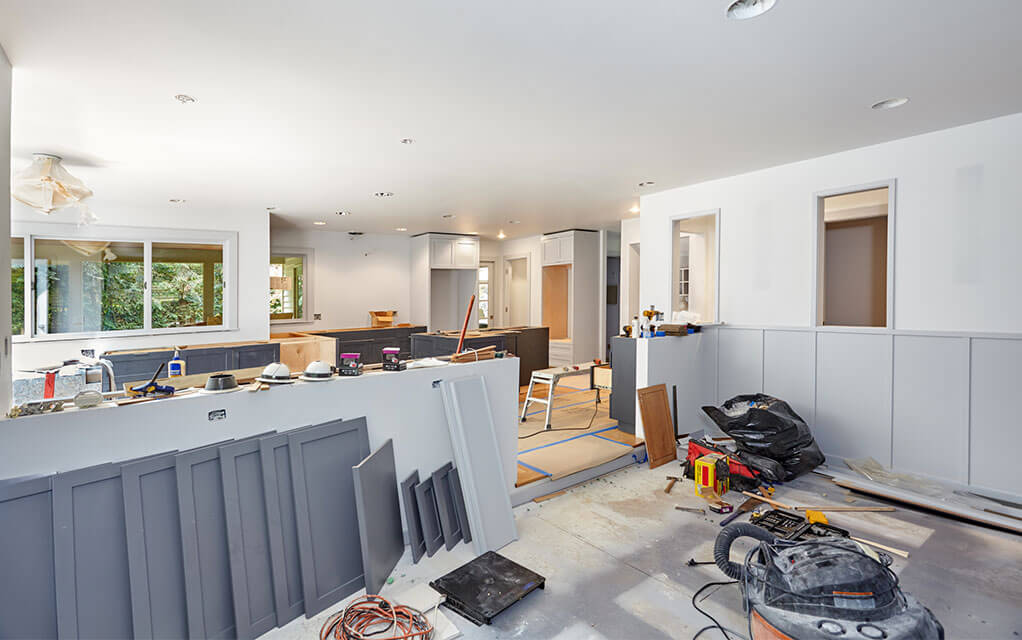
Take a careful look at your items and pick storage containers that fit your specific needs. Whether you choose temporary storage or keep items on-site, keeping your belongings safe helps the work proceed. Create a plan to protect your belongings so the renovation proceeds smoothly, and you don't have to worry during the project.
7. Failing to Communicate Effectively With Your Contractor
Effective communication is crucial in a renovation project. If homeowners and contractors do not communicate effectively, mistakes or delays can occur. It is key to discuss design ideas clearly, explain how things will work, and select the colors to use. This helps make sure everyone is on the same page when it comes to your home's renovation.
Be open about your concerns and ask questions about choices such as light fixtures, appliances, or the interior design. Meeting regularly helps track the renovation's progress and makes it easier to work together. If an interior designer is working with you, their goals should match yours. This is your project and your money being spent, so make sure your thoughts are known throughout the process, and if you don't like something, be sure to politely speak to your contractor about it before it festers and causes a larger issue, or takes extra effort to finish when the project is completed.
When people understand each other, it saves time and helps avoid problems later. Your contractor needs to know what matters most to you and the limits of your budget. If everyone communicates effectively during the renovation project, it helps people work together and makes the process run more smoothly.
8. Not Having Adequate Storage Space for Your Stuff During the Renovation
Everyone has stuff in their home, and that stuff all has to go somewhere during a home renovation project. The last thing you need is for you or your hired team to trip over the overflow from the renovated room because there's nowhere else to go. This means securing temporary storage for your belongings during your remodel. In the past, the traditional go-to option for many was on-site storage. These locations are brick-and-mortar storage areas that attract customers with low promotional rates. However, they can increase the rent substantially after that introductory month and might even force you into a contract with the promise of a lower monthly rate.
This also creates the need to spend a lot of time packing your vehicle or to rent a moving truck to pack everything into and drive to a storage area to unload. It is highly inconvenient and time-consuming when you have other tasks to prepare for your renovation. This can be solved by adopting a portable storage solution. Providers such as Zippy Shell can deliver storage to your location and keep it for as long as you need. It is the perfect solution for any temporary storage needs. Whether your project lasts a week or three months, you will have your storage solution on-site for however long you need it. It eliminates driving, unexpected fees and rising costs, and the need to pack and unpack multiple times, which often occurs with the storage area route.
How to Prepare for a Successful Home Renovation
Planning is crucial to ensure your home renovation project goes smoothly. Plan early to set expectations, create a timeline checklist, and identify storage solutions for your belongings that fit your schedule and are flexible.
Before you start, take a moment to review your goals and have a clear idea of what you want to achieve. Temporary storage can help keep your home clutter-free while you and your contractor work together, especially once the demo begins. It also provides easy access to essential items during the remodel. Next, we will discuss key steps to prepare, including setting your main goals, creating simple checklists, and selecting practical storage facilities. Home renovations are not simple endeavors; however, when you plan them properly, the process can go a little smoother.
Setting Clear Goals and Expectations
Knowing your specific needs and setting clear expectations helps keep your home remodel project on track. The design ideas you choose for remodeling should match what you want and what you need your space to do.
Talk about your goals with the contractor or an interior designer regarding the layout of your space. Make sure to explain what matters most—if your focus is on improving an outdated kitchen or replacing old light fixtures. Decide if you want value for the future or comfort right now. Once you understand these concepts, it becomes easier to make informed decisions about your renovation.
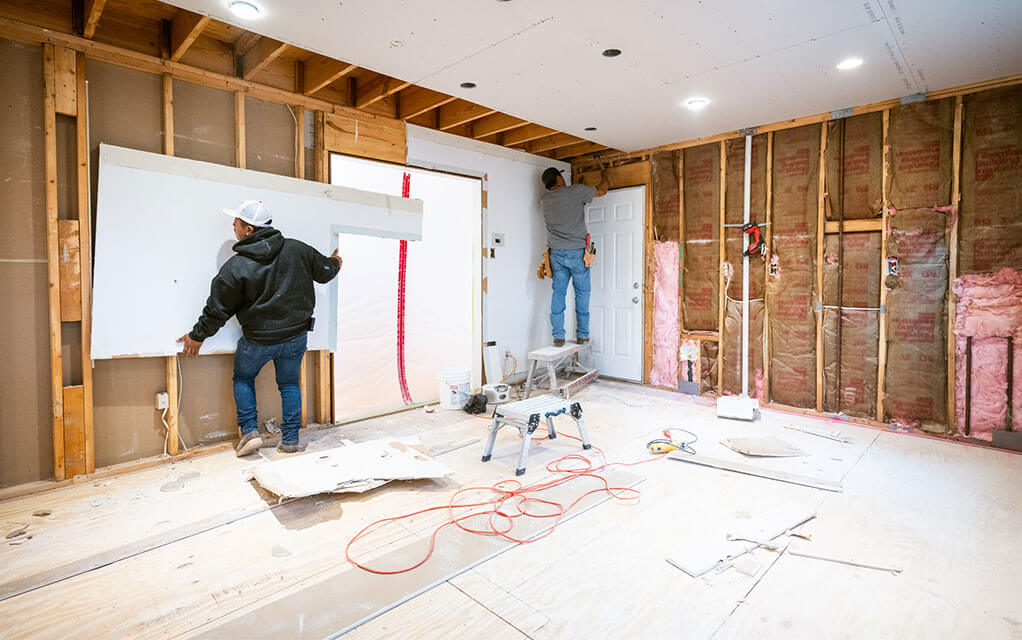
It's a good idea to have an open mind for changes, as even the best plans might not be doable once the work has started, but hold on to the things you can't do without. When everyone knows what to expect from the start, and you make your desires and issues known as soon as possible, including any necessary change orders, the renovation will go much more smoothly.
Creating a Detailed Renovation Checklist
A checklist is very helpful when you start the renovation process. Begin with careful planning and ensure you examine every aspect of the renovation project systematically.
- Write down all the items that need to be updated or changed, such as appliances and furnishings.
- Plan when each task will occur to prevent issues and keep work moving smoothly.
- Think about how packing will work. Also, consider if you need a storage container and how you will talk with others about the work.
- Break down your budget and leave some room for surprises so costs stay under control.
- Get a clear, accurate timeline from your contractor. While delays can occur, you should always have a rough estimate of when the work will be completed so you can plan around that date.
By following a thorough checklist, you will not miss any details during the remodeling process. This helps ensure everything gets done on time and correctly.
Getting the Right On-Site Home Renovation Storage
The final consideration for a home renovation project is storage. Where will you store items your contractor may need, as well as any belongings from the room you are having remodeled? Your belongings will need to be stored somewhere, but it must be a location that is easy to access and to store items in. That automatically eliminates traditional self-storage facilities from the equation, as you can focus on your project rather than shuttling your belongings back and forth to a storage unit. That's where Zippy Shell can come in!
Portable storage containers make home remodels easier by allowing storage to be brought to your location. There is no driving necessary on your part. Here is how it works with Zippy Shell: you schedule the delivery date, and once it arrives, you can pack your container and keep it, or have it stored in our nearby, secure storage warehouse facility for the short or long term. It is that simple.

Our containers are also street-legal, meaning they can be placed on the curb of a city street if needed or in your driveway for easy, 24/7 access. No more having to drive back and forth from a storage area for your stuff. Let us bring the storage to your home to make your renovation project easier.
Let Zippy Shell Be Your Storage Partner During Your Home Renovation Project
Home renovations can be complicated, especially when you have moving deadlines and strangers in and out of your home all day. However, it's essential to avoid common mistakes to ensure tasks are completed correctly and on time, helping you avoid costly surprises during the process. That is why Zippy Shell should be your choice for your storage needs. And if you find yourself needing to make a move to a large house due to a life change or just moving to a new location, we can help with that as well!
Our mobile storage units also double as moving containers! Have our container brought to you, and have a labor crew assist with loading and unloading your items to make it even easier. Whether you are moving locally across town or making a long-distance move across the country, we can deliver everything from full-service to complete DIY moving. Regardless, we will handle all driving so you don't have to! It is that simple.
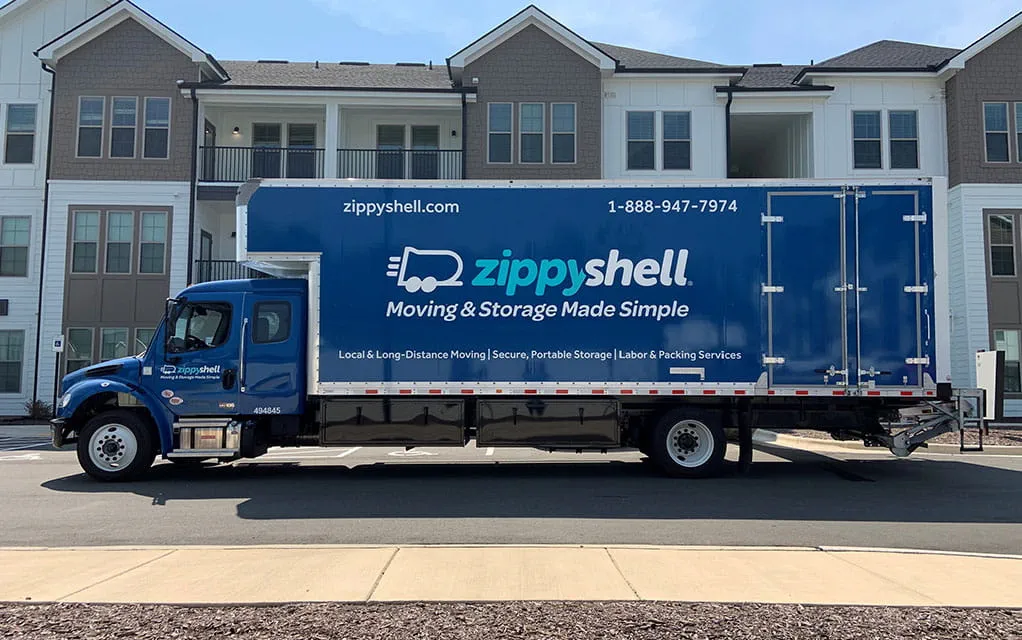
When it comes to home renovations, though, you shouldn't have to deal with the issues and time wasting that storage areas will cause you and your family during your project. You should be present at home overseeing your remodel project! So give us a call today and speak with one of our residential storage professionals and see how we can help you make your home renovation simpler! Call or get a free quote online to get the process started!
Frequently Asked Questions About Home Renovation Mistakes That Can Be Avoided
What is the biggest mistake homeowners make during renovations?
Neglecting to thoroughly plan and budget for a renovation project is one of the most common mistakes homeowners make, and it often leads to delays and reduced overall success. Without a detailed plan, you may underestimate costs, overlook necessary permits, or fail to account for unexpected expenses such as structural repairs or material price increases. This lack of foresight can quickly deplete your budget and force you to compromise on quality or even halt the project altogether.
Moreover, an ill-prepared renovation often leads to miscommunication between contractors, suppliers, and homeowners. When expectations are unclear or details are missing from your project scope, it’s easy for misunderstandings to arise—potentially resulting in costly errors or work that doesn’t meet your standards.
Proper planning goes beyond just setting a budget; it involves researching materials, comparing contractor bids, developing a realistic timeline, and anticipating possible setbacks.
Additionally, clear goals are essential. Decide which aspects of your renovation are non-negotiable and where you’re willing to be flexible. This prioritization helps guide decision-making throughout the process and ensures resources are allocated efficiently.
In summary, investing time upfront in careful planning and budgeting not only minimizes stress but also saves money in the long run. It allows renovations to proceed smoothly with fewer disruptions—and ultimately leads to a more satisfying final result.
What is the typical order in which a home renovation proceeds?
A typical home renovation follows a structured order, starting with planning and design, then demolition and structural work. Next, essential systems like plumbing and electrical are installed, followed by insulation and drywall. Finally, finishes such as flooring and cabinetry are completed, ensuring a well-organized renovation process to avoid common mistakes.
How can I avoid going over budget on my renovation?
Before starting any home renovation project, it's essential to research the typical costs associated with similar projects in your area. This can be done by consulting online resources, using cost guides from reputable sources such as The Journal of Light Construction or HomeAdvisor for finding a contractor, and speaking with neighbors or friends who have undergone similar renovations. By gathering this information, you gain a realistic understanding of what to expect financially and avoid surprises later.
Once you have a ballpark figure for your renovation, use it as a foundation to create a detailed and itemized budget. Take into account all aspects of the project—including materials, labor, permits, design fees, and contingency funds for unforeseen expenses (which typically should include a 10-20% buffer of your total budget). Excel spreadsheets or budgeting apps designed for home improvement can help you track these costs effectively.
When you begin working with a contractor, the first thing you should always do is request a comprehensive written estimate. This quote should break down the total cost into categories such as demolition, construction, plumbing, electrical work, fixtures, finishes, and any other relevant components. A clear contract not only helps prevent misunderstandings but also ensures both parties are aware of the project scope and financial commitments from the outset.
Having a well-researched and realistic budget allows you to make informed decisions about where to splurge and where to save during your renovation. If any aspect of the project ends up costing more than anticipated, you'll be able to identify areas in your budget where adjustments can be made without compromising the overall vision for your home. Regularly reviewing your spending throughout the renovation helps keep your project on track financially and reduces stress along the way.
Do I need permits for every home renovation project?
Not every remodeling project requires a permit, but you will need one for many structural changes or updates to the electrical system. You should check with your local authorities to ensure you understand the rules for your renovation. If you skip obtaining permits, you could face consequences such as fines or suspension of work, which can ultimately lower home value. Therefore, it is best to follow all the rules when planning your remodeling or renovation.
How do I find a trustworthy contractor?
Take the time to research the contractors for your renovation project and request references. Check their licenses and review their background. Talk about your restoration goals so they understand what you want. Ensure they are familiar with working with fixtures, appliances, and any design elements within your home. You should also check company reviews or ask friends and neighbors if they have worked with any contractors that do similar work. Treat any calls or meetings with prospective contractors as job interviews, and trust your judgment when making a decision.
How can I effectively communicate with contractors to avoid misunderstandings?
Schedule regular meetings with your contractor to discuss design ideas and priorities. Provide clear feedback when you select items such as light fixtures or colors. Good, open communication with your contractor helps ensure they understand your requirements and contributes to having a clear plan for the project. This will help avoid problems for the homeowner during the restoration.
- Moving Tips (132)
- Home Organization (60)
- Fun Stuff (54)
- Home Maintenance Tips (48)
- Packing Tips (36)
- Storage Tips (35)
- Home Buying and Selling Tips (24)
- News Releases (24)
- Home Renovation Tips (16)
- Moving on a Budget (11)
- Portable Storage (11)
- Moving and Storage Tips (2)
- Household Moving (1)
- In the Community (1)
- Moving Company Comparisons (1)