Master the Home Closing Process with These Essential Tips
July 15, 2026
Key Highlights of Closing Day Tips
- The home closing process works best when you prepare early and stay in close contact with your real estate agent.
- Review your closing disclosure as soon as it arrives so you can catch errors before closing day.
- Plan ahead for closing costs and confirm whether you need a wire transfer or cashier’s check.
- Bring valid ID, proof of insurance, and any requested paperwork to avoid delays.
- A title search and title insurance help protect your ownership rights.
- Schedule your final walkthrough with enough time to fix last-minute issues.
Buying or selling a home is exciting, but the real estate closing process can still feel overwhelming. This last stage of the homebuying process includes paperwork, payments, reviews, and coordination with several people. If you know what to expect, you can avoid common delays and feel more confident when the big day arrives. You may also be planning local or long-distance moves or storage needs at the same time, so a clear plan helps keep everything on track.
Understanding the Home Closing Process
At its core, the closing process is the point where the real estate transaction becomes official. Ownership transfers from the seller to the buyer, and the mortgage details are finalized through loan closing. It is the last major stage of the homebuying process.
Before that happens, you review financial details, confirm insurance, and go over the closing disclosure. Several parties help move everything forward, including your lender, title company, and agent. Knowing the sequence makes the next steps much easier to manage.
What Happens During Closing on a Home
On closing day, you attend a meeting where the final steps of your home purchase are completed. The closing agent coordinates the process, verifies that funds are in place, and ensures the required closing documents are ready for signature. This is when the transaction moves from pending to complete.
You will review and sign the loan closing paperwork, which may include your mortgage, promissory note, deed, and other documents related to the sale. If anything looks unclear, ask questions before signing. This is not the time to rush.

Once signatures and payments are complete, the money is distributed properly and ownership of the property transfers. If everything goes smoothly, the buyer receives the keys. That is what happens during the home closing process in simple terms: review, sign, pay, and complete the transfer.
Difference Between Signing and Closing in Real Estate
Many people use "signing" and "closing" interchangeably, but in real estate they are slightly different. Signing refers to reviewing and signing the paperwork. Closing is the full closing process that includes signing, payment, funding, and legal transfer.
In some cases, signing can happen before the official closing date. For example, documents may be signed in advance if a remote arrangement is approved. Even then, the sale is not finished until all conditions are met and the transaction is funded.
So what is the last step? Closing is the last step, not just signing. The deal is complete only when the money is received, documents are accepted, and ownership officially changes hands. That distinction matters if you are planning utilities, reliable moving help, or the timing of final possession.
Who Needs to Be Present at House Closing
The buyer is usually present at closing, and the seller may attend as well, depending on how the transaction is structured. A closing agent from the title company typically runs the meeting. Your real estate agent often attends too, especially if questions come up.
The mortgage lender may not always be physically present, but is still involved behind the scenes. In some closings, an attorney may also take part if state rules or the transaction structure require it. The exact group can vary.

There are also situations where extra signers are needed. If a spouse must sign, or if the property is held in an LLC, trust, or estate, the title company needs to know early. If someone cannot attend, remote signing or power of attorney may be possible with advance approval.
Essential Steps for Home Closing Preparation
A smooth home closing starts well before the appointment itself. Once your date is set, begin gathering documents, reviewing financial requirements, and confirming logistics with your real estate agent. Small tasks handled early can prevent bigger problems later.
It also helps to stay organized with your home inspection results, lender requests, and insurance details. Quick replies keep the closing process moving. The next preparation steps focus on money, property checks, and the checklist you should review before home closing.
Preparing Your Finances and Finalizing Mortgage Details
One of the most important parts of preparation is getting your finances in order. Your mortgage lender will finalize your mortgage loan and confirm your loan terms before closing. You also need to know the exact amount due for closing costs, down payment, prepaid items, and any escrow account setup.
A few money tasks deserve special attention:
- Contact your bank at least a week early to confirm whether you should use a wire transfer or cashier’s check.
- Verify the wire instructions directly with the title company by phone rather than relying solely on email.
- Review your final numbers carefully so you know your total cash to close.
At the same time, avoid major financial changes. Do not take on new debt, change jobs, or make unusual withdrawals while the mortgage lender reviews your file. Stable finances help protect your approval and keep the closing on schedule.
Coordinating Required Inspections, Appraisal, and Insurance
Property-related tasks matter just as much as financial ones. A home inspection helps uncover issues with the structure, systems, or safety items before they become your responsibility. A home appraisal helps the lender confirm the property value and compare it to the purchase price.
To stay ahead, focus on these items:
- Schedule the home inspection early so you have time to discuss repairs or credits.
- Be ready for the home appraisal, since a low result can affect financing.
- Secure homeowners insurance and send proof to your lender well before closing.

It is smart to compare options from multiple insurance companies if time allows. Your lender will require a homeowners insurance policy before funds can be released. If coverage is delayed, your closing may be delayed as well, even if everything else is ready.
Reviewing Your Home Closing Checklist
A strong closing checklist keeps you focused on the final details. Instead of trying to remember everything at once, use a simple list to track the closing process. This gives you more control and reduces the risk of a last-minute problem during the home closing.
Your closing checklist should include:
- Review the closing disclosure and compare it with your earlier loan estimate.
- Confirm your closing location, time, and who must sign.
- Gather important documents, including identification and proof of insurance.
- Schedule the final walkthrough with enough buffer before the appointment.
- Confirm how funds will be delivered and when they must arrive.
You may also want to line up post-closing logistics. If your move starts right away, portable storage containers, on-site storage, warehouse storage, or full-service moving can help you stay organized. A trusted moving company can make the transition easier once the paperwork is done.
Key Documents Needed for How to Close on a House
Closing requires more than signatures. You need the right closing documents, identification, and proof that your funds and insurance are ready. The title company and lender use these records to complete the real estate transaction correctly and on time.
Some documents are reviewed before the meeting, while others are brought with you on the day of the meeting. The next sections break down what to carry, what to read carefully, and which title-related papers matter most when learning how to close on a house.
Identification and Proof of Funds
Bring at least one valid, unexpired government-issued form of identification to your home closing. In some cases, your lender may ask for a second form as well. You also need proof of funds for your closing costs and down payment, whether that comes through a cashier’s check or a confirmed wire transfer.
Here are some items you should keep on you and not pack away during the move that you might need for closing:
- Driver’s license or passport - Confirms your identification for signing and notarization
- Second ID if requested - Meets lender requirements for extra verification if it is required to finalize closing
- Cashier’s check - Covers approved funds due at closing when certified funds are required
- Wire transfer confirmation - Shows your proof of funds if money was sent in advance
- Settlement or closing figures - Helps you confirm the exact amount due for closing costs
Check with the title company before closing day to confirm the exact payment method allowed. Personal checks are generally not accepted, and waiting until the last minute can create avoidable stress.
Closing Disclosure and Related Agreements
The closing disclosure is one of the most important papers in the process. It shows your final loan terms, projected monthly payments, and the full breakdown of costs. You should receive it at least three business days before closing, giving you time to compare it with your loan estimate.
Take that review seriously. Small updates to taxes or insurance can occur, but major changes in fees or loan details warrant attention. If something changed, ask for an explanation before the meeting. It is much easier to solve questions before signing than during the appointment.

You should also keep a copy of your purchase agreement and any related loan documents handy. These papers help you confirm what was negotiated, what the lender approved, and what you are being asked to sign. Organized records make the whole process feel much more manageable.
Title Documents and Insurance Policies
Title paperwork protects your legal ownership. Before closing, a title search checks the property’s ownership history and looks for liens or other issues that could affect property rights. If a problem arises, it usually needs to be resolved before the sale can proceed.
You will also see documents tied to title insurance. Most lenders require a lender’s policy, and buyers may choose an owner’s policy for added protection. Buying at the same time can sometimes reduce cost through a simultaneous issue rate, which is worth asking about during closing preparation.
Other papers may include the deed of trust and proof of homeowners insurance. Your lender needs active coverage before releasing funds, so keep your insurance policies ready. Together, these documents support a clean transfer of ownership and protect both buyer and lender after closing.
Day of Closing Tips for Buyers and Sellers
When closing day arrives, your goal is simple: show up prepared, on time, and ready to review details carefully. Your closing agent, lender, and real estate agent have likely already handled many steps, but your readiness still matters.
That means bringing the correct items, confirming closing costs, and allowing enough time for the final walkthrough if you have one. The next sections cover what to carry with you, how to handle payments, and what to expect before the home closing is complete.
What to Bring on Closing Day
Closing day goes much more smoothly when you bring everything the first time. Your closing documents may already be prepared, but you still need to carry the personal and financial items required for verification and payment. Arriving without them can slow the entire meeting.
As mentioned above, the below items you should have with you when you meet with the closing agent:
- Your identification, such as a valid driver’s license or passport, plus a second ID if requested
- A cashier’s check or proof that your wire was sent and received
- Proof of homeowners insurance and any extra paperwork the lender requested
You may also want a copy of your purchase agreement and your closing disclosure for reference. If you are coordinating your move right after closing, this is also a good time to confirm storage or reliable moving arrangements so your handoff from paperwork to possession feels much less hectic.
Confirming Payments and Making Final Arrangements
Before the meeting starts, confirm that your payments are correct and have reached the correct destination. If you are using a wire transfer, the funds should reach the title company before closing begins. Trying to send money from the table can create delays because bank timing does not always cooperate.
You should also verify the final amount due for closing costs. That number may include prepaid interest, taxes, insurance, and amounts needed to start an escrow account. Ask your closing agent for the exact figure if anything is unclear.

Sellers also have their own final arrangements to handle. They may need to decide whether they want proceeds by check or wire. Buyers and sellers should both confirm logistics, timing, and contact information before the final step to keep the meeting focused and efficient.
Completing the Final Walk-Through
The final walkthrough is your last chance to inspect the property before the home purchase becomes official. It usually happens shortly before the closing date. This is not a new home inspection, but it is an important review to confirm the home is in the expected condition.
During the final walkthrough, check for a few key things:
- Agreed repairs were completed after the home inspection
- No new damage appeared since your last visit
- The seller moved out and left any promised items behind
If you find a problem, tell your real estate agent right away. You may need to pause, negotiate a fix, or arrange for money to be held until the issue is resolved. This quick review helps protect your property rights before you sign the final documents.
Let Zippy Shell Make Your Move (and Closing Day) Simpler
One thing you can control on closing day is how you complete your move. No matter the issues or delays you run into, working with Zippy Shell and using portable storage containers for your moving and storage needs can save you a great deal of hassle. If you rent a moving truck or utilize a full-service dry van moving option, you will have little control over when you can move your stuff if you run into a delay, and you will likely be forced to pay overage fees as a result, even if your closing is pushed back by just an hour or two.
With Zippy Shell's portable storage containers, everything is done on your schedule. Here is how it works: you select the day you want your container(s) delivered to your old home. Pack your stuff entirely at your own pace (you can even hire professional labor to help load your pre-packed belongings), and when you are done, we will come out and pick up your container. We can then either deliver it to your new home or store it in one of our 90+ locations across the continental United States for as long as you need. It is that simple.
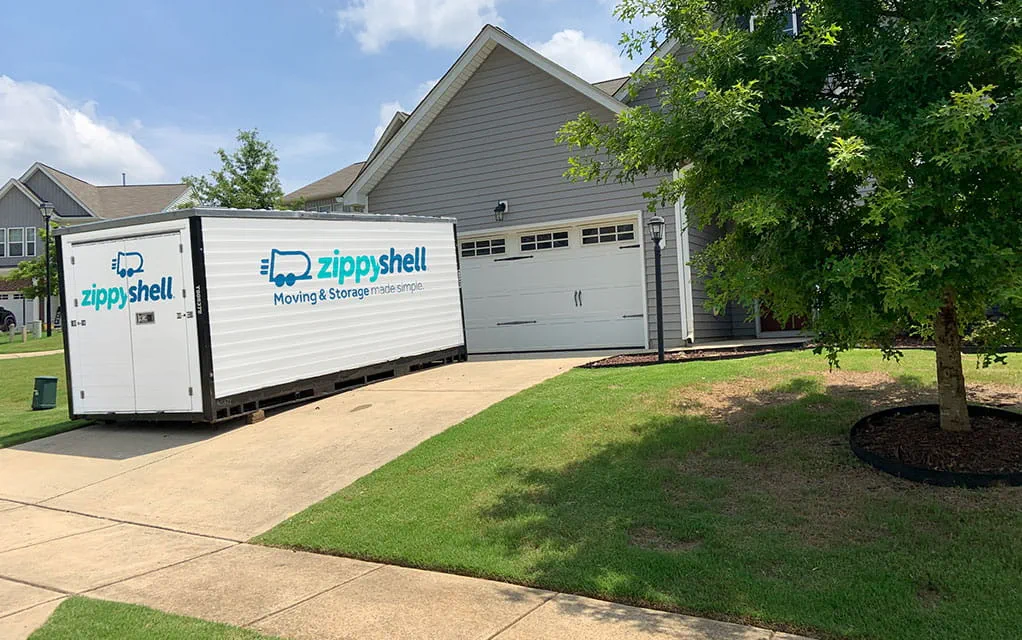
No more stressing over what to do with your stuff or worrying about having to keep a giant moving truck somewhere while your home is closed. We give you complete control over your move and the option to store your stuff at your home for the short or long term, or in our facility, giving you absolute flexibility no matter the situation.
If you want to experience the simplicity of Zippy Shell and make your next move easier, give us a call or get a free quote online to get started! We would be happy to help make your moving and storage needs easier to handle!
Frequently Asked Questions About Home Closing Day
How long does it take to close on a house?
The full closing process for a home purchase typically spans 30 to 45 days, from your mortgage application to the official closing date. However, depending on factors such as loan type, property issues, or paperwork delays, some transactions may take longer. As part of this timeline, you’ll receive a Closing Disclosure—a document outlining all final costs—at least three business days before your signing appointment. This gives you time to review all fees and ask questions if anything looks unclear.
On the day of closing, you’ll meet with a closing agent (sometimes called an escrow officer or settlement agent) who will walk you through the documents that need to be signed. The meeting itself usually takes around one to two hours. During this session, you’ll sign legal paperwork related to your loan and transfer of ownership, pay any remaining closing costs, and provide proof of homeowner’s insurance if required.
Once everything is signed and funds are transferred, you’ll officially receive the keys to your new home. The process is designed to be thorough but efficient, ensuring both buyers and sellers understand their obligations and that all legal requirements are met before finalizing the transaction.
What fees should I expect to pay at home closing?
Typical closing costs may include lender fees, title insurance, recording fees, prepaid insurance, prepaid interest, and property taxes. You may also fund an escrow account for taxes and insurance. Your real estate agent can help you understand the estimate, but your final closing disclosure shows the actual numbers due.
Can I negotiate or change anything during my new home closing?
Yes, certain issues can still be resolved if they arise before you sign the final documents at closing. Common examples include errors in the closing disclosure, incomplete repairs that were promised by the seller, or discrepancies between what’s stated in the purchase agreement and what appears in your closing paperwork. Addressing these problems promptly is crucial to ensure you’re protected and not locked into unfavorable terms.
However, it’s important to note that most negotiation should take place earlier in the closing process. By proactively reviewing loan terms and all related documents well in advance, you reduce the risk of last-minute surprises and avoid being pressured into decisions under tight deadlines. This includes confirming interest rates, reviewing fee breakdowns, and making sure all agreed-upon repairs or credits are properly documented.
If any issues arise at this late stage, contact your real estate agent, lender, or attorney immediately so they can help resolve any discrepancies before you sign. Remember: once you complete the signing process and funds are transferred, your ability to negotiate or dispute terms becomes very limited. For this reason, thorough review and clear communication throughout every step of the transaction is essential for a smooth closing experience.
What documents do I need to prepare for the home closing process?
Prepare your closing documents, valid identification, proof of funds, proof of homeowners insurance, and any lender-requested loan documents. It also helps to keep copies of your title insurance paperwork, purchase contract, and insurance policies. Ask the title company early if a second ID or extra forms will be required.
What should I expect during the final walkthrough before closing?
During the final walkthrough, you verify that the home is in the agreed-upon condition prior to closing. This step is crucial because it ensures that all negotiated repairs from the home inspection were completed as promised, that the seller has vacated the property, and that there are no new issues or damage that could impact its value. It’s important to carefully inspect appliances, plumbing, heating and cooling systems, and fixtures to confirm they are functioning properly. Also check that any personal items belonging to the seller have been removed unless otherwise stipulated in your contract.
If you notice anything out of order—such as incomplete repairs, unexpected damage, or missing items—you should notify your real estate agent or closing agent right away. They can help address the problem before you finalize the purchase. In some cases, issues discovered during the walkthrough may require additional negotiation or even delay closing until they are resolved.
The final walkthrough is typically scheduled within 24 hours of closing and is your last chance to make sure everything meets your expectations as outlined in your purchase agreement. Taking this step seriously can save you headaches later by ensuring you’re getting exactly what was agreed upon.
- Moving Tips (132)
- Home Organization (60)
- Fun Stuff (54)
- Home Maintenance Tips (48)
- Packing Tips (36)
- Storage Tips (35)
- Home Buying and Selling Tips (24)
- News Releases (24)
- Home Renovation Tips (16)
- Moving on a Budget (11)
- Portable Storage (11)
- Moving and Storage Tips (2)
- Household Moving (1)
- In the Community (1)
- Moving Company Comparisons (1)