12 Timeless Heirlooms to Pass to Children in Your Family
August 11, 2025
Updated on August 20, 2026
Key Highlights of Heirlooms to Pass to Your Children and Family
- Heirlooms connect family members to cherished traditions, stories, and shared experiences, preserving family history for future generations.
- Thoughtfully downsizing helps parents select keepsakes with real sentimental value, ensuring only meaningful items are passed down.
- Heirlooms aren’t just valuable antiques; they often include handwritten recipes, photographs, and unique collectibles that hold emotional significance.
- Preserving the provenance and stories behind each heirloom ensures their meaning endures for your own kids and grandkids.
- Zippy Shell portable storage offers a great way to protect and organize keepsakes during your downsizing journey.
- Legal considerations, including estate planning and fair distribution among children, are vital for safeguarding your family’s legacy.
Every family’s history is woven together through heirlooms—special items passed from one generation to the next. These treasures carry sentimental value, reminding you of the moments and traditions your family holds dear. By selecting and sharing meaningful keepsakes, you give future generations tangible links to their heritage and identity. Whether it’s a cherished recipe, an old photograph, or a piece of furniture, passing down heirlooms is an act of love that helps your children appreciate the legacy you’ve built.
The Importance of Passing Down Heirlooms
Passing down heirlooms is about much more than gifting an object. It’s a way to pass on your family’s legacy, ensuring the next generation remains connected to their roots. Every keepsake tells a story, weaving together the values, traditions, and experiences that define your family. These items spark storytelling, fostering a strong bond between family members and future generations.
Even objects with little monetary value—like a handwritten letter or a child’s toy—can possess deep sentimental value. The stories behind these heirlooms make them priceless in your family’s history. Preserving those memories ensures children understand the meaning behind each keepsake and carry that knowledge into their own lives.
Choosing Heirlooms with Meaning
Start by reflecting on what matters to you when preserving your family's legacy. What items truly represent your family’s history and values? When selecting heirlooms to pass down, consider sentimental value above monetary worth. Provenance—the story of an item’s origin and journey—is crucial. For example, a grandmother’s rocking chair becomes significant when your children know it has comforted several generations or that a recipe helped previous generations make it through especially tough times.

Ask yourself what pieces will speak to future generations - it can be objects like handwritten recipes, journals, or art that celebrates your family’s traditions and milestones. To ensure heirlooms have lasting significance, choose items your children and grandchildren will cherish and use. Discuss with family members what keepsakes mean most to them, and prioritize those with strong emotional connections. Sharing their provenance and stories helps the next generation value and carry on your legacy.
The Emotional Value of Family Keepsakes
Family keepsakes are treasured not for their cost, but for the memories and emotions they carry. A childhood toy, wedding ring, or set of silverware can mean more than any collectible, simply for the moments they represent. These items serve as windows into your family’s history, helping children understand the people and traditions that shaped them.
When passing down heirlooms, consider whether particular objects or traditions are more suitable for daughters or sons. For example, a piece of jewelry or a handmade quilt may hold special meaning in some family lines. Discuss openly with your children about the sentimental value behind each keepsake, ensuring they’re aware of the love and care invested in these gifts.
Feelings of guilt or obligation sometimes arise when inheriting or gifting family heirlooms. Address these emotions with empathy, reminding each family member that it’s the stories and connections, not just the objects, that matter most. This can ease tensions and help others understand why these items matter and should be passed down to future generations.
Practical Tips for Preserving Heirlooms
Safeguarding family keepsakes is essential for ensuring their longevity. Start by documenting the story behind each item so future generations know its provenance and sentimental value.
Physical preservation is just as important. Protect heirlooms from damage or loss with these steps:
- Store items in climate-controlled spaces to prevent deterioration.
- Digitize photographs, letters, VHS tapes, and recipes for backup and easy sharing.
- Use acid-free containers and sleeves for textiles and paper keepsakes.
- Clean antiques, furniture, and silverware with gentle, appropriate methods.
Involve your children in the preservation process and teach them the value of maintaining these connections. By taking proactive steps, you ensure that your family’s legacy endures and remains accessible for future generations.
Consider Portable Storage Solutions Like Zippy Shell to Keep Items Safe During Downsizing or Relocation
Oftentimes, heirlooms begin their journey down the family line when downsizing from the large home your family shared to a smaller home for empty nesters. This typically means moving and storing items for either the short or long term. When downsizing and moving, you want a moving solution that simplifies the process. Traditional methods, like renting a moving truck, can be a massive hassle: you have to rent a large, unwieldy truck, pack it, drive it, unpack it, and return it all in one day to avoid overage fees. Similarly, with traditional self-storage facilities, you might need to rent a truck to pack and unpack your belongings, which means more time and money. Not to mention the return trip to take it all out of there at some point in the future.
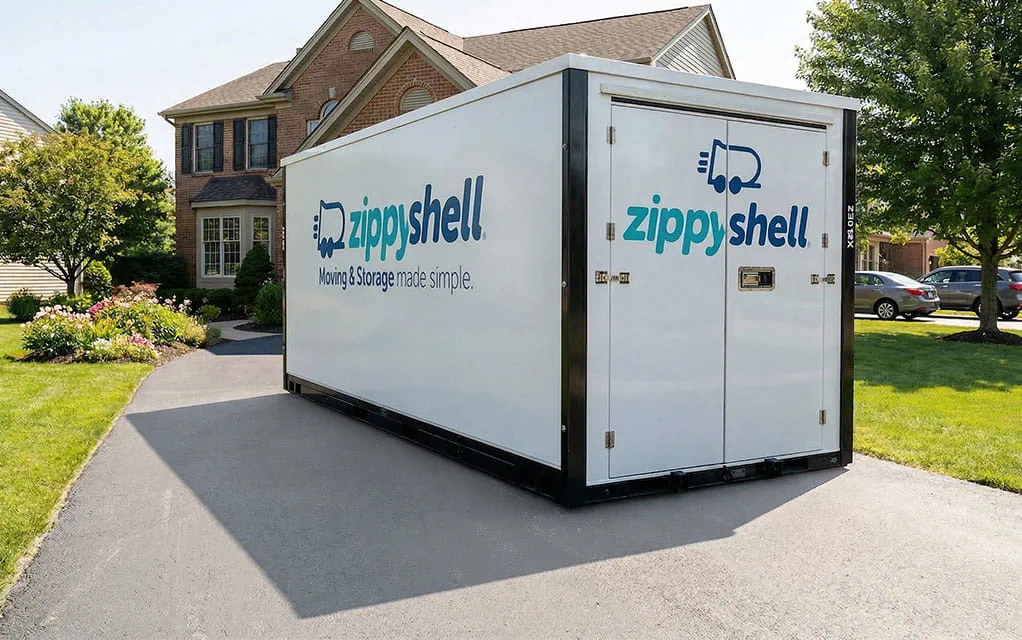
With Zippy Shell, moving and storing your belongings is made simple. Here is how it works: We deliver a galvanized steel mesh container housed in a portable moving and storage container to you, keeping your belongings safe from the elements. Pick your preferred delivery date, take as long as you need to pack at your leisure, and then have it delivered to your new home or kept in one of our local, nationwide secure storage facilities for as long as you need. It is that simple.
Having a reliable means of moving and storing your stuff, especially any heirlooms you want to pass down to your children or grandchildren, is crucial. Zippy Shell can provide the moving and storage services you need for peace of mind, whether you're moving closer to family or storing your belongings until you need them again.
12 Timeless Heirlooms to Pass to Children in Your Family
Selecting heirlooms to pass down isn’t just about tradition—it’s about sharing love, stories, and the family’s legacy. Today’s children and grandchildren appreciate keepsakes that make everyday life more meaningful, such as a piece of furniture that’s hosted countless family meals or a creative craft made by a loved one. Passing along these timeless treasures is a great way to celebrate your roots and foster deeper bonds. Explore these twelve ideas to inspire your kids and ensure your family history continues to flourish.
1. Handwritten Family Recipes and Cookbooks
Handwritten family recipes are among the most cherished heirlooms, offering a taste of family history with every meal. These scraps of paper, index cards, or inherited cookbooks preserve culinary traditions that define your family’s identity. Your grandmother’s apple pie recipe or your dad’s secret barbecue sauce—complete with their handwriting—connects future generations to the meals and memories that bring everyone together.
To make these even more special, compile recipes into a family cookbook. Include photos of the dishes, notes on who made them famous, and the stories behind each creation. This transforms an everyday meal into a celebration of heritage, helping your children appreciate the sentimental value embedded in every bite.

Preserving the memories behind these recipes is easy—write down who created each dish, share anecdotes, and encourage your children to add their favorites over time. This living heirloom keeps family meals and traditions alive for generations.
2. Jewelry with Personal or Cultural Significance
Jewelry often carries profound sentimental value, especially pieces like a wedding ring or family pendant. These items reflect the family’s history, celebrating milestones and personal connections. A grandmother’s engagement ring or a father’s cherished watch is more than a keepsake—it’s a symbol of enduring love and tradition.
When selecting jewelry for future generations, consider personal and cultural significance. Is there a story behind each piece? Passing down jewelry is often best suited for daughters, depending on your family’s customs, but the emotional connection remains universal regardless of who receives it.
Add to the heirloom by creating a written history detailing its provenance and the pivotal events it’s witnessed. This ensures children understand its significance and feel proud to wear or display it. Thoughtfully chosen jewelry becomes a wearable reminder of your family’s legacy and values.
3. Photographs, Albums, and Scrapbooks
Physical photographs, albums, and scrapbooks are irreplaceable keepsakes that offer glimpses into your family’s history. While digital images may fade into obscurity, tangible albums invite storytelling and nostalgia. Each page can feature handwritten captions, ticket stubs, or pressed flowers, creating a multi-sensory experience for family members.
Start by organizing and preserving these visual records. Digitize photos for backup, but keep originals as heirlooms. Create themed scrapbooks that highlight milestones, holidays, and everyday moments, making it easy for children to understand the importance of the family’s legacy. Services such as Meminto Stories, which turn family stories and photos into a cherished book for generations, or Legacybox, which digitizes old VHS tapes, film reels, photos, and more, can be highly convenient for saving family memories.
Preserve the stories behind each photo by sharing anecdotes and recording who’s pictured and the context of each scene. This transforms simple images into powerful family history, connecting future generations to their roots and encouraging them to continue the tradition.
4. Letters, Journals, and Family Stories
Letters and journals capture thoughts, emotions, and daily life in a way nothing else can. Passing down a collection of love letters, travel journals, or family stories gives children an intimate window into your family’s legacy. These keepsakes embody storytelling and provenance, helping future generations appreciate the personalities and experiences of those who came before.
When selecting which writings to share, prioritize those with unique family perspectives or historical significance. Transcribe fragile documents to preserve their content and make it easy for your children to read and understand the context.

Encourage family members to add their own stories, creating an evolving record that’s both personal and communal. Passing down journals and letters ensures these connections endure and enrich your family’s history.
5. Heirloom Furniture Pieces
Furniture, in many households, represents far more than simple utility—it becomes an enduring symbol of family heritage and shared memories. For instance, a sturdy oak dining table may have witnessed decades of birthday celebrations, holiday feasts, and everyday conversations, while a worn but beloved armchair might evoke images of grandparents reading to children or sharing stories long into the night. Each mark and imperfection tells a story, adding layers to the narrative of your family’s life together.
When selecting furniture to pass down through generations, evaluate not only its physical condition and craftsmanship but also its emotional significance. Pieces crafted from high-quality materials tend to withstand the test of time and can be restored if necessary. However, their sentimental value often outweighs their material worth—what matters most are the memories they hold and the lessons they silently teach about resilience, care, and continuity.
Sharing these stories with your children helps them appreciate why certain pieces are cherished. You might recount how a particular sideboard was purchased as a wedding gift or how a desk supported late-night study sessions that led to academic achievements. By weaving these narratives into family traditions, you imbue furniture with meaning that goes beyond aesthetics or function.
Proper care is essential for preserving heirloom furniture for future generations. Teach your children how to clean wood surfaces gently, repair minor damages thoughtfully, and protect upholstery from wear. Sometimes restoration by skilled craftspeople can breathe new life into aging pieces without erasing their history—a careful balance between preservation and usability.
These items serve as tangible links to the past, reminding each generation of where they came from while offering comfort and familiarity in changing times. In this way, meaningful pieces become cornerstones in your family's legacy—ensuring that love and tradition are passed along with every chair sat in or drawer opened for years to come.
6. Musical Instruments Passed Through Generations
Musical instruments are unique collectibles that carry talents, passions, and moments of joy across generations. A violin played in the city orchestra or a piano that accompanied family holidays embodies sentimental value and provenance, inspiring your children to explore their creativity, especially if the instrument is of cultural importance.
When selecting an instrument to pass down, think about its connection to your family’s history. Did it play a role in celebrations, achievements, or shared hobbies? Include instructions, sheet music, or lessons to help your children connect with the instrument’s legacy and develop their skills.
Musical heirlooms aren’t just objects—they’re invitations to experience and continue the family’s love for music. By sharing the stories and memories attached to each instrument, you encourage future generations to appreciate and build upon your family’s creative spirit.
7. Artworks and Handmade Crafts
Artworks and handmade crafts are creative heirlooms that capture the essence of your family’s unique style and interests. Paintings, sculptures, or embroidered pieces reflect personal expression and sentimental value, while antiques and collectibles add depth to your family’s history.
When considering which art or crafts to pass down, look for items that have been cherished and displayed over the years. Share stories about the artist, the inspiration behind each piece, and its significance in family traditions. This transforms a simple decoration into a powerful keepsake.
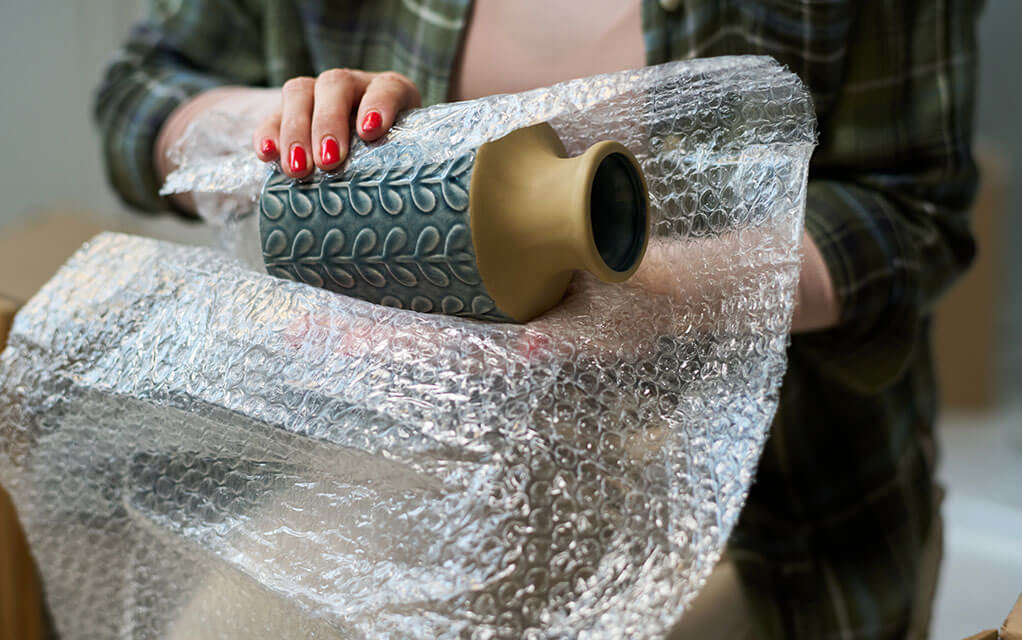
Encourage your children to add their own creations, continuing the tradition of handmade crafts. These evolving heirlooms inspire creativity and personal connection, making them great ways to keep family history vibrant and accessible for future generations.
8. Quilts, Blankets, or Embroidered Textiles
Textile heirlooms, like quilts, blankets, or embroidered linens, offer warmth and comfort while telling stories of the family’s history. Each patch, stitch, or design can represent a milestone, tradition, or memory, making these items deeply sentimental.
When choosing textiles to pass down, prioritize pieces crafted by family members or those linked to significant events—weddings, reunions, or births. Include notes explaining who made the item, when, and what each detail symbolizes. Quilts, in particular, often serve as living family trees, with each piece connecting future generations to their roots.
Some heirloom textiles may be best suited for daughters or sons, depending on tradition. Passing down these items gives your children more than just a blanket—it’s a tangible connection to the love, creativity, and history that shapes your family.
9. Tools, Watches, or Unique Collectibles
Tools, watches, and unique collectibles combine practicality with sentimental value, making them versatile heirlooms for children and grandchildren. A branded toolbox tells stories of family projects and resourcefulness, while a timeless watch marks significant milestones.
When selecting these items, consider provenance—are they linked to meaningful family events, professions, or hobbies? Include a note or record detailing their history, ensuring your children understand their importance and connection to your family’s legacy.
Collectibles, from coins to branded pens, offer creative alternatives to traditional heirlooms. They inspire children to appreciate craftsmanship, perseverance, and personal achievement. Passing them down ensures your family’s diverse interests and values remain part of your shared story for generations to come.
10. Books with Special Meaning or Annotations
Books with personal meaning or handwritten annotations are timeless keepsakes that offer insight into your family’s history and literary tastes. A well-loved novel, family Bible, or travel journal celebrates milestones, faith, and personal growth.
Choose books that hold significance for you or your ancestors, and add notes explaining why each one matters. Include stories about when they were read, who enjoyed them, and the lessons learned. This transforms a simple book into a cherished heirloom that encourages reflection and understanding.
Preserving the memories behind these books is easy—write down the context, share anecdotes, and invite your children to add their own annotations. This living tradition fosters a love for reading and ensures your family’s history continues to expand with each generation.
11. Holiday Decorations and Traditions
Holiday decorations are more than just seasonal adornments—they are treasured heirlooms that encapsulate years of family traditions, laughter, and togetherness. Items such as Thanksgiving centerpieces, beloved ornaments, or handcrafted wreaths become repositories of cherished memories, each one symbolizing a story or milestone in your family’s history.
When choosing which holiday keepsakes to pass down to your children, prioritize those items with sentimental value and personal stories. Ornaments made by little hands during childhood craft sessions, festive pieces gifted by grandparents, or decorations that have adorned the holiday table for generations all carry an emotional resonance. These objects not only reflect past celebrations but also help preserve the rituals that make your family unique.
To deepen the significance of these heirlooms, consider including handwritten notes or cards explaining their origins and meaning. Share anecdotes about who made them, why they were special in your family’s holiday traditions, and any funny or touching moments associated with them. This personal touch turns each decoration into a living piece of family history and gives future generations context.

Some holiday items may hold special meaning for daughters while others might be particularly significant to sons—these distinctions often arise from specific roles or customs within a family's holiday celebrations. For example, a daughter might treasure the cookie tin she used baking with her mother every Christmas Eve, while a son may value the menorah he lit alongside his father during Hanukkah.
Thoughtfully passing along these treasures and sharing their stories, you ensure that your children—and eventually grandchildren—can continue the tradition of joyful gatherings and meaningful celebrations. This practice strengthens their sense of belonging and helps them feel connected to both immediate relatives and ancestors they may have never met. In this way, holiday decorations become more than mere objects; they serve as bridges linking past, present, and future generations in a legacy of love and shared heritage.
12. Wedding Dresses, Baby Clothes, or Special Attire
Clothing and special attire are powerful heirlooms, linking future generations to memorable milestones like weddings and births. A wedding dress worn by multiple family members or baby clothes passed from sibling to sibling carry stories of love, commitment, and new beginnings.
Choose attire with sentimental value and provenance—pieces that have witnessed significant events or been cherished for generations. Share the stories behind each item, including who wore it, when, and what moments it represents. This helps your children appreciate the emotional connection and the family’s legacy embedded in these garments.
Talk with your children before making plans to pass down clothing. Be aware of your children's feelings towards such plans, as styles do fade, and your children and grandchildren may want to wear or keep only what they would personally use. If it means a great deal to you and your family legacy, discuss it openly so everyone can share their feelings.
Consider the Legal Implications of Passing Down Heirlooms to Your Family
Navigating the legal aspects of inheritance ensures that passing down heirlooms protects your family’s legacy. Estate planning and understanding legal considerations are essential when distributing keepsakes among family members. Drafting a will helps outline who receives which items, minimizing confusion and potential conflict.
Fairly dividing heirlooms among multiple children offers everyone a chance to feel included and valued. Consult legal professionals to address inheritance taxes, estate planning, and legal safeguards, ensuring your sentimental and valuable items reach future generations smoothly and comply with all state and federal regulations.
Have a Lawyer Help You Finalize a Will and Appoint an Executor of an Estate
Enlisting a lawyer for estate planning is one of the most effective ways to protect your family’s legacy and ensure that your intentions are clearly documented and legally enforceable. A properly drafted will can specify exactly how you want your heirlooms, collectibles, and other cherished items distributed among your loved ones, guaranteeing that your wishes are honored after you’re gone.
Appointing a designated executor is also essential. The executor’s role is to oversee the management and distribution of your estate according to the instructions in your will. They handle legal requirements, settle debts, facilitate communication among beneficiaries, and ensure each item’s provenance and sentimental history are preserved. Having an executor can simplify what might otherwise be a complex and emotional process for surviving family members.
Estate planning isn’t just for the elderly or those with significant assets—anyone who owns valuables or items of personal significance should consider having a will. Life can be unpredictable, and clearly documenting your wishes can prevent disputes, confusion, or unintended outcomes in the event of illness or sudden loss.

When working with your attorney, take time to review all meaningful keepsakes and valuable possessions. Consider not only their monetary worth but their sentimental value as well. Discuss these decisions openly with your family during the planning process. By inviting input from those who will inherit these items, you foster transparency, encourage understanding, and minimize potential conflicts or misunderstandings.
Including heirlooms in your will does more than just allocate physical objects—it instills a sense of history and tradition within younger generations. When children understand the stories behind these treasured pieces, they’re more likely to appreciate their significance and continue passing them down thoughtfully.
Estate planning is about far more than dividing finances; it’s about preserving memories, honoring family traditions, and ensuring that meaningful artifacts stay connected to the stories they represent. Taking proactive steps now ensures that your legacy—and everything it encompasses—remains intact for generations to come.
Understanding Inheritance Taxes and Estate Planning
Consider inheritance taxes and estate planning when passing down valuable or sentimental heirlooms. Different states have varying regulations, so it’s important to consult with legal professionals. Estate planning helps manage legal considerations and ensures your will reflects your wishes for distributing keepsakes fairly.
Consider these factors:
- Wills - Specifies heirloom ownership and executor responsibility for all of your belongings, property, and financial considerations.
- Inheritance Tax - State laws may impact high-value antiques, collectibles, or jewelry - consult with a legal professional to determine the steps you will need to take.
- Estate Distribution - Outlines fair division among children, reducing potential disputes among family members.
- Proper Legal Documentation - Includes provenance and item history for sentimental pieces and financial considerations - always consult with a lawyer to ensure everything you do is bound by the law.
Addressing these areas helps your family avoid unexpected costs and ensures that heirlooms—whether a wedding ring, quilt, or collectible—are passed to the next generation smoothly and securely.
Keep Your Precious Heirlooms for Your Family Safe With Zippy Shell
Passing down heirlooms is a meaningful way to connect generations and preserve family history. By selecting items that hold emotional significance, you not only pass tangible objects but also cherished memories and stories. Downsizing your possessions before handing down heirlooms can help ensure that only the most valued items are preserved for your children. Utilizing portable storage container service providers like Zippy Shell can simplify this process by providing a secure space to protect and store these precious belongings during your transition.
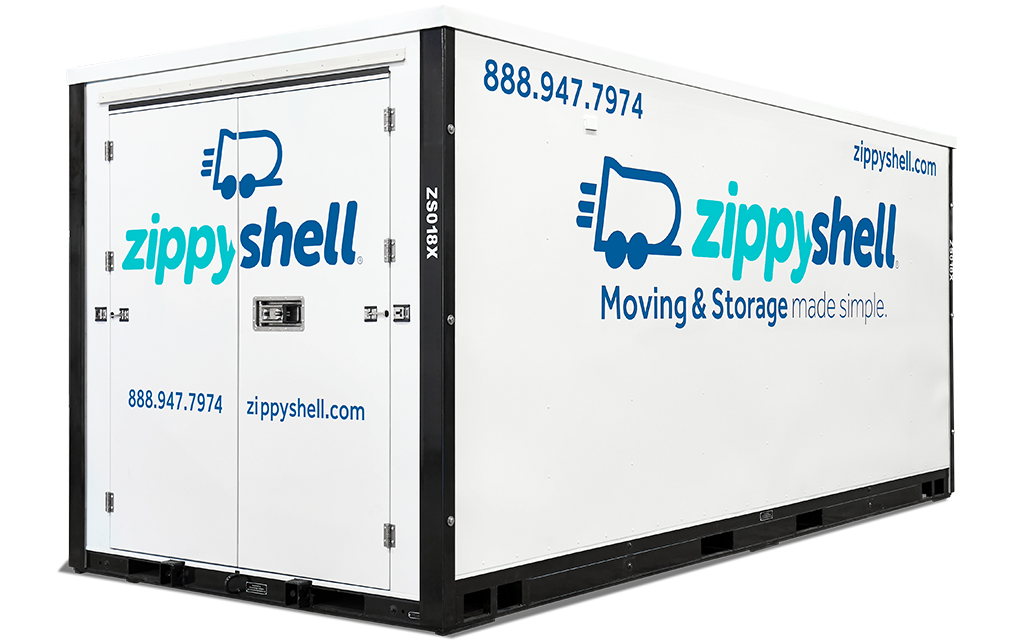
Let Zippy Shell simplify your downsizing and storage needs by handling the logistics and driving, so you don't have to. We can handle local, long-distance, and cross-country moves, or provide secure warehouse storage for as long as you need. Call us to learn more, or go online for a free quote to see how Zippy Shell can make your needs easier!
Frequently Asked Questions About Heirlooms to Pass to Children
How can I downsize and only pass on meaningful heirlooms to my children?
Begin by evaluating each item’s sentimental value, provenance, and significance to your family members. Involve loved ones in the decision-making process, and focus on keepsakes that truly reflect your family’s history. Downsizing this way ensures only meaningful collectibles are passed on, streamlining your legacy.
What is the best way to preserve the memories and stories behind family heirlooms?
Preserving the stories, origins, and memorable moments behind each keepsake is a meaningful way to safeguard your family’s heritage for future generations. By documenting the history of treasured items—whether it’s a grandmother’s locket, an old wedding photograph, or a handwritten letter—you provide valuable context that transforms simple objects into cherished heirlooms.
Begin by creating written records for each keepsake. Write down when and where the item originated, who it belonged to, and any significant events associated with it. These narratives can be as detailed as you like, including personal anecdotes or notable milestones the object was present for.
Digitizing photos and letters is another essential step. Scan old photographs, postcards, and important documents to create digital backups. This not only protects fragile originals from wear but also makes them easier to share with relatives near and far.
Sharing these stories with the next generation is crucial in keeping your family’s history alive. Consider compiling these histories into a digital album or printed book to pass down. You might also hold storytelling sessions during family gatherings where elders can recount memories tied to specific keepsakes.
By combining written records, digitized materials, and shared anecdotes, you help ensure that sentimental value endures beyond the physical lifespan of your keepsakes. This approach not only protects family artifacts but also fosters a deeper sense of connection and identity among relatives—making your family’s story vibrant and accessible for years to come.
How can Zippy Shell portable storage help protect and store family heirlooms during downsizing?
Zippy Shell's portable storage containers make moving and storing your belongings easier. Our containers are tailor-made to keep your stuff safe - whether you are moving locally or long-distance or need to keep your stuff secured in our warehouse for an extended period of time. Unlike other moving and storage solutions, we bring the service to you - no driving and no coordination necessary. Tell us when you want your container, we drop it off, you take up to three days to pack, and we pick it up. It's as simple and secure as that.
What are some criteria to consider when selecting heirlooms to pass down to future generations?
Factor in sentimental value, provenance, relevance to family members, and alignment with traditions. Choose keepsakes that evoke memories, represent milestones, and can be treasured by future generations. Prioritize items that foster connection and storytelling within your family.
Are there any legal considerations to keep in mind when bequeathing heirlooms to children?
When planning to bequeath heirlooms, consider not only their sentimental value but also the legal and financial implications. Drafting a clear, legally binding will is the foundation of effective estate planning. In your will, explicitly state which items go to which beneficiaries to help prevent disputes or misunderstandings among family members after your passing.
It’s highly recommended that you consult an estate attorney or other qualified legal professional during this process. They can help you navigate complex inheritance laws that may vary by state, ensure your documents are valid, and address any potential tax obligations tied to high-value heirlooms or collectibles.
Beyond drafting a will, you may also want to explore establishing trusts for particularly valuable or sensitive items. Trusts can provide additional control over how and when certain assets are distributed, offering protection against creditors or facilitating transfers for minors.
Open communication with your heirs is another crucial step. Discussing your intentions regarding heirlooms with your children ahead of time can minimize conflict and ensure everyone understands your wishes. You might even involve them in deciding who receives specific pieces, further reducing the likelihood of future disagreements.
Lastly, secure proper documentation for each heirloom, such as appraisals, provenance records, or photographs, to help substantiate ownership and provide important historical context for future generations. This comprehensive approach will help safeguard your family legacy while making sure cherished possessions are distributed fairly and securely according to your wishes.
Be sure to always get the advice of a practicing lawyer with a specialty in elder law and estate planning - never go purely off advice that is garnered from the internet.
- Moving Tips (132)
- Home Organization (60)
- Fun Stuff (54)
- Home Maintenance Tips (49)
- Packing Tips (37)
- Storage Tips (35)
- Home Buying and Selling Tips (24)
- News Releases (24)
- Home Renovation Tips (16)
- Moving on a Budget (11)
- Portable Storage (11)
- Moving and Storage Tips (2)
- Household Moving (1)
- In the Community (1)
- Moving Company Comparisons (1)