10 Key Tips for Garage Packing for a Move
July 24, 2025
Key Highlights for Packing Your Garage
- Learn how to efficiently separate and declutter garage items to simplify your packing process.
- Learn the safest methods for handling and disposing of hazardous materials, including car batteries and pesticides.
- Explore packing paper, bubble wrap, and sturdy cardboard boxes to secure heavy and bulky belongings.
- Get ideas to organize your hand tools, power tools, and garden tools for a smooth unpacking experience in your new house.
- Learn how to keep essential tools easily accessible for tasks at your new home.
Packing up the garage can seem like a daunting task at first. However, if you follow the proper steps, the garage packing process will be much easier, and you will feel less stress as you begin your local or long-distance move. The garage is usually full of power tools and other garage items, such as seasonal gear.
That is why sorting and organizing things is very important for the packing process to go smoothly, and decluttering can become one of the easiest ways to reduce the amount of stuff you need to take with you. You may also need to handle and dispose of hazardous materials, as well as consider the best way to pack heavy items. When you plan well, your belongings will stay safe as you move to your new house.
Now, let’s talk about the tips that will help you make things easier.
Top Packing Tips for Your Garage During a Move
To make your move easier, it’s good to start the garage packing process early. The garage is home to a variety of items, including heavy objects and hazardous materials. If you plan well in advance, you can make the entire process safer and quicker.
In this guide, you will get the best way to declutter, organize, and pack your garage items. By following these steps, you will protect your belongings, utilize your storage space efficiently, and minimize extra stress during the move. Let’s look at these simple packing tips!
1. Sort and Declutter All Garage Items First
When you start to pack, the first step is to distinguish between the clutter and what you treasure. The garage is often where you find or store outdated or unwanted belongings to discard. Begin by sorting the stuff you have in your garage. Group items by category, such as seasonal gear, tools, and other miscellaneous items.
You can host a garage sale to sell unwanted items or list them on sites like Facebook Marketplace for purchase or for free. You can also donate them to charities such as the Salvation Army or Goodwill if they are in need. Create a clear list of items you want to keep, sell, or discard. This focused approach to packing will help you avoid taking things that will sit and collect dust in your new garage.
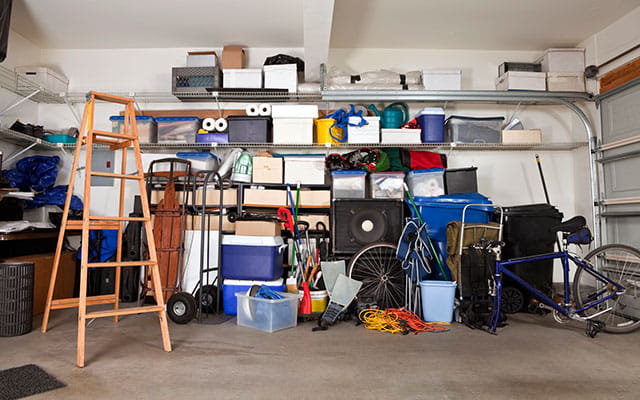
Finally, if you have broken items or items missing parts that you were "going to get around to at some point," just discard them. Items such as broken furniture or boxes with mildew should not be moved. Clearing out your garage will cut down the work, and you will need fewer packing materials for your important belongings. By sorting your items, you open the way for safe, easy, and organized packing and moving.
2. Dispose of Hazardous Materials Safely
Garages are often a place where people store hazardous items, such as pesticides, car batteries, gasoline containers, and power tools. These things can be dangerous if not handled with care during the packing process.
Start by examining all the items in your garage and identifying those that movers will not transport, such as flammable, combustible, or potentially explosive materials. Make plans to dispose of those items the right way, as most moving companies do not allow the transportation or storage of such items.
You should contact your local recycling center or your city’s public works department to learn how to dispose of these hazardous materials properly. You may be able to take hazardous items to a designated drop-off location or request a home pick-up service. For power tools or other machinery, always ensure that you drain out any fuel before packing. If you have any questions about what can and cannot be moved or stored with your moving and storage provider, contact them to clarify.
Do not store or pack hazardous materials for transport during the move, as this can be against the law, violate the contract you signed with your moving company, and is generally unsafe. Remove them early in the packing process so you have more time to handle other packing tasks and make the move safer for everyone involved.
3. Gather Sturdy Packing Supplies and Boxes
When you start packing to move to a new home, you want to ensure that your belongings are safe. Strong packing supplies, such as heavy-duty tape and sturdy boxes, are essential when packing heavy tools, garden equipment, or large car parts. You can use cardboard boxes, but safer alternatives are available if cardboard isn't the best option for moving. Plastic storage containers offer even better protection for a longer duration, and generally won't leak in the event of a minor spillage.
Ensure you have a sufficient supply of the essentials. Get bubble wrap, packing paper, and newsprint. These keep your belongings safe, even those with unusual shapes or that could break easily. When you use heavy-duty tape on your boxes, it helps them stay shut. Add labels so you can see what's inside each one. This makes unpacking much faster.
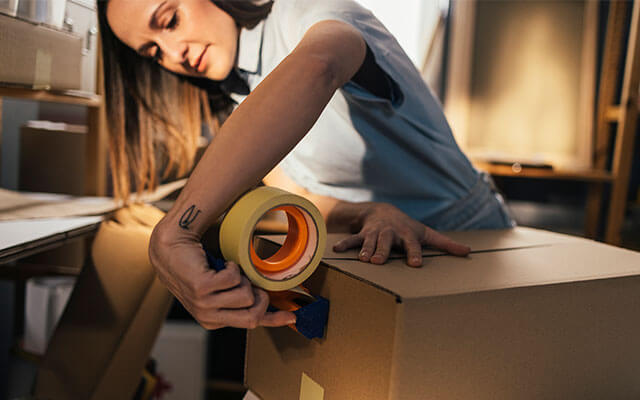
Make it easy for yourself. Here’s what you need:
- Bubble wrap: Works great for sharp or breakable tools and helps keep items like garden pots, tools, and other breakables safe.
- Plastic storage containers: If you're concerned that cardboard boxes may not be strong enough or contain a potential spill, plastic bins are a terrific alternative.
- Packing paper: Use this to wrap items that are heavy or packed tightly, or as a space filler in boxes or bins to prevent items inside from shifting and causing damage.
- Heavy-duty tape: Believe it or not, there is a significant difference between cheap and high-quality packing tape. Get the right tool for the job to ensure your belongings are safe during your move.
If you use the right packing supplies, your belongings are more likely to arrive at your new home safely and be ready for use.
4. Organizing and Packing Tools by Type and Size
Sorting your tools helps keep them organized and makes them easy to find later. Start by putting similar items together. For example, small hand tools, such as hammers, wrenches, and screwdrivers, should all be placed in the same box so they don't get lost in the unpacking process at your new home.
When packing power tools, it is important to take extra care. Many of these have sharp edges or removable attachments. Remove any attachments and wrap cords separately using bubble wrap for added safety. Make sure you pack tools of the same size together. This stops things from getting tangled or broken. Use packing paper or bubble wrap to fill the space or wrap the tools to avoid damage during transit.
When preparing your garden tools, such as shovels or rakes, you can tie them together with rope or twine. If a tool has sharp edges, cover them with old towels to prevent them from cutting through the wrapping. By packing things this way, you make it easy to move all your tools into your new garage, keeping them safe and organized when you unpack them at your new home.
5. Protect Power Tools with Original Cases or Padding
Power tools need to be packed with care to prevent damage and breakage. If you have the original cases, use them. They fit these tools best and are made for storage. If you don't have the cases, wrap the tools in bubble wrap or some soft padding to ensure they stay safe. Here are a few ideas for what you can pack your power tools in for the journey:
- In the original box - This is the best solution for packing almost anything that came in original packaging, as it was the box tailor-made for that item. If you still have the original box, use it to pack and move your power tool.
- Bubble wrap - Bubble wrap is the next best solution, as it can protect the item from damage and take up space to prevent items from shifting around in your box or bin.
- Towels, blankets, rags, etc. - If you don't have the original box or bubble wrap handy, using some old towels or blankets that you don't use often or can wash later will help keep your belongings as safe as possible during a move.
Keep the cords from getting twisted by tying them up nicely and securing them with a twist tie or rubber band. You should also cover sharp edges or any sticking parts with old towels or cloth and wrap them in a rubber band to secure them for the length of the move. With sufficient padding and bubble wrap, your power tools will remain safe during transit. When you arrive at your new house, all your tools will be ready for use right away.
6. Disassemble Large Equipment and Furniture
Moving large garage items, such as machinery, storage cabinets, or large workbenches or workstations, requires careful handling. First, remove any removable attachments. Place small parts in plastic bags and label them clearly so you know where to put them.
When packing these larger items, wrap them in quilts or bubble wrap to protect them. Doing this helps prevent scratches or dents when your belongings are in transit. If you have long items, such as ladders, ensure they are tied down tightly to prevent them from sliding around in your moving solution or portable storage container.
Keep screws, nuts, and bolts together with the disassembled equipment. This will help a lot when you go to put everything back together. Breaking things down first helps you pack the heavy items in a smaller space, making it easier to move all your garage items, storage sheds, and appliances.
7. Pack Seasonal Gear and Sports Equipment Separately
Seasonal gear and sports equipment can occupy a significant amount of space in your garage. It is helpful to pack these items in groups by their intended use, such as keeping all skiing gear together and placing summer outdoor furniture in a separate group. This will make packing and unpacking at your new home go much smoother.
- Lawnmowers and snow blowers: Be sure to drain the fuel first, as this could violate your moving agreement if packed. Then, wrap any sharp edges to make them safe and store the items upright to avoid any potential hazardous leakage of other fluids.
- Bicycles: Remove the handlebars and wheels to store the bike in a smaller space.
- Garden tools: Wrap and tie up long-handled garden tools, so they stay together.
- Sports equipment: Use bubble wrap or thick padding to protect the fragile parts - if moving weights, be sure to place them evenly across the floor of your moving solution or container.
When you pack things like lawnmowers, sports equipment, snow blowers, and other gear separately, your garage will stay better organized. It also makes it easier for people to locate items and store them in their new home.
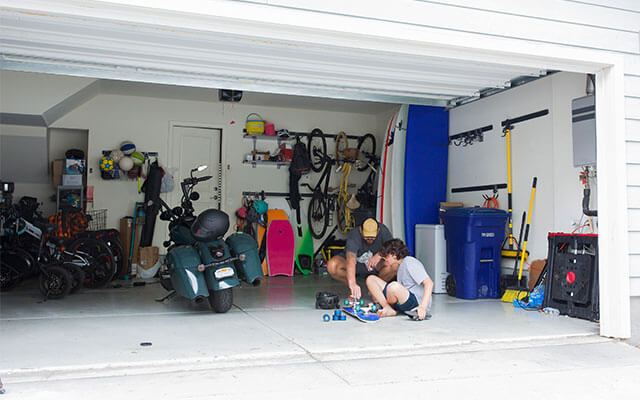
Pro tip: Never pack heavy stuff all in one spot in your moving solution or portable container, as this can cause the moving solution to sway or tip over while in transit. Spread out the weight of heavy objects evenly across the floor for even distribution of weight.
8. Label All Boxes Clearly and In Detail
Well-labeled boxes eliminate the guesswork when unpacking in your new garage. Use a permanent marker. Write “Garage” on the box, and also a list of items that are inside.
For example, do not just write “tools” on the box. Instead, write “hand tools: wrenches, hammers.” Being specific about what is kept in the box or bin helps your movers and saves you time later during the unpacking process.
Mark “Fragile” on boxes with delicate gear, and give any extra handling notes if needed. Clear labeling makes packing, moving, and unpacking easier and safer for everyone.
9. Use Sturdy Boxes or Bins for Moving Heavy Items
Heavy items, such as hand tools or metal parts, should be packed in small, sturdy boxes. Larger boxes are not the best way to pack these dense garage items. They can make the boxes hard to move and pick up.
Small boxes help prevent you from putting too much in at once. They also keep things in place while in your moving solution. People who work in moving often say you should split heavy items into different boxes. This helps to spread the weight so it's not too much in one spot.
The best way to handle heavy garage items is to put them in strong, smaller boxes. Try to spread them out to keep the weight even when moving.
10. Keep Essential Garage Tools Accessible
Some garage items are essential to have when you arrive at your new home. Tools like hammers, utility knives, and wrenches come in handy right away for tasks such as hanging pictures, assembling furniture, and fixing things. Place these must-have tools in boxes or containers that are easy to identify and label as “Immediate Use” or something similar. Pack this box last so it is one of the first things you unpack at your new home.
Place these boxes at the beginning of your moving solution or portable moving container. This way, you can get to them quickly. If you are moving things on your own, it's a good idea to pack another small toolbox for fast use.
When you have these tools easy to get, it helps you start work in your new garage right away. You can fix things or set up without any delay. Having tools like hammers ready makes your move into the new home much smoother.
Let Zippy Shell Make the Rest of Your Move Simple
Packing your garage when you move doesn't have to feel overwhelming. If you use these ten main tips, you can make the job easier and safer. And if you need help making the rest of your move easier, then give Zippy Shell a call today!
Zippy Shell makes moving and storage simple by bringing the solution to your door. No more packing and driving large moving trucks to your new home all in one day, or driving back and forth to a traditional self-storage facility.
Here is how Zippy Shell works: you pick your preferred delivery date, and we will drop off a container at your home. You then take up to three days to pack it at your own pace. When done, we will collect it and deliver it to your new home or store it in one of our nationwide, secure storage facilities for as long as you need. It is that simple.

Whether you need temporary or long-term storage, cross-country moving assistance, or want to make moving and storage easier, let Zippy Shell help make it a reality for you! Give us a call or go online for a free quote to get the process started today!
Frequently Asked Questions About Garage Packing
What items should not be packed from the garage during a move?
Hazardous materials such as gasoline, pesticides, car batteries, and chemicals are not safe to move. Movers cannot carry them, and it is also not allowed by law. If you have any of these items, you should contact local disposal services. They can provide you with the correct information on how to dispose of hazardous materials safely.
How do I safely pack sharp or dangerous tools?
Use things like bubble wrap, old towels, or newsprint to cover any sharp edges. Ensure tools are stored securely in a toolbox or wrapped tightly in a strong piece of fabric. Label the containers with “sharp items” so that people can handle them safely while they are being moved.
What is the best way to pack lawn equipment and garden tools?
Remove fuel from lawnmowers before packing them away - this could cause significant issues for you and your mover if it is present in your moving solution. Then, tie rakes and shovels together with twine to keep them together during the move. You can cover the long handles with quilts or blankets. This will help protect them when you move. For sharp blades, use bubble wrap to keep everyone safe during the move.
Should I hire professional movers for heavy garage items?
Choosing professional labor assistance is a good idea if you need to move large items, such as machinery. Movers know how to handle heavy tools correctly and have the necessary assets to make the process easier. This reduces the risk of damage and keeps your items safe. If you need professional labor assistance, Zippy Shell can recommend a third-party labor company to help.
- Moving Tips (132)
- Home Organization (60)
- Fun Stuff (54)
- Home Maintenance Tips (48)
- Packing Tips (36)
- Storage Tips (35)
- Home Buying and Selling Tips (24)
- News Releases (24)
- Home Renovation Tips (16)
- Moving on a Budget (11)
- Portable Storage (11)
- Moving and Storage Tips (2)
- Household Moving (1)
- In the Community (1)
- Moving Company Comparisons (1)