The Best and Cheapest Way to Move Furniture
September 23, 2026
Key Highlights for Cost-Effective Furniture Transportation
- Discover cost-effective strategies for transporting furniture to a new home.
- Explore various furniture transport options, including hybrid DIY and professional movers.
- Learn essential packing and loading techniques to keep your belongings safe.
- Get tips to minimize expenses, such as using off-season moving dates.
- Find answers to frequently asked questions about furniture transport, providing clarity and guidance.
Moving to a new home often means moving your furniture. Doing this can cost a lot of money. But if you look for the cheapest options and plan smartly, you can cut these costs. This guide offers tips to make moving your furniture easy and affordable.
Understanding Furniture Transport Options
When you need to move furniture, different choices fit your needs and budget. Your main options are to do it yourself (DIY) or hire professional movers. Knowing the pros and cons of both options is important. Some companies also offer a “hybrid” DIY move. Zippy Shell is one such company with its portable moving and storage containers that allow you to move and store your stuff on your schedule and bring the solution directly to you.
DIY furniture transport can save you money, but it takes a lot of work and planning. Hiring professional movers or adding them to your moving company’s service offerings as a part of a full-service move can make the move more manageable for you. However, it usually costs more because it includes additional services, such as professional loading and unloading crews handling your belongings. Consider your budget, how far you need to go, how much time you have, and how big your move is and how many pieces of furniture you are moving.
Comparing DIY vs. Professional Movers
A DIY move gives you the most control over your stuff and can often be the cheapest option. While many might say that renting a traditional moving truck, packing, and driving it yourself is the cheapest option, the issue is that you have to lift heavy furniture onto the back of a truck or carry it up a narrow, unsteady loading ramp. If you can get through that without issues, you will then need to drive the truck yourself in a race against the clock to finish your move (including unpacking everything) before you get charged overage fees. Renting a traditional moving truck can be costly, both financially and physically.
In the end, what’s best for you depends on your situation. If you are on a tight budget, have a smaller move, and don’t mind physical work, a DIY move may work well. However, if you can spend a little more and want an easy experience, hiring professional movers is a smart choice. Either way, using a moving truck is an outdated, draining way to transport your furniture for a move.
Portable Moving and Storage Units
Portable moving and storage units are a good choice for people wanting flexibility and ease when moving large items and furniture to a new house. These units come to you, so you can pack and load at your pace, not the other way around.
Not all moving container companies offer the same services and container quality. For example, Zippy Shell provides a portable container solution you can pack entirely at your own pace, without requiring street-parking permits like other companies (though we recommend reaching out to your HOA, local city government, or apartment company to see whether one is needed to meet their guidelines). Our containers feature barn-style doors, offer more packing space, and are harder to break into, increasing your stuff’s security. Our containers are also ground-level, so you don't need ramps to hoist heavy furniture onto the back of a truck. Zippy Shell makes moving your furniture simple!

You can even add professional labor services to your move to make it even easier! These movers have the right tools and know-how to lift heavy items and move your furniture safely, taking a massive physical burden off your plate. If you use them, be sure to vet and tip your professional labor helpers properly.
This option balances DIY and professional moving. It gives you more control over packing and loading your furniture and belongings instead of driving a moving truck back and forth to complete your move in one day.
Assessing the Size and Quantity of Your Furniture
Before you pack and transport any furniture, take inventory of the items you need to move. This initial step helps streamline the entire moving process. Also, measure oversized items such as sofas, beds, and dining tables. Accurate measurements ensure your furniture fits through doorways, hallways, staircases, or elevators at both your current and new residence, preventing potential headaches on moving day.
Knowing your furniture dimensions and home size also plays a key role when choosing the right size moving solution. This lets you choose transportation options that can accommodate all your belongings safely and efficiently. Also, knowing how much furniture you have helps you estimate the total weight of your shipment. This information is essential for getting accurate quotes from moving companies and avoiding unexpected fees based on weight limits or space constraints.
Taking inventory and knowing precise measurements also helps you plan how to load your belongings into the truck or container, maximizing space while minimizing the risk of damage during transit. It can also help you identify items that may require disassembly before moving or special handling because of their size or fragility.
Finally, a detailed list with sizes and quantities helps you organize packing materials—such as blankets, wraps, and padding—and ensures you’re prepared for each piece’s specific needs. These steps help you avoid last-minute surprises and costly mistakes.
Preparing for Your Move
Proper preparation is vital for easy, affordable furniture transport. By planning and organizing, you can reduce stress and save money.
First, make a furniture list. Write down its condition and any special instructions for handling it. This list will help you during the moving process. Then you can decide what furniture you want to move, sell, or donate. Once that is done, you can start gathering the supplies you need to move your furniture safely and easily.
Creating an Inventory of Your Furniture
A complete inventory list is essential for keeping things organized when moving. Start by going through each room and carefully noting every piece of furniture. For each item on your list, write down details like the type of furniture, its material, size, and any damage it might have.

For instance, instead of writing just "sofa," describe it like this: "sectional sofa, fabric upholstery, 96 inches long, minor wear on armrests." This detail is helpful when you need to take apart and put back together large furniture. Be sure to keep all pieces, screws, furniture feet, and any other parts together to avoid a mishmash of parts without a home.
A good inventory list serves as a guide, making the moving process more manageable and more organized when you move into your new home.
Deciding What to Keep, Sell, or Donate
Moving is a great time to get rid of things you don't need and downsize. Take a close look at your furniture. Consider its condition, usefulness, and how much it means to you. If you have precious antique furniture, plan now how to move it and gather the supplies you'll need. This can include bubble wrap and furniture blankets to pad and protect these items.
For furniture that is still in good shape but no longer needed, try selling it online or at a consignment shop. Establishments such as Habitat ReStore, Goodwill, and The Salvation Army can accept gently used furniture; just make sure your local location accepts it. This can create extra room for other items when you move. You can also donate unwanted furniture to local charities or thrift stores. Your donations will help people in need and may qualify for a tax break. Plus, it makes moving easier by reducing the amount of furniture you have to move.
Get Your Moving and Packing Supplies for Your Furniture
Once you've sorted through your belongings and decided what to keep, sell, or donate, it’s time to gather the essential moving and packing supplies for your furniture. The right materials can make all the difference in ensuring that your items arrive at your new home unscathed. Start with sturdy moving boxes of various sizes to accommodate smaller pieces or decorative items. For larger furniture, invest in quality furniture blankets to protect against scratches and dents during transit. Bubble wrap is essential for fragile components, especially glass tops or delicate ornamentation on antique pieces.
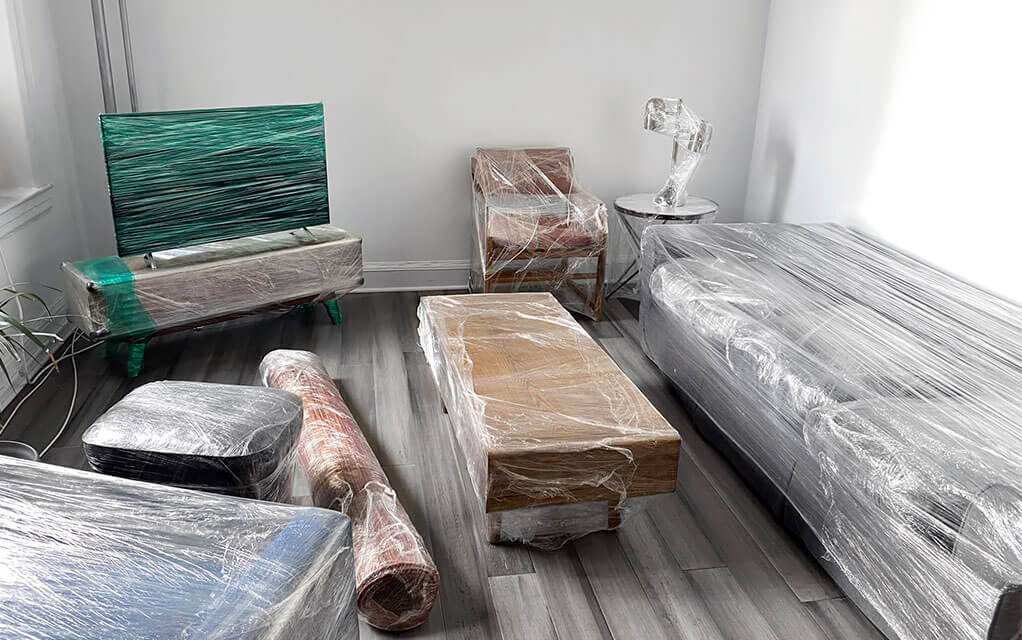
Also, stock up on packing tape to seal boxes securely and wrap protective materials around your furniture. Packing paper is useful for wrapping breakables or filling empty spaces in boxes to prevent shifting during the move. Plastic stretch wrap can bundle loose parts together or add an extra layer of protection against moisture or dust.
For heavy items like sofas and mattresses, consider using plastic covers and mattress bags, which help shield them from dirt and damage. Corner protectors are also valuable for safeguarding the edges of tables, mirrors, or frames during transportation.

Labeling supplies—such as permanent markers and pre-printed labels—help identify contents and handling instructions, making unpacking easier once you arrive at your new place. Moving straps or dollies can help you lift and move bulky furniture safely.
Online retailers such as Amazon or big-box stores such as Lowes or Walmart can be good places to get new packing supplies in bulk. If you are looking for free or discounted supplies, check local grocery or other big-box stores for free boxes you can use. You can also check local neighborhood groups on Facebook or Nextdoor to see if recent movers near you have surplus supplies or items they no longer need and are offering for free or at a big discount.
By preparing these supplies ahead of time, you reduce the risk of accidents or damage and make your move smoother and more organized.
Beginner's Guide to Economical Furniture Moving
Moving doesn’t have to cost a lot. With some planning and wise choices, you can move your furniture without spending too much.
This straightforward guide has a step-by-step plan for moving your furniture in a budget-friendly way. It includes helpful tips and ways to save money. By following these steps, you can handle the moving process with confidence and stay within your budget.
Essential Equipment and Resources for a Budget-Friendly Move
Having the right tools and resources is very important for an affordable move. By buying or renting key items, you can keep your furniture safe and reduce damage during the move. Here are some essential items:
- Moving blankets: These soft covers protect fragile surfaces. They help stop scratches and dents.
- Furniture dollies: These wheeled platforms make moving heavy items easier. They reduce strain and the chance of injury.
- Packing tape and straps: Use these to hold moving blankets tightly. They stop items from shifting during transport.
- Rental companies: Check local rental companies for items you can use to move your stuff, like moving dollies, furniture and appliance straps, and more. This can be a less costly way to get the equipment you need to move your furniture without buying it and never using it again.
If you have the budget, consider hiring professional packers for your delicate or valuable items. These folks have all of the tools necessary to move your stuff, meaning you don’t have to spend extra money on items you might not ever use again or rent. Zippy Shell is happy to suggest trusted third-party professional labor vendors to help make your move simpler today!
Step 1: Selecting the Most Cost-Effective Transport Method
The best and cheapest way to move your furniture depends on some things. These include how far you need to go, your budget, and how much stuff you have. It helps to explore different moving company options and choose what best fits your needs and stuff. You can compare full-service movers to do-it-yourself (DIY) methods. If you have a large load to move long distance, freight shipping might be a good choice, but it can be very costly.
Portable storage containers are a terrific middle ground: you can pack at your pace, order as many as you need, and have them delivered directly to you. Plus, you can leave all of the driving to the company, so all you have to do is pack on your timeline. You can also hire professional labor to help load your packed belongings and furniture into your container if you need it. It is often the best of both worlds, without the hassles or exorbitant costs.

Before you decide, consider delivery times, insurance costs, and any extra fees that might be added. Ask your mover about these things, and remember that any legitimate moving and storage company should be happy to discuss them with you!
Step 2: Gathering Necessary Packing Supplies
Everyone needs packing and moving supplies when moving, and proper packing helps protect your furniture. Gather moving blankets, bubble wrap, packing paper, and packing tape - these items will keep your furniture safe. Use durable boxes, packing peanuts, and foam padding for smaller items. Check different places for moving supplies to find the best prices.
If you are on a tight budget and cannot afford the extra expense of additional moving supplies, you can also use everyday household items to help secure your furniture during your move. Use old blankets, towels, clothing, or bedding to serve as padding to keep your furniture from getting damaged. You can also look on social media groups to see if anyone has recently moved to your area or is looking to get rid of free moving supplies they have had for a while. You can typically get these items for a small fee or for free.
Step 3: Efficiently Packing Your Furniture for Safe Transport
Shipping furniture for a move successfully requires careful preparation and packing to ensure your items arrive safely and in good condition. The best way to begin is by disassembling large furniture pieces, such as beds, tables, or shelving units, whenever possible. This makes them easier to handle and reduces the risk of breakage or damage during transit. Keep all hardware—like screws, bolts, and brackets—in labeled plastic bags so you can easily reassemble everything at your destination.
Next, wrap each piece thoroughly with protective padding, such as bubble wrap, moving blankets, or foam sheets. Secure the padding with packing tape to prevent it from slipping off during transport. For fragile wood furniture or items with sharp corners, use cardboard or plastic corner protectors to guard against scratches and dents.
When packing smaller parts—such as shelves or detachable legs—keep them together in a clearly marked box. Label all boxes and wrapped furniture pieces with both their contents and the room they belong to in your new home; for example: “Dining Room – Table Legs.” This organization will make unloading and unpacking much faster and more efficient.
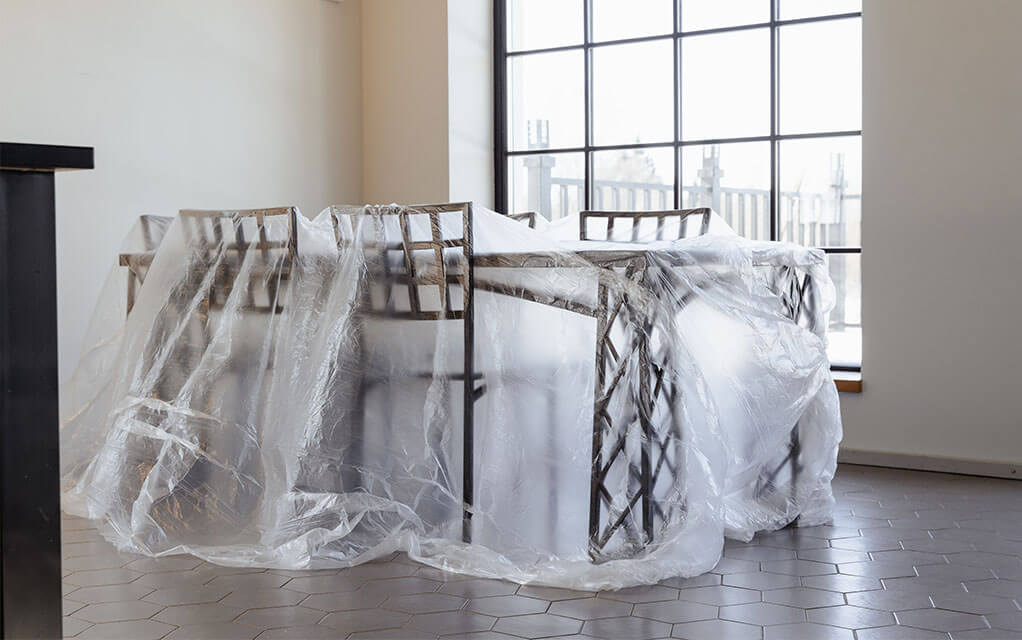
When packing your container, always place heavier pieces on the floor and never on top of smaller or more fragile pieces. Keep the load balanced to prevent shifting during transport. It’s also wise to check if your mover offers insurance coverage for valuable or antique furniture.
These steps not only protect your furniture from potential damage but also streamline unpacking once you reach your new home. By paying close attention to packing techniques and labeling, you’ll help ensure that every piece arrives safely and is easy to set up again.
Step 4: Loading Furniture with Care to Avoid Damage
Loading furniture properly is crucial to prevent accidental damage and keep you safe during the move. Heavy or oddly shaped items, such as large sofas, solid wood dressers, or bulky pieces of furniture like cabinets, require special care and planning. We highly recommend getting additional help to move furniture, as it speeds up the task and reduces injury and breakage risk by letting you share the weight and move awkward pieces more easily.
Use proper lifting techniques every time you handle heavy furniture. Bend your knees and keep your back straight—this classic advice helps avoid muscle strain or back injuries. When picking up substantial items like solid wood tables or bookshelves, always lift from the bottom and make sure each person has a firm grip. Distribute the weight evenly among all helpers to maintain balance and control during loading.
Once inside the portable storage container, secure your furniture. Use strong straps, ropes, or bungee cords to secure each piece. This prevents shifting, sliding, or tipping over during transit—which can cause scratches, dents, or even breakage.
Zippy Shell’s portable storage containers offer several advantages for moving furniture safely. Their ground-level loading design eliminates the need for ramps or heavy lifting into elevated spaces. Additionally, tie-down points spaced every four inches throughout the container let you strap items in place, no matter their size or shape, even in tight spaces.

To further protect your furniture during transport:
- Wrap delicate surfaces with blankets or padding
- Cover sharp corners to prevent snags
- Place lighter items on top of heavier ones
- Avoid stacking too high to reduce falling risks
These precautions help ensure your furniture arrives in excellent condition and make your move smoother and safer overall.
Step 5: Coordinating Transportation and Delivery Timelines
Once your furniture is packed and you’re ready to move, a solid transportation plan is crucial for a smooth relocation. Always confirm key dates with your vendors, such as when your moving solution will arrive or be ready for use and, if using a service, when your professional labor crew can be expected at your home. Ask your moving company for a comprehensive written estimate that breaks down all transportation costs, including any additional services such as packing, loading, unloading, and insurance coverage. This document will help protect you from unexpected expenses and clarify exactly what the movers are responsible for.
If you’re opting for a portable storage unit or container service, coordinate with the company at least a week before your move date. Confirm pickup and drop-off times, access requirements at both locations, and any restrictions on what you can load into the unit. It’s also wise to double-check delivery windows and payment terms.
Moving day often comes with surprises—traffic jams, weather delays, or last-minute changes—so it’s essential to build flexibility into your schedule. Allow extra time in your moving plan so that unforeseen circumstances don’t derail your entire day. Choosing a reputable moving company known for flexibility and strong customer service can make these hiccups much easier to manage.
Also, prepare an essentials bag with items you’ll need immediately upon arrival at your new home (such as toiletries, chargers, important documents, medications, and a change of clothes). This will save you from searching through boxes or unnecessarily moving furniture to hunt for boxes with these items after a long day of moving.
By staying in close communication with your chosen movers or storage providers and planning ahead for potential obstacles, you’ll set yourself up for a less stressful—and more successful—move.
Cost-Saving Tips for Furniture Transport
Moving furniture costs money, but you can save without risking safety or efficiency. Cost-effective options such as a portable storage container or enlisting friends can significantly reduce expenses and lower the total cost of your move. Additionally, planning your move during off-peak times and comparing prices from various service providers can save you more while keeping the move running smoothly.
Leveraging Off-Season Moving Dates for Better Rates
Moving during the off-season is one of the most effective ways to lower your relocation expenses and find the lowest rates. The summer months—from late May through early September—are considered peak moving season. This is when families take advantage of school breaks, college students move in and out of dorms, and generally, more homes are bought and sold. As a result, moving companies experience higher demand, which translates to increased prices for their services.
If you have flexibility with your moving dates, scheduling your move between October and March can save you significantly. During these months, moving companies often have greater availability and may offer discounts or promotional rates to attract customers. In addition to cost savings on the actual move, you might also find that rental trucks, storage units, and even housing are more affordable due to decreased demand.
Another money-saving tip is to plan your move on a weekday instead of a weekend. Most people prefer moving over the weekend so they don’t have to take time off work or disrupt their children’s school schedules. As a result, weekends book up quickly and typically cost more. By moving Monday through Thursday, you can often secure better pricing and more flexible scheduling options.
Booking your move as far in advance as possible—especially during off-peak seasons—also increases your chances of getting the date and services you want at the best price. Early reservations give you leverage when negotiating rates or requesting additional perks like free packing materials or discounted insurance coverage.
Overall, being strategic about timing—not just the season but also the day of the week—can make a noticeable difference in both cost and convenience when planning your next move.
Call on Friends and Family for Assistance
When planning a move, relying on friends and family is not only budget-friendly but also creates a collaborative atmosphere that can ease the stress of relocating. In addition to saving money on professional moving services, having loved ones assist allows you to delegate tasks according to each person's abilities—some might be better at packing fragile items, while others have the muscle for lifting heavy furniture.
To ensure everything runs smoothly, communicate your expectations clearly and organize the move in advance. Create checklists or assign specific rooms or items to each helper so everyone knows their responsibilities. Providing refreshments, snacks, or even a meal as thanks goes a long way in showing appreciation; it can also help maintain energy levels throughout the day.
It’s helpful to schedule the move during weekends or holidays when most people are available. Afterward, consider hosting a small get-together as a token of gratitude and to celebrate the accomplishment. Additionally, make sure you have all necessary supplies ready—such as boxes, tape, markers, and protective materials—to minimize downtime. Also take time to follow proper safety precautions by briefing helpers on proper lifting techniques, keeping pathways clear to prevent accidents, and having the right equipment in place to make the process easier and safer.
Use Zippy Shell to Move Your Furniture and Stuff Today
If you want to move furniture, choosing the right company that offers both unbeatable solutions and a fair price can help you save time, money, and stress. Planning ahead and staying organized are key to a smooth, affordable furniture move.
Zippy Shell is the right choice for your moving needs. Whether you are moving local, long-distance, or just need to store your furniture short- or long-term, we've got you covered. With 90+ secure warehouse locations across the continental U.S., we can service your moving and storage needs where you are, on your schedule. No other portable moving and storage company can match our quality solutions, flexibility, or price.
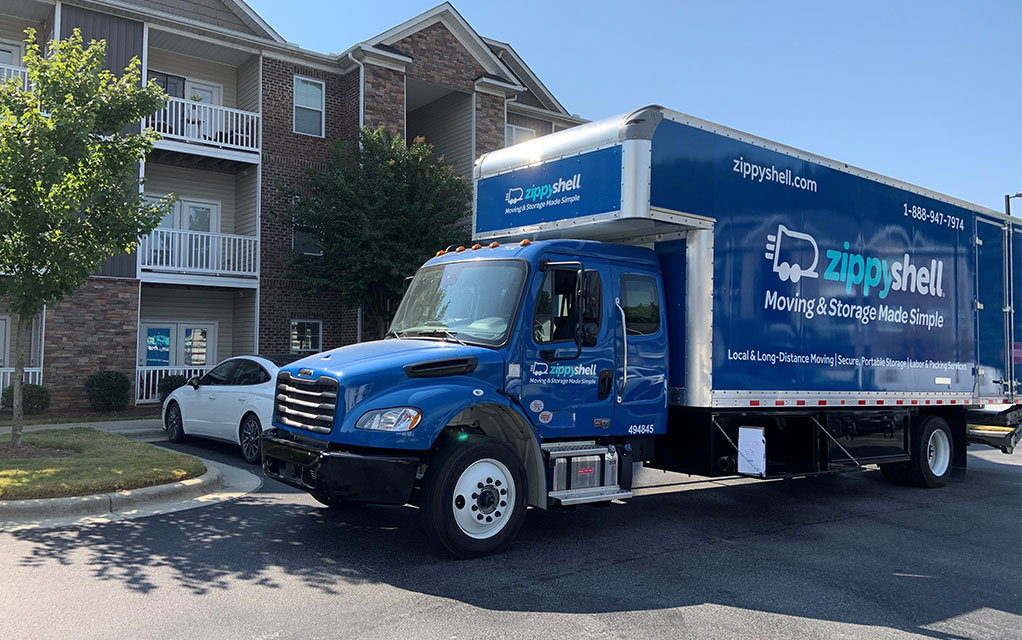
Call us or go online for a free quote, see how moving and storage work with Zippy Shell, and make your moving and storage needs simple today!
Frequently Asked Questions for Moving Furniture
Can I transport furniture by myself using a portable container?
Using a portable moving and storage container is an increasingly popular choice for both residential and commercial moves. These containers offer flexibility and convenience, making them ideal for people relocating to a new home or businesses transporting equipment and assets to another location. One of the main advantages is their dual functionality—they serve as both moving containers and temporary or long-term storage units, whether on-site at your current property or off-site at a secure facility.
Unlike traditional moving trucks, which often require you to load, unload, and drive multiple times, portable containers simplify the process. You pack your belongings into the container at your own pace, and once you’re done, the moving company handles all transportation logistics. This means you only pack and unpack once, reducing stress and minimizing the risk of damage from repeated handling.
Portable containers are also weather-resistant and secure, protecting your belongings from environmental factors during transit or storage. Many companies offer flexible delivery and pick-up scheduling, so you can coordinate your move around your timeline rather than rushing to meet a rigid schedule. For larger moves or those involving heavy items like furniture, companies such as Zippy Shell offer third-party professional labor help that is uniquely equipped to move heavy furniture and other belongings.
Using portable moving containers streamlines the relocation process by combining transportation with convenient storage options if needed, giving you greater control over your move while reducing hassle.
How do I protect my furniture during transport?
Taking extra care with your packing materials is very important. Use blankets, bubble wrap, and padding. If you want to keep your furniture safe, consider hiring professional packers for more peace of mind, as these labor companies have the necessary tools to move your stuff safely and securely. Make sure you have all the supplies you need to secure your items once they are loaded into your moving solution.
How far in advance should I plan my furniture move?
Planning ahead is crucial when preparing for a move, as it helps ensure everything goes smoothly. If you have a specific moving date in mind, start requesting quotes from moving companies at least one month before your planned departure. This early preparation gives you time to compare prices, services, and availability, helping you make an informed decision.
For moves scheduled during peak months—typically April through July—it’s even more important to start earlier. During this busy season, movers and storage facilities often fill up quickly due to high demand. To increase your chances of securing your preferred date and avoid last-minute hassles, aim to get quotes at least six weeks in advance. This way, you’ll have access to the best options and can lock in your reservation before slots are taken.
In addition to booking a moving company early, don’t forget other planning tasks, such as organizing your belongings, arranging utility transfers or disconnections, and setting aside essential items for easy access on moving day. By starting these tasks well ahead of time, you’ll reduce stress and avoid unexpected challenges. Overall, early planning gives you more flexibility and control over your move—especially during periods when movers are in high demand.
Do I have to buy expensive packing materials to protect my furniture in transit?
You don't need to spend money on costly packing materials to protect your furniture. Rather, you can use household items such as towels, blankets, or even bubble wrap you already own. These common items provide effective cushioning during a move and help you avoid unnecessary packing expenses.
Are moving containers cheaper than full-service movers?
Moving containers are usually more affordable for transporting furniture than hiring full-service movers because they let you pack and load yourself, which can reduce labor costs . However, since total costs vary by container size, distance, and rental length, compare quotes to budget accurately.
- Moving Tips (133)
- Home Organization (60)
- Fun Stuff (54)
- Home Maintenance Tips (49)
- Packing Tips (38)
- Storage Tips (35)
- Home Buying and Selling Tips (24)
- News Releases (24)
- Home Renovation Tips (16)
- Moving on a Budget (11)
- Portable Storage (11)
- Moving and Storage Tips (2)
- Household Moving (1)
- In the Community (1)
- Moving Company Comparisons (1)