Tips for Meeting New Neighbors After Moving In
March 20, 2026
Key Highlights for Meeting Your New Neighbors
- A warm smile and a simple "hello" are a great way to start building relationships with new people in your neighborhood.
- Spending time outdoors in your new community, such as in your front yard or at local parks, increases your chances of meeting neighbors.
- Getting involved in local events and community groups is an effective strategy for connecting with others.
- Offering a helping hand or asking for local recommendations can break the ice and build rapport.
- Hosting a casual housewarming party can be a fun way to introduce yourself to everyone at once in your new home.
- Building relationships with neighbors helps create a sense of community and makes your new house feel like home.
So you have successfully moved into your new home and are trying to settle in. Now begins the work of getting to know the folks who live around you, leaving you wondering how to connect with these new people you can call your neighbors. Meeting your neighbors is a crucial step in making your house feel like a home, but it can be daunting, especially if you are not an extrovert! Our guide offers simple, effective tips to help you build connections, navigate initial interactions, and foster a sense of belonging in your new neighborhood, even if you aren't the outgoing type!
Understanding the Importance of Meeting New Neighbors
Getting to know the people who live around you is more than just a friendly gesture; it's about weaving yourself into the fabric of your new community. These connections are the foundation for a supportive and pleasant living environment.
Building relationships with your neighbors fosters a powerful sense of belonging. Knowing you have friendly faces nearby can transform an unfamiliar neighborhood into a place you are proud to call home. Let's explore why these connections matter and the benefits they bring.
Why Building Connections Matters After Moving In
Establishing connections in your new community is essential for feeling settled and secure. When you know your neighbors, your new surroundings feel less intimidating and more like home. A familiar face or a friendly wave can make a significant difference in your daily life, helping you to settle in quickly after moving.
Building relationships with neighbors can lead to new friends and a strong support system. These connections provide a sense of security, knowing there’s someone nearby if you ever need help. It also makes it easier to address any potential issues that may arise, from a misdelivered package to a request for a cup of sugar.
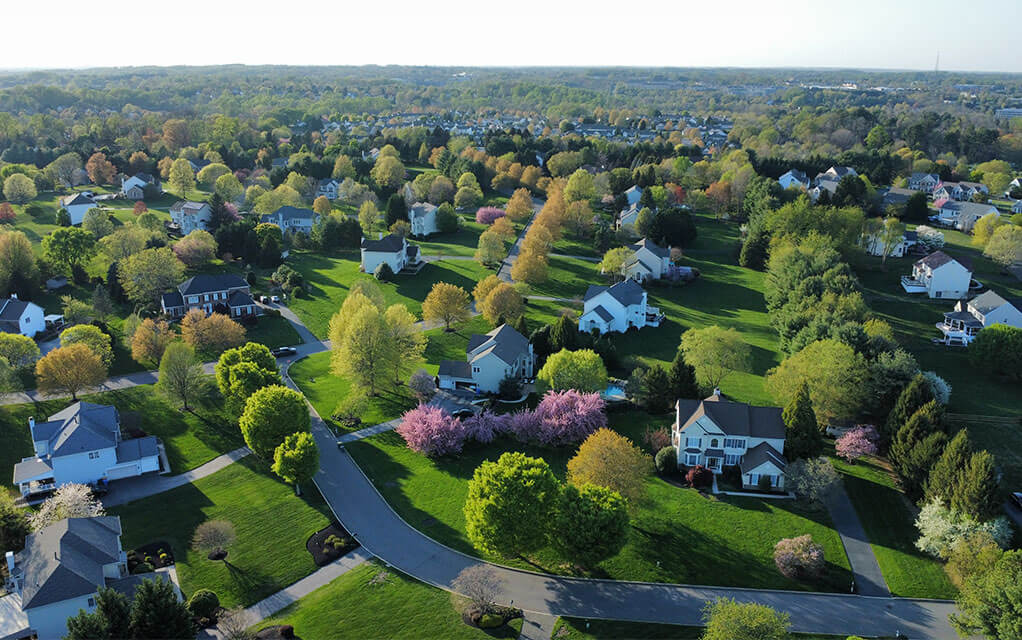
Stepping out of your comfort zone to introduce yourself is the first move toward creating this network. These initial interactions pave the way for lasting friendships and a genuine sense of belonging, making your transition into a new place much smoother and more enjoyable.
Benefits of Getting to Know Neighbors in Your New Community
Taking the time to get to know the people in your neighborhood offers numerous advantages that enhance your new home life. Beyond creating a friendlier atmosphere, it opens doors to new experiences and a stronger connection to your community. You might discover shared hobbies or find new friends for your kids.
Some of the key benefits include:
- A stronger sense of community: Feeling like you are part of a collective group.
- Increased safety and security: Neighbors looking out for one another and their properties.
- Access to local knowledge: Getting the inside scoop on the best restaurants, parks, and services.
- Opportunities for new friendships: Connecting with people who share similar interests.
Building a good rapport with neighbors makes everyday life more pleasant. You'll have people to chat with during your walks, and you might get invited to local events you wouldn't have known about otherwise. These simple activities help you connect with people and feel more integrated into the neighborhood.
How to Navigate Awkward Moments and Missteps Gracefully
Meeting new people, especially in a new neighborhood or community, can indeed trigger feelings of awkwardness or anxiety - especially if being outgoing and extroverted isn't a big part of your personality. However, it's important to remember that these initial interactions often set the tone for future relationships and help create a sense of belonging. One effective strategy is to start with small talk—simple topics like the weather, local events, or even compliments about their garden or pet can serve as natural conversation openers.
Another helpful approach is to look for opportunities to engage in shared activities. Attending neighborhood gatherings, volunteering for community projects, or simply offering to help carry groceries can provide organic ways to connect without the pressure of a formal introduction. These shared experiences naturally foster familiarity and make conversations flow more easily over time.
If you find yourself forgetting names or feeling unsure of what to say next, don’t be afraid to admit it with a smile—most people appreciate honesty and will likely relate to your situation. You might say something like, “I’m sorry—I’m still learning everyone’s names,” which not only shows humility but also invites others to reintroduce themselves.
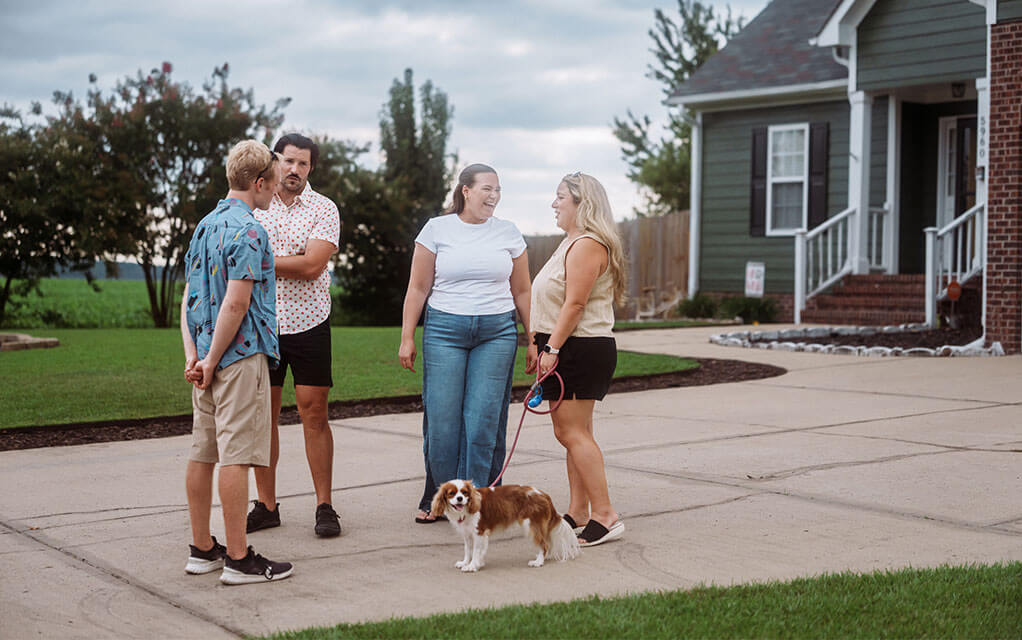
It’s also valuable to recognize nonverbal cues. A friendly wave as you pass by or maintaining open body language signals approachability and encourages neighbors to initiate contact as well. If you’re shy or introverted, remember that small gestures—such as baking cookies for a neighbor or leaving a kind note—can be just as meaningful as long conversations.
Over time, repeated positive interactions will help ease any lingering awkwardness and build trust within your new environment. The most important thing is consistency: regular greetings and genuine interest in your neighbors’ well-being go a long way toward building lasting connections. Ultimately, patience with yourself and others will allow these new relationships to develop at their own pace, turning an unfamiliar place into a true home.
Beginner’s Guide: How to Meet New Neighbors After Moving
Once you've moved into your new home, taking the first step to meet your neighbors can seem daunting. However, it's easier than you think to break the ice and start building connections. It's all about being open, friendly, and willing to step just a little outside your comfort zone.
This guide provides practical steps to help you introduce yourself and make a positive impression. Remember, there is no shame in learning to handle new interactions like these, as it isn't easy for everyone. From simple greetings to more creative ideas, you'll find strategies to connect with the new people in your new area.
What You Need to Get Started: Essentials for a Friendly Introduction
Right after moving into your new home, a few simple things can help you make a great first impression. Having a positive attitude is the most important essential. People are naturally drawn to warmth and friendliness, so approaching introductions with a genuine smile is a great way to start.
Being prepared for a brief, friendly conversation can also make introductions smoother. Think of a few open-ended questions to ask, such as inquiring about their favorite local spots or how long they've lived in the new place. This shows you're interested in them and the community. Even a quick chat while you're unpacking can lay the groundwork for a good relationship.
Here are a few essentials for a friendly introduction:
- A warm smile: It's universally welcoming and breaks down barriers.
- A simple greeting: A confident "hello" is all it takes to start a conversation.
- An open-minded attitude: Be receptive to meeting people of different kinds.
- Your name: Don't forget to introduce yourself clearly, especially if you have a unique or hard-to-pronounce name.
How to Break the Ice and Why First Impressions Matter
Making a good first impression is crucial because it sets the tone for your future interactions. A positive initial encounter makes neighbors more likely to be friendly and open with you down the road. The easiest way to break the ice is with a simple, genuine smile and a "hello" whenever you see someone.
When you have a moment for a chat, show you're interested in getting to know them. Ask questions about the neighborhood, like where the best local coffee shop is or if there’s a good park nearby. This is a great way to initiate a conversation that goes beyond a simple greeting and helps build rapport immediately.

Remember to be approachable. Even when you're busy with your move, taking a moment to greet a neighbor shows that you're friendly. These small efforts build a foundation of goodwill and can make a big difference in how you're perceived in the neighborhood.
Creative Ways to Introduce Yourself
If you want to go beyond a simple hello, there are many creative and easy ways to introduce yourself. Hosting a casual housewarming party is a classic for a reason. It’s a relaxed way to meet multiple neighbors at once and show them your new space. Just slip some simple invitations in their mailboxes for a weekend get-together, if you are comfortable doing that.
Consider these other friendly ways to meet your new neighbors:
- Bring small gifts: A small plant or some baked goods can be a lovely gesture.
- Join local groups: Participate in local events or join a club that interests you, like a book club or a group that meets at the local pub.
- Spend time in your front yard: Being visible and approachable makes it easier for neighbors to say hello.
- Leave a note: A simple, friendly note introducing yourself can be a low-pressure way to connect.
Another idea is to leverage your hobbies or interests. If you enjoy baking, you could bring a small batch of cookies to the houses next to you. If you have a dog, frequenting local parks is a natural way to strike up conversations with other pet owners. These small gestures can lead to new connections and potentially new friends.
Tips for Sustaining Neighborly Relationships
Once you've made the initial introductions, the key is to continue nurturing those connections. Building relationships takes time and consistent effort. A simple wave or a nod when you see your neighbors goes a long way in maintaining a friendly vibe. Regular, small interactions are more effective than infrequent grand gestures.
Try to find common interests you can build upon. If you both have kids, suggest a playdate at one of the local parks. If you discover a shared hobby, make plans to enjoy it together. Using shared amenities, like a community pool or gym, also provides regular opportunities to connect and chat.
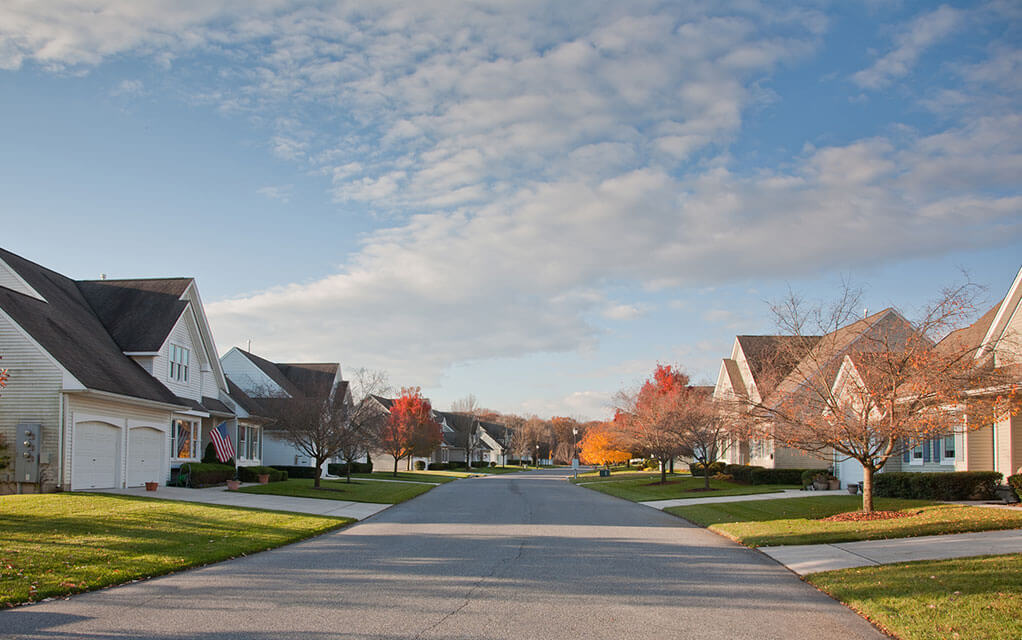
Here are some tips for a smooth transition and lasting relationships:
- Be consistent: Always greet your neighbors when you see them.
- Offer help: If you see a neighbor struggling with groceries or yard work, lend a hand.
- Remember names: Making an effort to remember names shows you care.
- Respect boundaries: Be friendly without being intrusive.
Step-by-Step Guide to Connecting with Neighbors
Now that you understand the importance of neighborly connections, let's walk through the exact steps you can take. This guide breaks down the process into simple, actionable tips to help you meet new people in your new area with confidence.
From your first greeting to joining local events, each step is a great way to build your social network. Follow this guide to make connecting with your neighbors a natural and enjoyable part of settling into your community.
1: Start With a Warm Greeting and Smile
The simplest and most effective way to meet new people is to offer a warm greeting and a genuine smile. This non-verbal cue is universally understood as friendly and approachable. When you see a neighbor, whether you're getting your mail or taking out the trash, make eye contact and smile.
Follow up your smile with a simple "hello" or "good morning." You don't need to launch into a full, friendly conversation immediately. The goal of this first step is to establish a baseline of friendliness and build a positive rapport. It lets your neighbors know you are open to interaction.
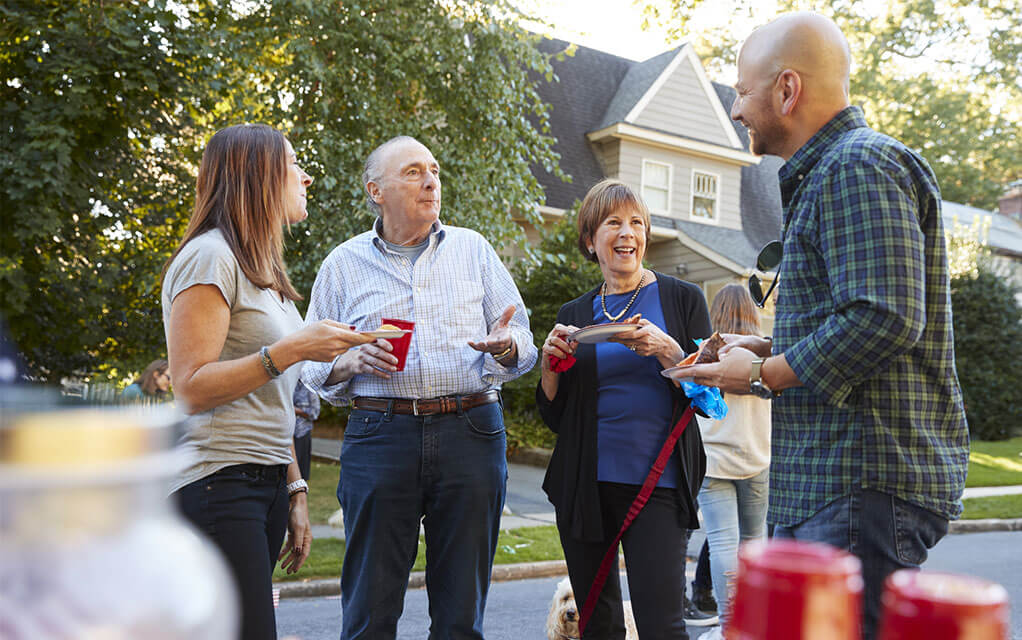
This simple act is a major "do" when meeting neighbors. It costs nothing but can make a huge difference in how you are perceived. Consistently offering a warm greeting will make future conversations feel more natural and less forced, paving the way for stronger connections.
2: Engage in Casual Conversations Outdoors
A great step to take right after moving in is to spend more time outside your home. You're much more likely to meet neighbors when you're visible and accessible. Whether you're doing some work in your front garden, washing your car, or simply sitting on your porch, being outdoors creates natural opportunities for a chat.
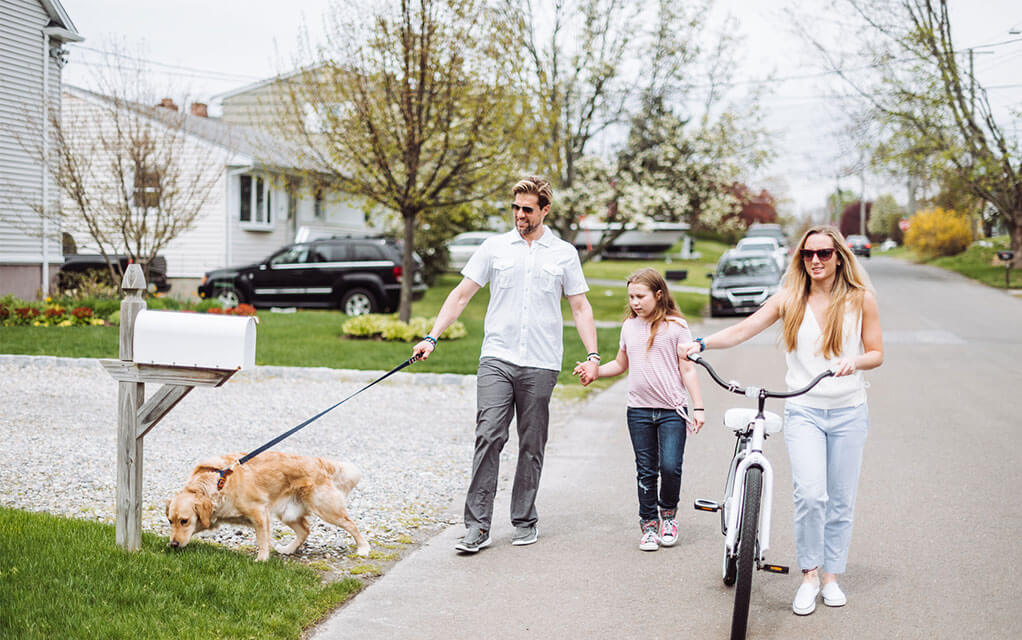
When a neighbor walks by, use it as a chance to start a casual conversation. You can comment on the weather, compliment their dog, or ask a question about the neighborhood. These brief, low-pressure interactions are the building blocks of neighborly relationships and can even lead to new friends.
Making a habit of taking a daily stroll through the neighborhood or visiting local parks also increases your chances of meeting people. The more you put yourself out there, the more opportunities you'll have to connect with those who live around you.
3: Participate in Local Activities and Events
Getting involved is one of the most active ways to explore your new neighborhood and meet people. Look for local events, clubs, or volunteer opportunities that align with your interests. This is an excellent way to connect with others in your new community who share similar interests.
Whether it's a neighborhood block party, a community meeting, or a local festival, attending these gatherings shows you're invested in the area. You could also join a fitness class, a book club, or a sports league. These activities provide a structured and fun environment for making new connections.
Check out these suggestions for getting involved:
- Community events: Neighborhood block parties, farmers' markets, holiday festivals
- Hobby groups: Book clubs, gardening societies, local hiking groups
- Fitness activities: Joining a local gym, taking a yoga or fitness class, or participating in community/rec sports leagues
- Volunteer work: Local charities, community clean-up days, animal shelters
This is not an all-inclusive list - there are many ways you can get more integrated into your new neighborhood and community!
4: Offer Help or Ask for Local Recommendations
One thing to avoid when meeting new neighbors is asking for too many favors right away. However, offering help is a wonderful way to build goodwill. If you see a neighbor carrying heavy groceries or struggling with yard work, lending a hand can make a memorable and positive impression. These unprompted acts of kindness show you are a considerate and supportive member of the community.
On the other hand, asking for local recommendations is a great way to start a conversation. People usually enjoy sharing their knowledge. Asking for advice on the best local grocery store, a reliable mechanic, or hidden amenities in the new area shows you value their opinion and are trying to settle into your new home.
Here are a few ideas:
- Offer to help: "I see you're moving that heavy box, can I give you a hand?"
- Ask for food recommendations: "We're new here, where's the best place to get pizza?"
- Inquire about services: "Do you know a good plumber in the area?"
- Seek tips for your relocation: "Any advice for someone new to the neighborhood?"
5. Utilizing Social Media to Connect with Neighbors
In today's digital age, the internet offers easy, low-pressure ways to connect with your neighbors. Many neighborhoods have dedicated social media groups or apps that can help you introduce yourself without the potential awkwardness of a face-to-face meeting. Look for a neighborhood Facebook group or a community forum on sites like Nextdoor.
These platforms are great for making new connections. You can post a brief introduction about yourself and your family, ask for recommendations, or learn about upcoming local events. It's a fantastic way to get a feel for the community's vibe and identify neighbors with similar interests before you even meet them in person.
Here’s how to use social media effectively:
- Join your neighborhood's Facebook group: Search for your neighborhood or town name on Facebook.
- Use community apps: Platforms like Nextdoor are designed specifically for neighborhood communication.
- Engage positively: Participate in discussions, answer questions if you can, and share helpful information.
Steer clear of the drama, though that inevitably happens in these groups, and try to offer yourself as a positive addition to the group to make the most of it!
Let Zippy Shell Help You Make the Move to Your New Neighborhood
Meeting your new neighbors can be a daunting but rewarding experience that helps you feel more at home in your new community. By taking the initiative to introduce yourself, engaging in casual conversations, and participating in local events, you can build meaningful connections that enhance your social environment.
If you are looking for local or long-distance moving services to help you reach a new neighborhood easily and on your schedule, then give Zippy Shell a look! Our portable moving and storage solutions make any move or storage situation simple. Here is how it works: we deliver the portable moving and storage solution to your home. You can then take as long as you need to pack it, or have professional labor help load your stuff into your portable container. When done, we will deliver it to your new home, or you can store it for the short- or long-term in one of our 94+ nationwide storage facilities until you need it back. No driving, no rushing, no hassles - it is that simple!
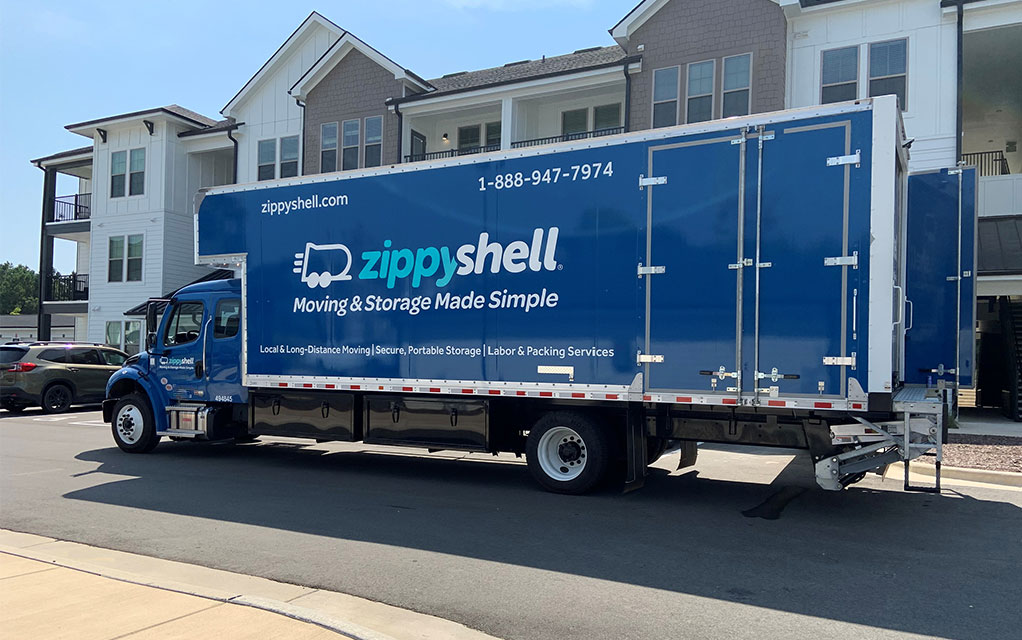
Give us a call or go online for a free quote to get the process started, and see why thousands of other people moving and storing their stuff have chosen Zippy Shell's portable moving and storage services for their needs, today!
Frequently Asked Questions About Meeting the Neighbors
What are the do's and don’ts for meeting new neighbors?
When you move into a new home, making a positive first impression with your neighbors can go a long way in establishing lasting relationships. Start by being approachable—greet your neighbors with a friendly smile and introduce yourself soon after settling in. Even a brief, casual conversation can help break the ice. You might mention where you moved from or share something simple about yourself, keeping the tone light and open.
At the same time, it’s important to respect others’ privacy and boundaries. Avoid prying into personal matters, asking for too many favors right away, or engaging in neighborhood gossip. People appreciate sincerity and consideration; showing genuine interest without being intrusive helps set the foundation for mutual trust.
You could also consider small gestures like waving hello when you see your neighbors, offering to help carry groceries if you notice someone struggling, or attending neighborhood events if any are held. Participating in community activities is an excellent way to become familiar with local customs and get to know people naturally.
Remember that building good neighborly relations takes time. Be patient and consistent in your efforts to be courteous and respectful. Over time, these small actions will help create a welcoming environment where both you and your neighbors feel comfortable and connected.
How can I make my new home feel comfortable and familiar quickly?
To make your new home feel familiar, start by unpacking your favorite items first—such as family photos, cozy blankets, or cherished keepsakes—to immediately infuse your space with comfort and personality. Creating a small area that reflects your style, like arranging your bookshelf or setting up your coffee corner, can help establish a sense of belonging right away.
Once you’ve settled in a bit, take the time to explore your new neighborhood. Walk around to find local amenities like grocery stores, cafes, parks, or fitness centers. This not only helps you get oriented but also introduces you to the area's rhythms and culture.
Getting to know your neighbors is another important step. A simple wave or friendly conversation can go a long way toward building connections and making you feel welcome. Asking for local recommendations—whether it’s the best pizza place or a reliable dry cleaner—not only helps you discover hidden gems but also breaks the ice with those around you.
Joining community groups or attending neighborhood events can further expand your social circle and help you settle in faster. Over time, these actions will transform unfamiliar surroundings into a place that truly feels like home.
Are there easy ways to introduce myself without feeling awkward?
Making new friends in a new place doesn't have to be complicated. Beyond offering a genuine smile and wave, there are several easy ways to connect with others in your community. Joining local online groups or social media pages is a great way to introduce yourself and stay informed about neighborhood events and activities. Attending community gatherings, such as farmers' markets, block parties, or local fairs, can also provide opportunities to meet people in a relaxed setting.
Volunteering for local projects or charities is another effective way to build connections while giving back. If you have kids or pets, visiting nearby parks or playgrounds can lead to casual conversations with other parents or pet owners. Don’t hesitate to ask neighbors for recommendations on restaurants, services, or things to do—most people appreciate being helpful, and it’s an easy conversation starter.
Remember, building friendships takes time. Consistency matters—try frequenting the same coffee shop or library so you become a familiar face. Above all, be approachable and open-minded; small gestures like holding the door open or offering assistance often go a long way toward creating lasting bonds in your new community.
What simple activities help me connect with people in my neighborhood?
Participating in local events, taking a fitness class, or joining volunteer opportunities are great ways to meet people. Spending time in common areas, walking your dog, or visiting the local brewery can also lead to natural conversations and connections with others who share your interests.
How can I make a good first impression on my new neighbors?
Being approachable and friendly is fundamental to making meaningful connections with others. A sincere smile and a warm greeting can immediately put people at ease, signaling that you are open and welcoming. When meeting someone for the first time, introducing yourself confidently and engaging in active listening—making eye contact, nodding in understanding, and asking follow-up questions—demonstrates that you truly care about what they have to say.
Showing genuine interest in others by asking about their hobbies, experiences, or opinions helps foster trust and makes conversations feel more personal. Remembering small details from previous interactions and mentioning them later can further strengthen the relationship.
Additionally, maintaining positive body language—such as keeping an open posture, facing the person you're speaking with, and avoiding crossed arms—can make you seem more accessible. Responding with empathy when someone shares something important creates a safe environment for open communication.
Remember that being authentic is key. People are drawn to those who are genuine and comfortable in their own skin. By consistently displaying kindness and respect toward everyone you meet, you’ll naturally attract positive interactions and build lasting relationships.
- Moving Tips (132)
- Home Organization (60)
- Fun Stuff (54)
- Home Maintenance Tips (48)
- Packing Tips (36)
- Storage Tips (35)
- Home Buying and Selling Tips (24)
- News Releases (24)
- Home Renovation Tips (16)
- Moving on a Budget (11)
- Portable Storage (11)
- Moving and Storage Tips (2)
- Household Moving (1)
- In the Community (1)
- Moving Company Comparisons (1)