Master Your Apartment-to-Apartment Move with Ease
November 26, 2024
Updated on May 5, 2026
Key Highlights for Moving From One Apartment to Another
- While exciting, moving from one apartment to another can feel overwhelming if you don’t use the right moving company to help.
- With a solid plan, you can tackle the entire process more easily.
- From decluttering your old place to setting up utilities in your new one, a moving checklist will keep you on track.
- Learn clever packing hacks to safeguard your belongings and make unpacking a breeze.
- Remember to handle important tasks like updating your address and arranging for renters' insurance.
Moving into a new apartment is an exciting new chapter. However, the moving process can feel overwhelming. A good moving checklist will help you stay organized, and a good moving company will make the move easier. This guide will give you helpful tips for planning and settling into your new apartment while showing how Zippy Shell is the right moving and storage company to make your big day as stress-free as possible.
Pre-Move Planning and Organization
A successful apartment move needs careful planning and organization. Spending time on this at the beginning can make things easier and less stressful later. Start by making a clear timeline - setting a date for finding a new apartment, when to switch utilities, booking your moving partner, etc. Try to begin your prep at least six to eight weeks before you plan to move out to avoid rushing at the last minute.
Consider whether you will hire professional labor or get help from friends and family to pack and load your stuff. Planning early also gives you time to find and gather all the necessary packing supplies and moving boxes.
Creating a Comprehensive Moving Checklist
A moving checklist is your guide for the moving process. It helps you remember each vital task. Begin by writing out the big steps you need to take. This includes telling your landlord you're moving, researching moving companies, and creating a budget for the move.
Then, divide each big task into smaller, clearer actions. For example, under "Telling Landlord," you might want to check your rental agreement and lease to see how much notice you need to give. You could also write a formal notice letter. Make sure to write down important deadlines to keep yourself on track. You may also need to give notice to get your security deposit back if you had to pay one, so be sure to do this as soon as you have a new place lined up.

Look at your checklist often and update it as you go through the moving tasks. When you finish something, mark it off. This little check can help you see how far you've come and keep you motivated.
You can download this handy checklist from Zippy Shell’s sister company, 1-800-PACK-RAT, to get started on your move the right way.
Setting a Realistic Moving Budget
Moving costs can add up fast. That's why it is essential to create a clear moving budget to avoid overspending. Include costs for hiring professional labor assistance, buying packing supplies, and using a portable moving container from Zippy Shell.
Get quotes from different moving companies to compare their prices and services. This will help you find the best value. Also, check the average moving costs in your city. This information can help you determine a fair price. It's a good idea to add some extra money to your budget for unexpected costs that might come up during your move.
If your budget is tight, think about how to save money. You could gather free moving boxes from local grocery stores. You could also ask friends for help and offer them pizza in return. A good moving budget helps keep your money in order and gives you peace of mind during the move.
Zippy Shell will do what it can to fit your budget, and we know our containers' flexibility and convenience are unparalleled compared to what you’ll pay elsewhere for similar or lesser services. Our containers even double as storage, allowing you to keep your stuff safe for as long as you need in one of our 90+ national warehouse locations. Call us today or get a free quote to see how we can make your move simpler.
Early Preparations for a Smooth Transition
Moving to a new home is more than just a physical move. You need to prepare to make things easier. One good step is to sort and declutter your belongings. This helps you have fewer items to move and gives you a chance to start fresh in your new space.
Now is also the time to gather your packing supplies, like boxes, packing tape, and bubble wrap. This way, you will have what you need when it’s time to pack. It helps you avoid a rush and pack at your own speed, especially if using a portable moving unit.
Sorting and Decluttering: What to Keep and What to Let Go
Moving gives you a great chance to clean up and get rid of things you no longer need. By starting early, you can pack and unpack less, saving you time and effort. Go through each room in your old place. Make three piles: keep, donate, and discard.
As you check your belongings, consider whether you have used each item in the last year, if it means something special to you, or if you have extras. Be honest. If you haven't used something for a year and it’s not very important, it’s probably a good idea to let it go.

Donating or selling what you don't want helps you tidy up and also helps others. You can have a garage sale, sell items online, or give gently used things to local charities.
Acquiring Packing Supplies and Equipment
Before you start packing, it's crucial to get the right supplies. This helps keep your belongings safe during the move. In addition to standard boxes in different sizes, you should buy quality packing tape, bubble wrap, and packing paper to protect fragile items. Don’t skimp on the quality of your supplies - few things can be worse for movers, for instance, than cheap packing tape that won’t cut or stick well. Don’t forget to use permanent markers for clear labeling or get colored stickers to have a color-coded system for your boxes and where they go.
To save storage space, consider using vacuum-sealed bags for oversized items like bedding, blankets, and out-of-season clothes. Having enough supplies from the beginning makes packing easier. It keeps things running smoothly and lets you pack at a good pace.
Having a few extra boxes and supplies is always a good idea. This way, you won’t run into issues with items that cannot be packed correctly. If you have what you need ready to go, it will make packing much less stressful.
Effective Packing Strategies
Once you have your supplies, it is time to use effective packing techniques to make things easier before your move. Start by creating a packing plan for each room. Work on one area at a time. This way, you will not feel stressed.
When you pack each box, think about how heavy things are. Put heavier items at the bottom. This will help make a strong base and keep lighter, more fragile items safe on top.
Systematic Room-by-Room Packing Guide
A step-by-step packing plan for each room helps keep things organized. It also makes sure you do not lose anything while moving. Start with rooms you use less often, like a guest room or a storage area. This is also a great time to pack items you won’t need immediately, like seasonal clothes or books.
- Kitchen: Take apart small kitchen appliances and pack the pieces safely. Use dish towels or clothing to protect fragile glassware and dishes, and have a heavy-duty box ready to transport them. Clearly label boxes that hold perishable pantry items so you can unpack them quickly at your new home.
- Bedrooms: Put clothes in suitcases or wardrobe boxes to keep them neat. Use bedding or towels to protect fragile picture frames or mirrors. Keep a separate bag for essential toiletries and medications; consider using trash bags to easily organize items you won't need immediately.
- Bathrooms: Pack toiletries and cleaning supplies in clearly labeled boxes. You can also use small, clear plastic bags to stop leaks while moving your toiletries.
Another pro tip is to pack a “go bag” for you and anyone else moving with you. This bag should contain a fresh set of clothes, essential toiletries, prescriptions, and anything else you might need for your first night in your new home. Be sure to pack this bag last so you can unpack it first, or keep it with you during the move.
Labeling Boxes for Efficiency and Ease
Proper labeling is very important for quick, easy unpacking in your new space. Inventory what is inside rather than just writing "Kitchen" on your boxes. For example, write "Kitchen – Pots and Pans" or "Living Room – Bookshelves." Be as thorough as possible without going overboard.
You can also use different colored markers or labels for each room. This will help movers find where boxes go on moving day. It also makes it easier to see which boxes to open first for essentials when unpacking. When you load your moving container, ensure that boxes containing key items for your first night, like bedding, toiletries, and basic kitchen supplies, are easy to reach and packed last.
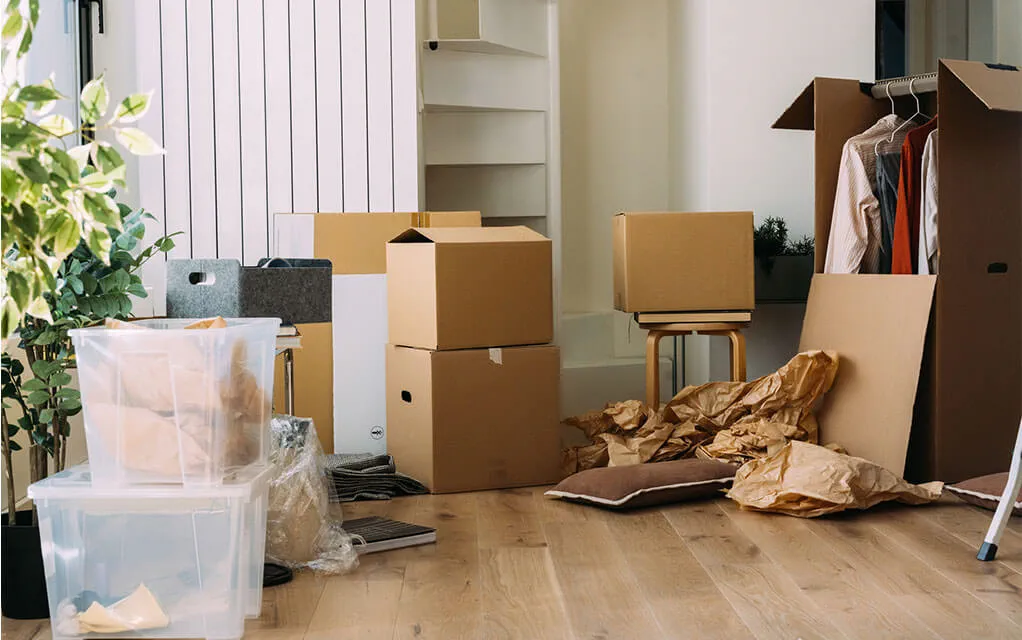
Good labeling saves you time and effort. It also helps you avoid the hassle of digging through many boxes for something you need right away.
Navigating the Move-Out Process
As you get ready to leave your current apartment, think about how to make the move-out process go smoothly. Begin by cleaning your apartment well. Don’t forget to check places you might usually miss, like inside cabinets and appliances.
Also, take a look at your lease to see any cleaning rules or possible fees for damage beyond normal wear and tear. Many landlords will expect you to do basic repairs of walls or even paint. If so, plan to get everything you need to patch holes, paint, etc., before your moving day.
Cleaning and Repair Tips for Getting Your Deposit Back
Clean your apartment as much and as thoroughly as possible before you move out - if you need more incentive to do so, your security deposit refund may be contingent upon the terms of your lease. Fix any damage, such as holes in the walls or chipped paint. Filling in nail holes and repainting a bit can make the walls look nice. Clean appliances, floors, and windows deeply so everything looks great. Paying attention to these details will impress your landlord and increase your chances of getting that deposit refund.
Final Walk-Through Checklist to Avoid Missed Items
A final walk-through checklist serves as your last line of defense against leaving anything behind in your current apartment. This checklist acts as a reminder to double-check every nook and cranny to ensure everything is in good condition before you turn in your keys.
- Kitchen - Double-check that the refrigerator/freezer is empty and fully dried out before packing. Also, check that the oven and stovetop are clean and that all cabinets and drawers are clean and wiped down to ensure your apartment is ready for the final walkthrough.
- Bathrooms - Remove all toiletries, check behind mirrors, clean the showerhead, and ensure no towels are left behind.
- Bedrooms - Check under beds and inside closets, and remove all belongings from drawers.
- Living Areas - Ensure no items remain behind furniture, clear out the fireplace if applicable, and inspect the balcony or patio.
Conducting a final walk-through with your landlord present is a good practice to ensure you're both in agreement about the apartment's condition upon your departure.
Settling Into Your New Apartment
Congratulations on your new apartment! Now, it's time to unpack and settle in. This can feel as hard as moving, but don't worry, you've got this! Start by unpacking the most important items. This will help your new place feel more like home.
You do not need to unpack everything right away. Take breaks if you need them and ease into your new space. Unpacking can take days or even weeks. The goal is to create a comfy, useful space at your pace.
Unpacking and Organizing Your New Space
Unpacking can feel more manageable if you have a plan. Start by taking out boxes with your essential items. These include your bedding, toiletries, a shower curtain, basic kitchen tools, and some clothes. By setting up your bedroom and bathroom first, you make a cozy space while you unpack everything else.

As you go through each box, use this time to organize your stuff. This helps keep things tidy and makes it easier to find items later. Use drawer organizers, shelves, and storage bins to keep everything in order and save space. Don’t forget to check with your property manager about any restrictions or guidelines. Make it your own by hanging art, showing photos, or placing your favorite decorations. These little touches can turn your new apartment into a warm and inviting home.
Essential First-Week Tasks in Your New Apartment
Once settled, focus on important tasks to help you move into your new apartment. Start by reaching out to your new landlord or building manager. Introduce yourself and ask about building rules, trash disposal, or parking rules.
Contact utility companies to turn on your electricity and gas, and check on water and trash services. Having these services ready on day 1 will make things much easier. Contact your new or current ISP to set up internet connectivity at your apartment, as well as any other services you want, such as cable, satellite, or streaming. Many of these companies can help schedule these things in advance, so you experience as few interruptions as possible.
Finally, get some basic groceries and supplies for your home. Having daily essentials means you won’t have to rush out for everything immediately. Taking care of these tasks in your first week will help ensure a smooth, easy experience in your new apartment.
Use Zippy Shell to Make Your Apartment Move Effortless
Moving from one apartment to another can feel overwhelming. However, with good planning and organization, the move can go smoothly.
When you choose Zippy Shell as your moving partner, you will get a company whose moving solution is tailor-made for those in urban and apartment-style homes. Here is how moving works with Zippy Shell: We deliver a portable moving container to your apartment on your preferred date. You then get up to three days to pack it at your own pace - no trying to do everything all in one day, as other companies force you to do. When done, we will pick up the container and deliver it to your new home or place it in short- or long-term storage for as long as you need it. Pack and unpack your stuff only once, no matter your circumstances - it is that simple.
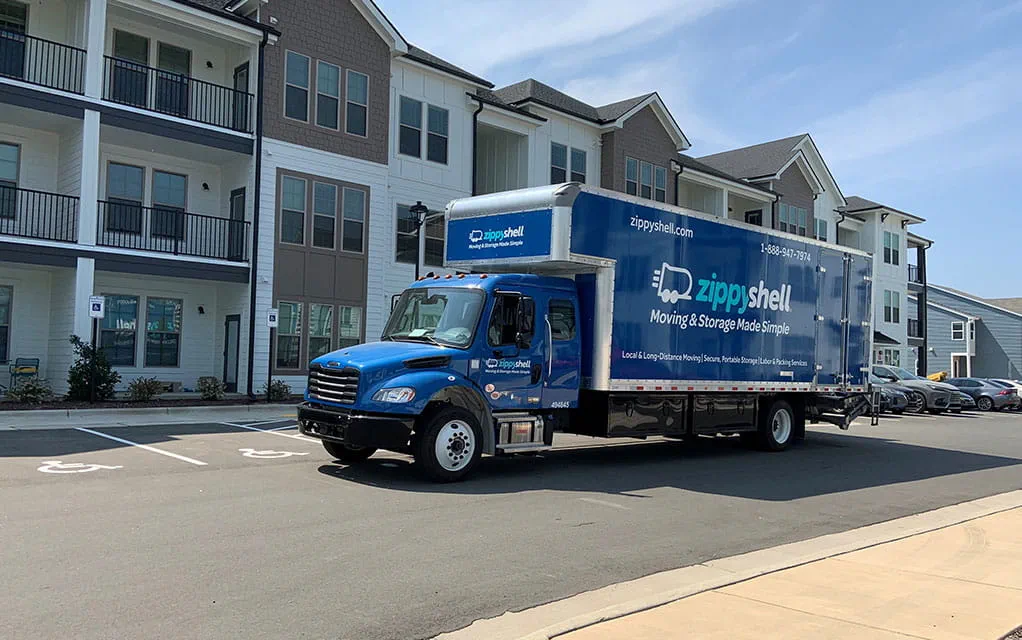
While moving trucks sound like a better option, you will need to get it, drive it back to your apartment, park it in an accessible spot, load it all up, drive it back, and unload it all in one day to avoid overages and fees from piling up. With Zippy Shell, we bring the moving unit to your home, place it in a standard parking spot you can access 24/7, and pack and load entirely at your own pace. No rushing or beating the clock is necessary - we give you the extra time you need to make your apartment move on your schedule.
Call us today or go online for a free quote to help us make your upcoming moving and storage needs as simple as possible.
Frequently Asked Questions About Apartment Moving
What are the first steps in planning an apartment move?
Start by making a moving plan and finding your new apartment as soon as possible so you can set your preferred moving date. Then, create a detailed checklist. Set a budget you can stick to, and consider whether you want to hire professional labor to assist with your pack. Lastly, find a moving partner who will move on your schedule and terms and provide the most flexible solution possible for your specific needs.
How can I effectively pack and organize my belongings for a move?
Packing for a move can feel overwhelming, but with a strategic approach, you can make the whole process much smoother and more efficient. Regardless of whether you’re relocating from a small studio apartment or a large four-bedroom house, the fundamentals remain consistent: start early, create an inventory checklist, and stay organized.
Begin by decluttering your home before you even start packing. Go through each room and decide which items you want to keep, donate, sell, or discard. This not only reduces the number of things you have to pack but also makes unpacking in your new place much easier. Depending on the quality of the items you are decluttering, you could sell them on Facebook Marketplace or Craigslist, donate them to a local charity such as Goodwill or The Salvation Army, or just throw them away if no one else can derive any value from them.
When it comes to packing, focus on one room at a time and pack the stuff you don't need or aren't using right now. This prevents mixing items from different rooms into the same box, simplifies the unpacking process later, and lets you get the low-hanging fruit of seasonal items packed away early. For fragile items like dishes, glasses, or collectibles, use plenty of packing paper, paper towels, or bubble wrap to minimize the risk of damage during transit. Fill any empty spaces in the boxes with crumpled paper or soft items, such as towels, to prevent shifting.
Labeling each box clearly is crucial. Write down what’s inside and indicate which room it belongs to—this will help movers know exactly where to place each box in your new home. You might also consider using a color-coded system: assign a different color sticker or tape for every room so boxes are easy to identify at a glance.
How should I update my address and transfer utilities when moving between apartments?
Make sure to add address updates to your moving checklist. Before you leave, notify all service providers and utility companies. Do this as required by your current lease agreement. Update the USPS with your forwarding address and change your address with them to avoid future issues; you can also go to your local post office to complete this task as well. Contact any important businesses you work with, such as banks and credit card companies, and update your address with them. This can help you avoid identity theft by ensuring your mail is sent to the correct address.
What is the best way to move apartments within the same building or complex?
In addition to categorizing and packing your belongings, moving within the same building or complex offers unique advantages that can streamline the process. Since you won’t need to transport items far, you can often move room by room at a comfortable pace rather than all at once. This allows for a more flexible schedule and reduces the pressure of getting everything done in one day, especially if you need any special permits for your move.
Consider enlisting the help of friends, neighbors, or building staff if permitted—many apartment complexes have hand trucks, dollies, or even service elevators available for resident use during moves. Be sure to reserve these resources in advance if required by your property management.
As moving day approaches, prioritize packing an “essentials box” with items you’ll need immediately upon settling into your new unit. These might include toiletries, a change of clothes, important documents, chargers, basic kitchenware, and any medications. Keeping these accessible will make your first night in the new apartment much more comfortable without having to dig through multiple boxes.
When moving fragile items or electronics, even if the move is short-distance, wrap them carefully with bubble wrap or towels to prevent accidental damage during transport. For furniture and larger pieces, measure doorways and hallways in both units beforehand to avoid unexpected difficulties on moving day.
Finally, take this opportunity to declutter. Sort out anything you haven’t used in a while, such as old kitchen gadgets, duplicate utensils, outgrown clothing, and donate or recycle them before your move. Not only will this lighten your load, but it will also help keep your new space organized from the start.
How can I move from one apartment to another if there is a gap between the leases?
If you find yourself facing a gap between leases, planning is key to a smooth transition. Start by securing temporary storage for your belongings, which is where Zippy Shell can make everything easier.
Whether your gap lease is short-term for a month or longer-term for several months, our portable storage containers are perfect because they double as moving and storage containers. It works the same way as moving does: we bring you a container you can pack at your own pace, giving you enough time to do everything on your terms. When done, you can either keep it at your location or have us store it in one of our secure, nationwide facilities until you need it again. Moving and storage are made simple when you work with Zippy Shell!
When is the best time to move to a new apartment?
The best time for an apartment-to-apartment move is typically during the spring and summer months. These seasons offer favorable weather conditions, increased availability of rental units, and potentially lower moving costs. Additionally, many leases end in the summer, making it a popular time for relocations. Plan accordingly!
- Moving Tips (133)
- Home Organization (60)
- Fun Stuff (54)
- Home Maintenance Tips (49)
- Packing Tips (38)
- Storage Tips (35)
- Home Buying and Selling Tips (24)
- News Releases (24)
- Home Renovation Tips (16)
- Moving on a Budget (11)
- Portable Storage (11)
- Moving and Storage Tips (2)
- Household Moving (1)
- In the Community (1)
- Moving Company Comparisons (1)