Home Inspection Preparation: Tips for Home Sellers
September 25, 2025
Key Highlights of Home Inspection Preparation
Here are the key takeaways to help you prepare for your home inspection:
- A smooth inspection process can lead to a faster sale and a better price.
- Decluttering and deep cleaning make it easier for the home inspector to work.
- Addressing minor repairs beforehand can prevent them from appearing on the home inspection report.
- Focus on key areas like the roof, plumbing, electrical, and HVAC systems.
- Gathering documents for recent repairs shows you’ve maintained the home well.
- A professional home inspection checklist helps identify potential issues before the inspector arrives.
Selling your home is an exciting journey, but the home inspection can often feel like a major hurdle. You've likely followed your real estate agent's advice to get your house ready, but what about hidden issues? A home inspection is designed to give potential buyers a clear picture of the property's condition. Understanding what to expect and how to prepare can prevent delays and make the entire process smoother, ensuring you get a favorable home inspection report and keep your sale on track.
Why Home Inspections Matter for Sellers
A home inspection is a critical step in the home sale process. It provides an unbiased evaluation of your home’s condition, giving buyers confidence in their purchase. When you list your home in good condition, you demonstrate that you've taken care of the property. However, buyers are unlikely to take your word for it.
A successful professional home inspection can prevent last-minute negotiations or, worse, the buyer backing out due to issues found during the inspection. To get ready, sellers should focus on cleaning, making minor repairs, and ensuring all areas of the home are accessible to the inspector.
How a Smooth Inspection Can Benefit Your Sale
A smooth inspection offers significant advantages for the potential sale of your home. When a professional home inspector finds minimal issues, it builds trust with potential buyers. They are more likely to proceed with the purchase without asking for significant concessions or repairs, which helps you secure your asking price.
Preparing your home is the best way to ensure a positive outcome. By addressing minor problems beforehand, you reduce the number of items that will appear on the final inspection report. A clean and well-maintained home signals to the inspector and buyers that you have cared for the property, reflecting positively on the overall condition of the house.
Ultimately, a favorable report can speed up the closing process. Fewer issues mean less back-and-forth negotiation, allowing you to move forward with your sale confidently and quickly. This proactive approach helps avoid delays and ensures a more straightforward transaction for everyone involved. That is why it pays to have your home regularly maintained - it is one of, if not the most expensive, investments you will make in your life.
Common Home Inspection Outcomes to Expect
It's important to remember that no home is perfect, and even new construction can have defects. A home inspection is not a pass-or-fail test. The home inspection report will detail the inspector's findings, distinguishing between minor issues and significant defects.

Some of the most common potential problems found during the inspection process involve the major systems of a house. These often include an old roof with damaged shingles, poor attic ventilation, and improper drainage around the foundation.
Other frequently noted issues may relate to the electrical system, plumbing leaks, structural concerns, or evidence of pests, such as termites. Being aware of these common findings can help you manage your expectations and prepare for what the inspector might uncover. It will also help you determine what is worth conceding during closing negotiations and whether to address the issue yourself or stand firm, allowing the seller to address it if they buy.
Building Your Home Inspection Checklist
Creating your own checklist is a smart way to prepare for a comprehensive home inspection. It helps you see your home from an inspector's point of view and spot potential problems before they do. This proactive step can significantly reduce the number of issues that end up on the final inspection report.
A good professional home inspection checklist should cover everything from the roof to the foundation. By organizing your preparations, you can address issues systematically and ensure your home is in the best possible shape for inspection day. You can take a look at this checklist here to get a quick understanding of what will be looked at during a home inspection that you can proactively address prior to the seller requesting a home inspection themselves.
Essential Documents and Records to Gather
Having the necessary paperwork ready for the professional home inspection demonstrates transparency and good maintenance. Gathering these documents ahead of time can be helpful for both the inspector and the buyer, providing a clearer picture of your home’s condition and history.
Create a folder with receipts and warranties for any major repairs or upgrades you've made since owning the home, to provide a clear history of the home's maintenance. This includes work on the roof, HVAC, plumbing, or electrical system. If you have manuals for the furnace, water heater, or other major appliances, leave them in a visible spot or download them from the manufacturer.
Having this information on hand can answer questions before they are even asked, and it shows that you’ve been diligent in caring for your home. Key documents to collect include:
- Receipts for recent repairs or upgrades
- Any current warranties for appliances or major systems
- Manuals for the HVAC, water heater, and other appliances
- Records of septic tank servicing
- Information on the age of major components, like the roof
Areas Inspectors Will Focus On
Certified home inspectors are trained to conduct a thorough visual inspection of a property, paying special attention to specific areas of the home. Their primary focus is on the safety, structure, and functionality of the home's major systems. Understanding these key areas can help you prepare more effectively.
Inspectors will carefully examine structural elements for any signs of settling or instability. They also test major systems, such as plumbing and electrical, to ensure they are safe and functioning correctly. They will look for signs of water damage, which can indicate leaks or drainage problems.
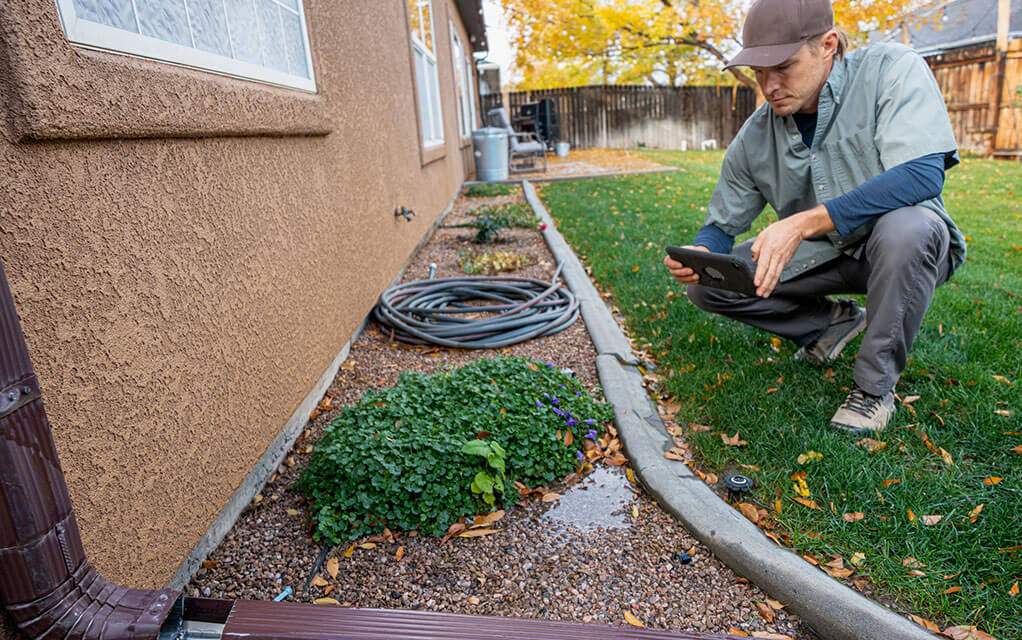
The goal is to provide an unbiased report on the home's condition. Being aware of these focus areas allows you to double-check them before the inspector arrives. Below is a list of the areas a home inspector will examine and what they are looking for in each specific item.
- Structure - Cracks in the foundation, signs of settling, damaged walls, or floors.
- Roof - Missing or damaged shingles, poor flashing, and signs of leaks.
- Electrical System - Outdated wiring, faulty electrical outlets, and an orderly service panel.
- Plumbing - Leaks under sinks, slow drains, and the condition of the water heater.
- HVAC System - Proper heating and cooling operation, clean filters, and system age.
Printable Checklist to Organize Preparations
Using a home inspection checklist can help you stay organized and ensure you don’t miss anything important during your preparations. Think of it as your guide to getting your home ready for the formal inspection process. A checklist helps you confirm everything is in good working order.
By following a professional home inspection checklist, you can systematically review your property to identify potential issues that the inspector will also examine. Start with the exterior, checking the roof, gutters, and foundation. Then, move inside to inspect plumbing, electrical systems, and appliances. This methodical approach makes the task less overwhelming.
This simple list will help you cover the basics and prepare your home to make a great impression.
- Test all smoke and carbon monoxide detectors.
- Replace any burned-out light bulbs.
- Check for and repair any leaky faucets or running toilets.
- Ensure all doors and windows open and close properly.
- Clean or replace HVAC filters.
- Make sure all appliances are functioning correctly.
You can download an online checklist to help you determine what you or a professional should look at before the arrival of a home inspector.
Getting Your Home’s Exterior Ready
The exterior of your home is the first thing an inspector sees, so improving its curb appeal is a great place to start. A well-maintained exterior gives a strong first impression. Before the inspection, walk around your property and look for any obvious signs of damage.
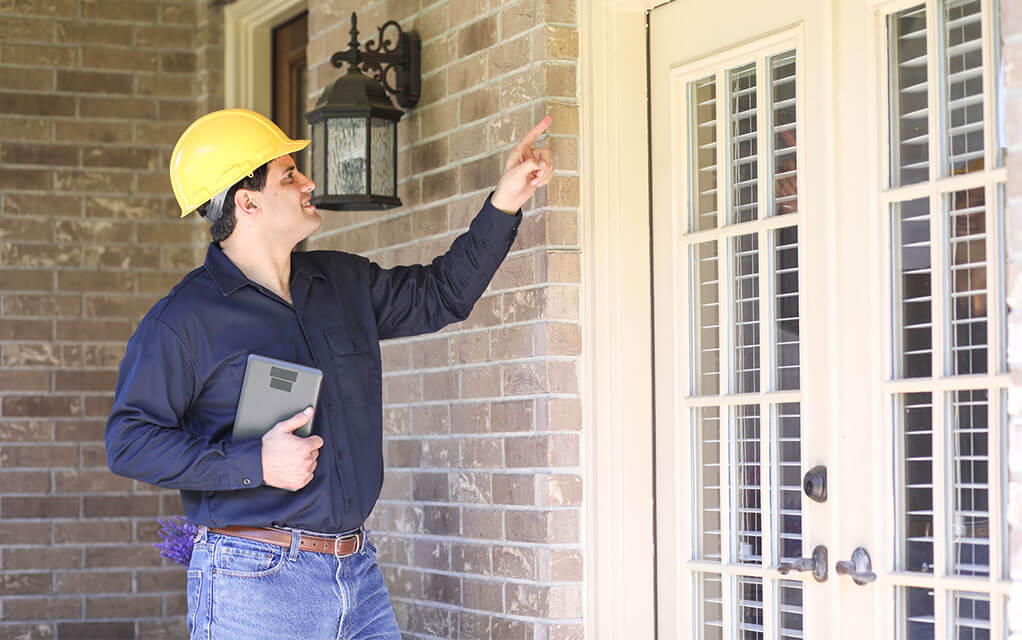
Check the roof, gutters, and exterior walls for any issues. Look for signs of standing water, which may indicate drainage issues, especially within five feet of your foundation. Taking the time to prepare the outside of your home shows that you care about its condition.
Curb Appeal and Landscaping Tips
Improving your home's curb appeal is about more than just impressing potential buyers; it also helps the inspection go smoothly. Overgrown landscaping can hide parts of the foundation or exterior walls, preventing the inspector from getting a clear view.
Start by tidying up your yard. Trim any bushes or tree branches that are touching the house, especially near the roof and foundation. This not only looks better but also prevents potential signs of damage from pests or moisture. You don't need a green thumb to keep your yard tidy and presentable.
A little effort in your landscaping can make a big difference. Here are a few simple tips to follow:
- Mow the lawn and clear away any fallen leaves or debris.
- Trim overgrown shrubs and trees away from the house.
- Weed flower beds and add fresh mulch for a clean look.
- Ensure downspouts direct water away from the foundation.
While this may not be a significant benefit for the home inspector, maintaining a yard will make it easier for them to evaluate the home's exterior and will substantially increase your home's curb appeal.
Roof, Gutters, and Siding Maintenance
The roof, gutters, and siding are crucial elements that protect your home from the elements, and inspectors pay close attention to them. During their visual inspection, they will look for any signs of wear and tear. Taking care of maintenance in these areas is a key part of preparing for the inspection process.
Start by checking your roof for any missing or damaged shingles and replace them if needed. Clean out your gutters and downspouts to ensure they are free of debris and there's no standing water. This simple step can prevent water-related issues that are often red flags for inspectors.
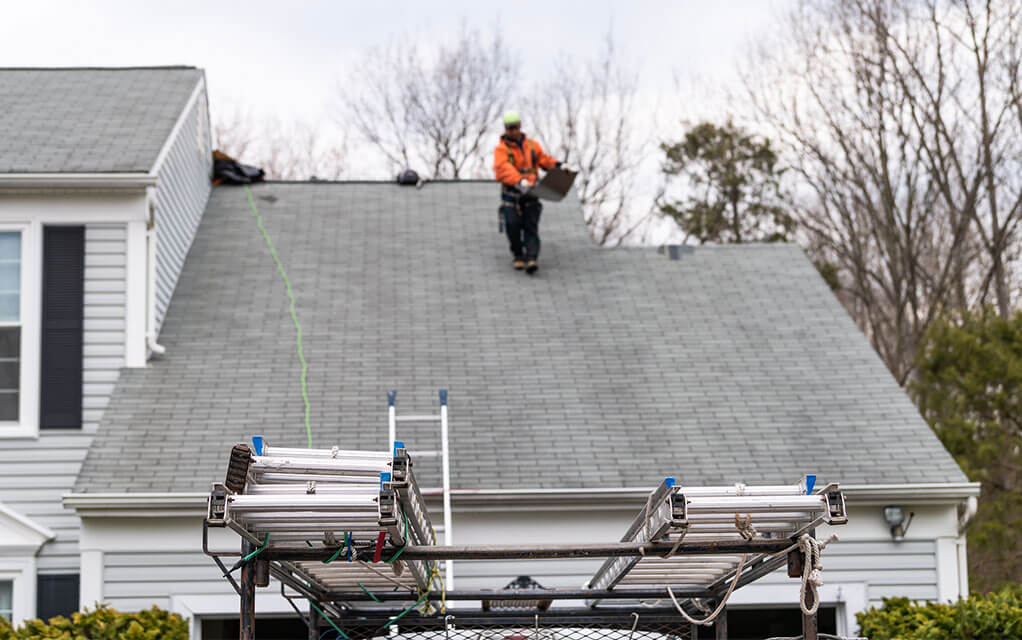
Your siding also contributes to the overall impression of your home. Check for any cracked, loose, or warped panels and make the necessary repairs.
- Look for and replace any curled or missing roof shingles.
- Clean leaves and debris from all gutters and downspouts.
- Secure loose gutters to ensure they are properly attached.
- Check siding for any cracks, decay, or damage.
- Touch up any areas with peeling or blistered paint.
Driveway, Walkways, and Outdoor Features
Your driveway, walkways, and other outdoor features, such as decks and fences, are also part of the inspection. Ensuring these areas are in good condition contributes to a positive overall impression of your property. Walk around and look for any signs of damage or safety hazards.
Check your driveway and walkways for any significant cracks or uneven surfaces that could be a tripping hazard. If you have a deck or porch, test the railings to make sure they are secure. Look for any rotted wood on fences or decks, as this can be a red flag for inspectors.
Addressing these issues before the inspection shows that you have maintained the entire property, not just the house itself. A well-kept exterior suggests that the rest of the home has been cared for with the same attention to detail.
Preparing the Interior for Inspection
After you’ve handled the exterior, it's time to focus on preparing the inside of your home. The condition of the house interior is vital to the selling and inspection process, and a few simple steps can make the home inspection much smoother.
Start by addressing the minor repairs you may have been putting off. This includes tasks such as replacing burnt-out light bulbs and verifying that all electrical outlets function properly. Also, make sure the inspector has clear access to all areas of your home.
Declutter and Deep Clean Every Room
A clean and organized home gives the impression of a well-maintained property. Before the inspection, it's essential to declutter and deep clean every room. This not only makes your home more appealing to potential buyers but also makes the inspector's job easier. Decluttering allows for unobstructed access to walls, windows, and systems that need to be checked.
To make decluttering easier, consider using portable storage containers. You can pack up non-essential items and store them securely, and the best part is they will be delivered to your home, no driving or wasted time on your part as you prepare your home. Zippy Shell offers convenient storage solutions, both temporary and long-term, that you can keep in your driveway or safely store in one of our 80+ warehouse locations across the country if you need items out of the way for a while. This is an excellent solution whether you're planning a local move or a long-distance moving adventure after the sale.

A deep clean shows pride of ownership and suggests the home is in good condition. Pay special attention to the kitchen and bathroom.
- Remove clutter from countertops, tables, and floors.
- Clean carpets, mop floors, and dust all surfaces.
- Wipe down walls and baseboards.
- Ensure windows and mirrors are sparkling clean.
- Clean the inside of your microwave, oven, and dishwasher.
Organizing Basements, Attics, and Storage Spaces
Basements, attics, and other storage spaces are often overlooked, but they are critical areas for a home inspector. These spaces provide access to your home's foundation, plumbing, and electrical systems. An inspector needs to be able to move around freely to do a thorough job.
Before the inspection, organize these areas to ensure clear pathways. The inspector will need to access the furnace, water heater, and electrical panel. They will also be looking for any signs of water damage, pest infestations, or structural issues. A cluttered basement or attic can prevent a thorough inspection and result in a failing grade for your home.
If you have a lot of items, using an on-site storage solution can be a lifesaver. Moving boxes and furniture out of the way and into a portable storage container ensures the inspector can see everything they need to without you having to drive everything back and forth from an off-site storage area. This simple step helps show your home is in good condition and that you have nothing to hide.
Repairs and Maintenance Before Inspection
One of the best things sellers can do to prepare for an inspection is to address repairs and maintenance ahead of time. Addressing minor issues before the inspector arrives can prevent them from being listed on the inspection report, which can alarm potential buyers.
Focus on the small fixes that are easy to overlook in day-to-day life. While you may not need to tackle major system renovations, fixing the little things shows that the condition of the house has been a priority for you.
Handling Small Cosmetic Fixes
You may be accustomed to a sticky door or a loose cabinet handle, but these minor issues can create a negative impression during an inspection. Taking the time to handle minor repairs shows that your home is well-maintained and can prevent a long list of potential issues from appearing on the report.
Walk through your home and make a list of all the minor cosmetic fixes that need attention. These are often quick and inexpensive to address, but can make a big difference in how potential buyers and the inspector perceive your home. Ensuring everything is in good working order is a simple way to prepare.
These small tasks can add up to a much better inspection outcome.
- Tighten loose hinges and handles on cabinets and doors.
- Fix any doors or windows that don't open and close smoothly.
- Replace cracked switch plates or outlet covers.
- Patch and paint over small holes or scuffs on the walls.
- Update old caulk around sinks and tubs.
Addressing Plumbing and Electrical Issues
The plumbing and electrical systems are two of the most critical areas in a home inspection. Potential problems in these systems can be major red flags for buyers and often lead to a sale falling through at the last moment. Before the inspection process begins, it’s wise to check for common issues and address them.
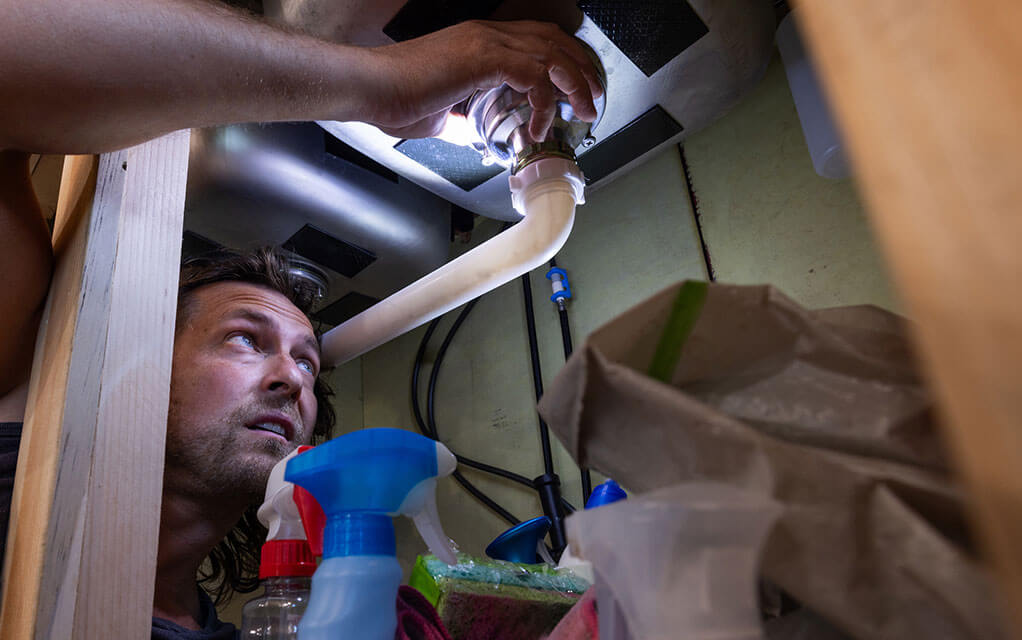
For the plumbing system, look for any signs of leaks under sinks or around toilets. Fix any dripping faucets and ensure all drains flow smoothly. A running toilet is an easy fix that you can handle yourself. For the electrical system, make sure your fuse box is clearly labeled. Test electrical outlets to ensure they are working.
Ensuring your home's systems are functioning correctly can prevent significant issues from appearing on the report. Fixing these problems ahead of time shows that you’ve taken proactive steps to maintain your home.
If you are concerned about any plumbing or electrical issue, no matter how small, consider calling in a trusted professional to conduct a thorough inspection of your home to identify any additional problems and address them before the home inspection.
HVAC Filter Changes and System Checks
Your HVAC system is another key item on any professional home inspection checklist. An inspector will test both the heating and air conditioning to ensure they are functioning correctly. A simple way to demonstrate that you've maintained the system is to replace the air filters or provide proof of a maintenance contract with an HVAC service provider.
A clean filter not only improves air quality but also signals to the inspector that you've been keeping up with regular maintenance. Also, ensure the pilot light on your furnace or gas fireplace is lit, so the inspector can test it if you have one for heating purposes. Ensure that plants and vegetation don't surround your outdoor unit and that it is easily accessible for the inspector to take a look at.
Don't forget to test your carbon monoxide detectors and replace the batteries if needed. These small steps are easy to complete and help ensure your heating and air conditioning systems pass the inspection with flying colors. If you have any problems with your HVAC system, it is best to have them checked out and addressed immediately, especially if you are trying to sell during the peak of summer, when it is the hottest.
What Happens During and After the Home Inspection
On the day of the inspection, the home inspector will conduct a thorough visual assessment of your property. The inspection process typically takes two to four hours, depending on the size of your home. Make plans for you and your family to be elsewhere during this time to give the inspector space to work.
A few days later, the buyer will receive a detailed home inspection report. If problems are found, the buyer may negotiate for repairs, ask for a credit, or, in severe cases, walk away. Your real estate agent will help guide you through these negotiations.
Typical Inspection Timeline
Understanding the timeline for a professional home inspection can help you know what to expect. The on-site inspection process itself usually lasts between two and four hours. For larger or older homes, it may take longer for the home inspector to thoroughly examine every component.
During this time, the inspector will walk through the property, taking notes and photos of their findings. They will look at everything from the foundation to the roof, testing systems and checking for any visible defects. The buyer and their real estate agent are typically present for this part.

After the physical inspection is complete, the inspector will compile their observations into a detailed home inspection report. You can expect the buyer to receive this report within a few days. This document will serve as the basis for any subsequent negotiations.
Dealing With Problems Found During Inspection
It's common for an inspection report to list some potential problems, so don't panic. The key is to carefully review the report with your real estate agent to understand the severity of the issues and decide on the best next steps.
For major issues, you may need to get repair estimates from licensed contractors. This will help you negotiate more effectively with the buyer. You can decide whether to make the repairs yourself, offer a credit to the buyer, or adjust the selling price. Your agent can provide valuable advice based on the current market and the home's condition.
Your response will depend on the nature of the issues and your timeline for selling.
- Review the full inspection report with your agent.
- Prioritize safety-related issues and significant structural problems.
- Get estimates for any significant repairs.
- Decide whether to fix the issues or negotiate with the buyer.
Maintain open communication with your real estate agent and the buyer to keep the sale moving forward.
Let Zippy Shell Assist with Your Post-Home Inspection Moving Needs
Preparing for a home inspection can feel overwhelming, but it’s a crucial step in ensuring a successful sale. Once the home inspection is complete and the buyer makes the leap, you will need a moving and storage partner that will help you move on your terms, simply and effectively. That is where Zippy Shell's portable moving and storage containers come in.
Here is how it works: you schedule your preferred delivery date, and we will bring a moving and storage container directly to your location. You can then take up to three days to pack it at your own pace- no need to rush to complete everything in one day. When done, we will deliver your container to your new home for you to unpack over three days, or we can keep it in secure storage for as long as you need. It is that simple.

Let Zippy Shell make the moving part of your move simple today! Contact us by phone or online to receive a free quote and get started on the process.
Frequently Asked Questions About Home Inspections
Should I attend the home inspection?
It is generally recommended that you do not attend the home inspection. This allows the licensed home inspector to conduct their work freely without fear of bias or intimidation. Your real estate agent can represent you if any questions arise after the inspection is completed, ensuring a smooth and unbiased process.
What paperwork should I provide to the inspector?
You should gather any documents related to the condition of the house, such as receipts for significant repairs, appliance warranties, the age of major components (e.g., the water heater), the status of the septic tank, and HVAC system manuals. While not required, providing this information can help the home inspector and add context to the inspection report.
What if major problems are uncovered during the inspection?
If the home inspection report reveals major systems with structural issues, don't panic. Consult with your real estate agent to discuss your options. You may choose to make the repairs, negotiate the price, or offer a credit to the buyer to cover the costs.
What are the key areas a home inspector typically focuses on during an inspection?
A home inspector focuses on the critical parts of the home and its major systems. This includes the roof, foundation, electrical and plumbing systems, and HVAC. They also look for signs of water damage and drainage issues in your home's yard, as this can indicate more significant underlying problems that are crucial to the inspection process.
- Moving Tips (132)
- Home Organization (60)
- Fun Stuff (54)
- Home Maintenance Tips (48)
- Packing Tips (36)
- Storage Tips (35)
- Home Buying and Selling Tips (24)
- News Releases (24)
- Home Renovation Tips (16)
- Moving on a Budget (11)
- Portable Storage (11)
- Moving and Storage Tips (2)
- Household Moving (1)
- In the Community (1)
- Moving Company Comparisons (1)