8 Essential Tips on How to Pack Food for a Move
July 15, 2025
Key Highlights for Packing Food for an Upcoming Move
- Learn how to organize your pantry efficiently by decluttering and sorting before the move to avoid last-minute stress.
- Learn the most effective way to pack perishable foods safely, utilizing ice packs, coolers, and aluminum foil to maintain freshness.
- Select packing materials, such as airtight containers and cardboard boxes, to ensure food safety during transport.
- Avoid confusion on unpacking day by labeling all food packages clearly with contents and dates.
- Protect fragile items, such as liquids and glass jars, with sheets of packing paper and packing tape to secure them during transit.
- Find tips on setting up your kitchen in your new home, including arranging appliances like microwaves and toasters efficiently.
Moving can feel overwhelming, and it's easy to overlook something as apparent as your refrigerated food and pantry items. While trying to eat as much of your food as you can is the standard advice, it is likely that you will still be taking some non-perishable and perishable food items with you. With these tips, you can have fresh and safe food when you arrive at your new home and discover the right way to organize your pantry and keep your perishable foods safe during the move. This will cut down on waste, save you money, and allow you some breathing room in terms of things you have to do (such as grocery shopping) as an immediate task at your new home!
8 Essential Tips for Packing Food When Moving
Packing your food correctly is essential when you move. It helps keep whatever you are moving safe and fresh. There are different storage and moving tips, though, based off what you are planning on moving, whether it is canned food, bread, frozen items, milk, etc. Having the basic supplies handy, such as packing tape, sturdy cardboard boxes, and coolers, will help prevent your food from spoiling or getting damaged during transit.
Whether you're moving far away or just across town, knowing the proper steps to follow to ensure food transportation safety is vital. If you create a good plan and prioritize food safety, you can throw out less food, manage stress effectively, and reduce your initial move-in costs. Here are some helpful tips to make food packing simple and safe.
1. Sort and Declutter Your Pantry Before Packing
Clearing out your pantry is the best way to get started when you move. Look through the pantry, fridge, and freezer for any old or nearly empty food items such as cereal or rice. If something is outdated, discard it. If there is barely enough cereal in the bag for a bowl, throw it out. Don't waste time or packing space on foodstuffs that are almost done or expired.
If you have extra food that you won't eat before you go, consider donating it to a local food bank instead of throwing it away. Items like canned food or boxes of cereal that have not been opened can be donated. Sort out what you will keep and what you will give away so you do not waste food.
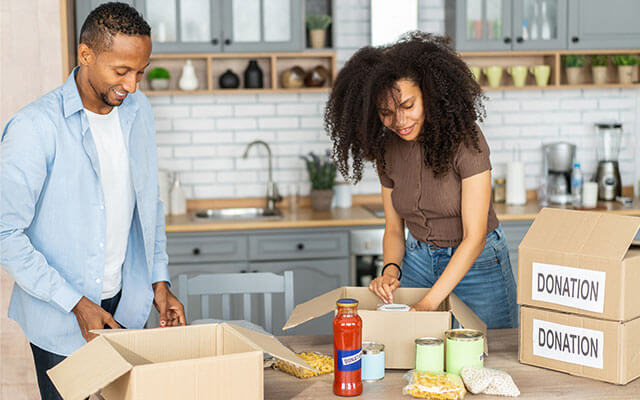
Once you finish, pack the pantry items you want into a sturdy cardboard box. When packing dry or canned goods, use the same packing strategies you would for other household goods. Try to keep heavy canned foods away from soft or breakable food items, such as dry pasta or bread. This will help prevent your food from breaking or getting smashed during the moving process. Write labels on each box so you know what's inside when you arrive at your new home. When the pantry is tidy, packing the rest of your food will be much easier and faster.
2. How to Safely Pack Perishable Items
Packing perishable foods can be a challenge, but with the right steps, you can keep your food safe and fresh. Start by thinking about which foods you need to pack and eat soon, and stock up on cold or ice packs to help keep things as cold as possible.
- Use insulated coolers or travel carriers with ice packs to keep perishable foods cold when transporting them.
- Wrap items like raw meat in aluminum foil or vacuum-sealed plastic to prevent leakage.
- Keep perishable foods in the freezer right until you need to leave to help keep them fresh.
- Put all of your refrigerated and freezer foods together or mix and match them - your frozen bags of chicken or peas can act like a makeshift ice pack, keeping everything else colder for longer.
Put foods such as milk, yogurt, sauces, etc., into leak-proof containers to stop any cross-contamination or spillage. Pack smaller amounts that are easier to fit and carry in your coolers. Moving perishable foods is easier to manage if you have a short trip. If you are making a long-distance move, be sure to have somewhere you can either store your perishables at or re-freeze your ice packs. With a little planning and good food safety habits, your perishable foods will still be fresh when you arrive at your destination.
3. Use the Right Containers for Different Types of Food
Choosing the right packing materials is crucial if you want your food to stay fresh and not spoil during the move. Different foods need different ways to be stored. Here’s a quick guide:
- Dry Goods - Store in airtight containers or resealable bags that effectively keep the outside air out.
- Liquids - Ensure the lid or cap is tight and test the bottle by turning it upside down for leaks. If it holds, you can move it as is. If it leaks, try placing it in a new, air-tight container.
- Frozen Foods - Depending on the type of food, you can either keep your frozen foods in the original wrapping or purchase some quality freezer bags. If you use zip-lock baggies, whether they are quart- or gallon-size, ensure the seal is tight and remove as much air from the bag as possible before storing.
- Snacks - Small to medium zip-lock bags are good for easy access and seeing what is available. Otherwise, you can keep snacks in their original boxes unless you need to make more space.
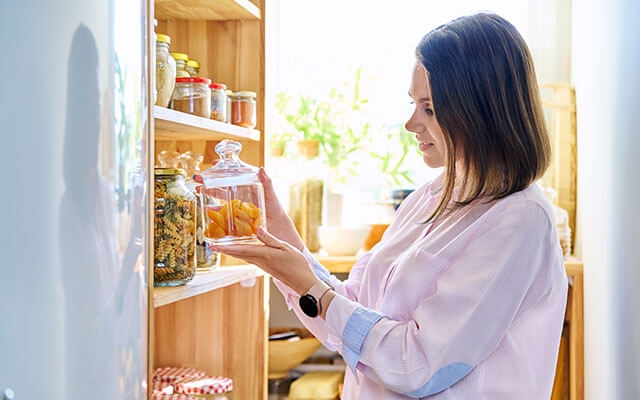
Use packing paper to fill the space between any breakable bottles or containers if you are storing them in a box for your move. Be sure also to label each container so you know what is inside and can find things quickly when unpacking at your new home. When you sort your food by type, it helps you pack more efficiently and prevents items from going bad in the freezer or at any point during your move.
4. Label All Food Packages Clearly
Proper labeling is the best way to keep things organized when packing food for a move. To be even more organized, you can create an inventory or color-coded list to more properly track what is what in your boxes or coolers.
First, write down what is in each package and the date you packed it or when it should be used by. Use stickers or markers that are strong and will not smear - you can also tape paper or sticky notes to coolers you use so you don't have to write in permanent ink on them. This helps to keep labels easy to see during the unpacking process. If some foods require special care, add notes such as “Keep Frozen” or “Handle With Care.” These words will help you know what to do when you unpack.
Finish by using packing tape to seal the food packages. When the label is clear, there is less mix-up about what is inside each box. This improves food safety and helps you utilize items by freshness after the move, ensuring nothing goes to waste.
This method is the best way to stay organized and safe with your food during a move.
5. Keep Perishables Cold with Coolers or Ice Packs
Keeping perishable foods fresh during your move requires that you cool them properly. You can use coolers or ice packs to prevent your food from spoiling. If you are running low on coolers or ice packs and need more before your trip, places like Walmart and Amazon are good retailers you can purchase these items.
Before you pack, it's a good idea to chill your cooler or insulated bag. For example, avoid putting your cold items directly into a cooler that has been sitting in your hot attic. This helps maintain the food at a consistent cool temperature, and the loss of cold temperature will be reduced. If you want to add more insulation, you can put aluminum foil between the ice packs and your perishable foods.
Place heavy items, such as bottles of milk or juice, at the bottom of your cooler. Lighter perishable foods should go on top. Try not to open the cooler unless necessary, and ensure the lid is securely closed, as this can lead to temperature loss. If you follow these tips, your perishable foods will stay safe and sound until you set them up in your new kitchen.
6. Securely Seal Liquids and Fragile Items
When handling liquids, there is a real risk of them spilling. To stop this, it's good to use sturdy and leak-proof containers. For glass jars and other fragile things, wrap them well in sheets of packing paper or bubble wrap. If you have packing materials on hand, consider using hand towels or old blankets that can be washed if necessary to fill space and keep breakable items safe during the move.
For more safety, seal every lid with packing tape, securing the lid or cap of the container inside while the box is in motion. Packing materials, such as bubble wrap mentioned above, are effective in protecting items that are prone to breakage.
Put each sealed container upright in the box, then use crumpled packing paper or towels to fill empty spaces, so nothing moves around. Accidents do happen, though, so be sure to have paper towels on hand in the case of a spill as you move your boxes or coolers.
7. Tips for Packing Canned and Dry Goods
Canned and dry goods are strong. Still, they need to be packed correctly to ensure they are moved safely. Pick small or medium cardboard boxes so that the box is not too heavy. Carrying too much weight can cause back pain or injury, which can significantly hinder your mobility.
Put heavy cans at the bottom of the box, and then place lighter items, such as snacks or pasta, on top. As mentioned above, use the same packing strategies you would for any other item you would pack away. For added safety, use packing tape to reinforce the boxes.
Do not fill boxes so much that you cannot lift them. Select a box that you can easily pick up and move. If you are moving a long distance, avoid taking food that will spoil soon. If you are unsure, consider donating canned goods you no longer use to local charities. This helps others and is also good for you.
8. Setting Up Your Kitchen in the New Home
Unpacking your kitchen after a move can feel overwhelming, but if you treat it as a fresh start, you can set up your kitchen exactly the way you've always wanted it at your old home! Start with a plan and focus on putting out your main kitchen appliances first. Set up the items you use daily, such as microwaves and toasters, because you will need them immediately and in a space that makes sense.
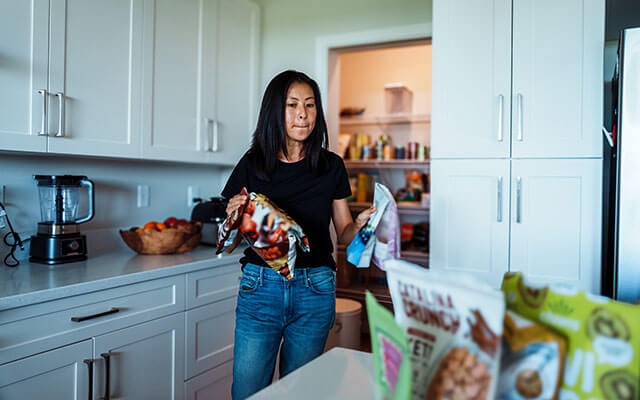
Next, take out the food that you keep in your pantry and fridge. Place these items in locations that are easily accessible to you. It can be helpful to use your labeled boxes as a guide to know what goes where.
To make your kitchen work more efficiently, place the appliances you use frequently in a location where you can easily reach them. For example, place your most frequently used appliances on the counter and store items that are used infrequently, such as food processors, in a cupboard. It might take a little time and some trial and error, but you'll soon be able to have your new kitchen laid out precisely the way you want it.
Let Zippy Shell Help Make Your Upcoming Move Simpler
Packing your kitchen and foodstuffs requires planning and consideration, especially when it comes to how you pack and move them. Regardless of the mover you choose, all will highly suggest or prohibit the transportation of food in their moving solution due to the associated risks. However, if you pack these items with the tips above in mind, it can make personally moving them much easier to manage while saving the food you want for your new home!
If you are looking for a moving company that works around your needs and schedule, Zippy Shell is here for you. We make moving and storage simple, because it should be. No more driving back and forth, packing all in one morning, or stressing about the logistics.
Zippy Shell makes it easier; here's how it works: you pick your preferred date, and we will deliver your portable storage container to your home. You then take up to three days to pack at your own pace. When done, we will come out, pick up your container, and begin the process of delivering it to your new home. Alternatively, we can store it for the long or short term at one of our 80+ secure nationwide warehouse locations.
No driving, no hassles, and no rushing on your part. Let Zippy Shell make your local and long-distance moving and storage needs simple today. Call us or go online for a free quote to get the process started today!
Frequently Asked Questions About Packing Food for a Move
How do I keep food fresh during a long move?
To keep food safe, use coolers with ice packs or containers that keep heat out when you carry perishable foods. Keep items like milk and raw meat as cold as possible. Packing materials that work in the freezer help prevent food from spoiling when you move it from one place to another. You can also treat frozen bags of chicken nuggets and peas as makeshift cold packs for refrigerated items for a short journey - just be sure to keep things as cold as possible to avoid thawing.
Can I transport frozen foods when moving locally?
Yes, you can easily. Place some ice packs in a cooler or an insulated container and add frozen foods. Ensure all lids are tightly closed and use packing tape to help seal them if needed. So long as you don't leave your container in the sun or outside on a hot day, a container full of frozen food should stay frozen for a while.
What kinds of containers are best for packing snacks?
The best way to pack snacks is to use airtight containers or resealable plastic bags. These help keep your food fresh. For food that does not require a tight seal and is still in its original box, you can use cardboard boxes lined with packing paper. This is a good way to keep those items together.
Should I pack canned goods or donate them before moving?
For a last-minute move, it can often be easier to donate canned and unopened boxed goods, as these items can get heavy quickly and occupy a significant amount of space. If you opt to move them, use heavy-duty, dual-lined boxes for the move.
- Moving Tips (132)
- Home Organization (60)
- Fun Stuff (54)
- Home Maintenance Tips (48)
- Packing Tips (36)
- Storage Tips (35)
- Home Buying and Selling Tips (24)
- News Releases (24)
- Home Renovation Tips (16)
- Moving on a Budget (11)
- Portable Storage (11)
- Moving and Storage Tips (2)
- Household Moving (1)
- In the Community (1)
- Moving Company Comparisons (1)