TV Packing Tips: How to Pack a TV for Moving
January 28, 2025
Updated on June 19, 2026
Key Highlights for Moving Your Flat-Screen TV
- Moving a TV requires extra care to prevent damage.
- Always disconnect and organize cables before packing.
- Use the original box and packing materials for best protection.
- Use a sturdy moving box and ample padding if the original box is unavailable.
- Load and transport your TV upright and secure it to prevent shifting.
- Unpack carefully and allow the TV to reach room temperature before plugging it in.
Moving into a new home is exciting. But packing your things can seem a bit much. Your flat-screen TV is one item that needs extra care when packing. You want to make sure it arrives safely. Good packing is essential for protecting your flat-screen TV and preventing damage, such as a cracked screen. This guide will give you easy steps to pack your flat-screen TV safely. This way, you can move to your new home without worry.
Preparing Your TV for Packing
Before you start packing your TV, the first thing you should do is prepare it correctly. This helps ensure safe packing and prevents problems when you unpack. Gather all packing supplies you need ahead of time to make the process easier.
First, unplug all cables and accessories from the back of the TV. This means removing the power cord, HDMI cables, and other connected devices. To help avoid confusion later, use masking tape to label each cable. This small step can save you time and frustration when you set up your TV in your new home.
Disconnecting and Organizing Cables
Disconnecting cables might seem simple, but it is vital for moving your TV smoothly. The first step is to take a moment to find all the cables connected to your TV's back. You may have a power cord, HDMI cables, and a few audio cables or cables for gaming consoles - all of these should be kept in one spot, either with your TV in the box or in a separate box marked “TV Cords and Accessories.”
Next, gently unplug each cable from the TV. As you unplug them, use masking tape or cable ties to tie them together, place them into a large zip-lock baggie, label them, and keep them with the right item - these cords can easily get lost or placed with the wrong item. Doing this can save you time and effort when you must plug everything back in at your new location.
Lastly, get a bag or container for all your labeled cables and accessories. This way, you won’t have to search through boxes for a missing HDMI cable when you want to watch your favorite show.
Cleaning the Screen and Body for Safe Packing
Dust and fingerprints on your TV screen may not bother you now, but they can stick out more after you move and adjust to light sources in your new home. To keep your TV looking good when you get to your new home, clean it before packing.
Use a microfiber cloth with a TV screen cleaner for the screen. Do not use harsh chemicals or rough materials. They might damage the delicate screen. Gently wipe the screen in circular motions to remove dust and smudges.
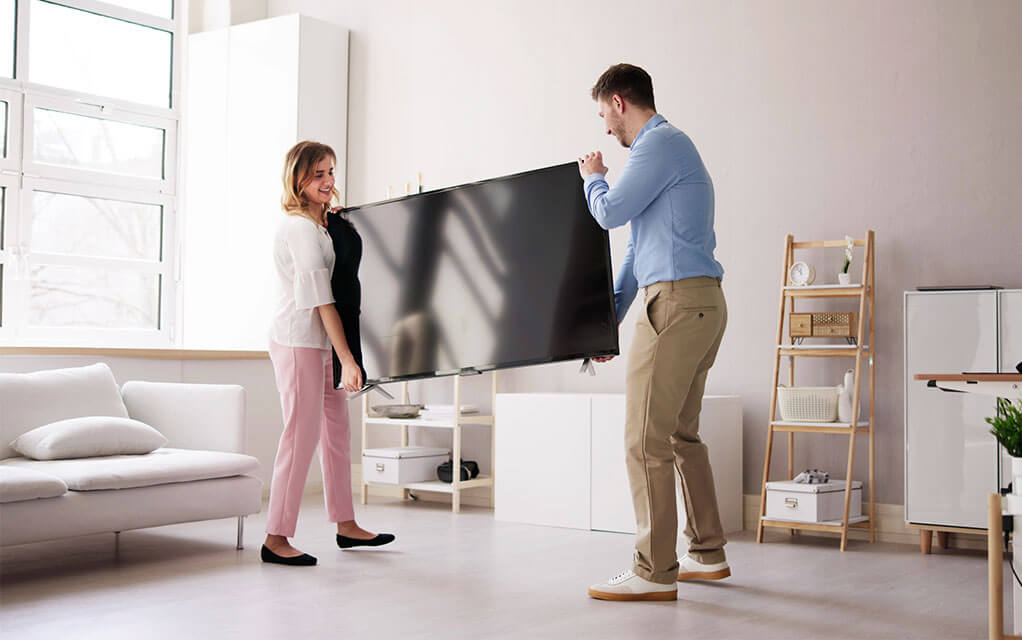
Remember to clean the body of the TV too! Take a slightly damp cloth, not wet, and wipe the sides and back. This will help remove dust buildup. A clean TV is a happy one, especially in a new home.
Essential Packing Supplies for Your TV
The right packing supplies are key to keeping your TV safe during a move. The best way is to use the original TV box and packing materials if you still have them. They are designed to protect your TV well during transport. You don't need to worry, though, if you don't have the original box.
You can easily find other suitable packing materials, such as a strong moving box, bubble wrap, packing tape, and packing paper. There are even moving boxes specifically made for moving flat-screen TVs. These box types are available at most home improvement stores and are the next-best option to the original box for keeping your TV safe and secure during your move.
Choosing the Right Moving Box
The best box for your TV is the one it came in. This original box is designed to fit your TV perfectly, helping keep it safe. If you still have this box, the packing inserts, and protective sleeves, use those.
If you’ve thrown away the original box, no worries! Many home improvement stores have special TV boxes designed for the dimensions of a flat-screen TV. Do not pick a box that is too big. If it’s too large, the TV might shift, which can cause damage. But these specialty boxes are your next-best bet, after the original box and packaging, to keep your TV from being damaged during your move. Be sure to write "TV - Fragile" in large print on both sides of the box as well, so anyone moving it knows what is inside and moves it carefully.
Protective Materials: Bubble Wrap vs. Packing Paper
Both bubble wrap and packing paper are essential materials for safely packing your TV for a move or for storage. Understanding the distinct roles each plays can help ensure your TV arrives at its destination undamaged.
Bubble wrap is specifically designed for cushioning. Its air-filled bubbles provide a protective layer that absorbs shocks, bumps, and vibrations during transport. This is especially important for delicate electronics like TVs, where even a small jolt could cause damage to the screen or internal components. To use bubble wrap effectively, start by completely covering the entire TV—screen, frame, and back—in several layers. Pay extra attention to the corners and edges by adding additional layers, as these areas are particularly vulnerable to impact.
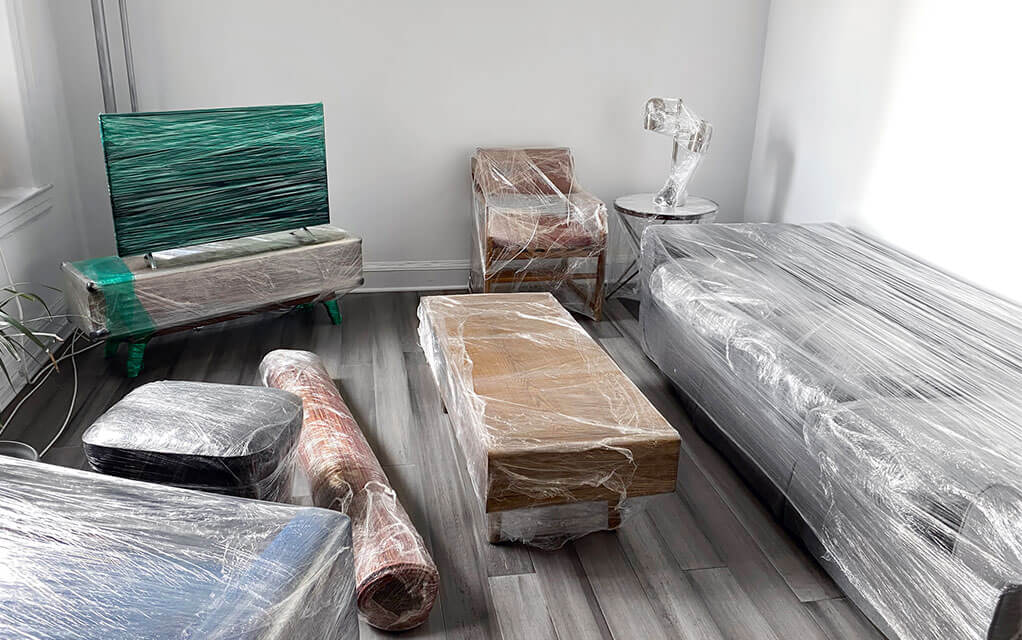
Packing paper serves a different but equally crucial function: it fills empty spaces inside the box once the TV is wrapped in bubble wrap. By crumpling up packing paper and placing it around your wrapped TV, you prevent movement within the box. This added stability prevents the TV from shifting during transit, reducing the risk of cracks or scratches.
For best results:
- Unplug all cables from your TV and remove any attached stands or wall mounts.
- Clean the TV to remove dust that could scratch the screen.
- Cover the screen with a microfiber cloth or another soft material before wrapping in bubble wrap for extra protection.
- Secure the bubble wrap with packing tape—just be careful not to let the tape touch the TV itself.
- Place the wrapped TV upright in its original box if possible; if not, use a sturdy moving box that closely fits its dimensions.
- Fill any gaps with plenty of crumpled packing paper so there’s no room for movement.
- Clearly label the box as “Fragile” and indicate which side should face up.
Using both materials together maximizes protection by combining shock absorption (bubble wrap) with stabilization (packing paper), helping ensure your TV stays safe during every step of your move.
Two-Step Guide to Packing Your TV
Now that everything is ready, it's time to pack your TV. This simple two-step process will help you. It makes sure your TV is safe before and during the big move. By following these steps, you can relax, knowing your TV is secure for transport.
First, before you put your TV in the box, cover the screen with a soft, clean towel or fabric. This extra step will help protect it from scratches and pressure while moving. After covering the screen, wrap the entire TV in bubble wrap. This will protect it from any bumps or hits.
Step 1: Secure the Screen with a Soft Cover
The TV screen is the most fragile part of the device. It needs careful packing. If you have the original protective sleeve, use it. This sleeve fits your screen perfectly and offers excellent protection.
If you don’t have the sleeve anymore, don’t worry! You can create a protective layer with soft, padded items such as a moving blanket or several layers of bubble wrap. Wrap the screen gently, cover it completely, and secure it well with packing tape. Be sure to clean whatever you use to wrap the screen with - if you place a dirty towel with debris on it, it can scratch your screen during transit.
The goal is to create a snug fit without putting too much pressure on the screen. This way, your TV screen will stay scratch-free and safe during transport.
Step 2: Wrap the TV in Bubble Wrap for Added Protection
Once the screen is well protected, it's time to cushion the TV with layers of bubble wrap. Bubble wrap is excellent for absorbing shock and vibration during the move.
Start by wrapping the whole TV generously. Make sure you use a few layers of bubble wrap around the back, sides, and edges. Focus on protecting the corners, as they can easily get damaged from bumps, which can cause the TV to malfunction when you try to use it again. Use packing tape to keep the bubble wrap in place so it doesn't come loose while moving.
Wrapping your TV in bubble wrap provides good protection and reduces the risk of damage in transit to your new home.
Loading and Transporting Your TV Safely
Transporting a TV requires careful handling to prevent damage on the road. Whether you use a traditional rented moving truck or a portable moving container, always keep your TV upright and safe, especially by utilizing the easy-to-lift handles along the sides of the box. A bit of planning and the right methods can ensure your TV arrives in one piece.
Your TV should be one of the last items you pack into your moving solution - be sure to keep it in an upright position. If you can, place it between strong items to limit its movement while driving. Watch out for bumps or sudden stops during the trip, if possible. Also, avoid putting heavy items on top of the TV, as this can easily crush your TV in the box.
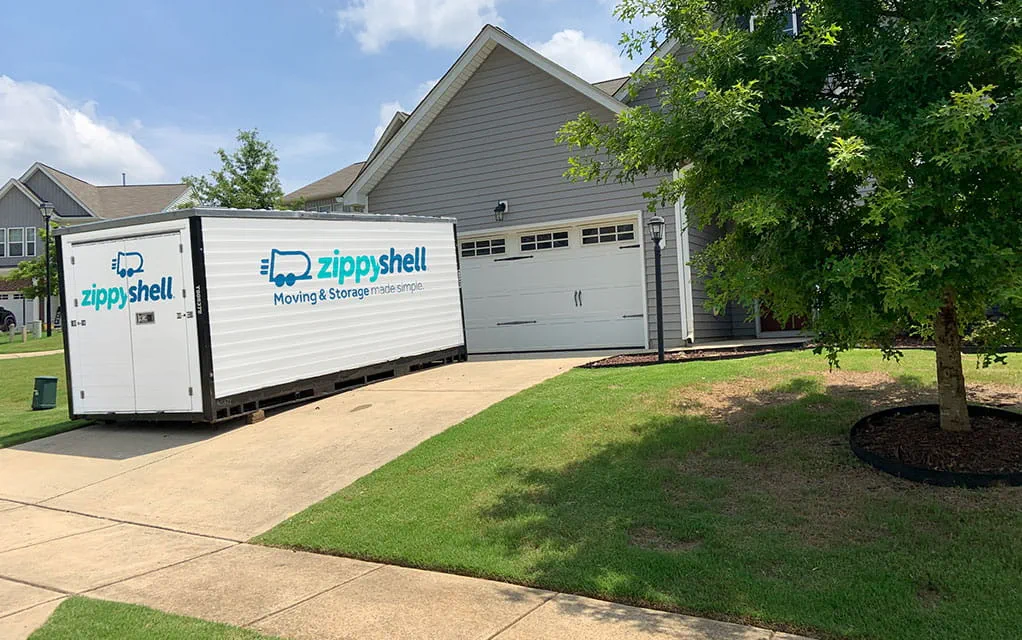
Pack the TV into your Zippy Shell Container
Now for the moment of truth. You must ensure your TV box is clearly marked with “TV - Fragile” on all sides so that anyone handling the box knows precisely what is inside. If you are using professional moving assistance, they should know the proper way to pack TVs, but it is always a good rule of thumb to keep an eye on how fragile items are handled to ensure no issues occur during the packing and moving process.
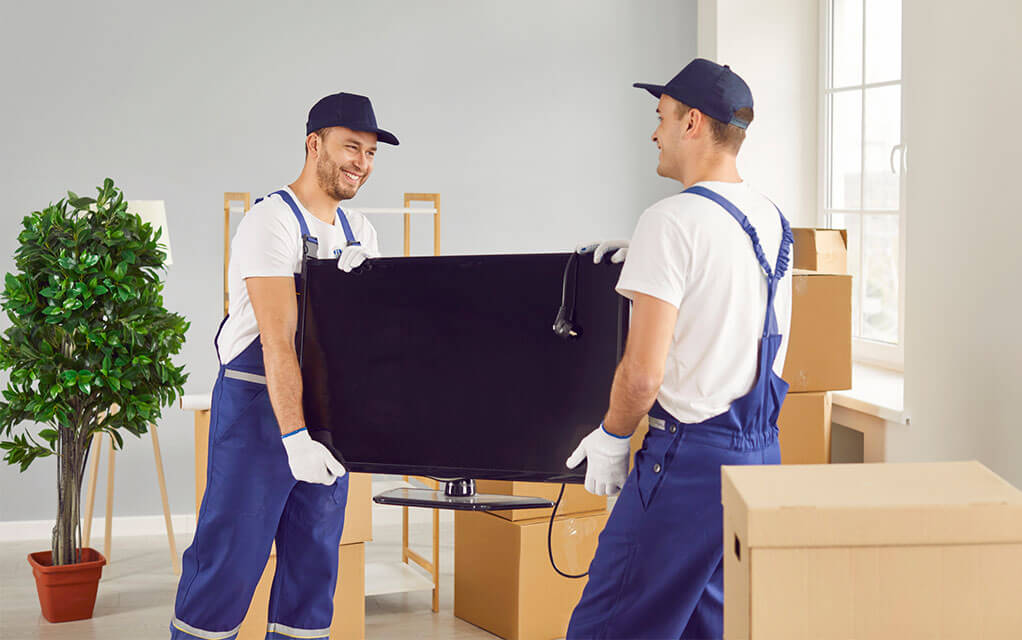
Always pack televisions upright to ensure their safety. Place the box with your TV upright between other items to reduce the risk of it tipping over during the move. Nothing should be stacked on top of the TV, and the box should always remain upright during your move. Thanks to the secure nature of our portable storage and moving containers, as long as your TV is adequately braced, it should make it through your move just fine. These same tips will apply if you need to pack it for short- or long-term storage.
Tips for Keeping Your TV Secure During the Move
To ensure your TV arrives at its destination in perfect condition, it’s essential to take a thoughtful, thorough approach to packing and transporting it. Beyond simply securing the TV inside your moving truck, there are several steps you can follow for added safety.
First, always use the original box and packaging if you still have them. The original foam inserts are specifically designed to protect the corners and screen from impact. If you no longer have the original packaging, purchase a specialty TV box that matches your television's size—these are often available at moving supply stores.
Before packing, unplug all cables and accessories from the TV. Bundle cords separately with twist ties or zip ties, label them if possible, and pack them in a clearly marked bag. This prevents any stress or damage to the TV’s ports during transport.
Wrap the entire television in a soft moving blanket or bubble wrap—a layer of bubble wrap adds cushioning while a moving blanket shields against scratches. Secure the wrapping with packing tape, but be careful not to let the tape come into contact with the screen itself.
When loading your TV into the vehicle or truck, always keep it upright (in a vertical position). Laying it flat can put pressure on the screen, which may cause cracks or internal damage. Place your packed TV between sturdy items, such as mattresses or large cushions, for added stability, and make sure nothing heavy is placed on top of it.
If possible, transport your TV separately in your own vehicle rather than in a moving truck. Passenger vehicles tend to have smoother rides compared to trucks, reducing jostling during transit.
Lastly, as mentioned earlier, load the television near the front of the truck so that it is one of the last items removed upon arrival. This minimizes unnecessary handling and further reduces risk.
By following these extra precautions—using proper packing materials, keeping cables organized, ensuring it remains upright during transport, and providing ample padding—you can help protect your TV from the most common types of damage encountered during moves.
Setting Up Your TV at Your New Home
Congratulations on your new home! As you start unpacking, be careful with your TV. Treat it just like you did when you packed it. Take your time while unpacking to avoid any damage.
Before you plug in your TV, make sure to let it adjust to the room temperature. Electronic parts can be sensitive to quick temperature changes. It’s best to let your TV sit for a few hours before you turn it on.
Unpacking Your TV Without Damaging It
Unpacking your TV may seem easy, but be careful to keep it safe during its trip. Don't rush. Instead, take your time and be gentle.
First, carefully cut the packing tape on the moving box. Do not use sharp tools like box cutters. They could scratch the TV inside. When the box is open, check the TV for any apparent damage before you take it out. Carefully remove it and any accessories that were packed with it. If you packed everything correctly, your TV should be ready to go, and all your accessories should be right where you need them. Depending on the size of your TV, enlist some help removing it from the box - don’t let your TV get damaged in the final step by trying to cut a corner!
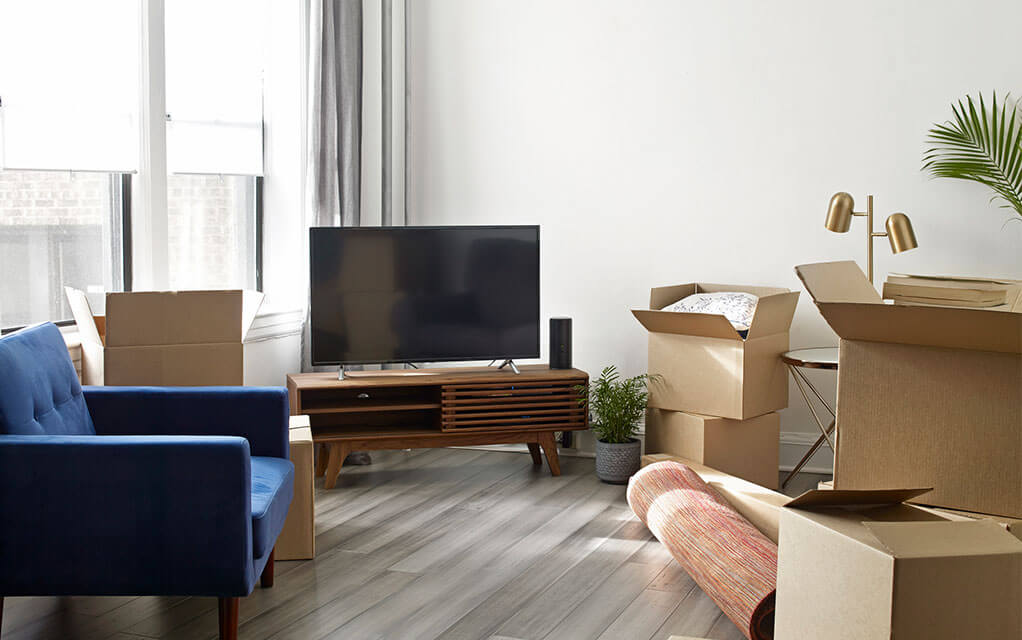
Place it on a clean, flat surface - do not put it directly on the floor, especially not screen-front down. This can make it dirty at best and scratch the screen at worst. Test the TV by plugging it into a wall outlet and testing the remote. If the picture looks good and functions correctly, you are good to go!
Reconnecting and Testing Your TV
Now comes the fun part: reassembling your TV in its new permanent spot and hooking everything back up. Remember the labels you made for the cables? Now it's time to use them! Look at the labels to connect each cable to the right spot on the back of your TV.
Carefully reconnect your streaming player, gaming consoles, sound system, and other devices. If you plan to mount the TV on the wall, make sure the wall mount is securely installed before you hang the TV. After everything is connected, you are ready to sit back and relax!
Make Your Move Simpler with Zippy Shell
Zippy Shell makes every facet of your move simpler. Whether you need tips on properly packing your TV or want a moving company that works with your schedule and budget, we are here for you. We make local, long-distance, or cross-country moves simpler with a moving solution delivered directly to you. Carefully pack your stuff in your container over three days, and let us handle everything else. No other moving company or moving truck rental service can provide the same level of simplicity.
Here is how it works: you pick your preferred date; we deliver a container you can pack at your pace; when you're done, we come out to pick up your full container and deliver it to your new home. And if you need storage, we can also provide it at one of our 90+ secure warehouse facilities nationwide.
Give us a call at 1-888-947-7974, or get a free quote online to see how easy we can make your moving and storage needs!
Frequently Asked Questions About How to Pack Your TV
Can I pack my TV without the original box?
Using the original box is best, but not many people keep those boxes after purchasing their TV. Your best bet, aside from using the original box, is to buy a TV-specific moving box designed for flat-screen TVs. Make sure you have enough packing materials, like bubble wrap, foam, and packing paper. When you put it in your container, be sure to keep the box upright. For better protection, you can place it between strong items, like a mattress or a sofa - just don't let it get crushed in between heavier objects.
Is it safe to lay a flat-screen TV flat when moving?
It’s crucial to transport a flat-screen TV upright rather than flat. When a TV is laid flat, the weight of the screen can be distributed unevenly, making it vulnerable to cracks or even shattering during transit from sudden bumps or jolts. The glass and sensitive internal components are designed to be supported vertically; laying the TV down puts unnecessary stress on these parts.
Additionally, moving a flat-screen TV upright helps protect against pressure points that can occur when something presses the middle of the screen while it’s horizontal—this could result in permanent damage, such as distorted images, dead pixels, or even complete display failure.
For extra safety, use plenty of padding around the TV, secure it with straps if you’re transporting it in a vehicle, and avoid stacking anything on top of it. Always handle your television with care from start to finish to ensure it arrives at its destination without any issues.
How do I protect my TV screen during the move?
Protecting your TV screen during transport is crucial to prevent scratches, cracks, or other damage. The first step is to always lay the TV screen side down on a soft, clean surface—such as a towel, bedsheet, or microfiber cloth—to avoid direct contact with hard surfaces. Next, cover the screen with another layer of protection using soft packing materials like bubble wrap, packing paper, or even sturdy cardboard cut to size. This additional barrier helps absorb any impact or pressure that may occur during handling.
For extra security, wrap thick blankets around the entire TV and use moving straps or tape (making sure the adhesive doesn't touch the screen) to keep everything in place. If you still have the original box and foam inserts from when you purchased the TV, use them—they’re designed specifically for safe transport. Otherwise, select a moving box that fits snugly around the padded TV, leaving little extra space.
Make sure your TV remains upright while being moved and in transit; laying it flat can increase the risk of damage from uneven pressure on the glass. Finally, label the package as “Fragile” and indicate which side should face up so movers handle it with care. Taking these steps helps ensure your TV arrives at its new destination safely and in perfect working condition.
Is a flat screen TV box really necessary?
Absolutely, using a flat screen TV carton is one of the best ways to protect your television during a move. The original packaging is designed to fit your TV snugly and securely, minimizing movement and cushioning it against impacts or vibrations during transit. This helps prevent common issues such as cracked screens, damaged edges, or internal component failures.
If you no longer have the original box, you can purchase specialized TV moving boxes from moving supply stores or online retailers. These boxes typically come with foam inserts or adjustable padding to accommodate different sizes and provide extra protection. Be sure to measure your TV before buying to ensure a proper fit.
In addition to using a suitable box, it's important to remove any detachable parts, such as stands or wall mounts, and pack them separately. Wrap the TV in a soft blanket or bubble wrap for added cushioning before placing it in the box. Always keep the screen side facing up and mark the box as "fragile" so movers handle it with care.
Taking these precautions will help ensure your flat screen TV arrives at your new home safely and in perfect working condition.
Is bubble wrap enough protection for a TV screen, or do I need special materials?
Bubble wrap provides good cushioning for a TV screen, but it's not always sufficient on its own. To ensure maximum protection during a move, consider using specialized materials like foam corner protectors and sturdy boxes designed for TVs. Combining these will help safeguard your television from potential damage.
- Moving Tips (132)
- Home Organization (60)
- Fun Stuff (54)
- Home Maintenance Tips (48)
- Packing Tips (36)
- Storage Tips (35)
- Home Buying and Selling Tips (24)
- News Releases (24)
- Home Renovation Tips (16)
- Moving on a Budget (11)
- Portable Storage (11)
- Moving and Storage Tips (2)
- Household Moving (1)
- In the Community (1)
- Moving Company Comparisons (1)